

Exactly 59 years ago, a document entered into force that continues to govern human activities beyond Earth. Under its provisions, no country may claim sovereignty over the Moon; the placement of nuclear weapons in orbit is prohibited; and any damage caused by a satellite falling within another country’s territory must be compensated for by the state that launched it.
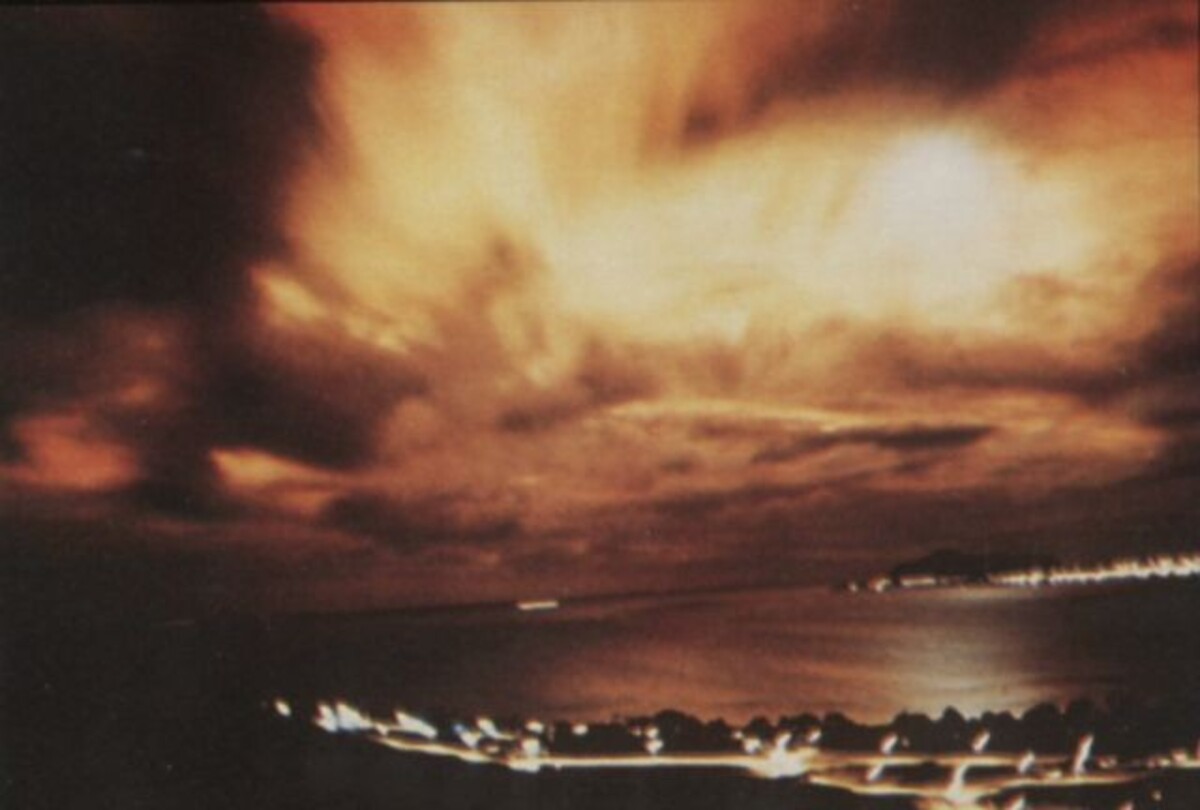
Explosion over the Pacific Ocean
A nuclear bomb has previously been detonated in space. The most powerful such explosion occurred in the summer of 1962, when no regulations governing outer space were yet in place.
On July 9, the United States launched a missile carrying a thermonuclear warhead from Johnston Atoll in the Pacific Ocean. The 1.4-megaton charge — equivalent to 1.4 million metric tons of TNT — detonated at an altitude of approximately 400 km. The test was designated Starfish Prime.
The charged particles released by the explosion were trapped by Earth’s magnetic field. For several years, they orbited the planet, forming an artificial radiation belt. Each satellite passing through this region was exposed to an additional dose of radiation that its electronics and solar panels could not withstand. Within a few months, at least six satellites had failed. One of them was Telstar, the first commercial television relay satellite, which was launched into orbit the day after Starfish Prime.
Source: Wikimedia Commons.
By that time, both the United States and the Soviet Union had already developed missiles capable of carrying a warhead beyond the atmosphere. One test demonstrated the vulnerability of near-Earth space; an actual conflict in orbit could have rendered it unusable for years. In October 1963, the UN General Assembly called on states not to deploy nuclear weapons in orbit.
General rules applicable to all countries
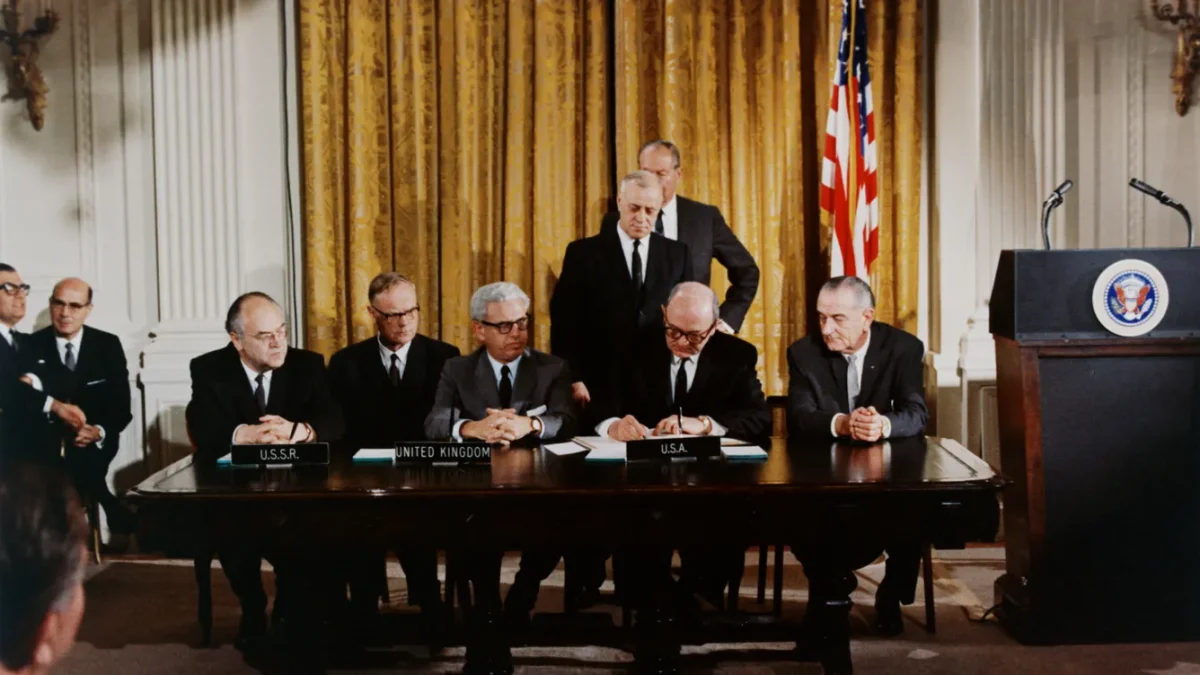
The agreement that emerged from this concern bears a lengthy official title but is widely known as the Outer Space Treaty. It was opened for signature on January 27, 1967, simultaneously in Washington, London, and Moscow, and entered into force on October 10 of that year. The provisions governing the Moon were established nearly two years before the Apollo 11 astronauts set foot on its surface. Today, more than 110 countries, including Ukraine, are parties to the treaty.
Seventeen concise articles establish several fundamental principles. All countries may explore outer space, and every nation should share in its benefits. The treaty designates astronauts as envoys of humanity and requires every state to assist them in the event of an accident. Nuclear weapons and other weapons of mass destruction may not be placed in orbit or deployed beyond Earth. The Moon and other celestial bodies may be used solely for peaceful purposes; the establishment of military bases and fortifications, as well as the conduct of military maneuvers, is prohibited.
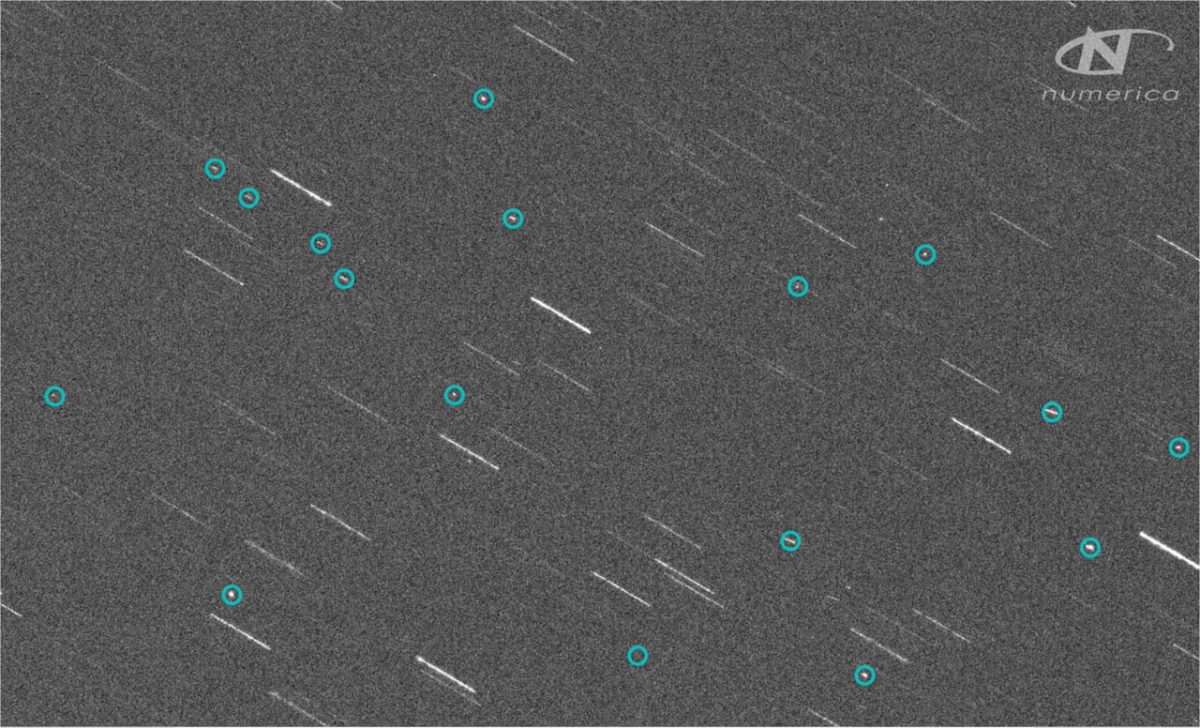
This has led to the widespread belief that the treaty has completely demilitarized space. In reality, it prohibits only weapons of mass destruction and makes no mention of conventional weapons or military satellites. The launch of ballistic missiles is also permitted, as they leave the atmosphere only briefly and do not remain in orbit. When Russia destroyed its own malfunctioning satellite, “Kosmos-1408,” with a strike from Earth in November 2021, it did not formally violate any provisions of the treaty. However, more than 1,500 trackable pieces of debris ended up near the orbit of the International Space Station, forcing its crew to take shelter in the docked spacecraft.
A flag does not confer ownership rights
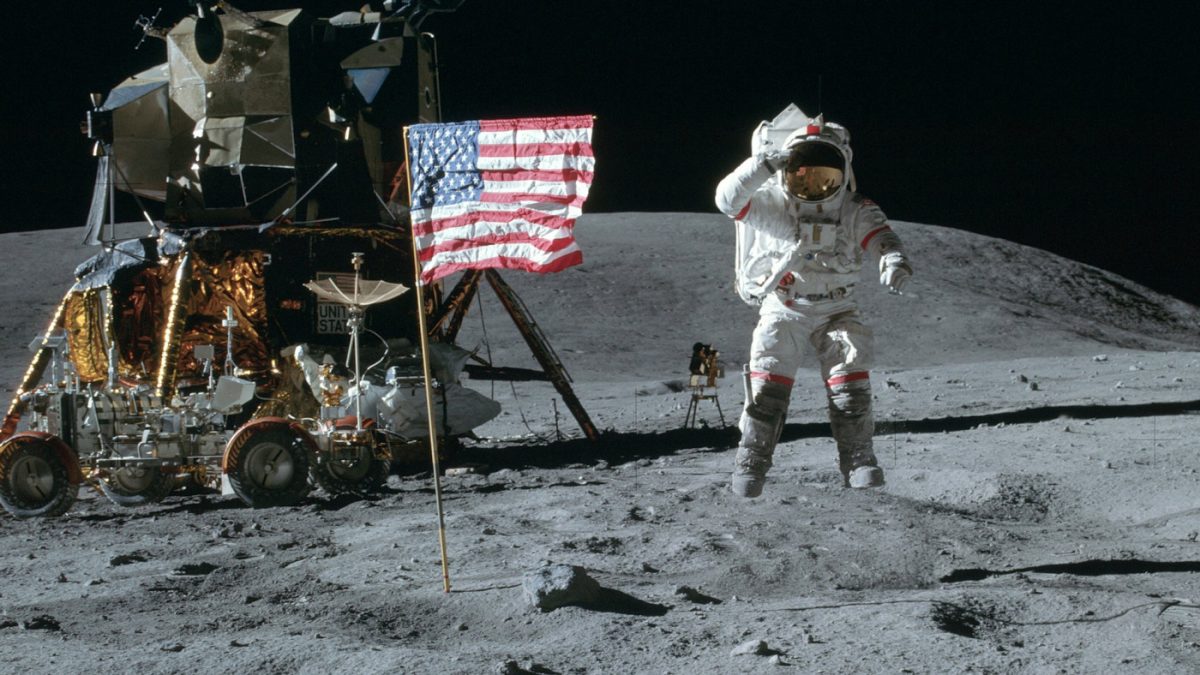
When the Apollo 11 astronauts planted the United States flag on the Moon’s surface in July 1969, the Moon did not thereby become American territory. The treaty expressly prohibits any state from claiming extraterrestrial space or a celestial body as its own. Such areas may not be appropriated through a declaration of sovereignty, use, or actual occupation.
This provision also renders the “certificates” for plots on the Moon — which are sold online — meaningless. Sellers argue that the treaty applies only to governments and makes no reference to private individuals. However, no country recognizes such plots as property belonging to anyone; without that recognition, a stamped piece of paper has no legal force.
A substantially more complex issue concerns what may be extracted from the Moon. The treaty does not regulate the extraction of water, metals, or regolith — that is, the loose layer of dust and debris covering the surface. Proponents of mining argue that the same reasoning applies as it does on the high seas. Waters beyond the territorial waters controlled by individual countries are commonly regarded as neutral. They belong to no one; however, fish caught there become the property of the fisher.
The United Nations sought to address this issue as early as 1979 by adopting the Moon Treaty. The treaty designates the resources of Earth’s natural satellite as the common heritage of humanity, meaning that they may be extracted only in accordance with international rules. None of the leading spacefaring nations, including Ukraine, has acceded to the treaty.
Today, the “fisherman’s logic” is enshrined in the Artemis Accords, a set of non-binding principles proposed by the United States in 2020 in conjunction with its program to return humans to the Moon. Signatories agree that resources on any celestial body may be harvested, provided that doing so does not violate the Outer Space Treaty, and that such activities do not constitute an appropriation of territory. Separately, the agreements provide for the open publication of scientific data, assistance to astronauts in the event of an accident, the protection of historic sites such as the Apollo landing sites, and the safe removal of space debris.
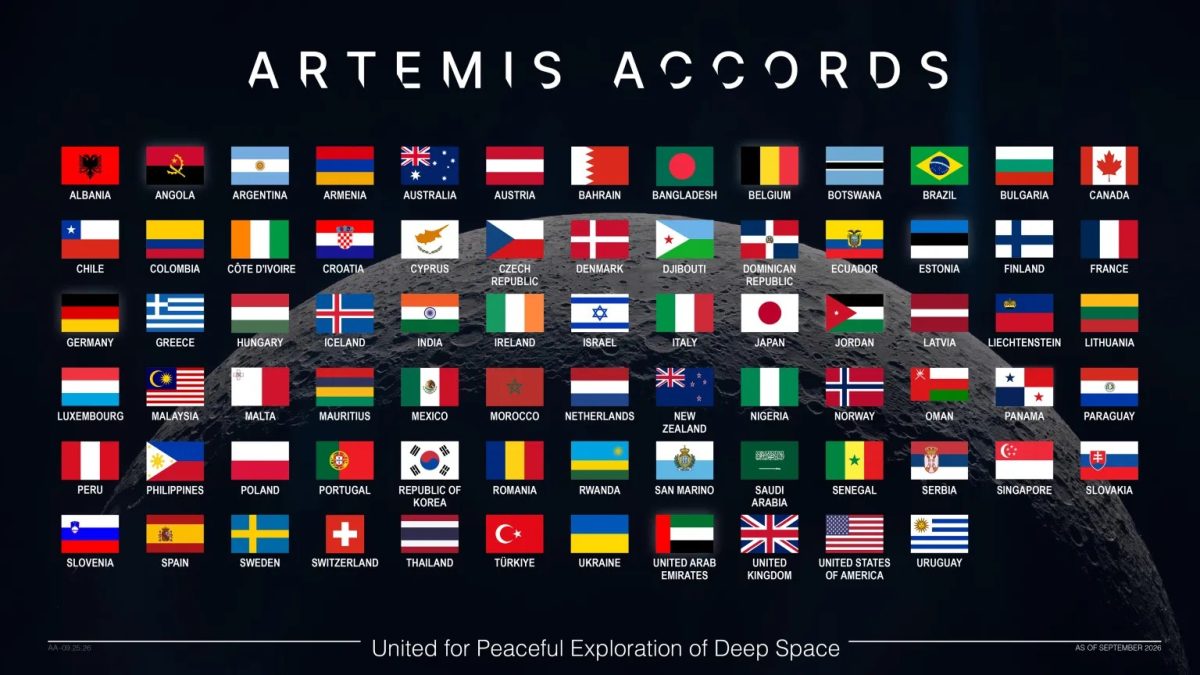
As of the end of September 2026, 76 countries had signed the agreement. Ukraine was the ninth country to join, in November 2020. Critics argue that the right to extract resources violates the prohibition on appropriation and primarily benefits the United States and commercial companies.
Who is liable for the costs when a satellite crashes?
Unlike the provisions concerning resources, this treaty provision has long been established in practice. Each country must supervise all space activities conducted by its citizens and companies. Accordingly, a private firm may not launch a spacecraft into orbit without government authorization and oversight. Damage caused by a space object is compensated by the so-called launching state — that is, the country that carried out or commissioned the launch, or provided its territory for the launch. Therefore, Ukraine will be responsible for the Ukrainian satellite, together with the country from which the rocket was launched.
This principle was put to the test in the winter of 1978. The Soviet reconnaissance satellite “Kosmos-954” was equipped with radar for tracking ships. Because its solar panels could not provide sufficient power, a nuclear reactor containing approximately 50 kg of highly enriched uranium operated aboard the satellite. Following a malfunction, the satellite fell out of orbit and crashed on January 24 in the uninhabited northern part of Canada, near Great Slave Lake. Radioactive debris was scattered across a strip approximately 600 km long — roughly the straight-line distance from Kyiv to Uzhhorod.
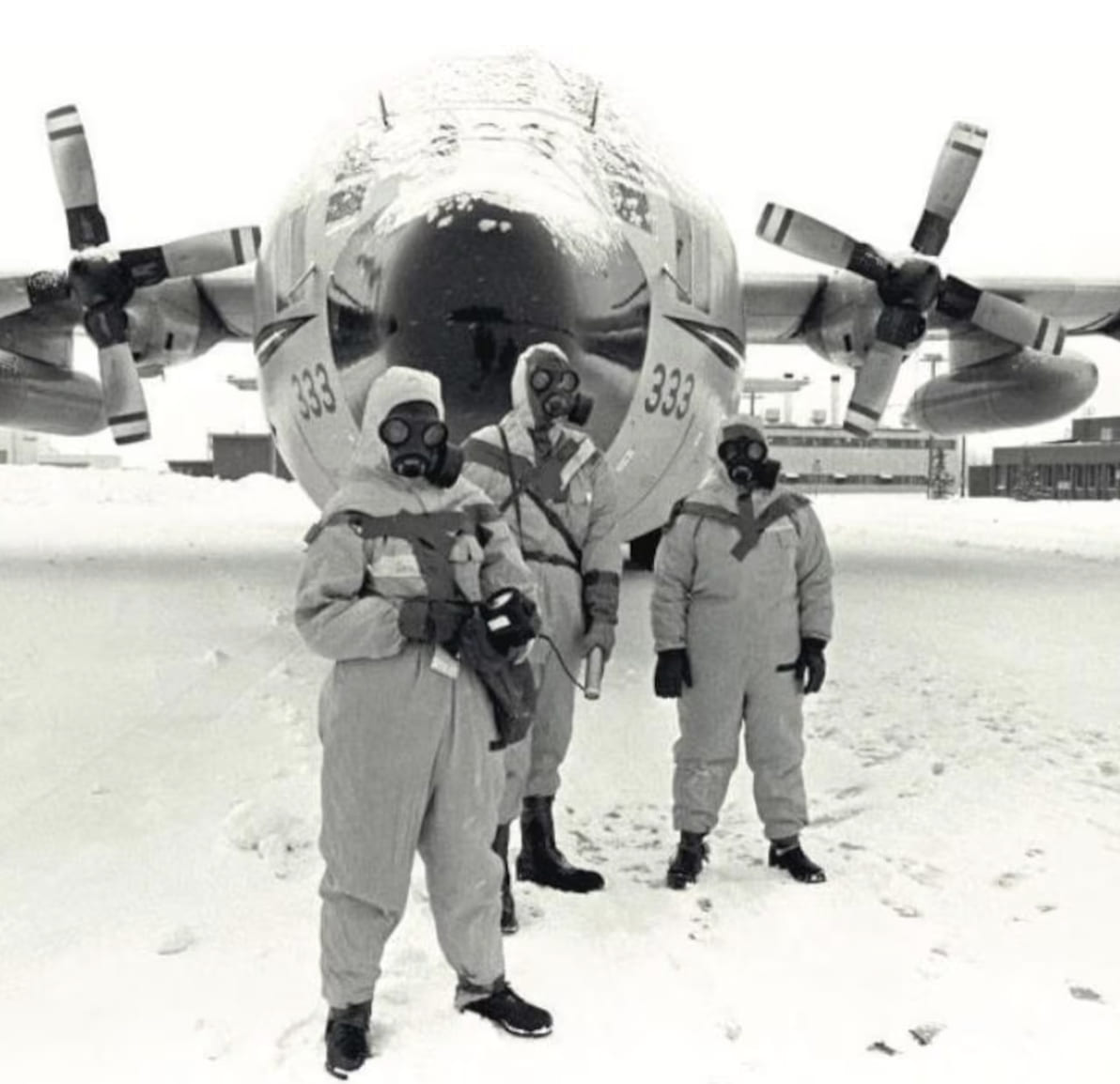
Canada invoiced the USSR for more than 6 million Canadian dollars to cover the costs of searching and cleaning up the area. Moscow paid half of this amount (3 million) in 1981 but never formally acknowledged liability. This remains the only instance in which a state has filed a claim under the 1972 Special Convention, which elaborates on the treaty’s provisions concerning compensation for damage.
Protecting other worlds
Another provision of the treaty addresses the contamination of other worlds. Countries must conduct the exploration of celestial bodies in a manner that avoids introducing bacteria and prevents harmful changes on Earth resulting from substances brought back from other worlds. Accordingly, Mars rovers are assembled in specialized clean rooms, and certain components are heated before launch to destroy any living organisms on their surfaces.
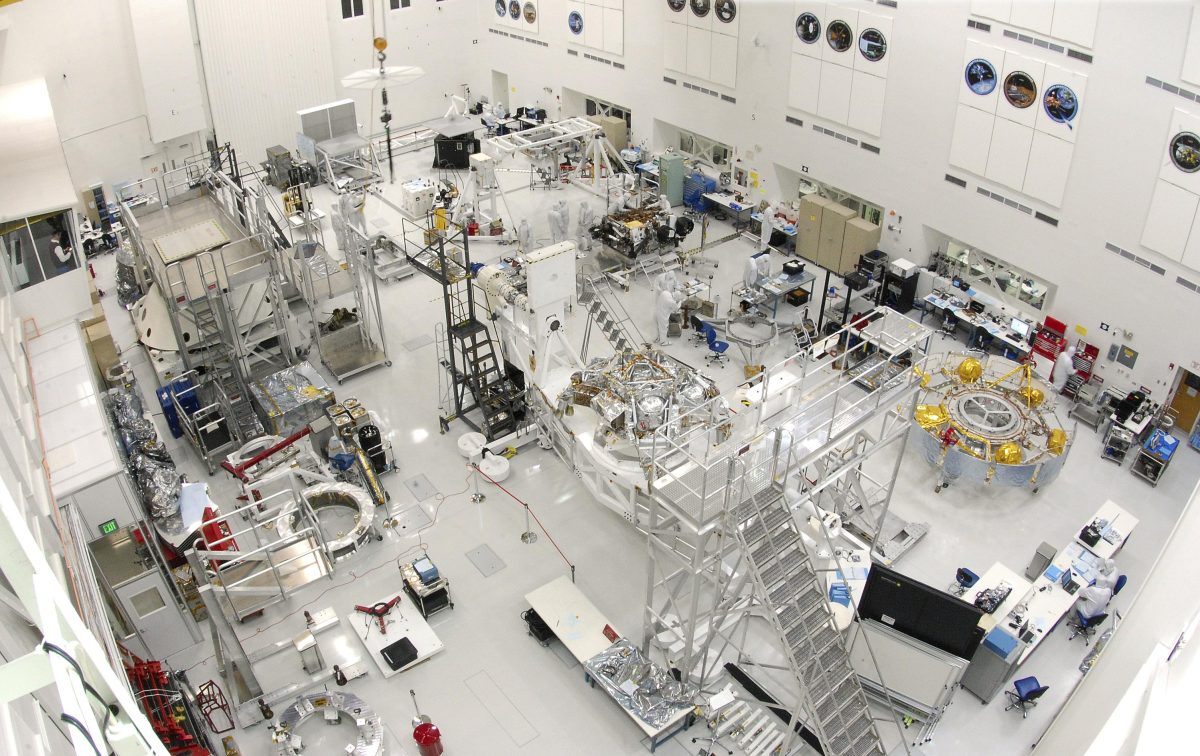
The objective is straightforward: if microorganisms are discovered on Mars or elsewhere, scientists must be able to determine with certainty that they were not transported there from Earth.
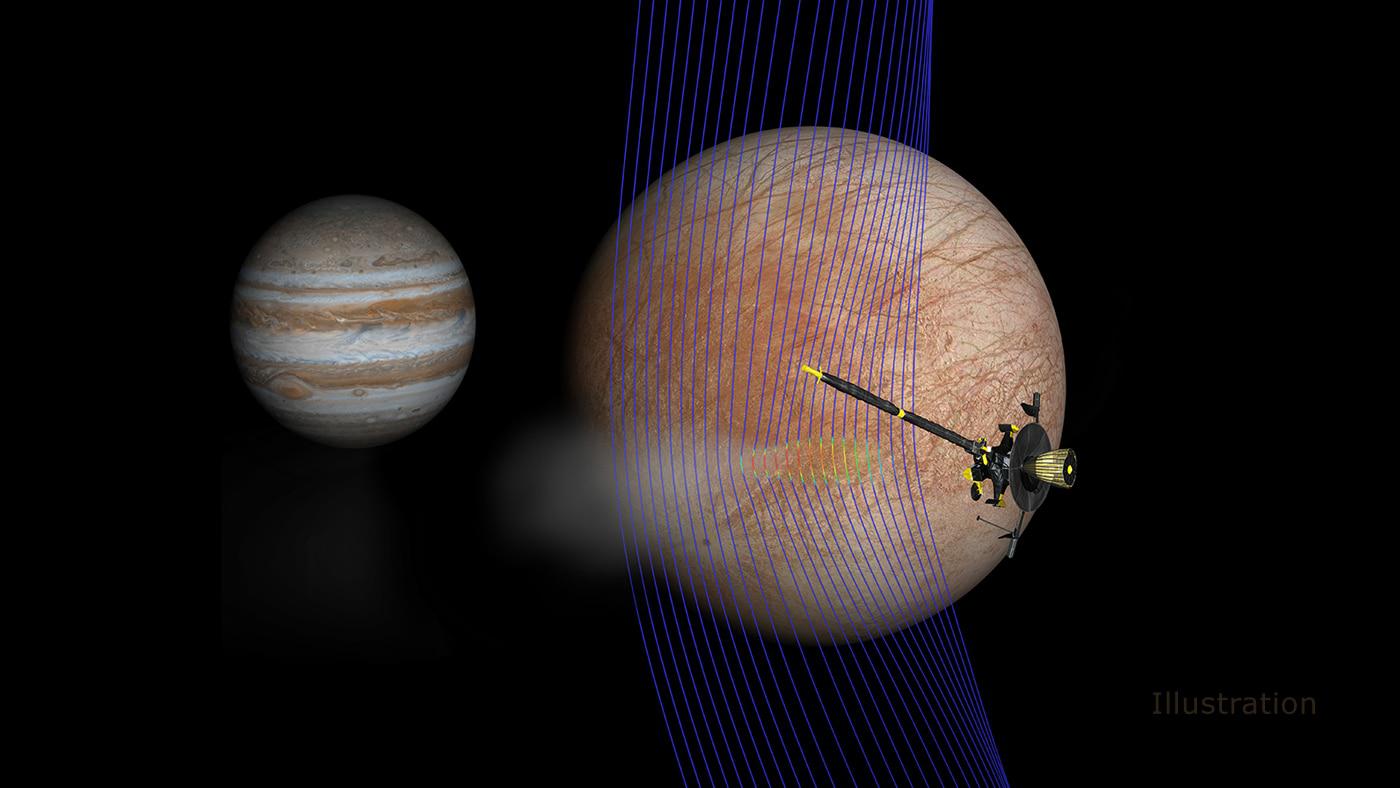
This requirement was most fully fulfilled at the conclusion of two missions to the giant planets. The Galileo spacecraft, which had been studying Jupiter since 1995, was deliberately directed into the planet’s atmosphere in September 2003. This measure eliminated the risk that it might one day collide with Europa, an icy moon. Beneath its surface, there is likely an ocean of liquid water in which life could theoretically exist.
Fourteen years later, the same procedure was carried out with the Cassini spacecraft. During the mission, researchers discovered that jets of water were erupting from a subsurface ocean beneath the icy surface of Enceladus, one of Saturn’s moons. Had Cassini run out of fuel, it would have become impossible to control, potentially resulting in a collision with Enceladus or neighboring Titan. Accordingly, on September 15, 2017, the spacecraft was directed into Saturn’s atmosphere, where it burned up.

Source: NASA
Rules requiring amendment
The treaty was drafted when only the USSR, the United States, and France possessed their own space-launch vehicles. Today, thousands of satellites orbit Earth, a substantial proportion of which were launched by private companies, and dozens of countries are planning lunar missions. The text makes no direct reference to resource extraction, space debris, or collisions involving a country’s own spacecraft.
These gaps are being addressed through separate agreements, around which two major coalitions have already formed. Seventy-six countries have joined the Artemis Accords, while China and Russia are developing their own proposal for an international research station on the Moon. Disputes over the rights to extracted resources are likely to become a practical concern as soon as the first minerals are mined there.
