

The dispute over Starlink’s entry into the Indian market has become public. Elon Musk accused unnamed oligarchs of blocking satellite internet and hinted at billionaire Mukesh Ambani’s excessive influence. The Indian government rejected these allegations and insists that all satellite operators undergo the same procedures.
Years of Waiting
SpaceX is now in its sixth year of trying to enter a market with more than a billion internet subscribers. Starlink delivers internet access through satellites in low Earth orbit, allowing the service to operate where terrestrial networks are unavailable. Commercial services are still unavailable in India, despite the company having secured key regulatory approvals and signed partnership agreements with operators Reliance Jio and Bharti Airtel last year.
The company first attempted to launch the service in India in 2021. By early 2022, it had refunded equipment preorders. At the time, the government reminded the company that it could not accept service reservations before obtaining a license.
Infrastructure is already in place in the country. According to TechCrunch, the company says that more than 20 gateway stations and hundreds of antennas are operating in India. Gateway stations connect satellites to the terrestrial internet network. In December, Prabhakar Jayakumar, a former senior executive at Payoneer, took charge of the Indian division.
Accusations and the Government’s Response
On X, Elon Musk accused unnamed “oligarchs” of delaying Starlink’s launch to maintain monopoly control over the market. He provided neither names nor evidence. He called the obstruction a crime against the people of India and stressed that the service could provide affordable high-speed internet to those without connectivity.
A few hours later, India’s Ministry of Communications responded that the country’s satellite communications regulations are fair and nondiscriminatory. According to the ministry, Starlink and two other licensed operators are at roughly the same stage. Each is undergoing security checks, a prerequisite for seeking spectrum—the radio frequencies satellites use to transmit signals.
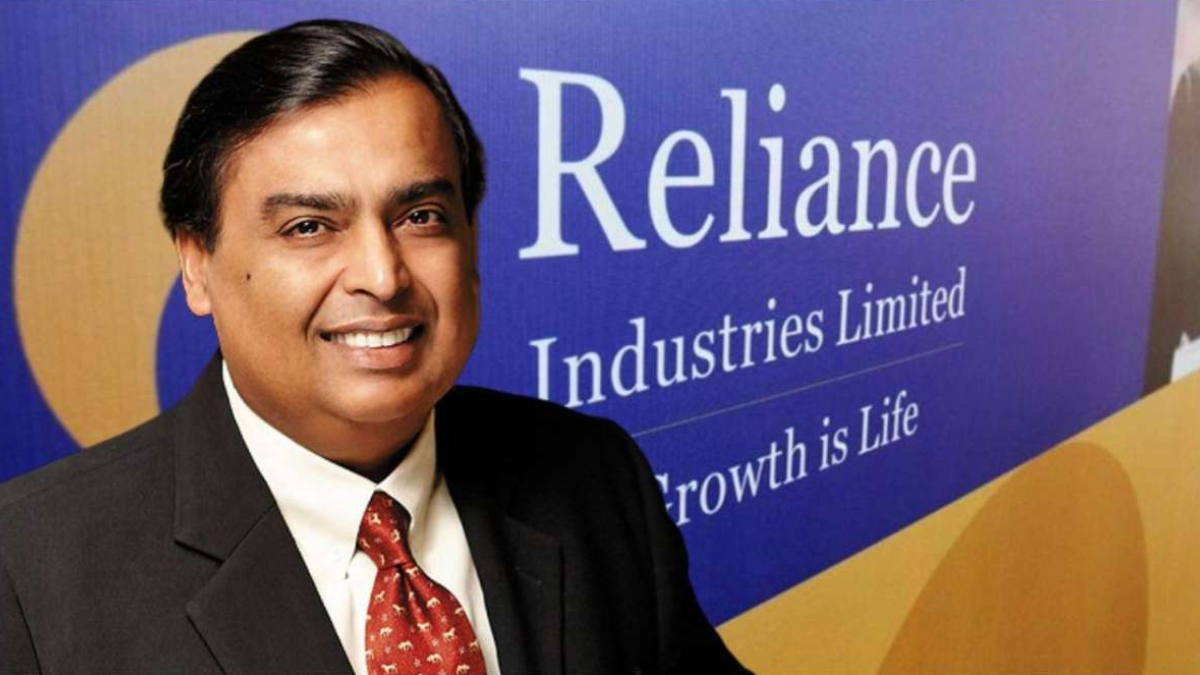
The following day, Elon Musk asked on X whether Mukesh Ambani was actually running India. Ambani heads Reliance Industries, the corporation that owns Reliance Jio. Earlier, Musk had stated that his company had spent years complying with Indian requirements but still, according to him, had no license.
Partners and Competitors
Tensions between Starlink and the country’s largest operators have arisen before. The company advocated administrative allocation of satellite spectrum. Reliance Jio, meanwhile, demanded an auction, which could have made Starlink’s market entry more expensive. The government ultimately chose the administrative approach.
Reliance Jio and Bharti Airtel agreed to distribute Starlink equipment while also developing their own satellite services. Reliance Jio is working with satellite operator SES. Bharti Airtel is a major investor in Eutelsat OneWeb, another operator holding an Indian license.
Other Markets
The India Mobile Congress conference in New Delhi took place a few hours before Elon Musk’s posts. According to Lauren Dreyer, Starlink’s vice president of business operations, the company is ready to operate in India and help achieve Prime Minister Narendra Modi’s goal of nationwide connectivity.
In neighboring Bangladesh, Starlink Mobile, which connects ordinary smartphones to satellites, launched this week. In Ukraine, the journey from a request to an operational service took only a few days. On February 26, 2022, the Minister of Digital Transformation publicly appealed to Elon Musk. Within hours, Musk announced that the service had been activated, and the first terminals arrived on February 28.