

At the end of September, the super-heavy Starship rocket is expected to reach Earth orbit for the first time. All previous test flights were deliberately conducted below the speed required to enter orbit. This time, a batch of next-generation Starlink satellites is planned to remain in orbit. The launch date was recently moved back by one week.
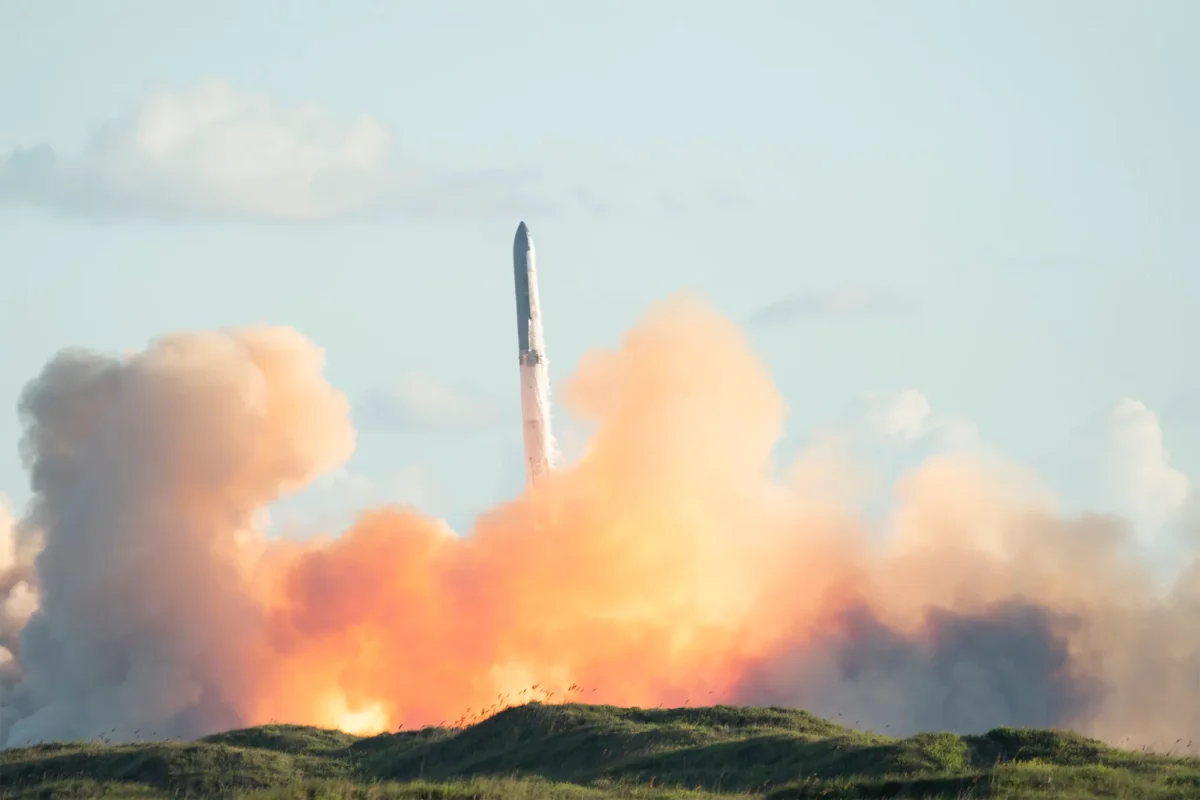
Launch Window on September 28
The launch window opens on September 28 at 3:15 p.m. Kyiv time and lasts 75 minutes. The flight was initially planned for September 22, but the company postponed the attempt.
For Starship, this will be the fourteenth test flight, although the first to reach orbit. It will also be the second since SpaceX went public in June in what became the largest IPO in history.
Second-Stage Flight Path
The second stage is expected to climb to an altitude of about 275 kilometers and complete approximately six orbits around Earth. The entire mission will last almost 10 hours. It is planned to end with a controlled atmospheric reentry and splashdown in the Pacific Ocean west of Chile, according to the flight description on SpaceX’s website.
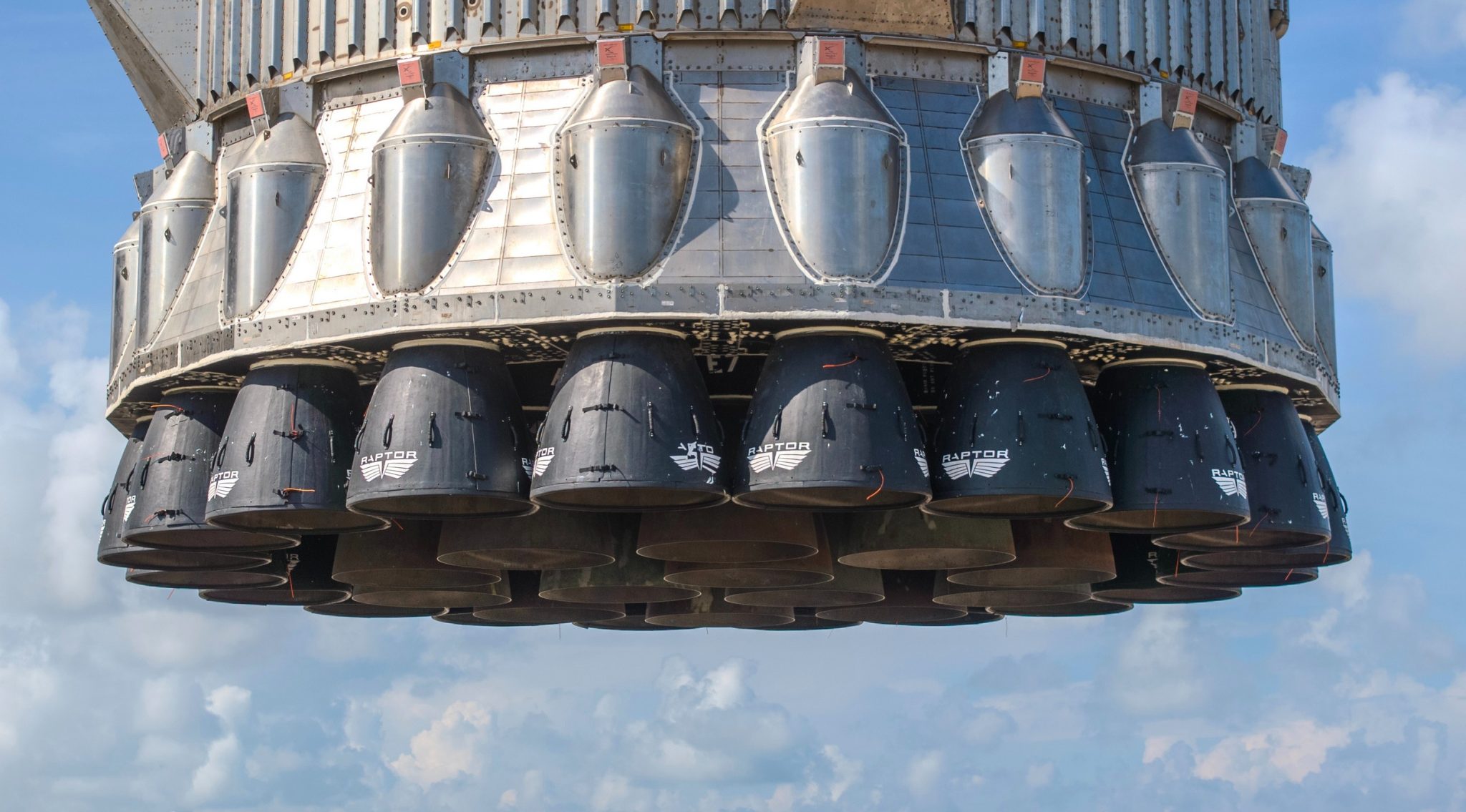
The spacecraft will leave orbit using a single Raptor engine. The burn to enter orbit will be performed only after the control team confirms sufficient redundancy in the systems required for the deorbit burn at the end of the mission.
First Starlink V3 Satellites to Join the Network
There are 26 third-generation Starlink satellites on board. For the first time, they are intended to remain in the constellation rather than be deorbited. After separation, the spacecraft will deploy their antennas and solar panels, raise their altitude using their own engines, and begin serving customers within a few weeks. Each satellite adds 1 Tbps of capacity to the network, for a total of 26 Tbps in a single flight.
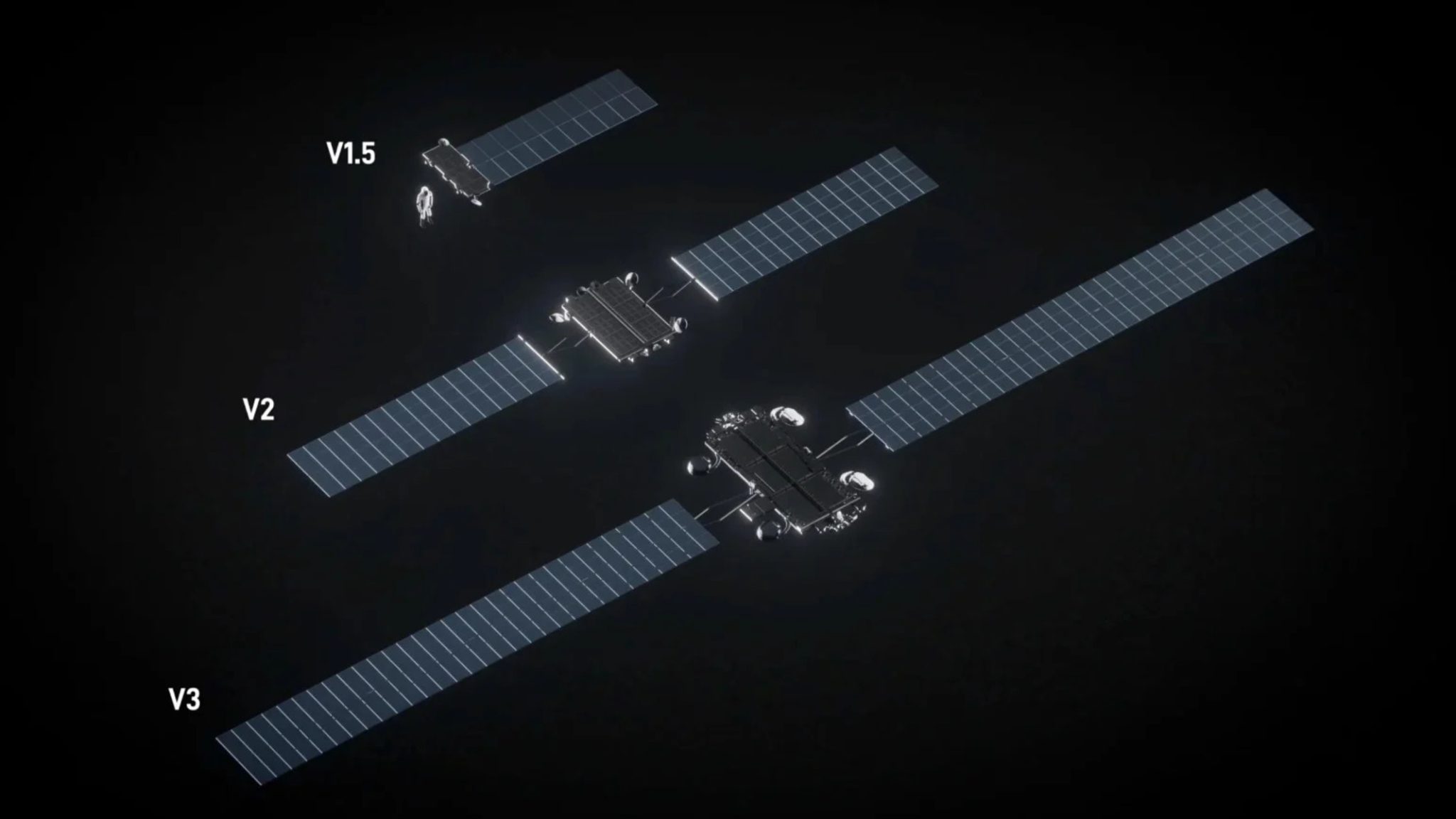
During Flight 13 in July, there were 20 such spacecraft. The trajectory was deliberately chosen to be suborbital, so all of them burned up in the atmosphere about 20 minutes after separation, as we reported earlier. Contact was established with each one, and telemetry was received.
Problems with the Booster
During the July flight, the braking maneuver for Super Heavy’s return was performed using all 33 engines for the first time. Near the end of the burn, three central engines showed signs of icing, forcing the maneuver to be terminated. Later, before splashdown, only 8 of the 13 planned engines ignited, so the booster hit the water hard.
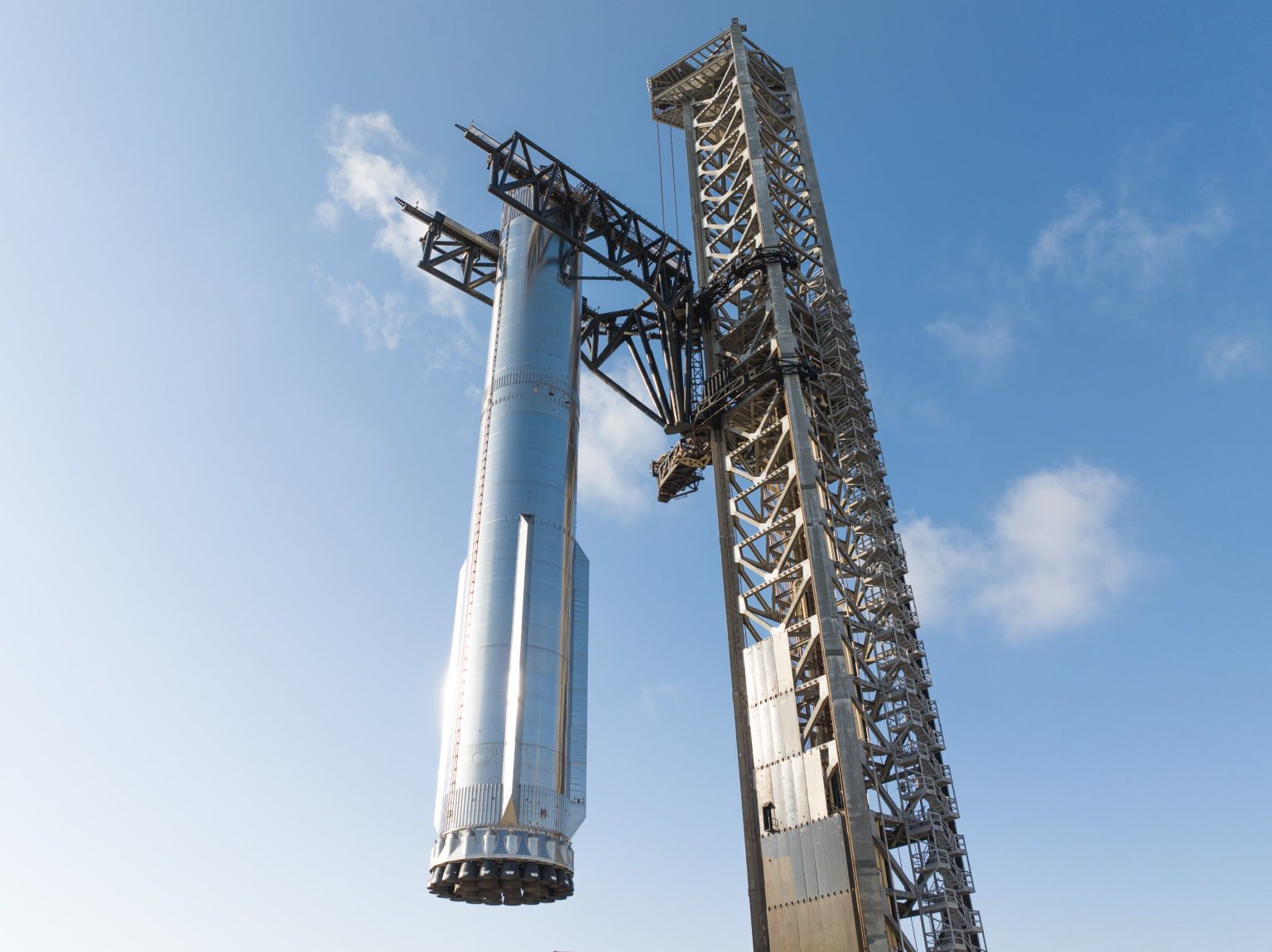
Before the new launch, fuel filtration in the feed system was improved and the software was modified to make engine relight more reliable. The booster will not be caught by the launch tower this time; it will again splash down at sea. Elon Musk has also abandoned an attempt to catch the spacecraft, because an explosion at the current stage would be too costly for the company, TechCrunch reports.
Why the Orbital Flight Was Delayed
None of the previous thirteen flights was intended to be orbital. The spacecraft was deliberately accelerated to a speed below orbital velocity so that it would be guaranteed to reenter the atmosphere even in the event of a complete engine failure. In other words, the company could have reached orbit earlier, but simply did not make it a goal.
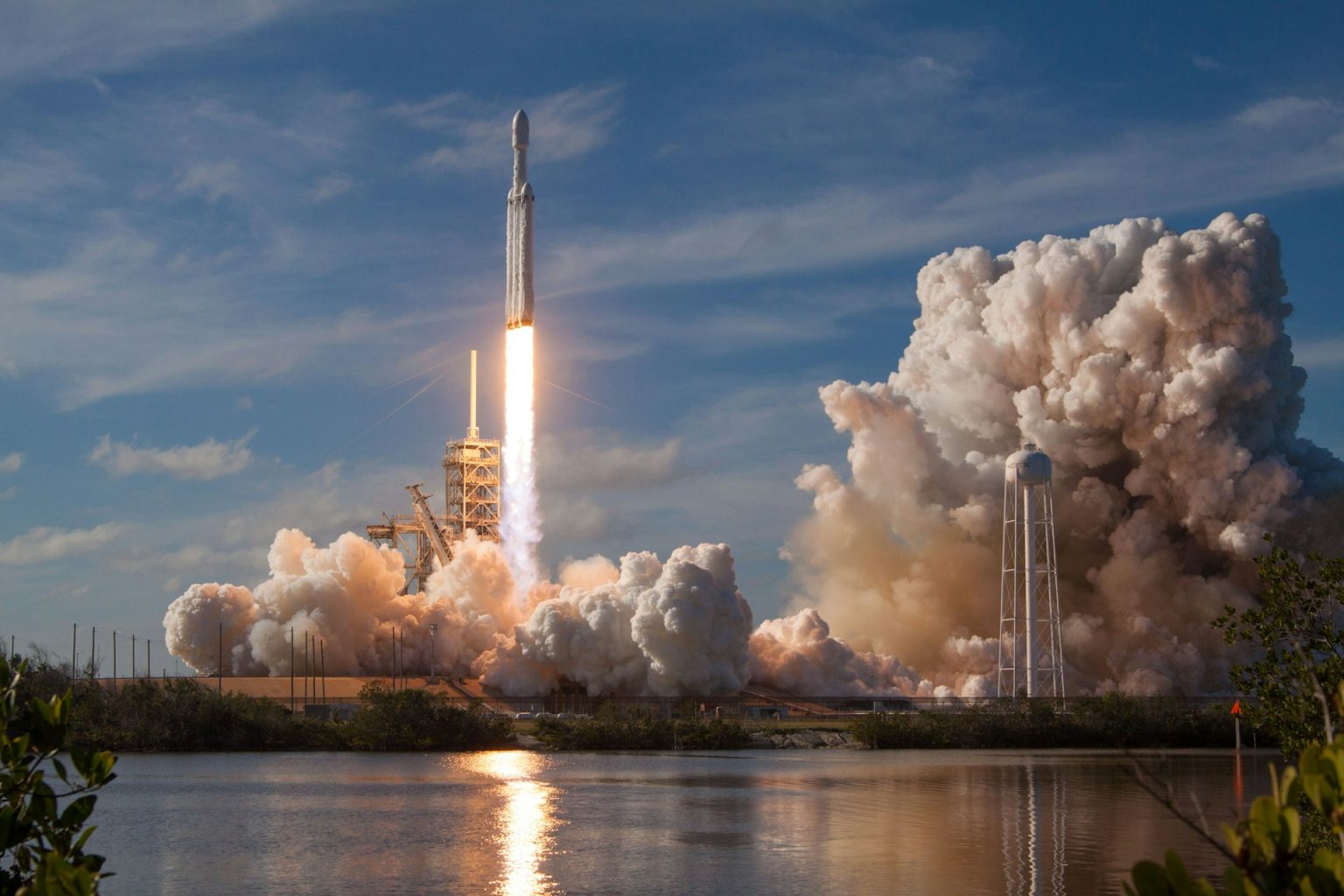
For comparison, Falcon 9 reached orbit on its first attempt back in June 2010. SpaceX now plans to retire both Falcon 9 and the heavier Falcon Heavy once Starship can fly reliably several times a week. Spacecraft recovery and rapid reuse will be tested in future launches.