

Elon Musk’s company has once again confirmed its status as a revolutionary force in the field of astronautics, turning orbital flights into a regular and well-established routine. This week, SpaceX crossed a symbolic milestone — it carried out the 600th launch of a Falcon 9 rocket stage that had already been used before.
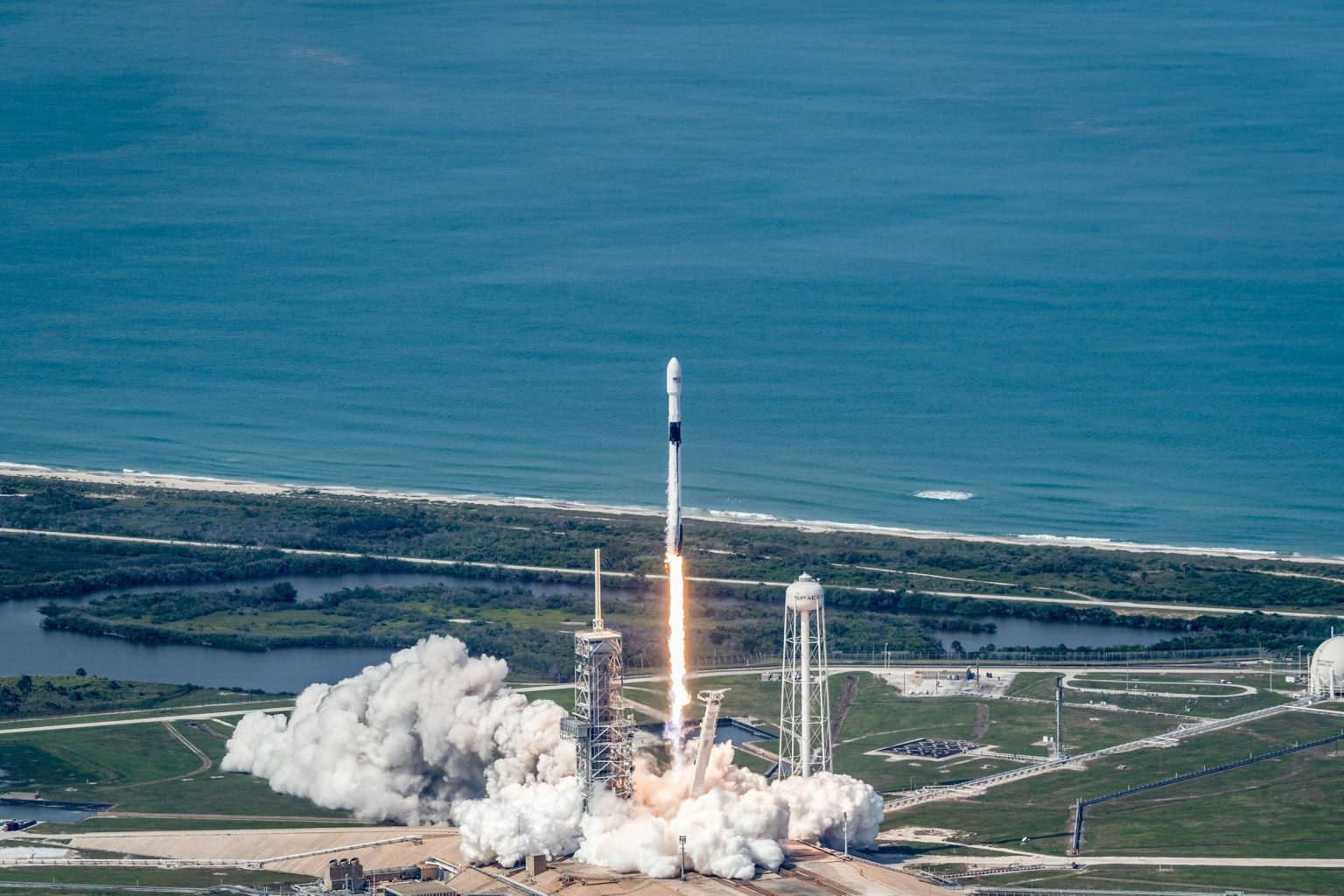
The historic launch as part of the Starlink 10-45 mission took place early in the morning on July 13 from Launch Complex 40 at the U.S. Air Force space base located at Cape Canaveral. Liftoff was scheduled for 5:10 a.m. Eastern Time, or 12:10 p.m. Kyiv time. Brightly illuminating the predawn sky, the Falcon 9 rocket successfully lifted off from the launch pad and headed along a northeastern trajectory.
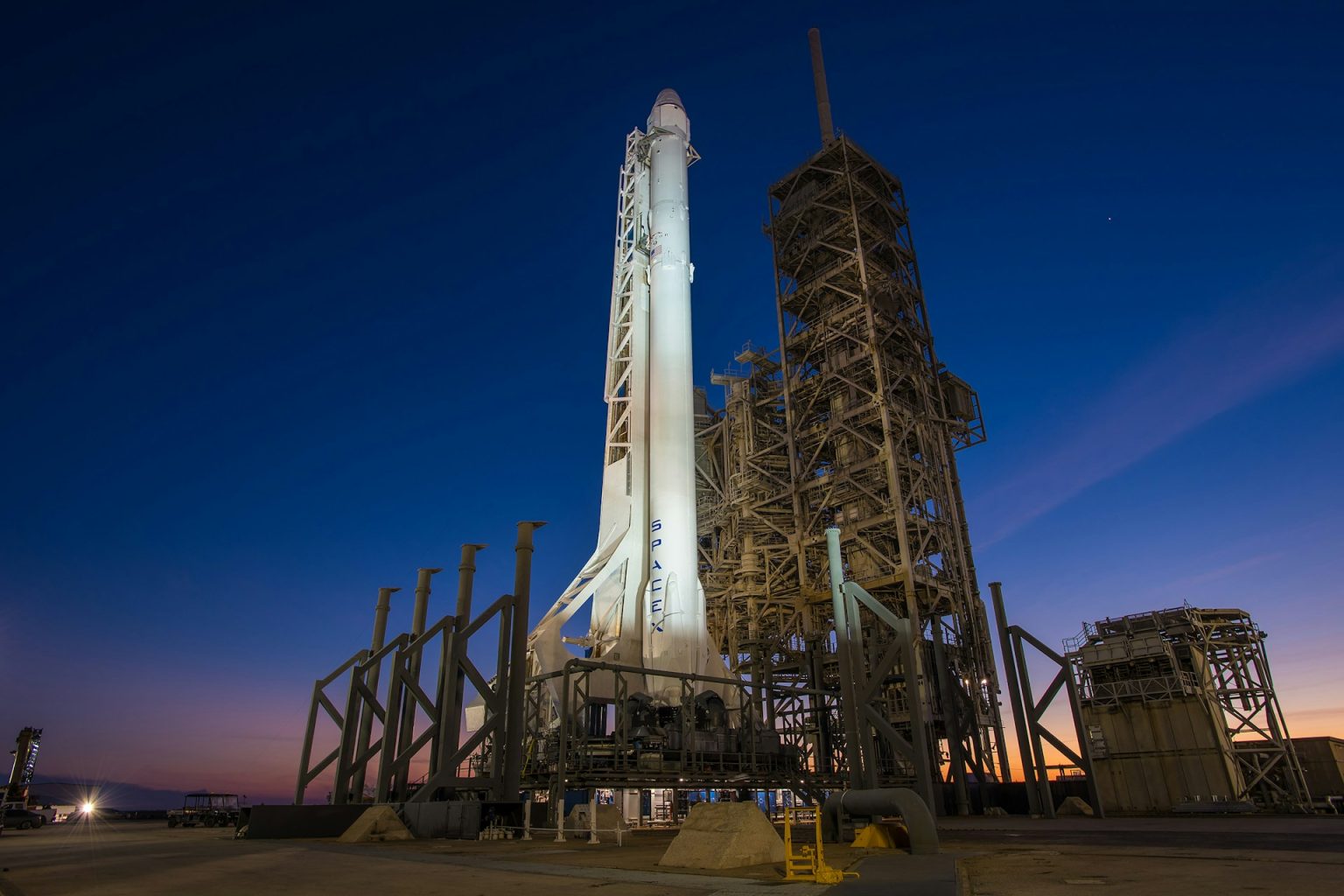
Meteorologists from the 45th Weather Squadron estimated the probability of favorable weather conditions at 90–95%. Although there was a slight risk of lightning due to lingering dense clouds after an evening thunderstorm, they dispersed in time, ensuring the rocket’s safe passage through the atmosphere.
The incredible history of booster B1080
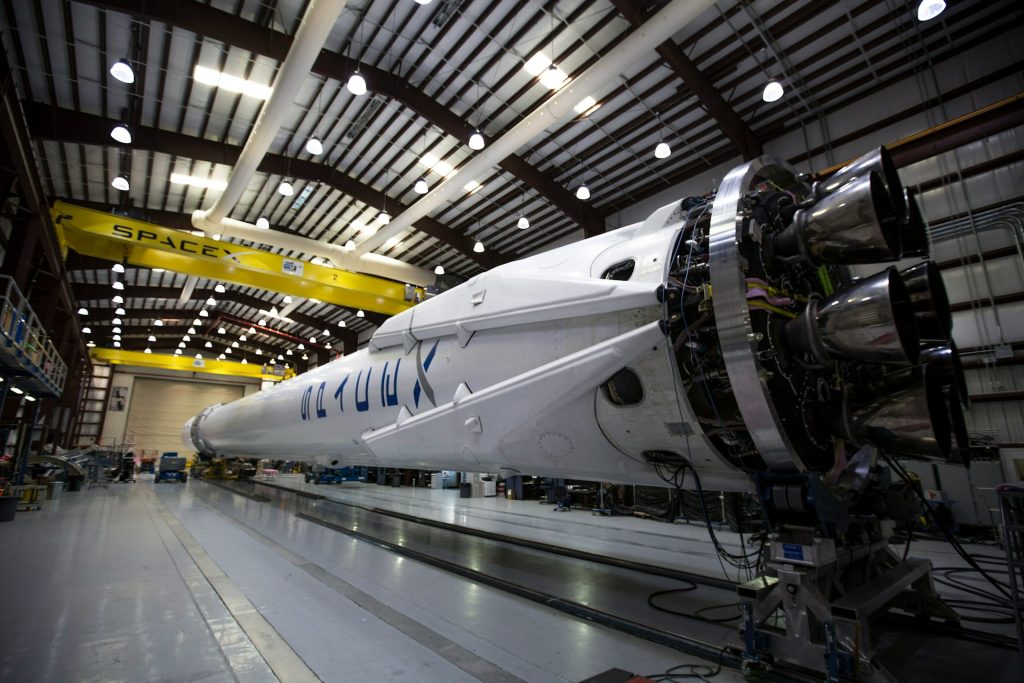
The main star of this mission was the Falcon 9 first stage with the tail number B1080. For this unique component, the flight was already the 28th of its career. Previously, this reusable booster had successfully supported two crewed missions for Axiom Space, placed the Euclid scientific observatory into orbit for the European Space Agency, and helped launch Northrop Grumman’s NG-21 cargo spacecraft.
As has become tradition, 8.5 minutes after launch, the spent B1080 booster made a soft vertical landing on the autonomous droneship A Shortfall of Gravitas, which was waiting for it in the Atlantic Ocean. This landing became the 161st successful finish for this uncrewed vessel and the 638th successful booster landing in the entire history of SpaceX.
The internet constellation continues to grow
The main task of the Starlink 10-45 mission was to deliver a new batch of 29 telecommunications satellites to low Earth orbit. Thanks to this successful launch, the total number of active spacecraft within the global Starlink satellite internet network passed the mark of 10,800 units.
Earlier, we reported on how SpaceX is taking control of fuel.
According to SpaceFlightNow
