

In the deep and dark reaches of space, onboard electronics and fuel operate under the constant threat of overheating. When planning long-duration missions, one of the key challenges for scientists has been understanding the behavior of ultra-cold cryogenic liquids as they boil. They serve as rocket fuel and cool spacecraft systems, yet their physical behavior in microgravity has still contained many gaps in our understanding. A new study conducted by a team of scientists during a series of specialized flights and published in npj Microgravity has produced several unexpected results for physicists.
Surprises of Reduced Gravity
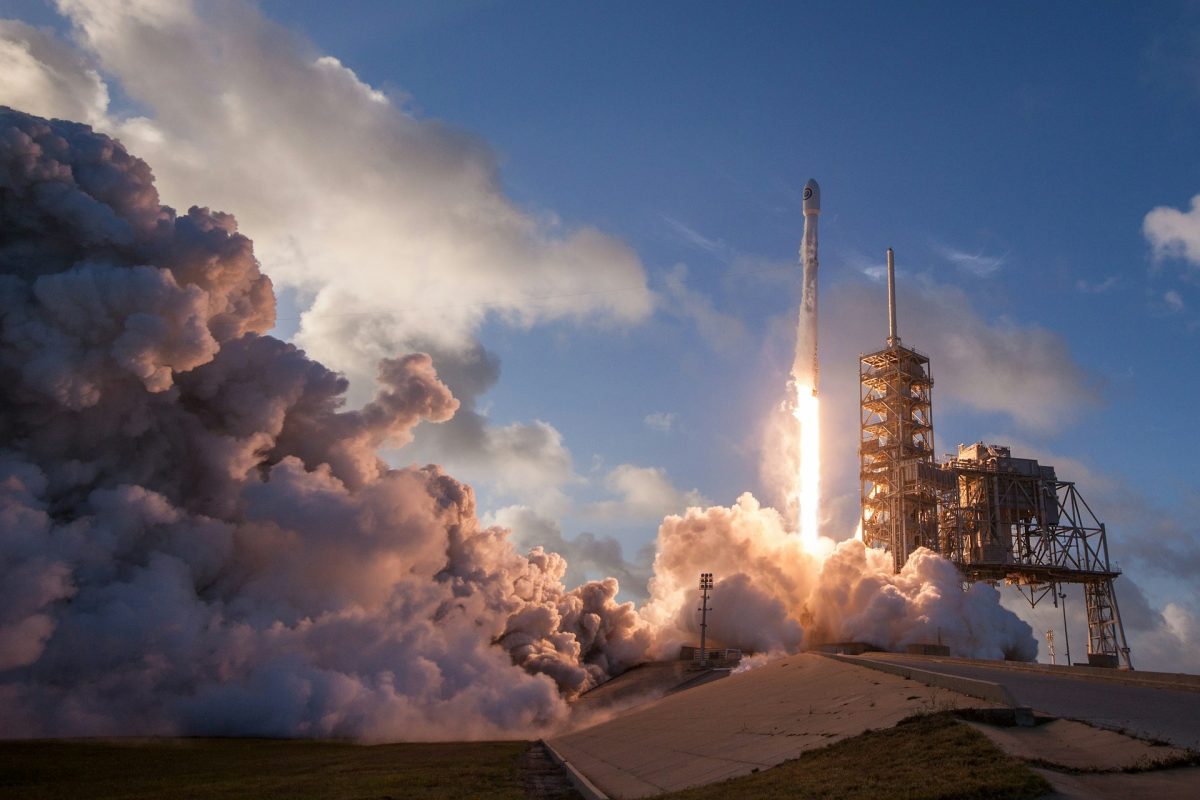
On Earth, the boiling process is predictable: convection circulates heat, while vapor bubbles, due to buoyancy, easily detach from the heater and rise upward. In space, because of the lack of gravity, convection is almost absent and bubbles lose their buoyancy. It would therefore seem logical to assume that heat removal would become significantly less efficient under such conditions.
However, experiments showed the opposite effect: during the initial stages, reduced gravity improved heat transfer.
“We found that up to a certain point, boiling actually became more efficient, which ran counter to our expectations,” explains senior study author Yongsup Song of the University of Florida. “But the problem is that the safety margin drops sharply at the same time.”
As a safe substitute for cryogenic substances, the researchers used liquid nitrogen. The tests were conducted during parabolic aircraft flights that create short periods of weightlessness, after which the results were compared with laboratory tests on Earth.
Mechanics of a Space Bubble
Why does heat transfer improve? In microgravity, bubbles remain directly near the hot wall. A microscopic liquid layer forms between them and the heater, and it removes thermal energy surprisingly efficiently.
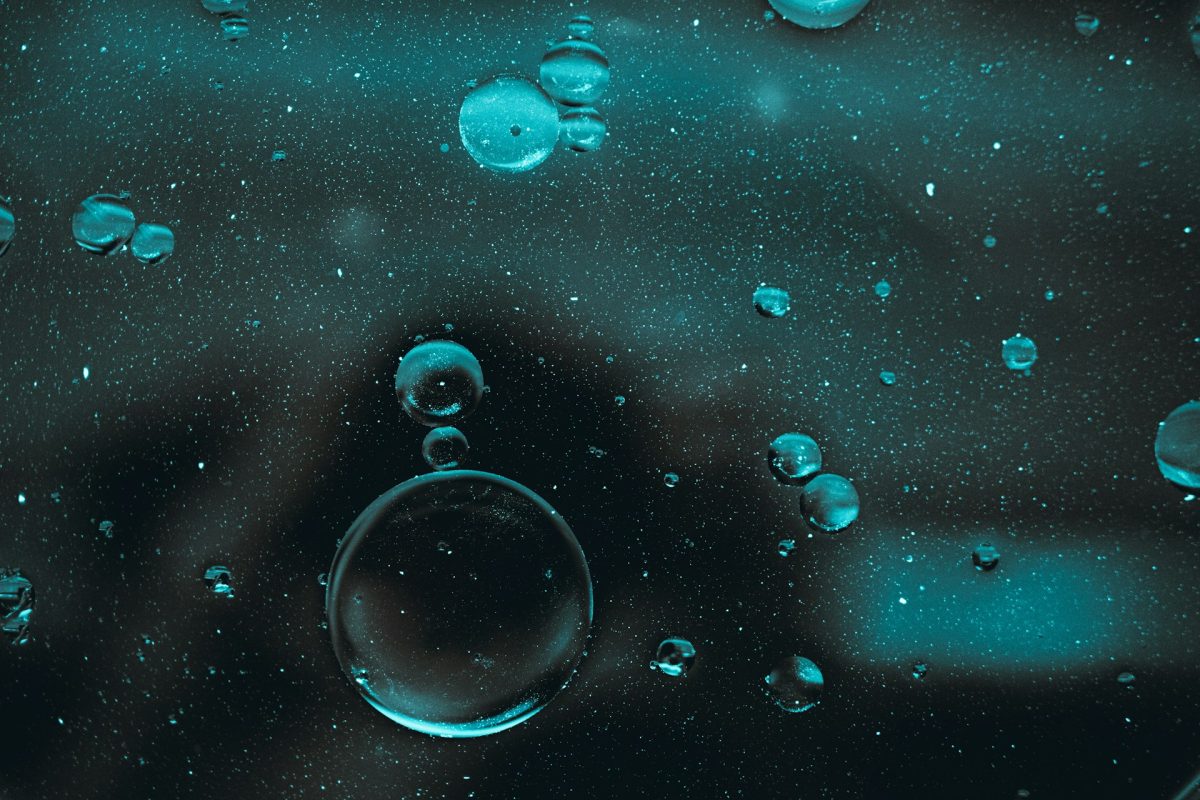
But this advantage works only up to a certain limit. Once the thermal threshold is exceeded, boiling becomes unstable. The bubbles begin to merge with one another, forming a dry layer, causing the cooling mechanism to fail almost instantly. The researchers found that the maximum amount of heat that liquid nitrogen can remove in space decreases by 65% compared with conditions on Earth.
The Ideal Surface for Deep-Space Missions
To ensure the purity of the experiment, Song’s team used an innovative approach: the heater was a silicon wafer coated with silicon dioxide, polished to an almost perfect condition. Previous experiments using standard metal components produced contradictory data precisely because of microscopic defects in the metal, which distorted the bubble-formation process.
This discovery will change the approach to spacecraft design. For long-duration missions into deep space, cryogenic fuel must be stored without boiling for as long as possible. Adjusting the chemical composition and structure of tank surfaces could artificially suppress bubble formation and delay the onset of boiling, making future missions significantly safer.
Earlier, we reported on how bacteria can produce rocket fuel.
According to sciencealert.com