

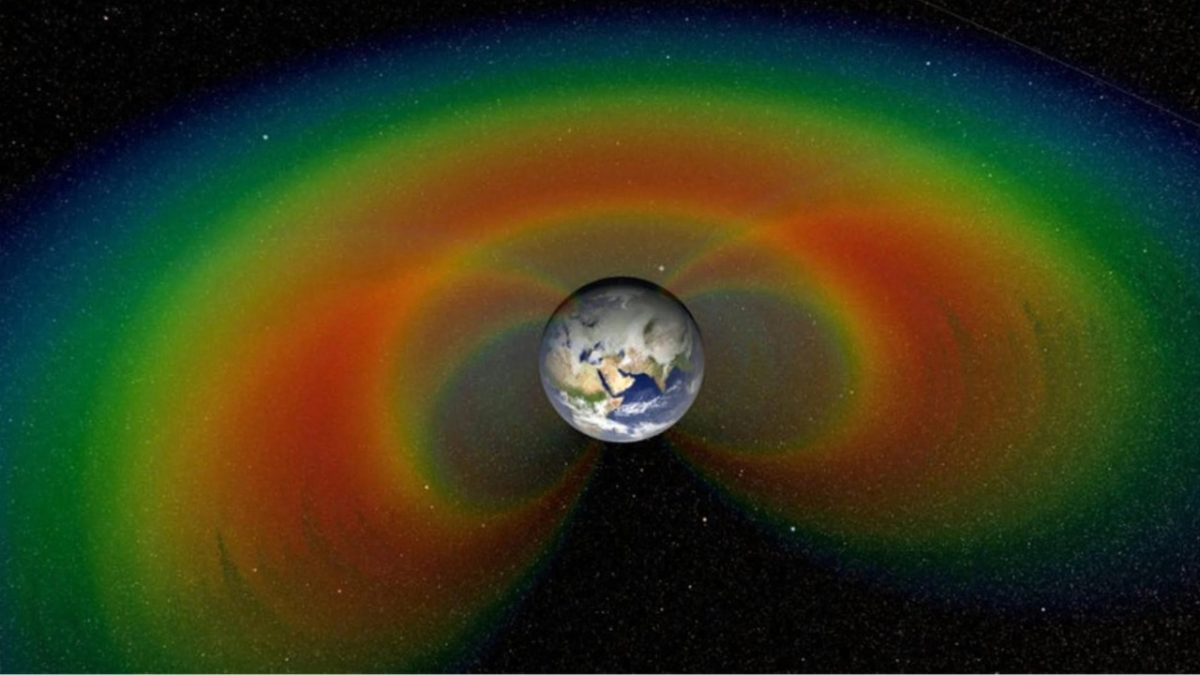
For the first time, four distinct electron belts have been observed around Earth instead of the usual two. They appeared after the strongest geomagnetic storm in two decades and lasted for several weeks. A third belt, which had previously been observed only once, has since reappeared following several storms. The authors link the formation of additional belts to the fact that the empty gap between them now forms closer to Earth than it did during the previous solar cycle.
Four belts instead of two
Earth is usually surrounded by two radiation belts, first discovered in 1958 using data from the first American satellite, Explorer 1. These are regions where the planet’s magnetic field traps charged particles, with an almost empty gap between them. After the geomagnetic storm on May 11, 2024, the number of electron belts increased to four. This structure is visible in data from the Energetic Particle Telescope (EPT) aboard the ESA satellite PROBA-V. On November 16, 2026, a team led by Viviane Pierrard of the Royal Belgian Institute for Space Aeronomy published the results as a short commentary in the journal npj Space Exploration.
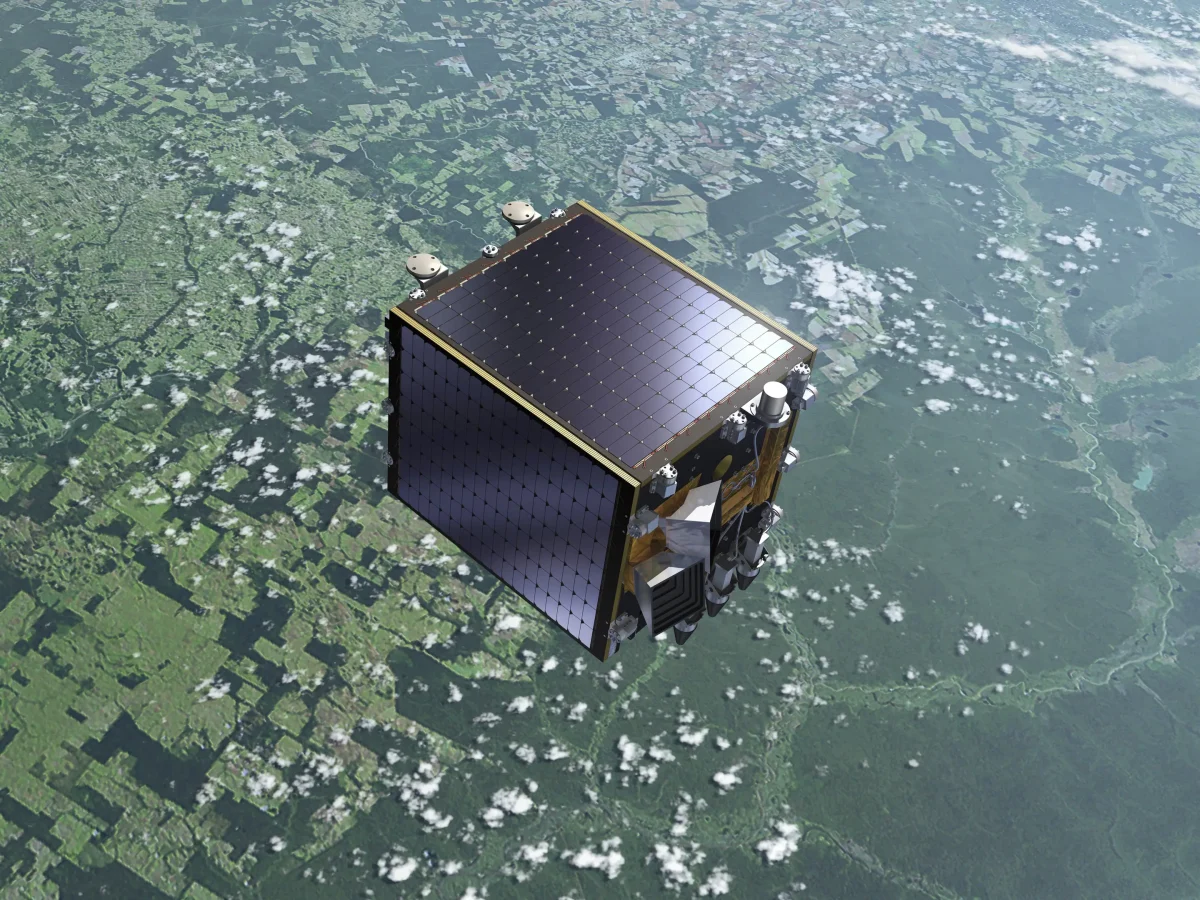
The satellite orbits at an altitude of 820 km, but the magnetic field lines along which the particles travel descend to lower altitudes near the poles. The spacecraft, which follows a polar orbit, crosses all of them, and the measurements are then mapped along the field lines to the full altitude range of the belts.
The distribution of these particles determines the radiation exposure of spacecraft and people. Energetic particles damage electronics and solar panels, while increasing the risk of cancer and cataracts for astronauts.
How the belts split apart
The storm pushed electrons into the gap between the belts. The depth of penetration depends on the storm’s intensity and the energy of the particles, and this time some of them accumulated at a distance of approximately two Earth radii from the planet’s center. Within a few days, the familiar gap had also reappeared, so moving outward from Earth, the structure consisted of the inner belt, a narrow gap, the newly trapped electrons, the usual gap, and the outer belt.
In June, another gap formed in the middle of the outer belt, bringing the total number of belts to four. It extended at an altitude of 16,000–18,000 km above the equator, slightly below the orbits of GPS and Galileo navigation satellites. Such gaps form mainly because of very-low-frequency radio waves. These waves change the angle between an electron’s direction of motion and the magnetic field line, causing the particle to travel down the field line toward the atmosphere, where collisions with gas atoms slow it down.
The new structure lasted for more than four weeks. At the end of June, another storm replenished the outer belt, and by August only the usual two belts remained.
The third belt returns
Three belts were first observed on September 2, 2012, in data from NASA probes, and no similar occurrence was recorded again until 2024. They were subsequently detected after four more geomagnetic storms: in October 2024, June 2025, and February and July 2026.
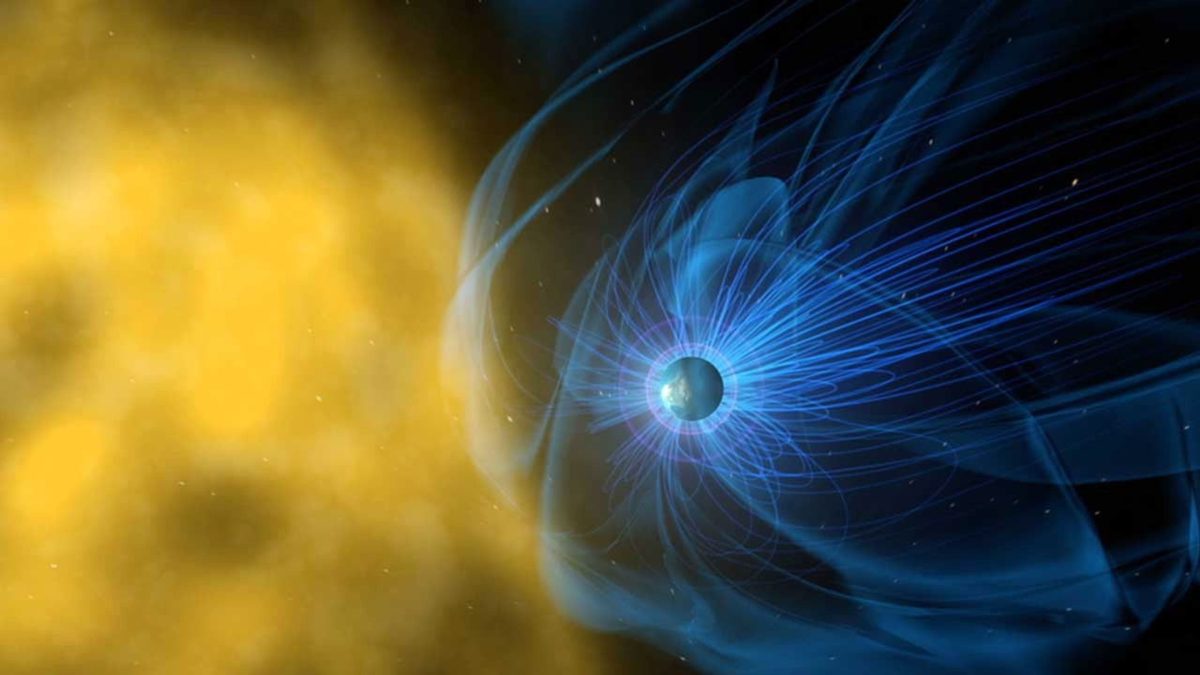
During the previous solar maximum in 2014 and 2015, this did not happen because electrons were immediately transported into the inner belt after storms. The May 2024 storm, however, occurred during the maximum of Solar Cycle 25. This time, the main gap is forming at a lower altitude than before, probably because of natural radio waves that become stronger during geomagnetic disturbances.
There may also be a human contribution, since powerful transmitters used to communicate with submarines also send electrons into the atmosphere. As ScienceAlert reports, Viviane Pierrard believes that new mechanisms governing the loss or retention of particles have recently emerged.
The team will test these explanations using computer models. The results will determine whether satellite operators need to account for additional belts in space weather forecasts.
