

The future of satellite internet will begin with a very short flight. On July 16, Starship will carry 20 third-generation Starlink satellites into space for the first time. These satellites are capable of delivering gigabit data speeds to consumers. Just twenty minutes after separating from the launch vehicle, they will enter the atmosphere and burn up. None of them will remain in orbit because the flight will be suborbital.
Suborbital Mission
Starship will conduct a suborbital flight, meaning it will not complete a full orbit around Earth. The trajectory has been deliberately selected to ensure that the satellites leave it and burn up in the atmosphere during reentry. According to PCMag, the launch has a purely experimental purpose: to test Starship’s ability to carry and deploy the new generation of satellites.
During the previous flight in May, the spacecraft carried only steel simulators replicating the mass and dimensions of the V3 satellites. This time, the company will obtain real data on satellite performance in space, although only for a short period. Six of the twenty satellites have also been equipped with cameras to collect thermal data on Starship’s heat shield during reentry.
In addition to deploying the satellites, Flight 13 is expected to complete two other key objectives that were not achieved during the May flight. These include restarting the upper stage’s Raptor engine during the coast phase—the period when the engines are shut down and the spacecraft moves by inertia—and performing a controlled landing of the Super Heavy booster in the Gulf of Mexico. SpaceX now says it has introduced hardware modifications to improve the reliability of engine relighting.
Overview of the key objectives of Starship’s 13th test flight, including the deployment of Starlink V3 satellites. Video: Spaceflight Now
A Leap in Performance
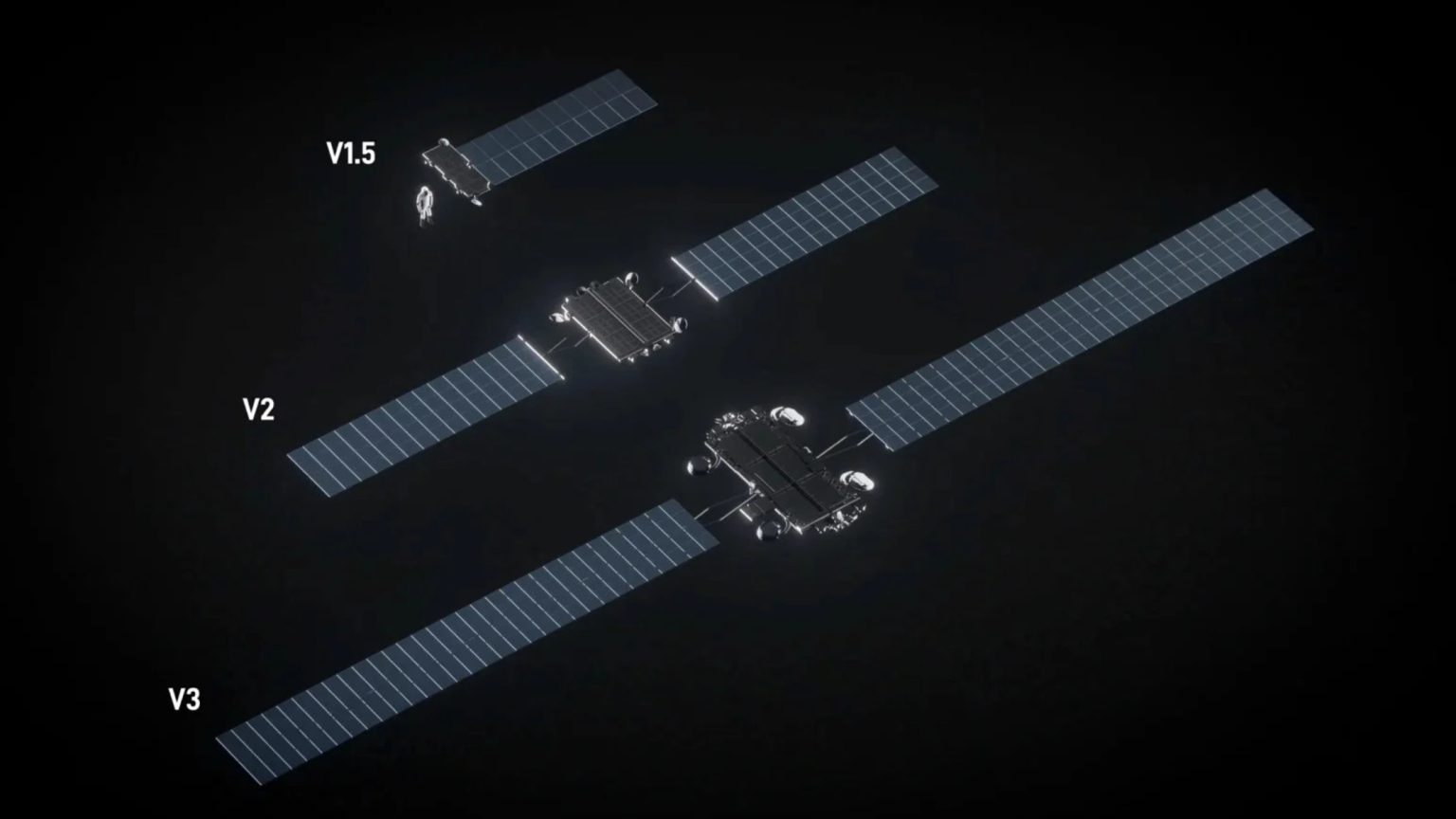
There is an enormous gap between the second and third generations of Starlink satellites. V2 Mini satellites weigh up to 600 kilograms, while each V3 satellite weighs between 1,500 and 2,000 kilograms. Each new satellite can provide up to 1 Tbps of capacity, ten times the performance of its predecessors. Uplink capacity has increased twenty-fourfold.
These specifications mean that Starlink will be able to compete with terrestrial fiber-optic networks for the first time. There is, however, one limitation. Because of their considerable size and mass, V3 satellites cannot be launched aboard Falcon 9. Only Starship is capable of carrying up to 60 of them in a single flight. According to the company’s regulatory filings, one such launch would add a total of 60 Tbps of capacity to the constellation.
The comparison of cost per unit of capacity is even more striking. A Falcon 9 launch costs an external customer approximately $74 million and adds about 2.5 Tbps of capacity. Starship is estimated to cost less than $10 million per launch while delivering twenty-four times more capacity. According to these calculations, the cost per gigabit per second would fall by more than an order of magnitude.
Testing Ahead of Deployment
SpaceX plans to launch operational V3 satellites by the end of 2026. Before that can happen, the company must demonstrate that Starship can reliably complete full orbital flights and that the satellites can deploy and activate correctly after separation. If the July 16 flight is successful, the next test could already be orbital.
A separate series of challenges involving ground infrastructure also lies ahead. SpaceX has already presented a new generation of terminals that are more compact, more convenient for travel, and optimized for V3 capabilities. However, the true transition to gigabit satellite internet will begin only when hundreds of upgraded satellites reach their operational orbits.
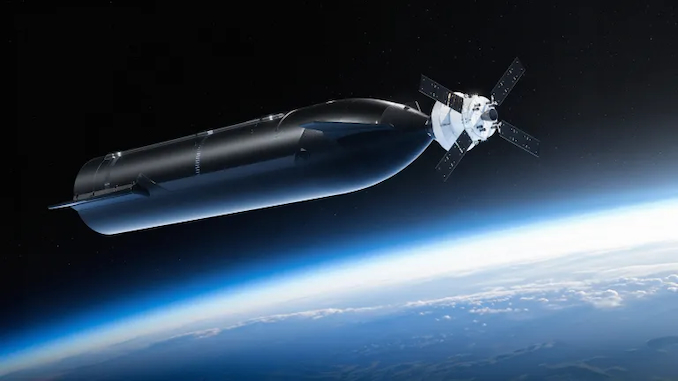
Starship’s success is important not only for Starlink. NASA is relying on a modified version of Starship V3 equipped with a docking adapter as part of the Artemis III mission as early as next year. The crew will not enter Starship, but the interaction between the two spacecraft will be tested when Orion docks with the lunar lander. According to Spaceflight Now, this is one of the key stages preceding the Moon landing.
