

A bold mission to save one of NASA’s most important space observatories from burning up in the atmosphere is facing serious challenges. Still, there is hope for success. Scientists hope that both spacecraft will be able to overcome the obstacles in space and complete the mission as planned.
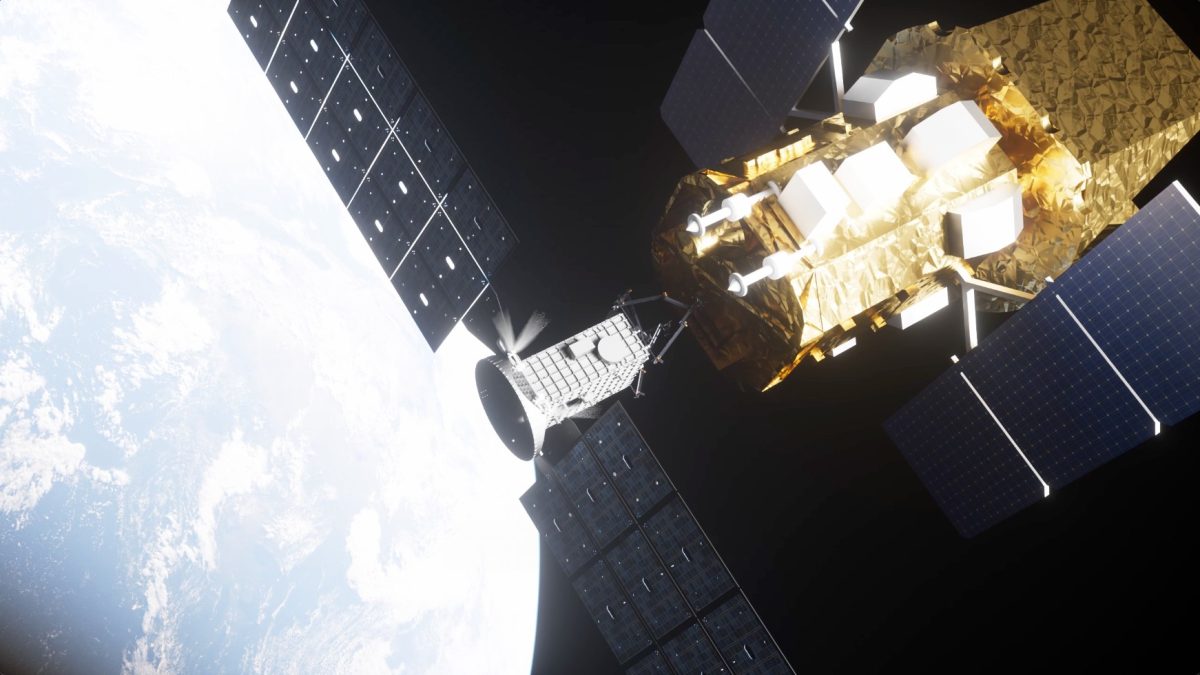
For nearly 22 years, the Neil Gehrels Swift Observatory has served as an indispensable tool for astrophysicists. Operating in low Earth orbit, the telescope has functioned as NASA’s “cosmic ambulance,” rapidly changing its orientation to capture comet outbursts, black hole mergers, and other sudden events.
Recently, however, the observatory has become a victim of space weather. Increased solar activity has raised the density of the upper atmosphere, causing the spacecraft to lose altitude rapidly. According to experts’ forecasts, once Swift descends below 300 km, the telescope will be doomed. Without outside intervention, it will enter the dense layers of the atmosphere as early as this autumn.
Since there are no plans to build a new telescope with similarly unique capabilities, the agency decided that saving the veteran observatory would be more cost-effective.
Record-Breaking Launch of a Space Tug
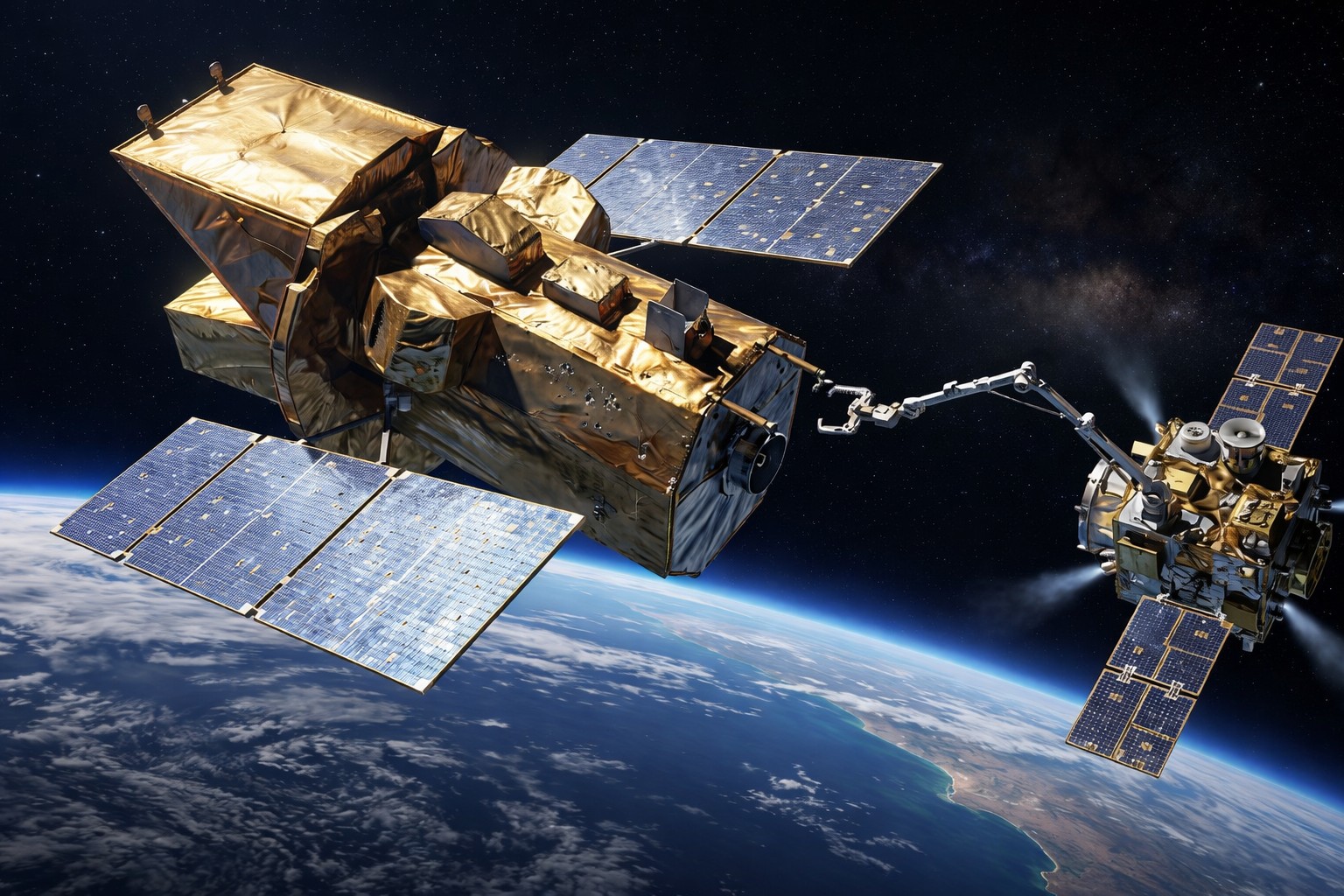
To carry out the mission, NASA turned to Arizona-based Katalyst Space Technologies. In an extraordinarily short period—just nine months—engineers designed, built, and tested the robotic LINK satellite. Its main objective is to locate Swift in space, dock with it, and use its own engines to raise the telescope to a safe orbit.

LINK was launched on July 3. The spacecraft traveled into space aboard a Northrop Grumman Pegasus XL rocket, which was released in midair from a modified L-1011 Stargazer carrier aircraft. At first, everything went perfectly: the satellite successfully deployed its solar panels, activated its systems, and established communications.
Emergency Tumbling in Weightlessness
However, on July 25, the mission was put at risk. The LINK satellite unexpectedly lost its orientation and entered a multi-axis tumble, causing a temporary loss of communication with Earth.
The investigation showed that two of the spacecraft’s three gyroscopes had failed, while the cold-gas thruster system had partially lost functionality. The mission team immediately began developing emergency algorithms to save the spacecraft that was itself supposed to serve as the rescuer.
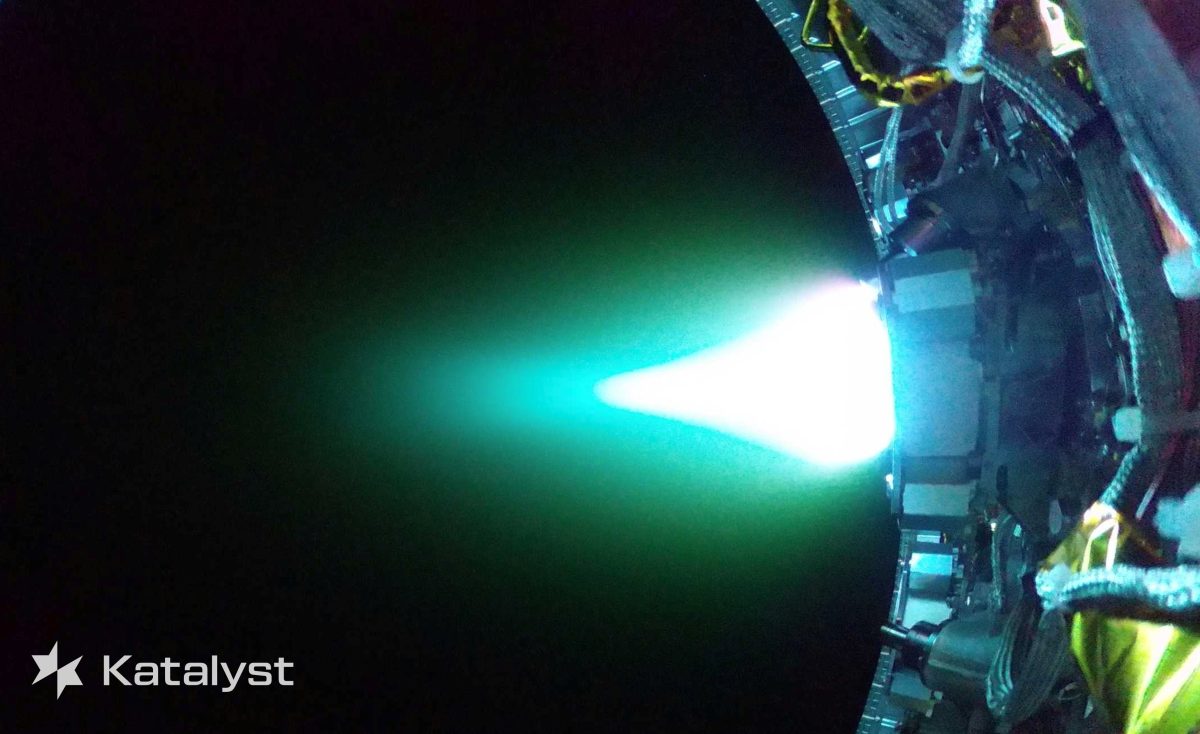
After several days of intensive work, the company reported success. Using precisely controlled thruster pulses, engineers managed to reduce LINK’s rotation rate from 9° to 1.47° per second. To avoid consuming the valuable resources required for the rendezvous with Swift, the engineers used one of the spacecraft’s electric thrusters, consuming less than 100 grams of propellant.
What Comes Next for the Mission?
The emergency forced the operation schedule to be delayed by at least a month. Engineers are currently preparing a software update that should fully restore LINK’s attitude control and allow it to continue its approach toward Swift.
According to the plan, once the observatory has been successfully captured, the satellite will activate its three ion thrusters. Towing the telescope back to its original orbit will take about two to three months. While the rescue operation is underway, Swift has been placed in a strict power-saving mode: all scientific observations have been suspended to prevent its batteries from being depleted.
Researchers acknowledge that operations of this kind are extremely complex. As NASA Astrophysics Division Director Shawn Domagal-Goldman noted, the fact that the mission has reached this stage in such a short period of time is already something of a miracle, but many risks still remain ahead.
We previously reported on how NASA plans to save the Hubble Space Telescope from an inevitable fall toward Earth.
According to NASA
