

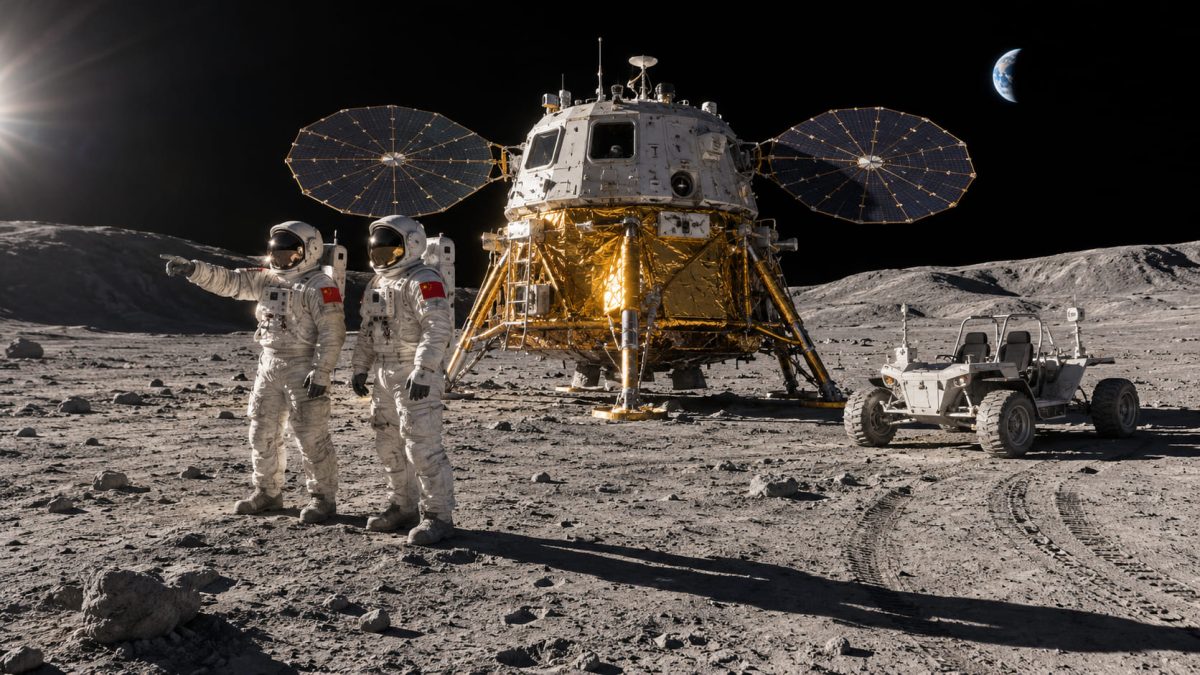
China has released its first step-by-step timeline specifying the years in which it plans to carry out missions leading to a crewed Moon landing before 2030. Three uncrewed test flights are scheduled before the crewed mission. However, the Chinese program currently does not include sending astronauts on a trial flight around the Moon, as NASA did with Apollo 8.
Three Steps Toward a Landing
The mission sequence was presented on October 31 at the Seventh Academic Conference on Human Spaceflight in Beijing. Speakers included Wang Xiang, chief designer of the Lunar Exploration Project. The years appeared only on presentation slides later circulated on social media. A CCTV report described the same stages without dates.
According to Ars Technica, a Long March 10A rocket is scheduled to send the new Mengzhou spacecraft into Earth orbit without a crew in early 2027. The spacecraft for this flight is already at the Wenchang launch site on Hainan Island. In 2028, the more powerful Long March 10 will send the Lanyue lander to the Moon, where it will land and take off without a crew. A year later, two such rockets will launch both spacecraft simultaneously, and the vehicles will dock in lunar orbit. Only after that will astronauts board Mengzhou.
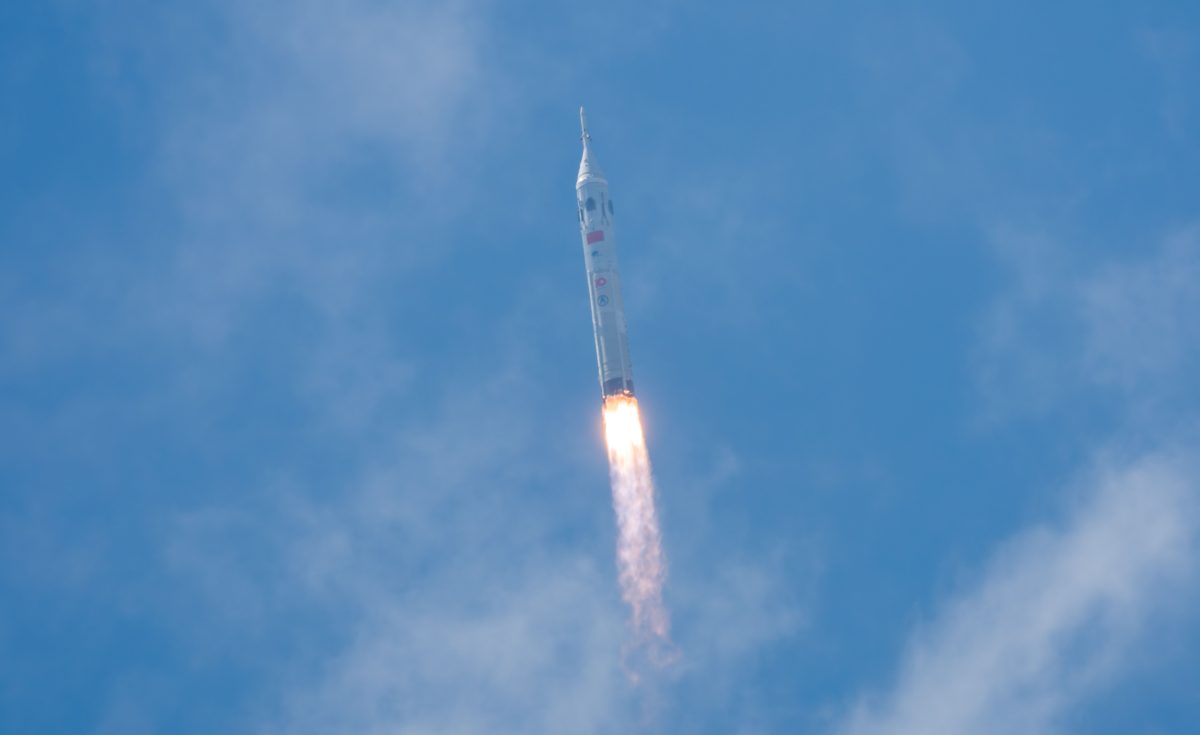
Separate launches are necessary because China does not have a rocket capable of sending both the crew spacecraft and the lander to the Moon together. In lunar orbit, two of the three astronauts will transfer to Lanyue and descend to the surface. After completing their work, they will ascend to rejoin Mengzhou and return home aboard it. Whether these deadlines can be met will help determine who becomes the first to land humans on the Moon again since 1972.
Rehearsals Without Crews
Wang Xiang explained this sequence through two principles. Everything that must be done near the Moon will first be tested in Earth orbit, including during flights to the Tiangong space station. Everything the crew will do will first be performed by uncrewed spacecraft. The uncrewed Lanyue is intended to test, as far as possible, the key technologies of the entire future mission, from docking with the crew spacecraft to landing, ascent, and redocking. The lander will also carry scientific and technology experiments, for which the China Manned Space Agency issued a call for proposals on October 22.
The American Apollo program followed a different path. Before the July 1969 landing, NASA sent crews to the Moon twice, and the Apollo 10 astronauts descended in their lunar module to approximately 15 kilometers above the surface. China is replacing such dress rehearsals with uncrewed missions. Before the landing itself, Mengzhou will carry astronauts only to the Tiangong station in Earth orbit.
Who Will Be First?
NASA plans to land astronauts during the Artemis IV mission in 2028, approximately a year before China. The United States has been developing the Space Launch System rocket and Orion spacecraft for more than 15 years, making them more mature than their Chinese counterparts. However, serious questions remain about the landers for which SpaceX and Blue Origin received multibillion-dollar contracts. These could push the American mission back to 2030 or later.
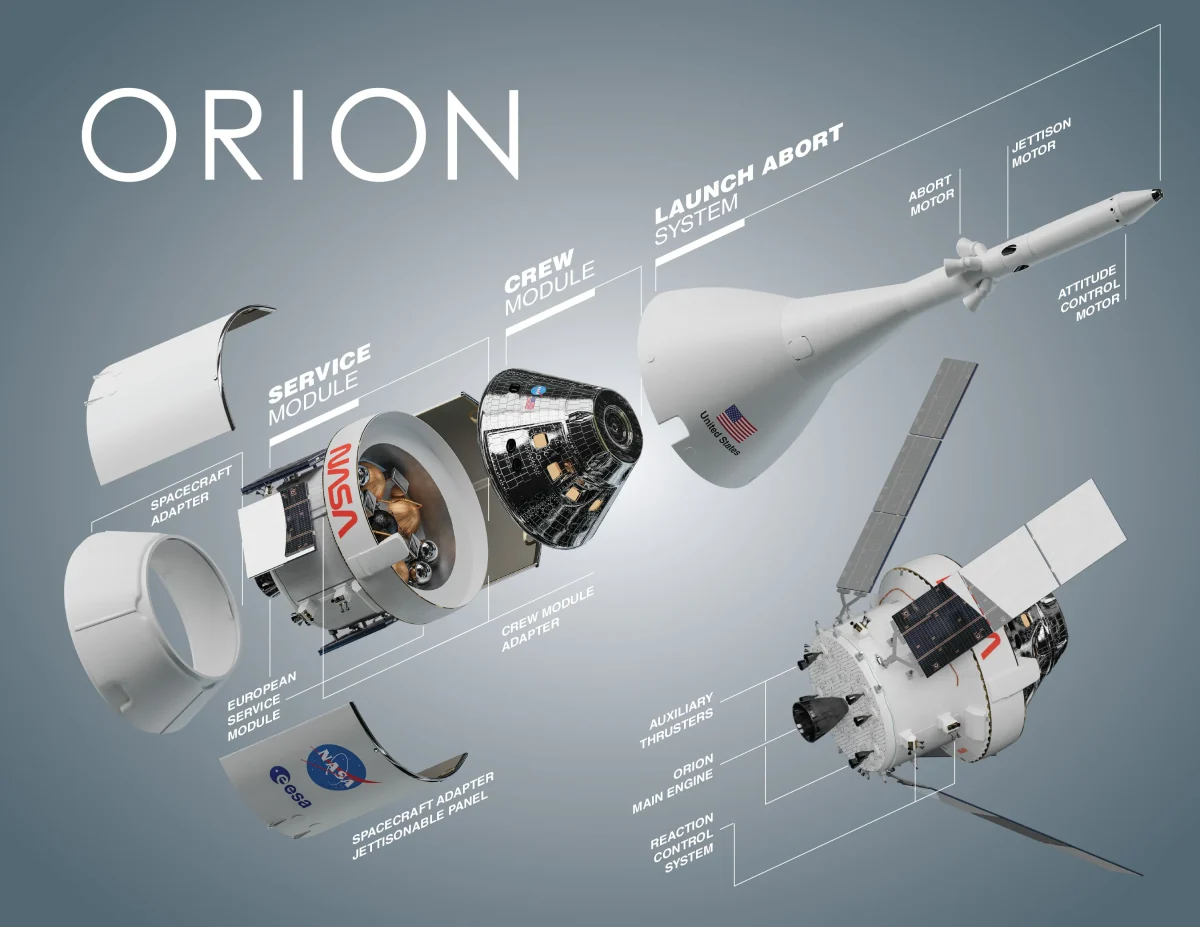
Congress and the White House have given NASA Administrator Jared Isaacman broad authority to accelerate the Artemis program. Over the past year, Isaacman has canceled construction of the Lunar Gateway station and a planned upgrade to the Space Launch System. In late October, he announced that Orion would be placed in low lunar orbit to accommodate Blue Origin’s lander.
For both countries, the first landing will be only the beginning. NASA and China are already preparing for a sustained presence near the Moon’s south pole, and Jared Isaacman has promised that NASA will establish a base on the lunar surface within the next decade.
