

Fifteen years ago, on 26 November 2011, a rocket carrying the Curiosity rover was launched towards Mars. The rover had a single objective: to determine whether Mars could once have been habitable. The mission was designed to last two years, yet the rover remains operational today. It is now slowly climbing a Martian mountain whose layers can be read like the pages of the planet’s history.
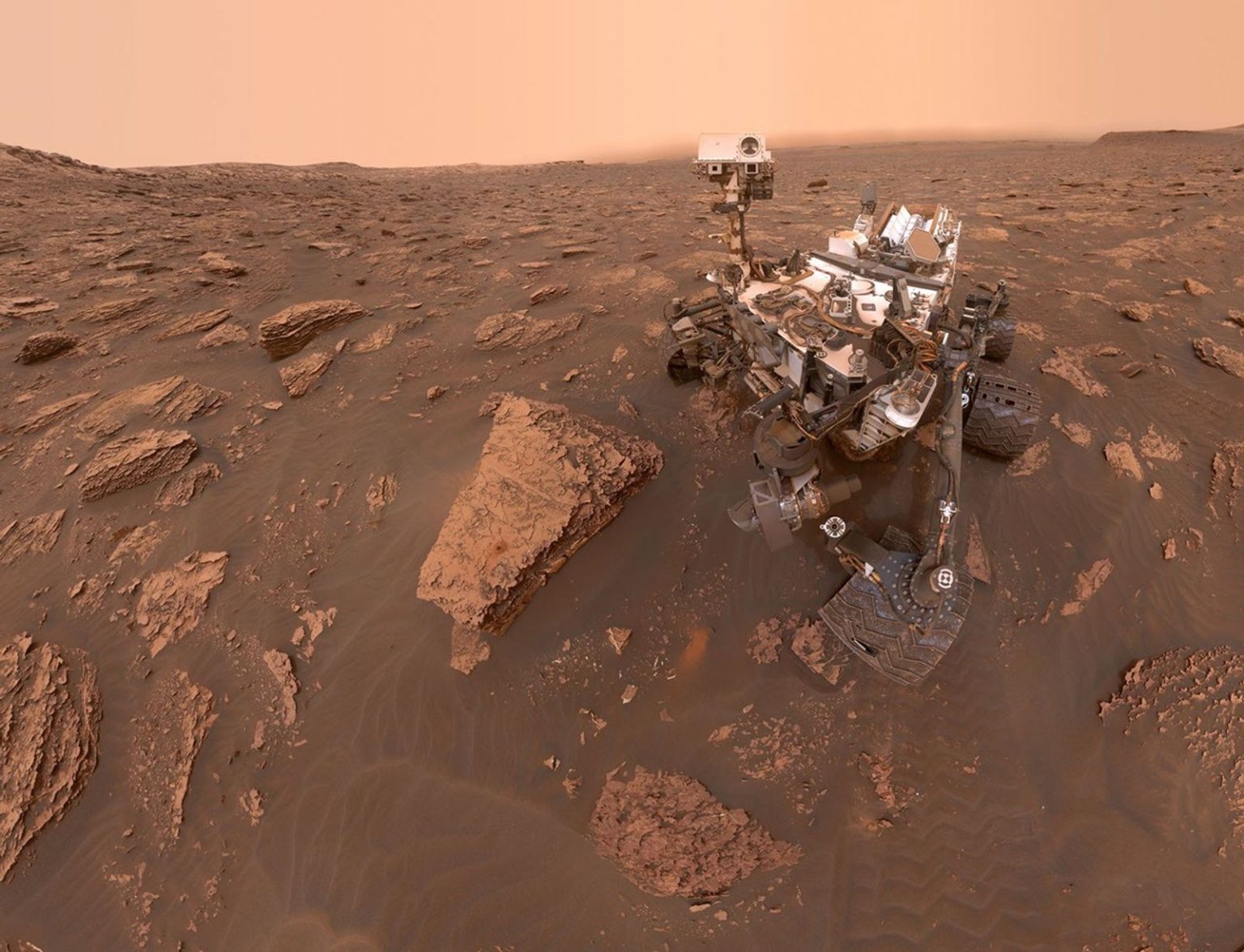
Why the rover was sent to Mars
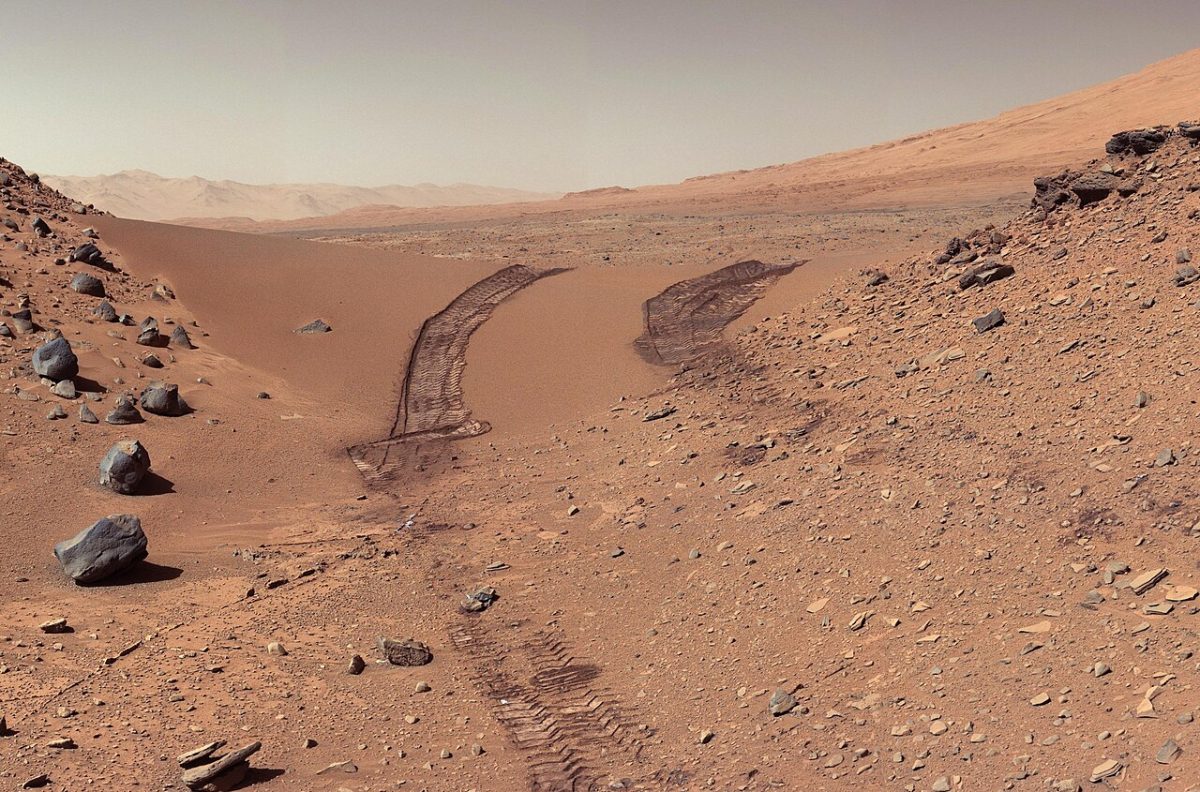
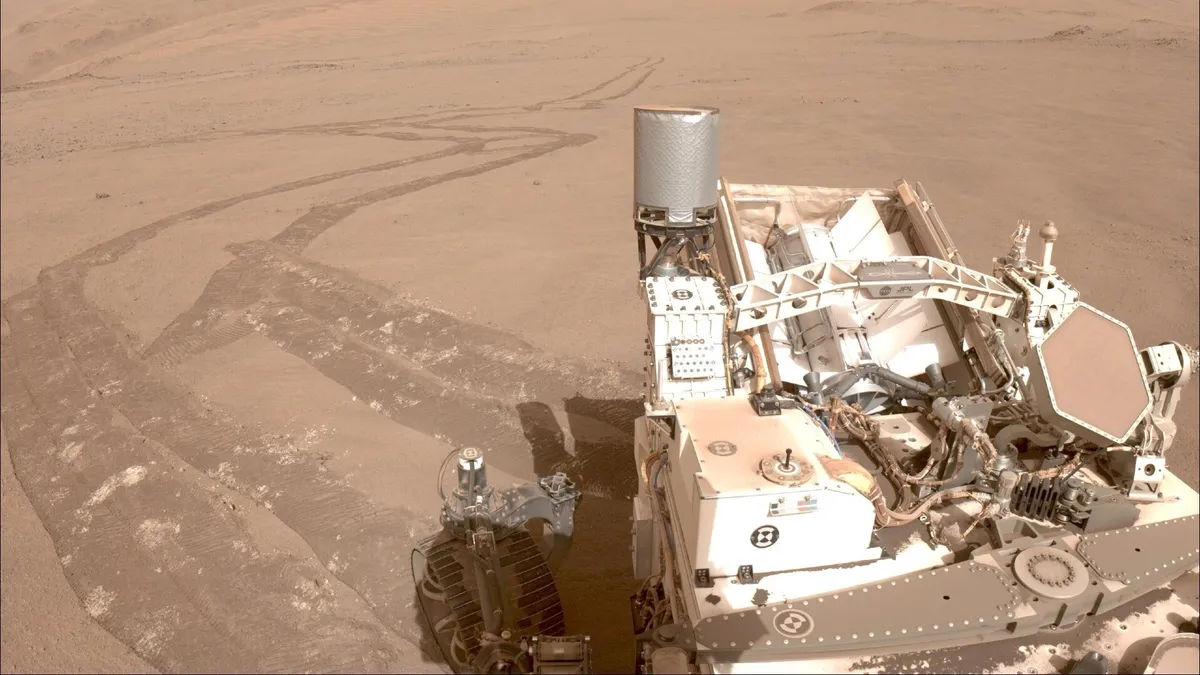
The team in Pasadena received the first images of the rover’s tracks on Mars in late August 2012, following Curiosity’s test drive. Among the zigzag tread marks on the reddish soil were short and long transverse lines, forming a pattern that repeated itself over and over again. Three letters – J, P, and L – were encoded in this pattern using Morse code.
These letters stand for NASA’s Jet Propulsion Laboratory (JPL), where the rover was built. NASA’s management did not allow the laboratory’s logo to be displayed on the rover itself, so the engineers incorporated it into the wheels in Morse code. Ever since, this signature has been imprinted in the soil wherever the rover travels, remaining there until the wind erases the tracks. Engineers also use images of these imprints to calculate the distance travelled by the rover.
But why was a vehicle the size of a passenger car sent to another planet? It was often said that the mission’s objective was to search for life, but that was not entirely accurate. Scientists began with a simpler question, because until it was answered, there was little point in searching for life. They needed to determine whether Mars had ever had environmental conditions in which microorganisms could survive.
Had Mars never been habitable, searching for traces of ancient microorganisms would have been futile. If it had been habitable, however, scientists could have identified the rocks in which such traces might have been preserved. The landing site was therefore selected in an area where the planet’s history could be read layer by layer, like the pages of a book.
Credit: United Launch Alliance
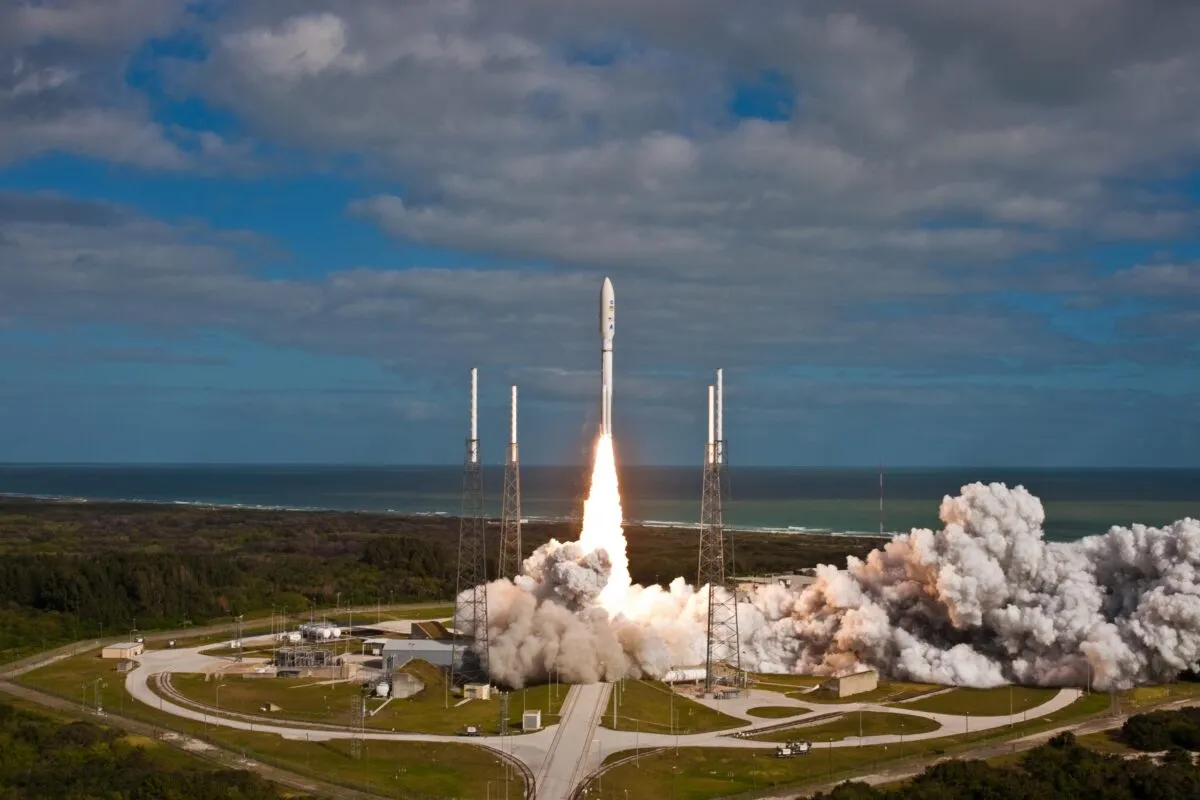
The journey itself began on 26 November 2011 at Cape Canaveral, Florida, when an Atlas V rocket carried the rover into space. Following the launch, project manager Peter Theisinger reported that the spacecraft had been placed on the correct trajectory and was already on its way to Mars. A journey of 567 million kilometres lay ahead.
A mountain that chronicles the history of Mars
Mount Sharp rises approximately 5 kilometres above the centre of Gale Crater, making it nearly two and a half times as high as Mount Hoverla. It consists of successive layers of sediment. The lower layers formed earlier, while the upper ones formed later. Travelling uphill therefore means moving from earlier periods of Martian history to more recent ones.
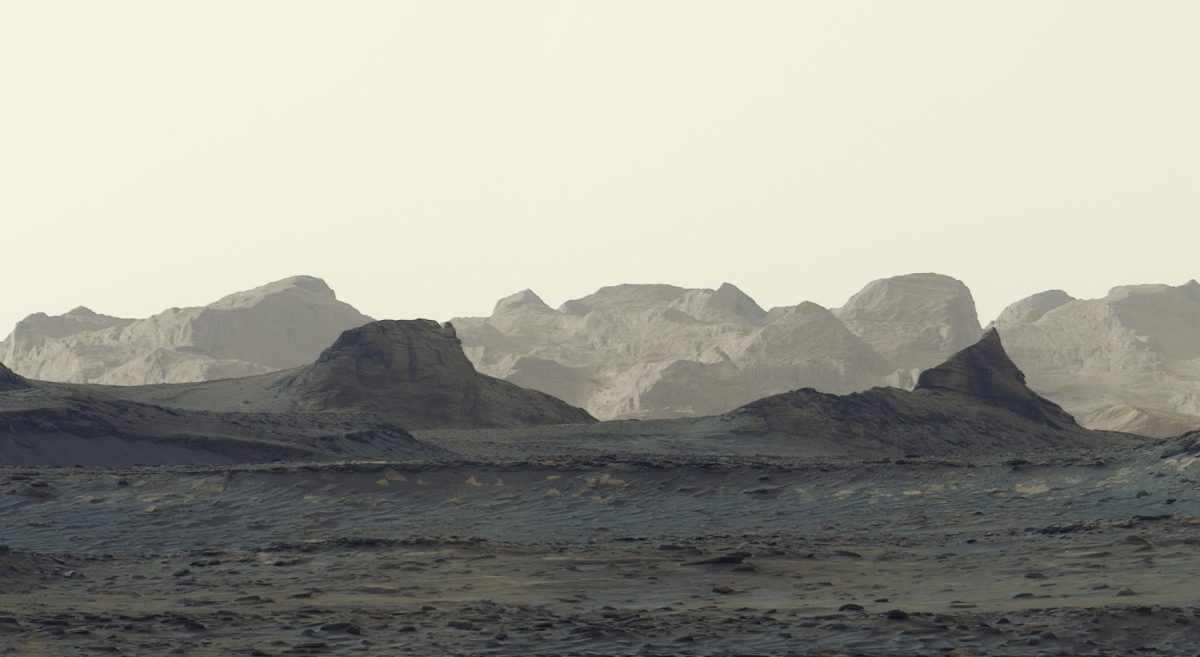
The scientists responsible for selecting the landing site already knew about these layers. Orbital images had revealed different minerals within them. The lower part of the mountain contains abundant clay minerals that form in water, while sulphates – a type of salt – appear higher up. On Mars, clay minerals are generally associated with older rocks and sulphates with younger ones. This difference is regarded as evidence that the planet’s surface gradually dried out.
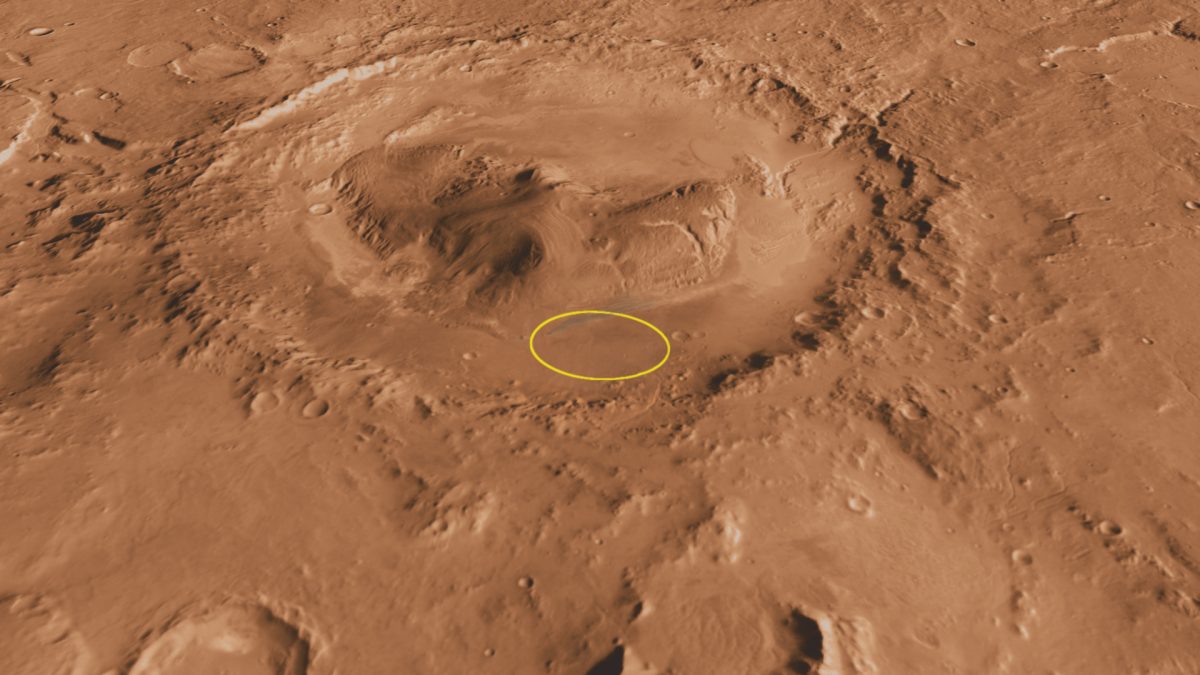
To land the rover near the mountain, engineers employed precision landing technology involving guided entry for the first time. As the capsule carrying the rover entered the Martian atmosphere, small thrusters adjusted its trajectory, reducing the landing area to an ellipse approximately 20 kilometres long and 7 kilometres wide. The corresponding landing areas for previous Mars rovers had been several times larger.
Mars rovers are often pictured with solar panels, like those of Spirit and Opportunity, which previously operated on Mars. Curiosity has no solar panels. Instead, it is powered by a radioisotope thermoelectric generator located at the rear of its body. This is not a nuclear reactor, and no nuclear fission chain reaction takes place inside it. The generator contains radioactive plutonium, which decays naturally, releasing heat in the process. Special components convert this heat into electricity, regardless of whether it is day or night on Mars. This supply is not inexhaustible: as the amount of radioactive material decreases over the years, the generator’s power output gradually declines.
The clean waters of ancient Mars
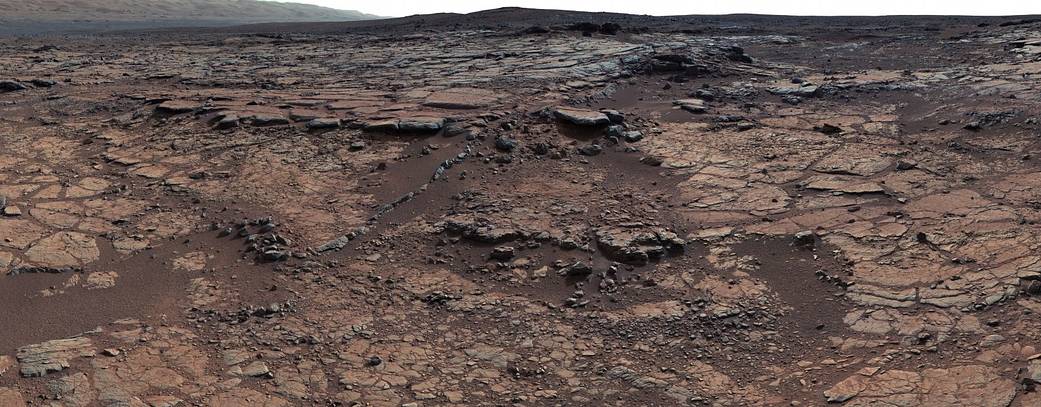
The rover did not head straight towards Mount Sharp, the mission’s primary destination. Instead, the team initially directed it towards areas near the landing site where orbital images showed three different types of terrain converging, allowing several types of rock to be studied in one location. There, in a depression known as Yellowknife Bay, the rover drilled its first hole in Martian rock in February 2013. The drill penetrated several centimetres into the rock, and a sample from beneath the surface was delivered to two onboard laboratories to determine its chemical and mineralogical composition.
Credit: NASA/JPL-Caltech/MSSS
However, the results had to wait. In late February, just as the analysis was beginning, the transmission of stored data to Earth was interrupted, and the rover deviated from its usual schedule, failing to enter its overnight sleep mode. The problem was traced to the main computer’s flash memory, which had probably been damaged by cosmic radiation. The following day, the rover was switched to its backup computer and placed in safe mode, in which only essential systems operate. Scientific activities were temporarily suspended.
The interruption was short-lived. By March 2013, the sample analysis had been completed, and the team announced the result that had motivated the entire mission: Mars had once been habitable. ‘The water that was once here was so safe and conducive to life that a person could have drunk it had they been on the planet at the time.’ This was how John Grotzinger, the project scientist at the time, explained the discovery.
The fine-grained rock had formed at the bottom of a freshwater lake that researchers estimate existed approximately 3.7 billion years ago. Its water had a neutral pH and low salinity, while measurements of the rock revealed carbon, hydrogen, oxygen, nitrogen, sulphur, and phosphorus – the principal chemical elements found in living organisms. Such a lake could have supported microbes that obtain energy from chemical reactions involving minerals, similar to microbes found in caves on Earth. It was here, on the bed of an ancient lake, that the journey towards younger layers and drier periods began.
One sample from Yellowknife Bay held a secret. A portion of the sample collected from a rock named ‘Cumberland’ had been stored inside an onboard laboratory for years, and in 2025, a team led by Caroline Freissinet discovered decane, undecane, and dodecane within it. These are the largest organic molecules discovered on Mars, containing 10, 11, and 12 carbon atoms, respectively. Researchers suggest that they may be fragments of fatty acids that broke down when the sample was heated in the onboard laboratory. On Earth, living organisms use fatty acids to build cell membranes. However, organic molecules can also form without the involvement of life, and the origin of these particular molecules has yet to be established. The discovery suggests that chemical reactions on ancient Mars may have produced more complex organic compounds than previously thought. And this was revealed twelve years after the sample had been drilled.
Lakes on Mars persisted for a long time
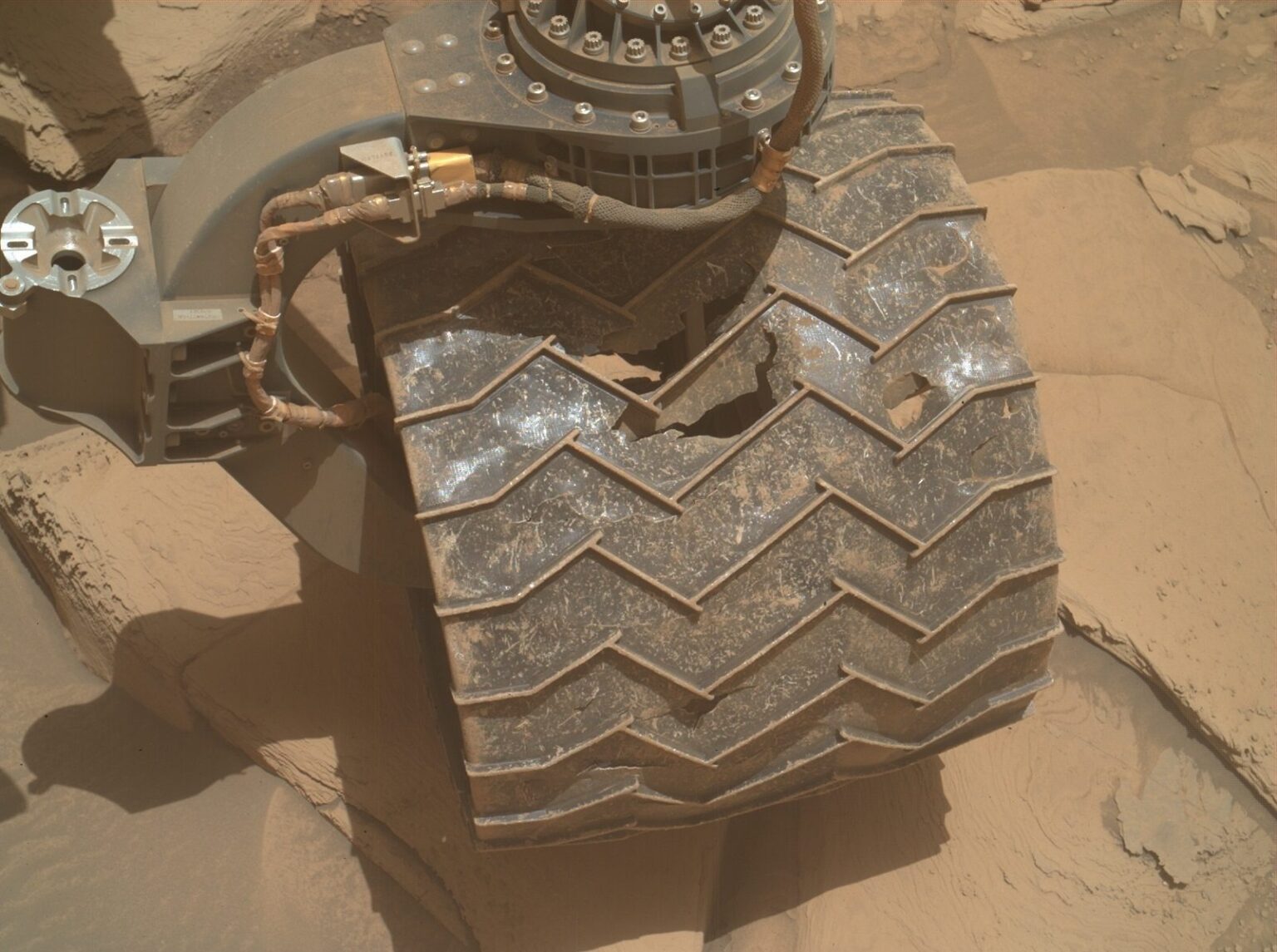
Following the discovery of the lake, the rover travelled from Yellowknife Bay towards Mount Sharp, but the journey proved more difficult than anticipated. In autumn 2013, engineers examining images captured by the camera on the robotic arm noticed that the wheels were deteriorating much faster than expected. Punctures had appeared in the aluminium skins of the wheels, which were approximately 50 centimetres in diameter. Such damage had not been observed during testing on Earth. The cause turned out to be sharp rocks firmly embedded in the ground. When a wheel climbs onto such a rock, the other wheels push it from behind or pull it forwards, concentrating excessive force on it. Replacing the wheels on Mars is impossible, and at the time, engineers had yet to find a way to protect them.
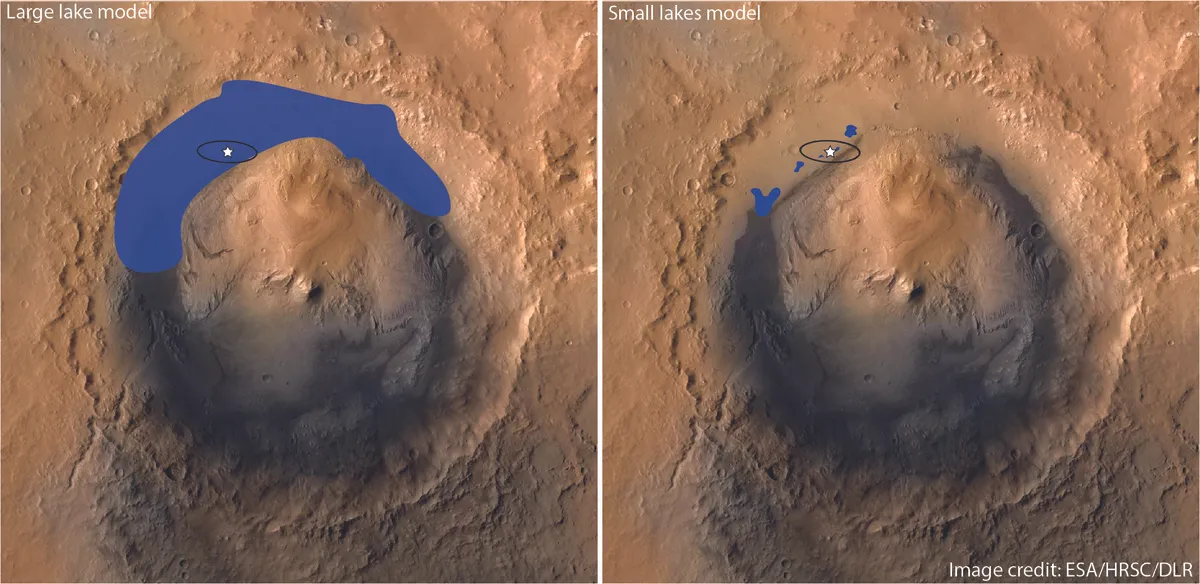
The rover reached the foot of the mountain in 2014. Once again, the rock proved to be hardened lake mud, and similar deposits continued to appear as the rover climbed the lower part of the slope. Initially, the lifespan of the lake at Yellowknife Bay was estimated to range from several hundred to tens of thousands of years. Later, Ashwin Vasavada, who took over as the mission’s project scientist, suggested that lakes within the crater might have persisted for millions of years.
At the foot of the mountain, the rover collected two rock samples in September 2014 and January 2015. NASA astrobiologist Jennifer Eigenbrode subsequently spent several years examining the resulting data to distinguish genuine traces of organic compounds from extraneous instrument signals. In 2018, she and her colleagues reported that organic molecules, including benzene and propane, had been preserved in rock more than three billion years old. When asked where this carbon had come from, Eigenbrode replied that she did not know, identifying meteorites as one possible source. What made the discovery remarkable was the very fact that the molecules had survived, given that the Martian surface is exposed to cosmic radiation, which, together with reactive chemicals, destroys organic compounds. These molecules had survived within the uppermost 5 centimetres of the rock, probably because they had bonded with sulphur.
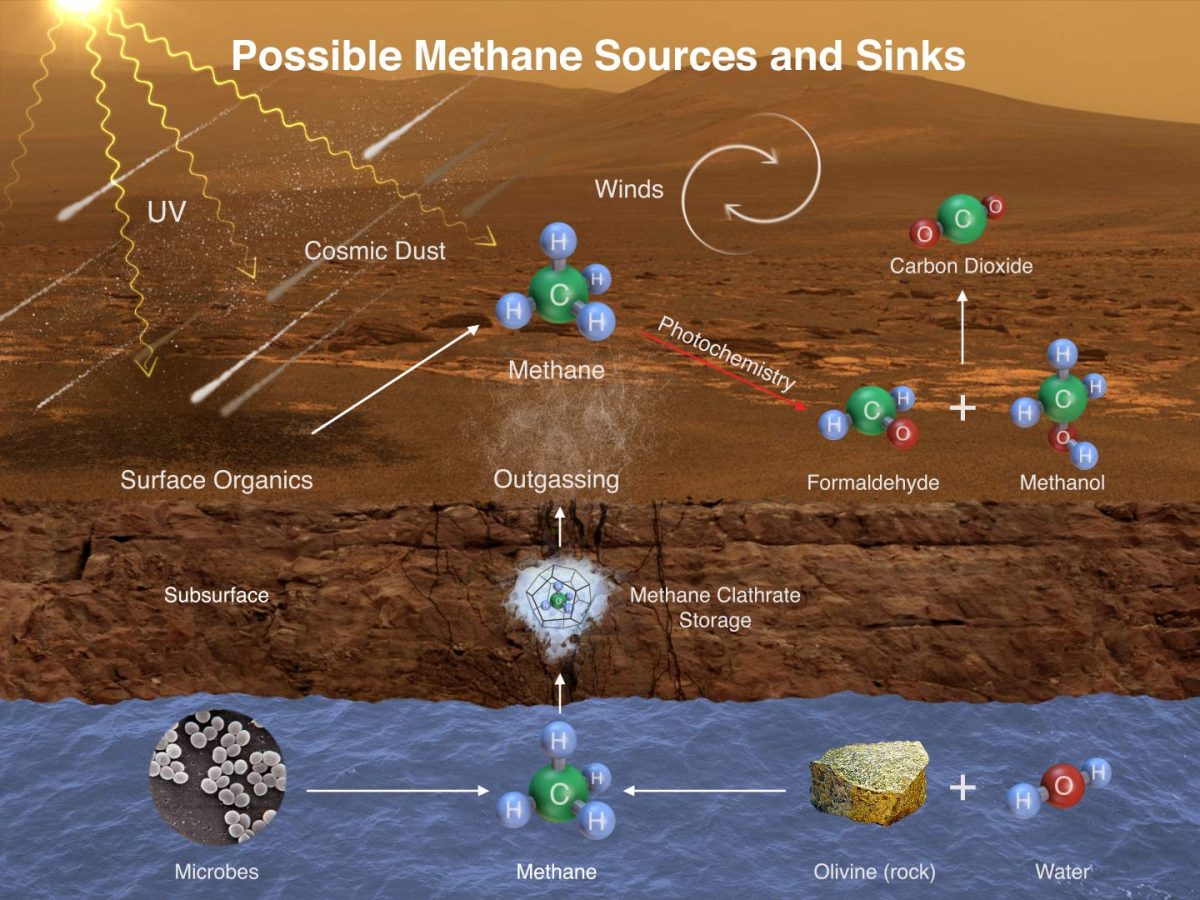
The search for carbon on Mars was not confined to rocks. Around the same time, researchers also reported findings concerning methane, the simplest organic gas, whose abundance in the atmosphere near the surface had long been measured by the rover’s instruments. Its abundance varies with the seasons, but its origin remains unknown.
Eighteen months without a drill
In late 2016, as the rover was climbing through the mountain’s lower layers, the mechanism that extends the drill bit began to malfunction. The last scheduled sample was collected in October, and drilling ceased in December. The cameras and other instruments remained operational, but powdered rock from beneath the surface – the material that had provided answers about both the ancient lake and organic compounds – was no longer reaching the onboard laboratories.
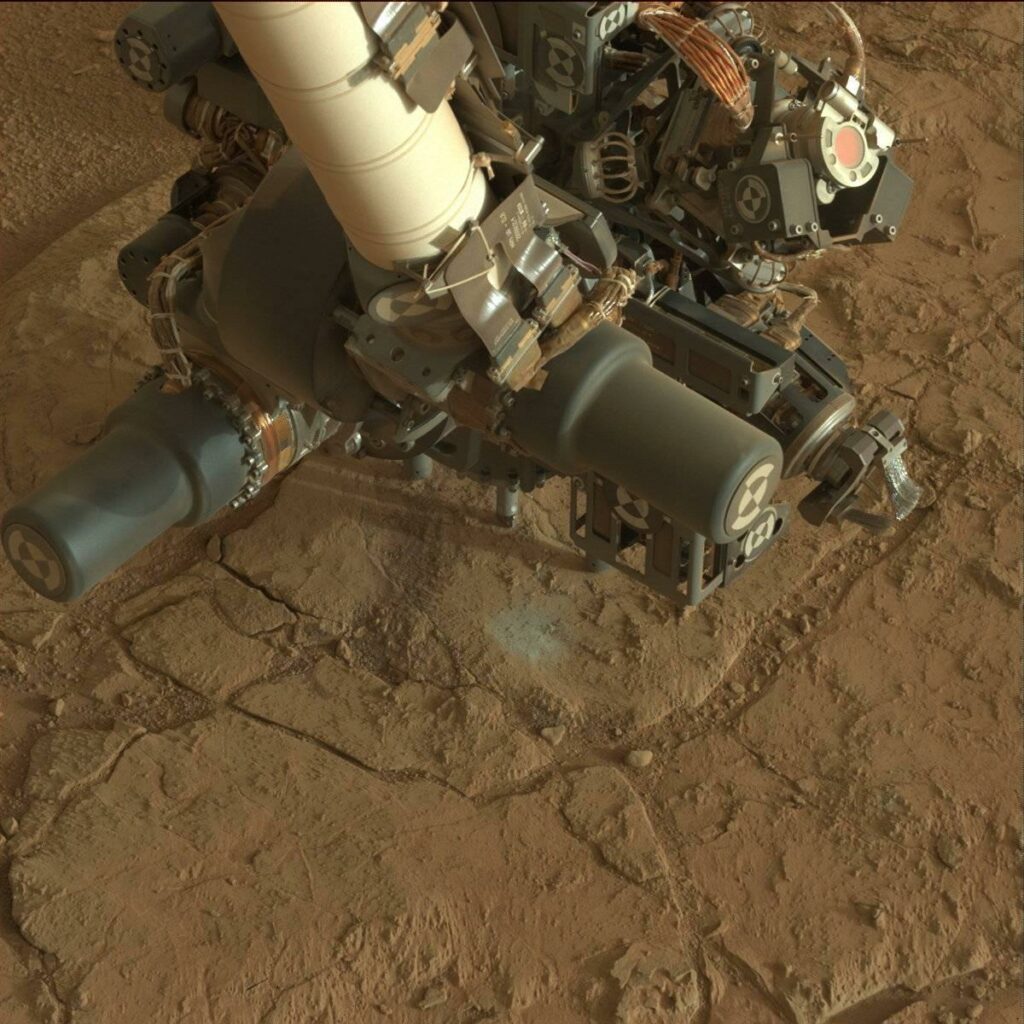
While the drill was out of action, engineers at the Jet Propulsion Laboratory turned their attention to the wheels, which had been damaged on the way to the mountain. In March 2017, they uploaded traction control software to the rover, allowing the speed of each wheel to be adjusted according to the rocks beneath it. They estimated that the wheels still had several years of operational life remaining.
A new approach was devised for the drill. Previously, two stabilizing posts on either side of the drill bit rested against the rock and held the drill steady. Under the new approach, the bit remained extended beyond these posts and was pressed against the rock by the robotic arm itself. The technique was tested on Earth for months, and on 20 May 2018, the rover collected its first full sample since October 2016. Deputy project manager Steve Lee described the new hole as ‘two vital inches of innovation from 60 million miles away’. Two inches are approximately 5 centimetres, while 60 million miles are nearly 100 million kilometres.
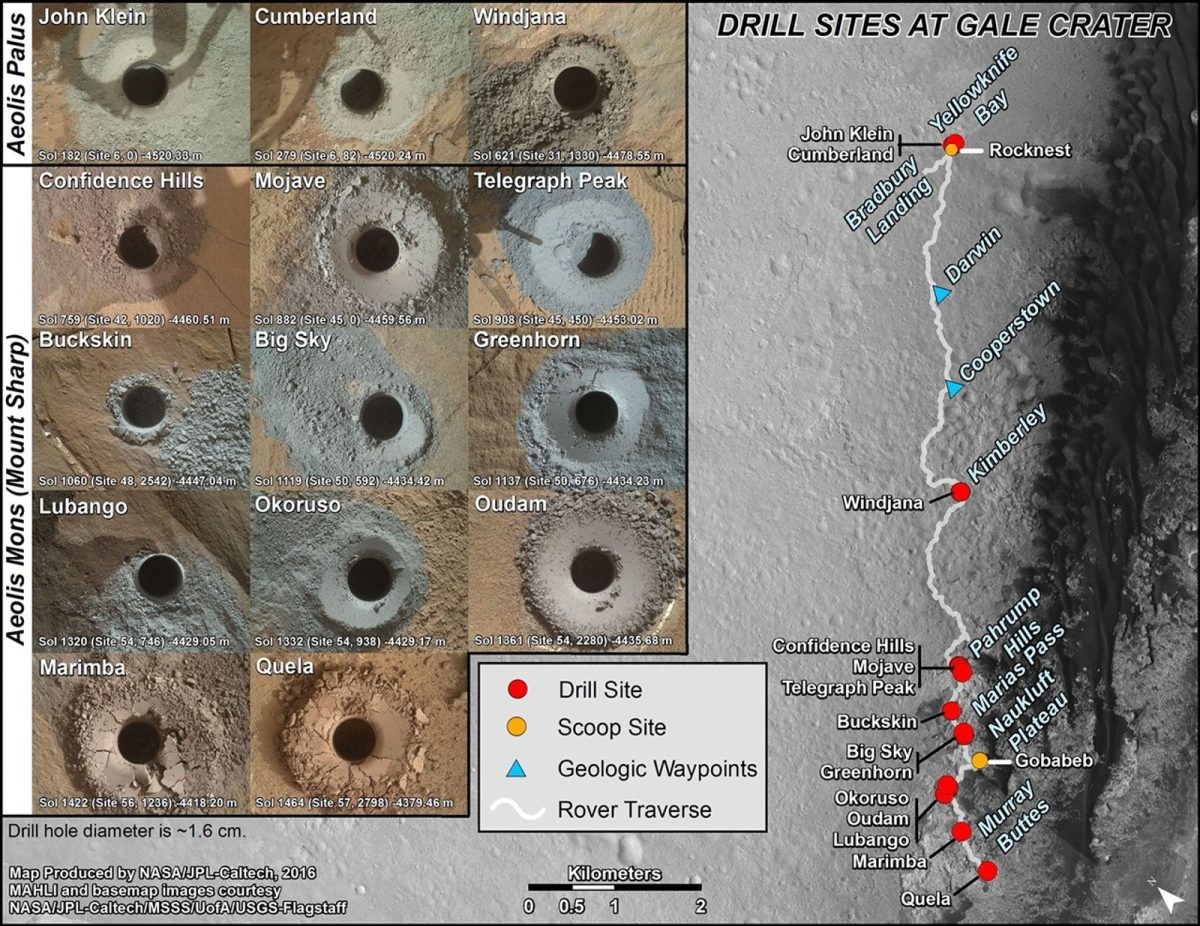
With its drilling capability restored, the rover continued its ascent and reached layers particularly rich in clay minerals. These clays lay above the lake deposits at the foot of the mountain, meaning that they had formed later. They suggest that water persisted in the crater even as younger layers accumulated. In 2020, the rover drilled into rock in which 21 organic molecules were subsequently discovered. Some of them were detected on Mars for the first time.
Mars dried out unevenly
Above the clay-rich layer, the rock began to change. In 2021 and 2022, the rover travelled through a transition zone where clay minerals gradually gave way to increasing amounts of sulphates. The lake deposits that the rover had been traversing at lower elevations for years were no longer present. Instead, according to Ashwin Vasavada, there were numerous signs of a drier climate. The hills in this zone probably originated as large windblown sand dunes that eventually hardened into rock. Between them lie sediments deposited by water, possibly in ponds or small streams that meandered between the dunes.
The most revealing feature was noticed in June 2021, when the rover was exploring an area informally named ‘Pontours’. A pattern of hexagons was visible on the rock surface – desiccation cracks in ancient mud. On Earth, mud drying for the first time develops cracks with T-shaped junctions. When it is repeatedly wetted and dried, the cracks reorganize into a hexagonal network with Y-shaped junctions. The hexagons at Pontours indicate numerous cycles during which water appeared and disappeared. William Rapin, the lead author of the paper describing this discovery in the journal Nature, suggests that these cycles may have occurred seasonally.
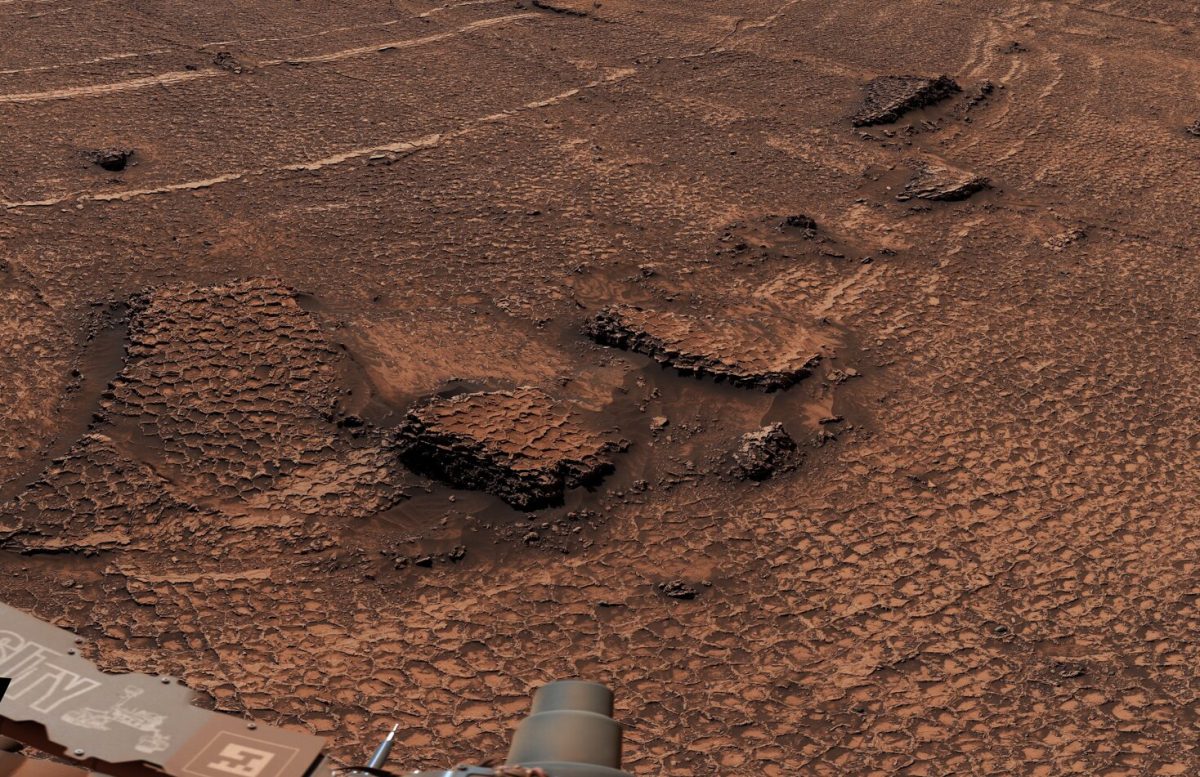
This feature is particularly important to the question of life. According to one leading theory, the chemical building blocks of the first microbes on Earth came together in environments where exposed land repeatedly became wet and dried out. The cracks at Pontours provided the first evidence that such conditions also existed on early Mars.
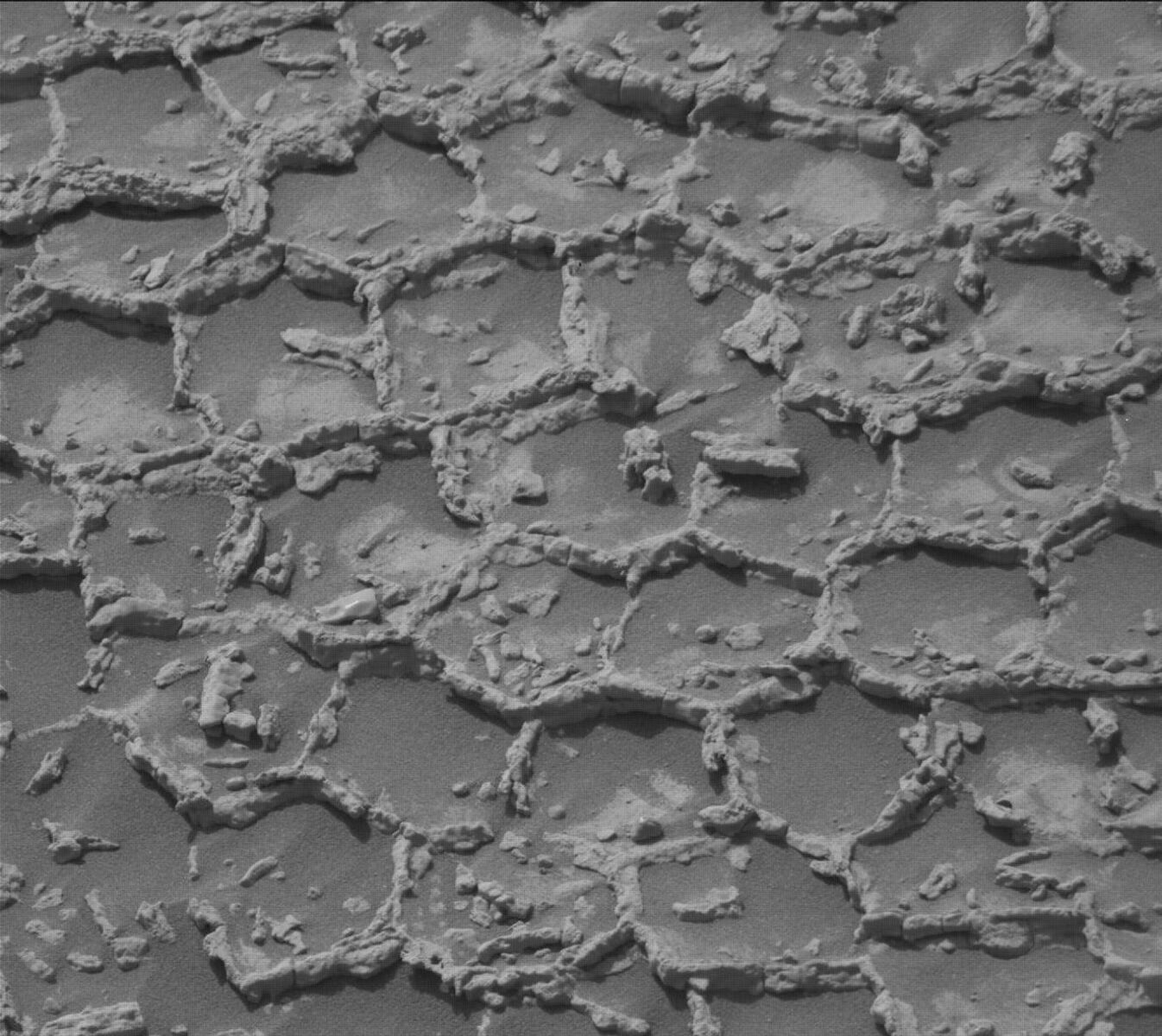
The higher the rover climbed, the more frequently lake deposits gave way to sandy deposits, while rocks that had probably formed underwater appeared again above layers of former dunes. The layers of Mount Sharp preserve the history of how Mars gradually became uninhabitable, even though water returned on numerous occasions.
Part of the atmosphere remained locked in rock
Above the transition zone, the rover reached sulphate-rich layers – younger and drier pages of Martian history. In spring 2023, the rover drilled into rock at a site named ‘Ubajara’. Siderite, an iron carbonate, was discovered in this sample and two others from the same layers. It accounted for approximately 5% to more than 10% of the rock’s mass.
Scientists had long awaited such a discovery. They believe that Mars once had a denser atmosphere rich in carbon dioxide. As this gas dissolved in water, it would have reacted with rocks and been preserved within them in the form of carbonates – minerals that lock carbon dioxide into solid material. Yet very few carbonates had been discovered on Mars. According to the study’s authors, they may have escaped detection from orbit because their spectral signatures are obscured by other minerals.
Credit: NASA/GSFC
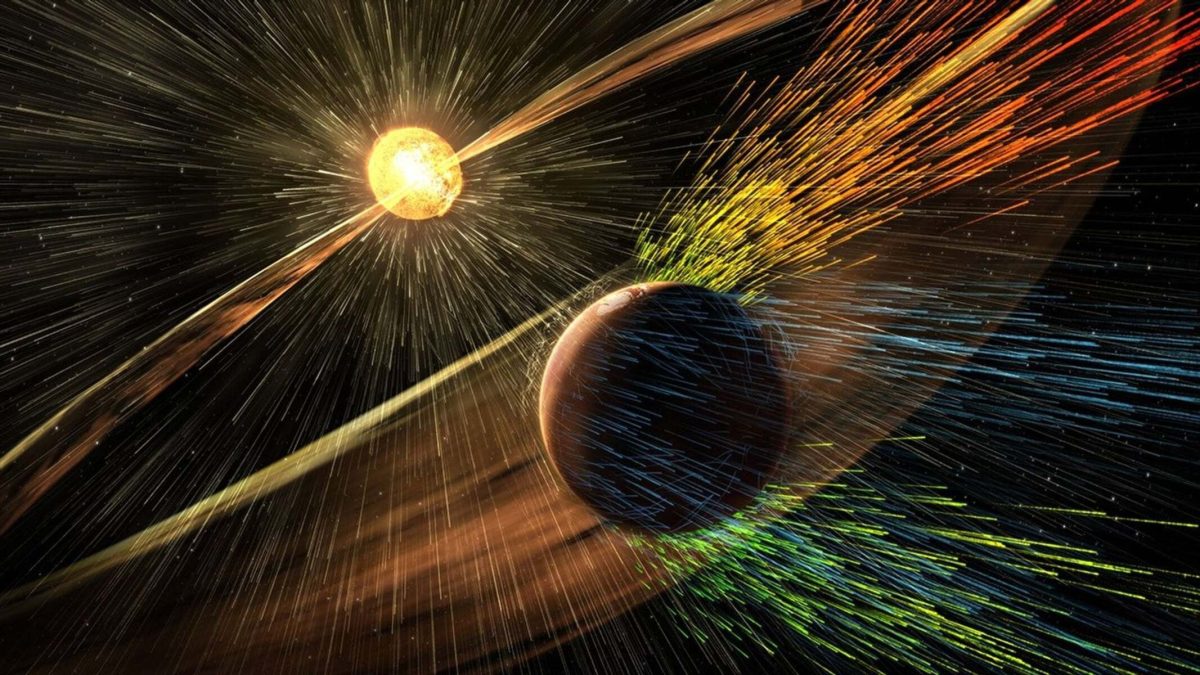
Mars probably lost most of its atmosphere to space when its magnetic field disappeared. However, some of its carbon dioxide may have remained on the planet. Benjamin Tutolo of the University of Calgary, the study’s lead author, and his colleagues believe that siderite formed under conditions of limited water availability, through reactions between water and rock and subsequent evaporation. If such minerals are widespread in sulphate-rich layers across the planet, they may contain a considerable amount of carbon dioxide from the ancient atmosphere. Groundwater subsequently dissolved some of the siderite, probably releasing the gas back into the atmosphere. According to the authors, this points to the existence of a carbon cycle on ancient Mars.
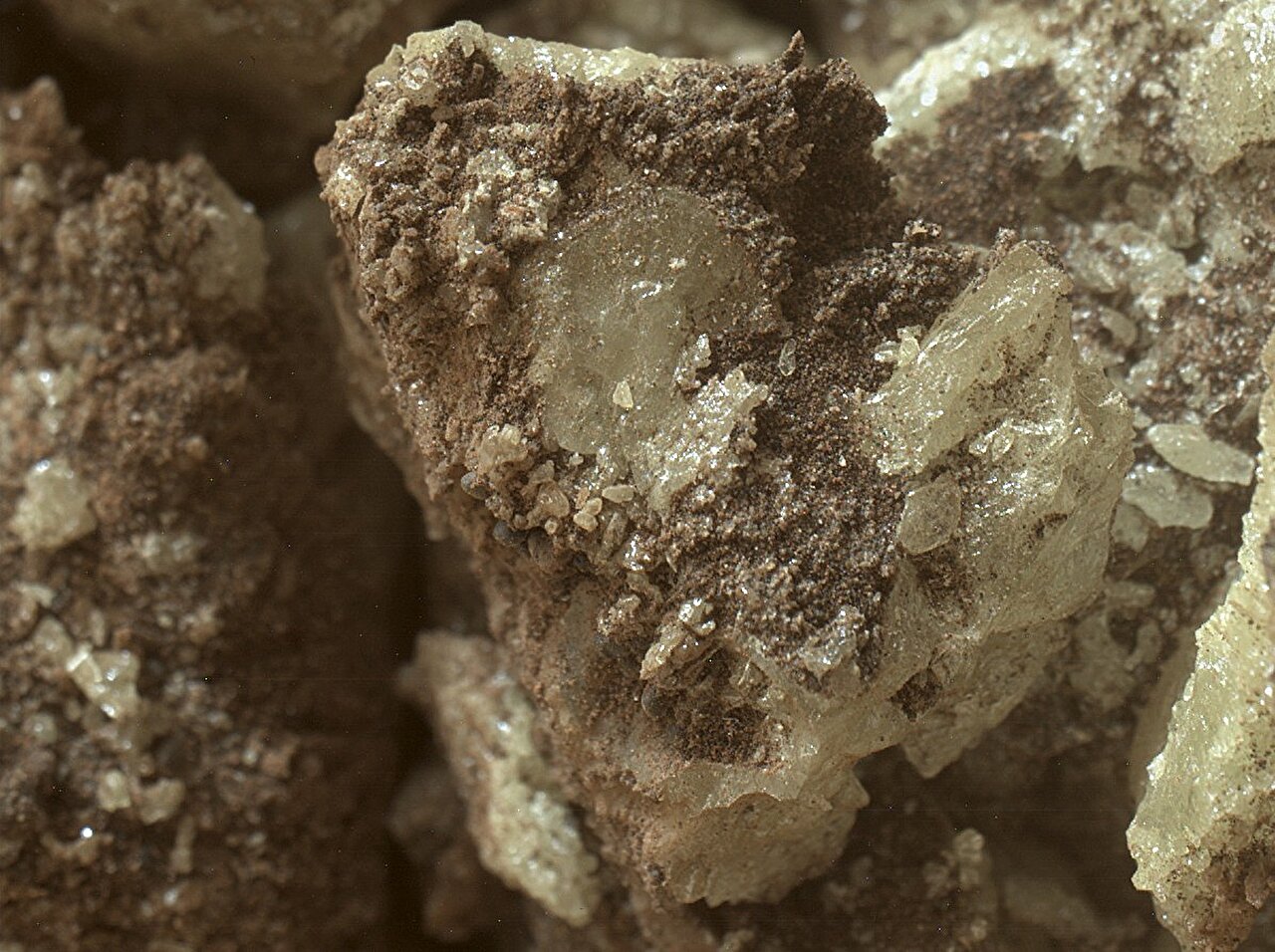
The sulphate-rich layers concealed another surprise. In late May 2024, the rover drove over a rock fragment in the Gediz Vallis channel, a valley on the mountain’s slope containing numerous boulders probably transported by flowing water. Water appears to have flowed down this channel on multiple occasions. The rock fragment split open, revealing yellow crystals inside. An instrument mounted on the robotic arm identified them as elemental sulphur. Although sulphates are common on Mars, this was the first discovery of pure sulphur on the planet. Numerous rocks resembling the fractured fragment lay nearby, and the origin of so much pure sulphur in the channel remains unknown. Ashwin Vasavada described the discovery as follows: ‘Finding a field of stones made of pure sulphur is like finding an oasis in the desert.’
The ascent continues
The rover reached the 1-kilometre elevation milestone on 26 August 2026. This was the height it had climbed along the slope of Mount Sharp from the floor of Gale Crater. Four days later, it completed its 5,000th Martian day on the planet. Since the rover first left the imprint of the three letters JPL in the soil, it has travelled approximately 37 kilometres.
However, the amount of energy available to the rover decreases each year as its generator weakens, and funding for the mission has been reduced. Engineers have therefore given the rover greater autonomy and the ability to perform several tasks simultaneously, reducing the amount of energy drawn from its batteries. Reidar Larsen of the Jet Propulsion Laboratory, who led this work, compares the team at the beginning of the mission to cautious parents. Today, the rover is entrusted with greater independence.

Time is taking its toll on all spacecraft operating at Mars. Curiosity transmits its data via an antenna to orbiters, which then relay it to Earth. One such relay spacecraft, Mars Odyssey, has been operating in orbit around Mars since 2001 and relayed Curiosity’s first images following its landing. In early November 2026, one of the spacecraft’s reaction wheels, used to control its orientation in space, stopped functioning. The spacecraft has four reaction wheels: one failed back in 2013, and at least three are required for operation. If the reaction wheel cannot be restored, Odyssey will have to use its thrusters to control its orientation, and the team estimates that its remaining propellant will last only one or two months.
Credit: NASA/JPL-Caltech
Earlier still, in late October, a malfunction occurred aboard NASA’s younger rover, Perseverance. Its primary radio, used to transmit data to orbiters, stopped functioning properly, while the backup radio delivered only about half the required power. The rover was switched to a considerably slower direct communication link with Earth, and its scientific activities were suspended. The teams responsible for both spacecraft hope to restore them to operation by the end of November.

Curiosity itself continues its ascent towards even younger and drier layers, and each additional metre comes at a greater cost as energy supplies diminish and much rock remains to be explored. How many more pages of this book researchers will have time to read now depends on how long the rover can keep climbing.
