

The U.S. space agency NASA has released a captivating image of the Martian landscape, taken during the local morning hours. The photograph shows the graceful yet rugged contours of rocks sculpted by centuries of wind, softly illuminated by the first rays of the morning Sun.
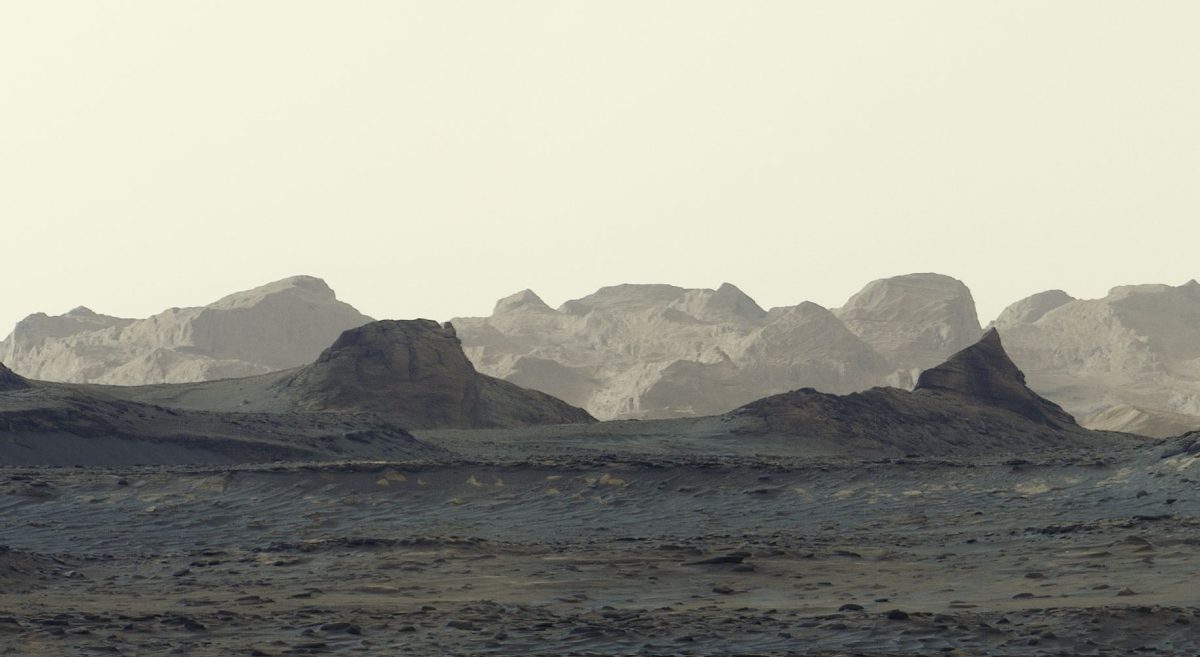
The scene was captured on August 11, 2026, at around 8:30 a.m. local Martian time—approximately an hour after sunrise. Using the Mastcam camera, scientists obtained their most detailed view to date of the steep, deeply sculpted cliffs known as yardangs rising along the horizon.
A Layer That Looks Out of Place
The geological formation stands apart from anything Curiosity has encountered during its years of exploration. Its unusual appearance has puzzled researchers.
“This layer of yardangs looks as though it doesn’t belong here. It’s the wrong color, it tilts at a strange angle, and it looks as if it has been pasted on top,” said Ashwin Vasavada, Curiosity’s project scientist at NASA’s Jet Propulsion Laboratory. “But that very strangeness is what makes exploring it so exciting.”
Dawn Without Filters
The published panorama consists of six individual images stitched together into a single wide-format view. Unlike most Mastcam images, NASA specialists deliberately avoided the usual white-balance adjustment to preserve the authentic atmosphere of the morning light.

This combination reveals a very different Red Planet. Instead of the familiar intensely red, stark desert landscapes, the panorama conveys a gentle sense of calm and stillness. Despite its unmistakably extraterrestrial nature, the view feels surprisingly familiar, resembling deserts on Earth.
Climbing Toward the Summit
The Curiosity mission began with a landing in Mars’s Gale Crater in 2012. Two years later, the spacecraft began climbing the lower slopes of Mount Sharp. This mountain at the center of the impact basin rises 5 kilometers high and consists of numerous layers, each preserving a different chapter in the history of ancient Mars.
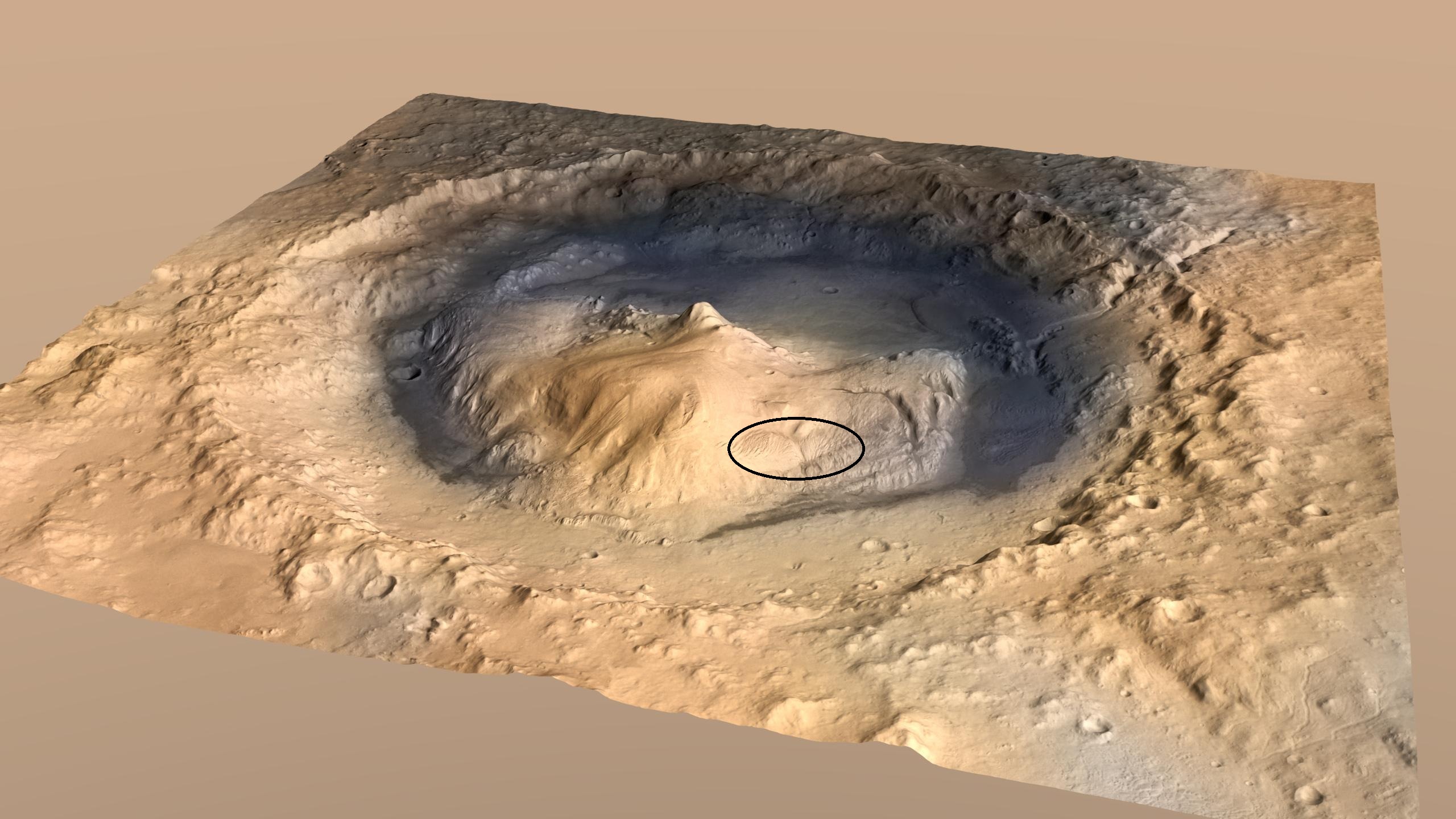
The rover recently passed the milestone of 1 kilometer in elevation gained—an all-time record for rovers on Mars. As it continues upward, it is drawing ever closer to the mysterious yardangs.
This layer of wind-carved cliffs stretches approximately 16 kilometers along Mount Sharp’s northwestern slopes. Scientists estimate that it may have formed around 3 billion years ago, along with the rest of the mountain. “No one knows for certain what created this layer, but one of the leading hypotheses is that it consists of ash deposited during powerful ancient volcanic eruptions,” Vasavada explains.
The science team hopes Curiosity will reach the base of the mysterious cliffs by 2027. There, the rover will be able to use its robotic arm to collect data directly and analyze the composition of these enigmatic rocks.
Curiosity previously shared a view of a sunset on Mars.
Based on material from PetaPixel.
