

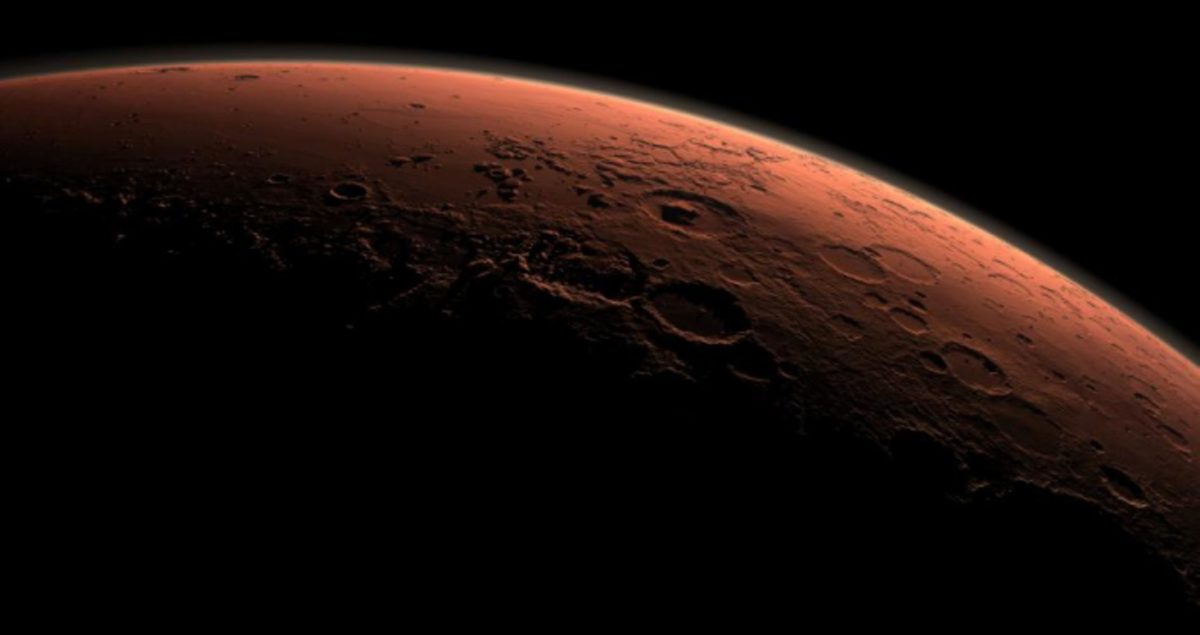
Scientific work by two NASA spacecraft on Mars has had to be suspended due to equipment malfunctions. The Perseverance rover experienced a failure of its primary radio transmitter, while another reaction wheel used for orientation on the Mars Odyssey orbiter stopped working. For Odyssey, which has been operating near Mars for a quarter of a century, this malfunction could mean the end of its mission.
Enough Fuel for a Month or Two
The mission could end as early as 2026 because one of its four reaction wheels has stopped working. As they spin, these wheels turn the spacecraft without using fuel, including to point its solar panels toward the Sun. At least three functioning reaction wheels are needed to control the spacecraft’s orientation, and one of them had already failed in 2013.

Without the reaction wheels, the spacecraft will have to maintain its orientation using hydrazine thrusters alone. According to NASA, there is enough fuel for this to last one or two months, although the estimate is still being refined. The spacecraft has already exited safe mode, but its scientific instruments are switched off, and the relay of data from the surface of Mars has been suspended.
During one of the tests, the reaction wheel moved in response to a command. Engineers at NASA’s Jet Propulsion Laboratory (JPL) and Lockheed Martin, the company that built and operates the spacecraft, are continuing their tests. If the reaction wheel can be restored, NASA plans to return Odyssey to scientific operations and data relay during the last week of November.
The Longest Mission Around Mars
The spacecraft entered Mars orbit in October 2001, although it was designed to operate for just over 2.5 years. Thanks to Odyssey, the first global maps of the chemical composition of the Martian surface were produced, and evidence of water ice in the upper meter of the soil was discovered.
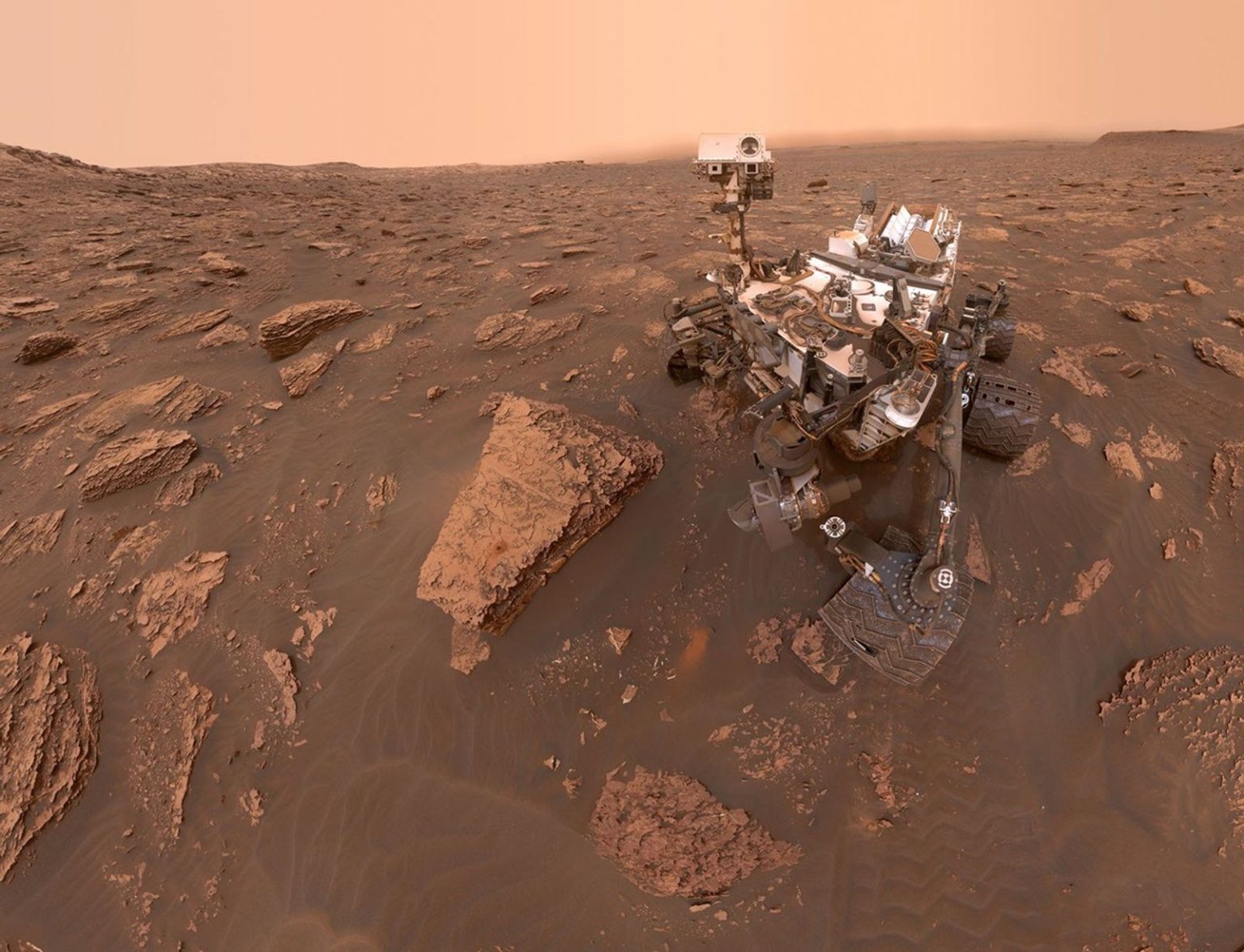
The spacecraft is also an important link in the network through which NASA receives data from the surface of Mars. It was through Odyssey that the first images arrived after the landings of Phoenix, Spirit, Opportunity, and Curiosity.
Reaction wheels have long been considered one of the most vulnerable components of spacecraft. The Kepler telescope was also affected by problems with them. In May 2013, its second of four reaction wheels failed, and its primary exoplanet-search program had to be abandoned.
Radio Silence
Problems with the Perseverance rover, which is exploring Jezero Crater, began on October 30. Just 19 days before that, according to Space.com, the rover had covered more than 45.16 kilometers and broken Opportunity’s record for distance traveled beyond Earth.
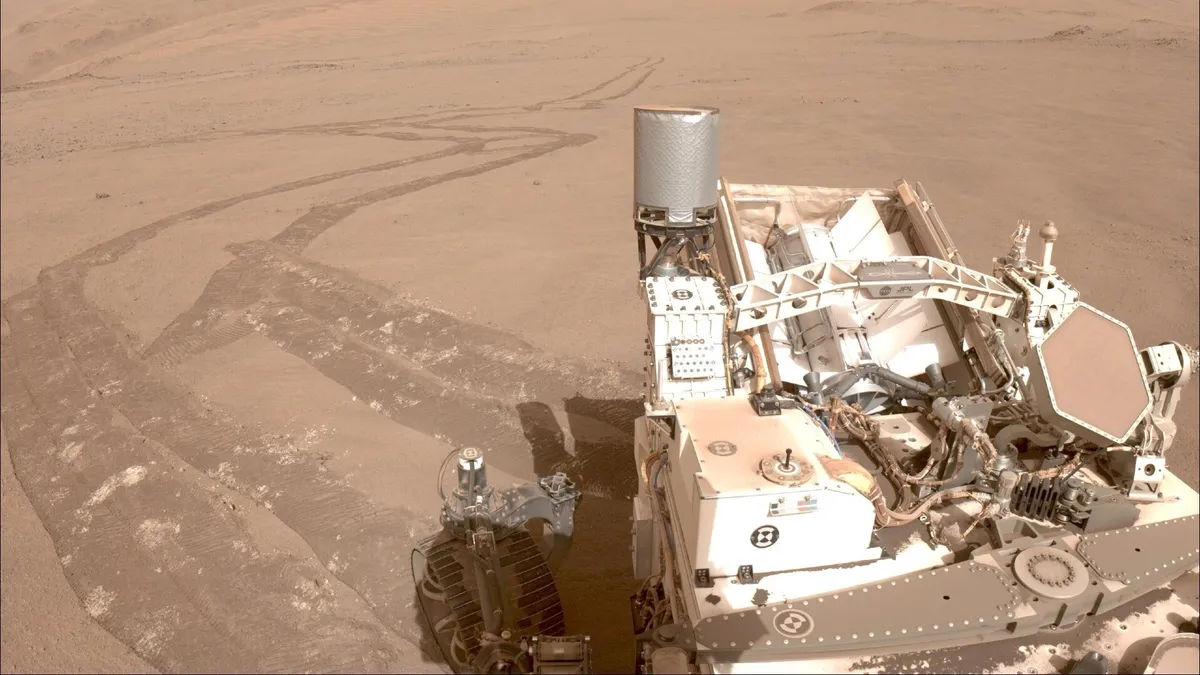
The rover’s primary UHF-band radio transmitter, which it uses to send data to orbiters, stopped sending heartbeat signals to the onboard computer. After 25 missed signals, or about 100 seconds of silence, the fault protection system switched off the radio transmitter, activated the backup one, and placed the rover in safe mode.
It later turned out that the backup radio transmitter was operating at only half its expected power. Both are now switched off until engineers determine the cause of the problems. Communication is maintained directly through the Deep Space Network, but this channel is significantly slower. It has therefore been reserved for diagnostic data, while the rover’s cameras and scientific instruments remain inactive.
The JPL team is first checking whether the backup radio transmitter can be safely returned to operation, and will only then turn its attention to the primary one. NASA hopes to return the rover to scientific exploration by the end of November.
