

NASA’s Neil Gehrels Swift space observatory, launched into low Earth orbit on November 20, 2004, to study the most powerful explosions in the Universe—gamma-ray bursts—has entered a critical condition. Over two decades, the spacecraft gradually lost altitude because of drag from the upper layers of the atmosphere. According to scientists’ calculations, the probability of its uncontrolled descent and burn-up by mid-2026 is 50%. To gain time for an orbital maneuver, NASA completely suspended scientific operations aboard Swift earlier this year.
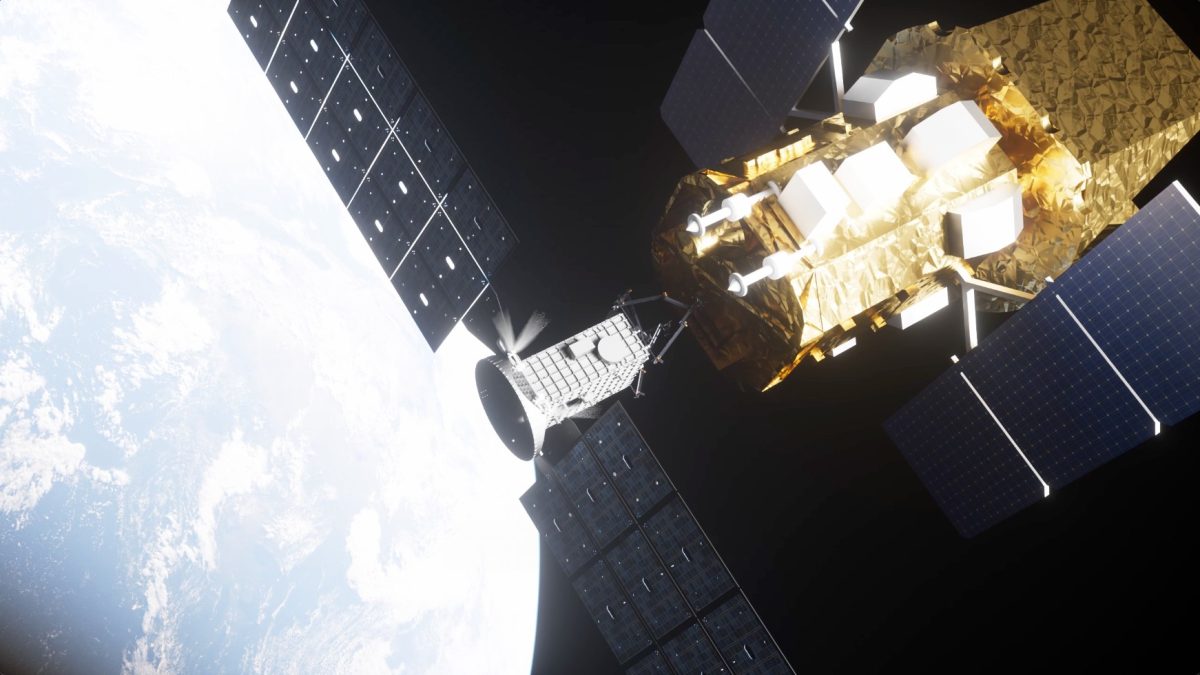
To save the observatory, the agency signed an agreement with Katalyst Space Technologies, which developed a specialized three-armed servicing spacecraft called LINK. The mission plan calls for LINK to approach Swift, capture it, and provide the impulse needed to move it into a higher and safer orbit.
LINK was launched on July 3 from Kwajalein Atoll in the Pacific Ocean aboard a Northrop Grumman Pegasus XL launch vehicle, which was released from a specially modified Lockheed L-1011 aircraft at an altitude of 12.2 km. The initial stage of the flight was successful: the spacecraft deployed its solar arrays and established communications. However, engineers soon detected unstable operation in one of its three gyroscopes.
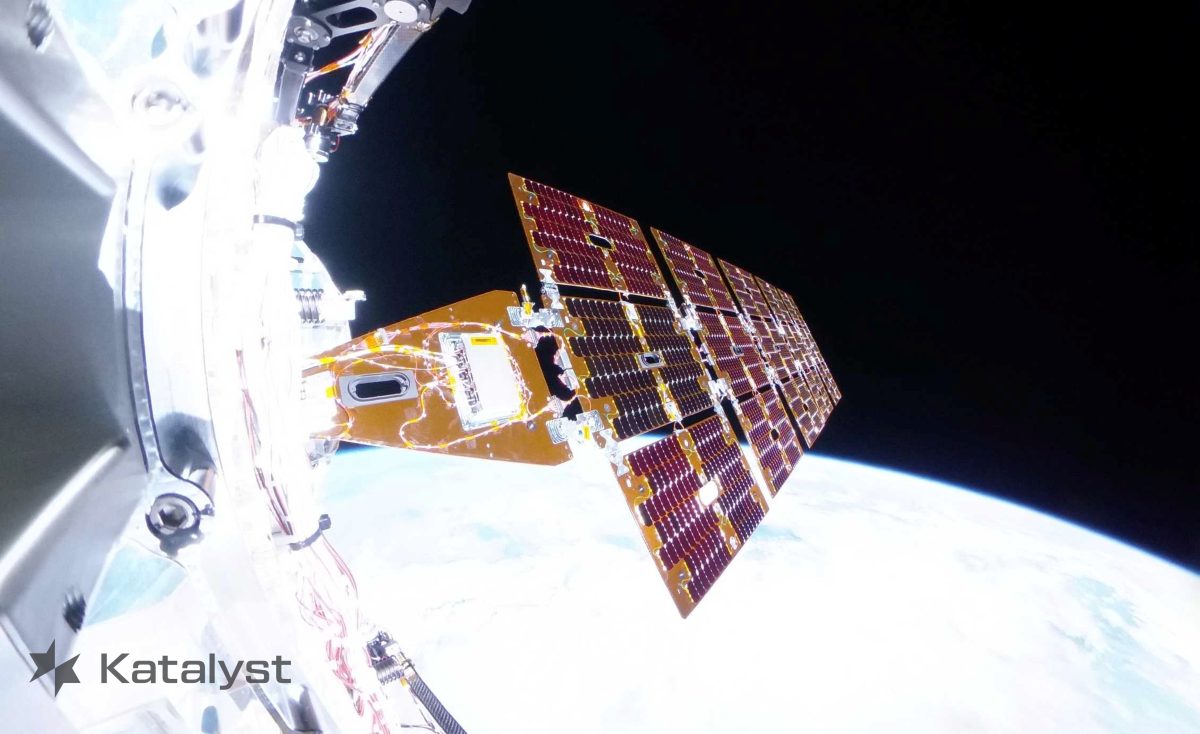
In a statement dated July 15, NASA reported that Katalyst specialists had resolved the problem through an update to the flight software.
Uncontrolled Rotation and System Failures
However, after testing resumed, the situation worsened. According to the latest official information presented in a recent NASA report, two of LINK’s three gyroscopes have now failed, and a partial loss of functionality has also been recorded in its cold-gas maneuvering thruster system.
As a result of the loss of attitude control, LINK began tumbling uncontrollably in orbit. This caused recurring disruptions in radio communication with ground stations and placed the entire rescue operation at risk.
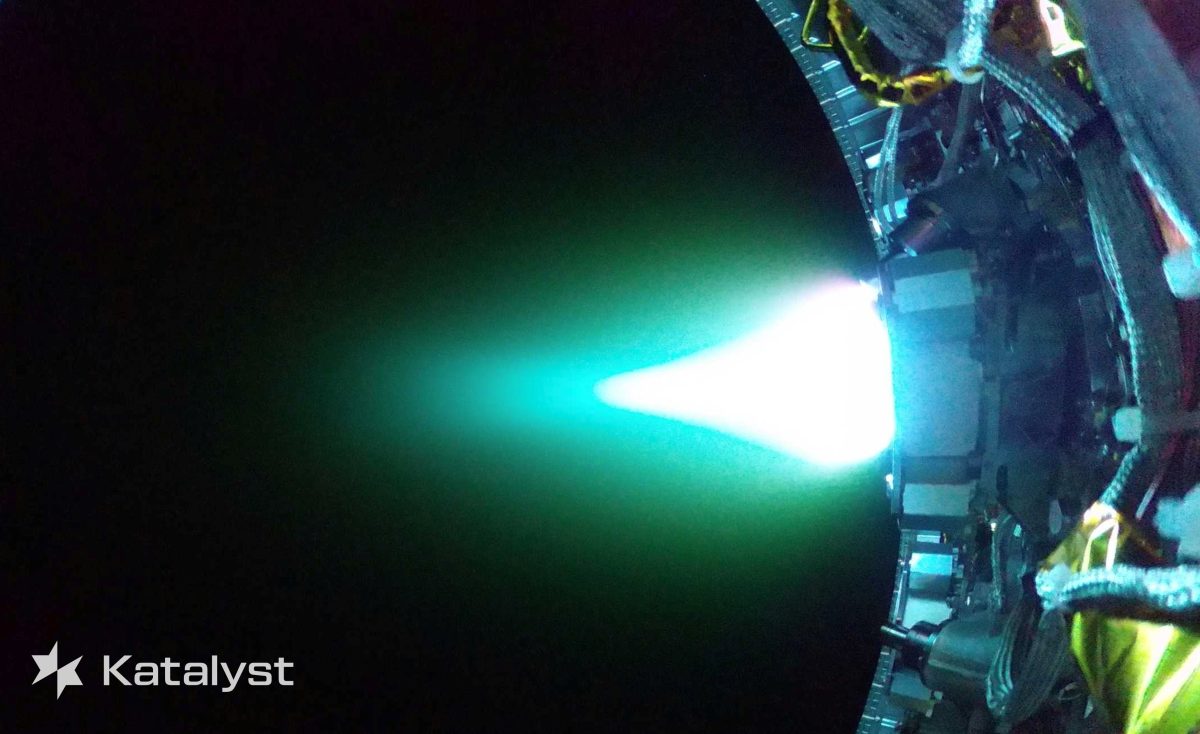
Katalyst engineers are currently maintaining contact with LINK and attempting to stop its rotation using its electric propulsion thrusters. At the same time, they are preparing a major update to the navigation, guidance, and control systems that would allow the spacecraft to operate in a new, limited configuration.
Once the rotation has been stopped and the new algorithms have been tested, Katalyst and NASA specialists will make a final decision on whether it is safe to continue approaching Swift and attempt to capture it.
Earlier, we reported on why Swift is worth saving.
According to NASA
