

A unique mission has been launched in space to save the legendary Neil Gehrels Swift Observatory (Swift) from an inevitable fall to Earth. If successful, it will be the first case in history in which a commercial robotic spacecraft captures an uncrewed NASA satellite that was never designed for servicing in open space.
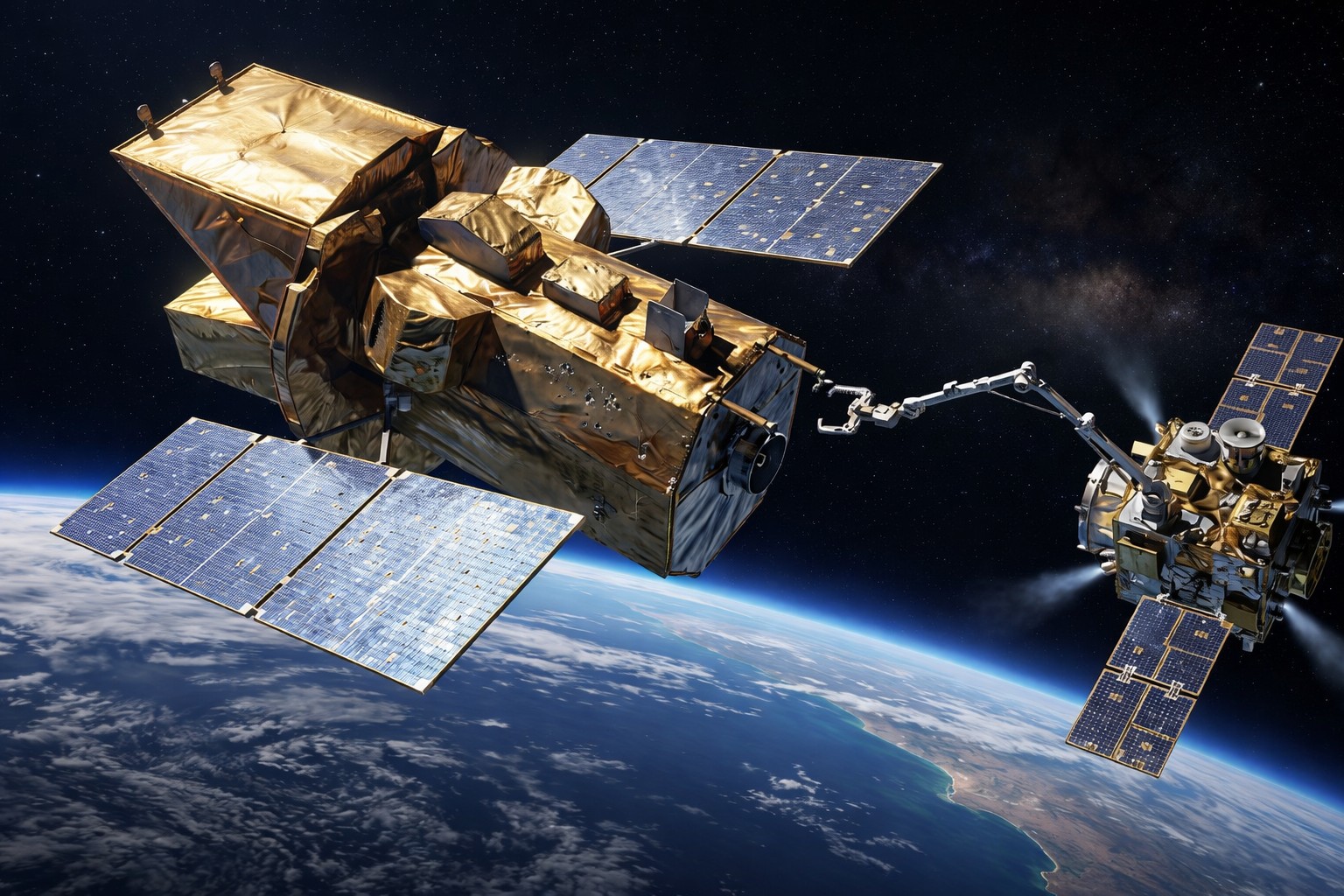
Due to atmospheric drag, which has significantly increased as a result of recent solar activity, this indispensable instrument — which has been studying the Universe across different wavelength ranges for almost 22 years — has begun rapidly losing altitude. The operations team at Pennsylvania State University minimized the telescope’s power consumption and moved it to a more optimized orbit. However, according to NASA’s calculations, without external correction, Swift will inevitably enter the dense layers of the atmosphere as early as this autumn, after dropping below the critical altitude of 300 km.
A Nine-Month Deadline
All spacecraft in low Earth orbit experience natural braking caused by the upper layers of the atmosphere. In Swift’s case, the situation was made critical by the fact that the Sun had reached the peak of its 11-year cycle. Powerful flares and coronal mass ejections in 2024 literally “inflated” Earth’s atmosphere, greatly increasing drag on satellites.
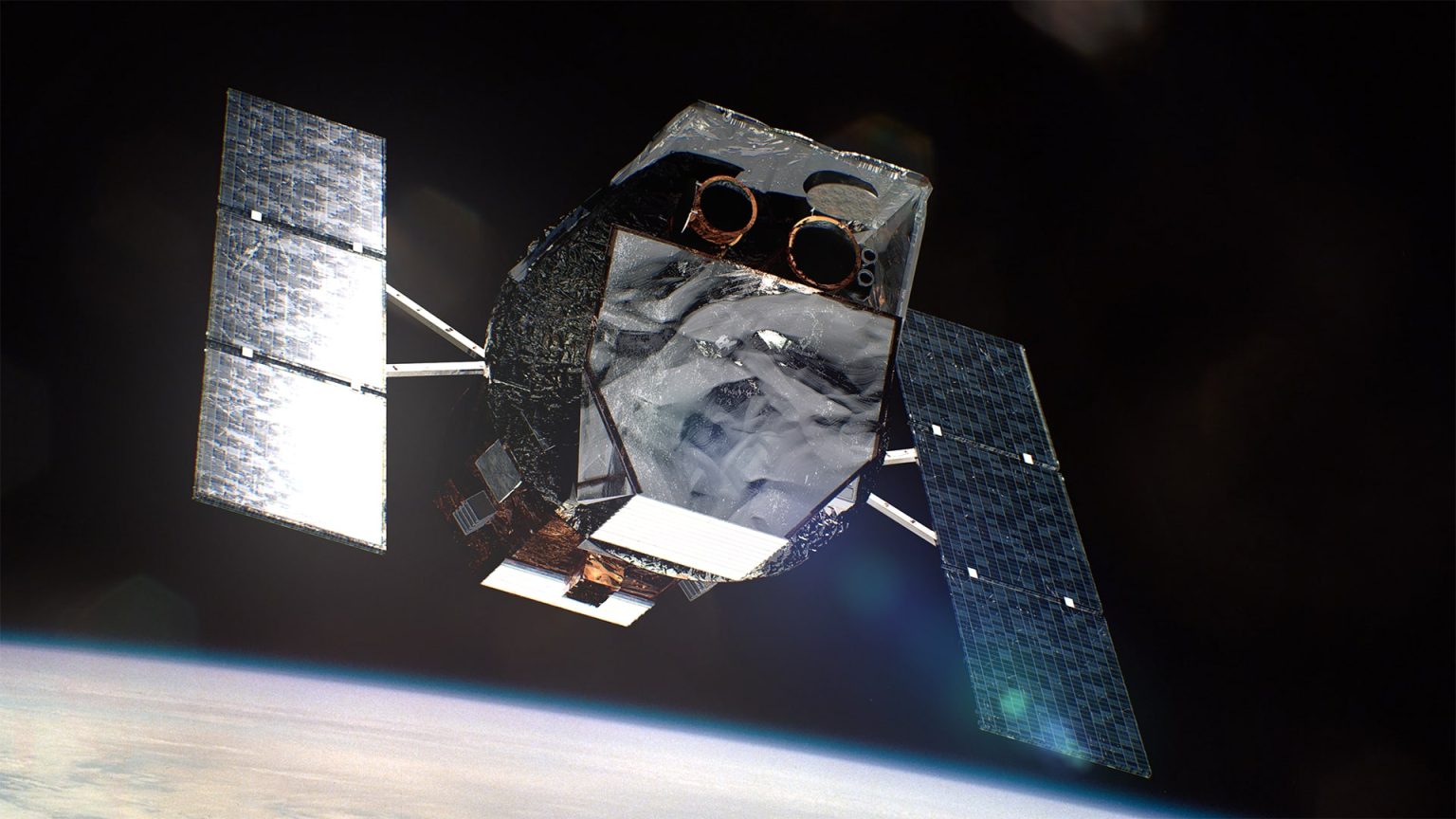
Realizing that the scientific mission could end much earlier than expected, and that no ready replacement for the telescope existed, NASA announced an emergency call for proposals. The winner was the Arizona company Katalyst Space Technologies. The private startup was given only nine months to design, build, test, and launch a rescue spacecraft from scratch.
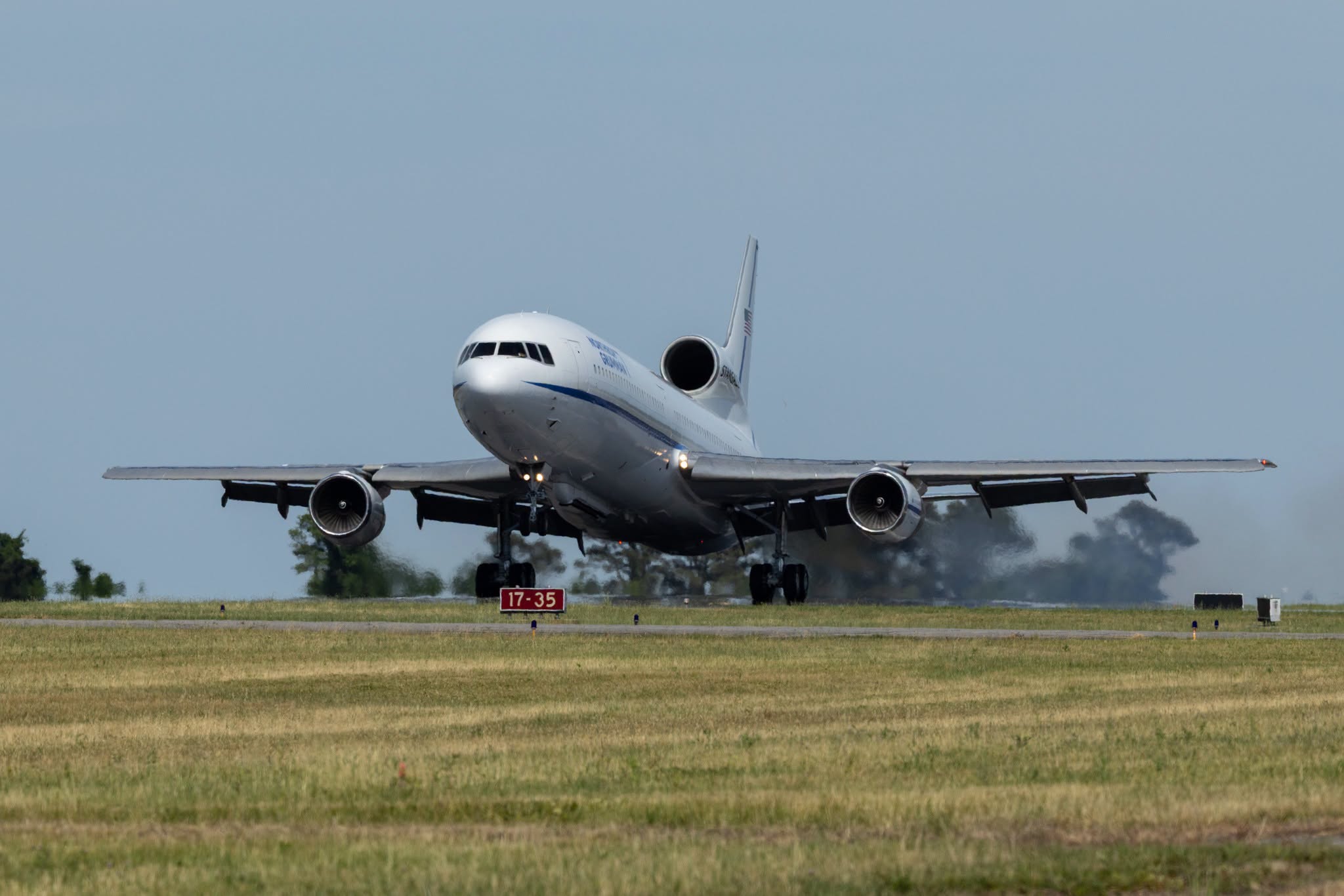

This robotic satellite was named LINK. It was launched using a Northrop Grumman Pegasus XL rocket, which was carried to a strategic altitude of 12,000 meters over the Pacific Ocean by a modified L-1011 Stargazer aircraft. After the rocket was released, its engines successfully placed LINK directly into Swift’s orbit, and ground teams have already established stable communication with it.
Hunting in Orbit
Now scientists face months of intense work. The LINK robot is three times smaller than Swift, weighs almost 400 kg, and is equipped with 6-meter solar panels and three mechanical manipulators. Its goal is to inspect the 1,452-kg observatory, find safe capture points, and secure it firmly.
This is an extremely risky engineering task, because Swift was never prepared for docking. In addition, after two decades in space, its multilayer thermal insulation may have seriously degraded. During Hubble repair missions, astronauts found that similar coating had turned, under the influence of radiation, into a fragile, glass-like material that shattered at the slightest touch.
If the capture is successful, LINK will activate its three ion engines and slowly raise Swift’s orbit to a safe altitude of 600 km over the course of several months. After completing the mission, the rescue robot will detach and burn up in Earth’s atmosphere.
A Rapid Response Service for the Universe
Why is NASA fighting so hard for this spacecraft? Swift was launched in 2004 to study gamma-ray bursts — the most powerful explosions in the Universe, during which heavy elements such as gold and platinum are formed. Since then, it has discovered more than 2,000 high-energy sources.
The observatory received its name “Swift” for its phenomenal speed. While the large Hubble telescope needs one or two days to retarget to a new object, Swift responds within minutes, capturing sudden activity from black holes or comets.
If the rescue operation succeeds, Swift will resume full-scale research by autumn. Its unique data will complement observations from the Hubble and James Webb space telescopes, as well as the future Nancy Grace Roman mission. In addition, Katalyst Space Technologies hopes to create a new business trend: robotic servicing, repair, and refueling of satellites, which could permanently change the rules of the game in near-Earth space exploration.
According to CNN
