

Northrop Grumman and the Canadian Space Agency (CSA) have made an important joint announcement: their advanced technologies, originally developed for the lunar-orbiting Gateway station, will be repurposed. The technologies will now be adapted for the needs of a future base on the Moon’s surface. Northrop Grumman announced that the hardware and technologies of the HALO (Habitation and Logistics Outpost) module will find a new application in a series of lunar surface missions.
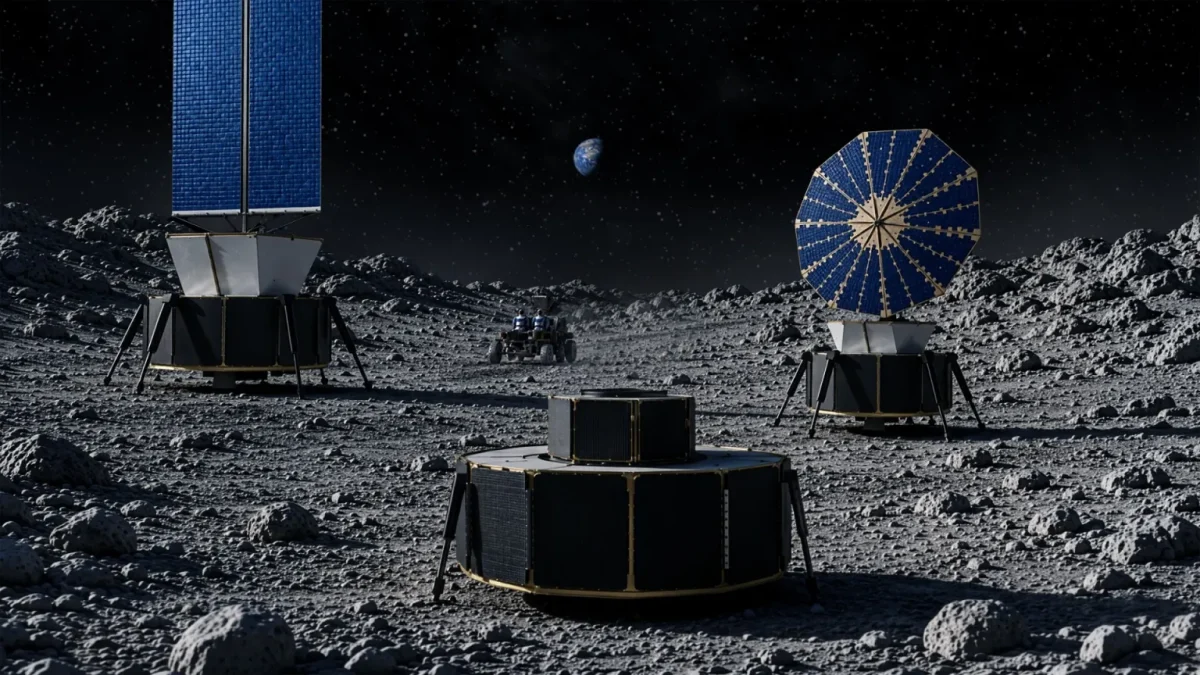
The company is preparing three special missions called Lunar Infrastructure Demo (LID). Their main goal is to deliver autonomous power sources, data transmission systems, and mechanical interfaces to the lunar surface. Northrop Grumman emphasizes that these missions will collect data critically important for NASA to determine how equipment can survive and maintain communications during the extremely cold lunar night. This will provide a reliable foundation for long-term Artemis missions.
“Reliable, flight-ready HALO technologies allow NASA to move faster in building robust infrastructure near the Moon’s south pole,” explained David Schiller, vice president of civil space at Northrop Grumman.
The company has not yet announced exact launch dates. However, the developers presented a conceptual illustration showing three landers.
Where Will the Funding Come From?
Northrop Grumman’s announcement came amid a broader update to NASA’s lunar strategy, which is now shifting its priority from an “orbital focus” toward full-scale operations on the Moon’s surface.
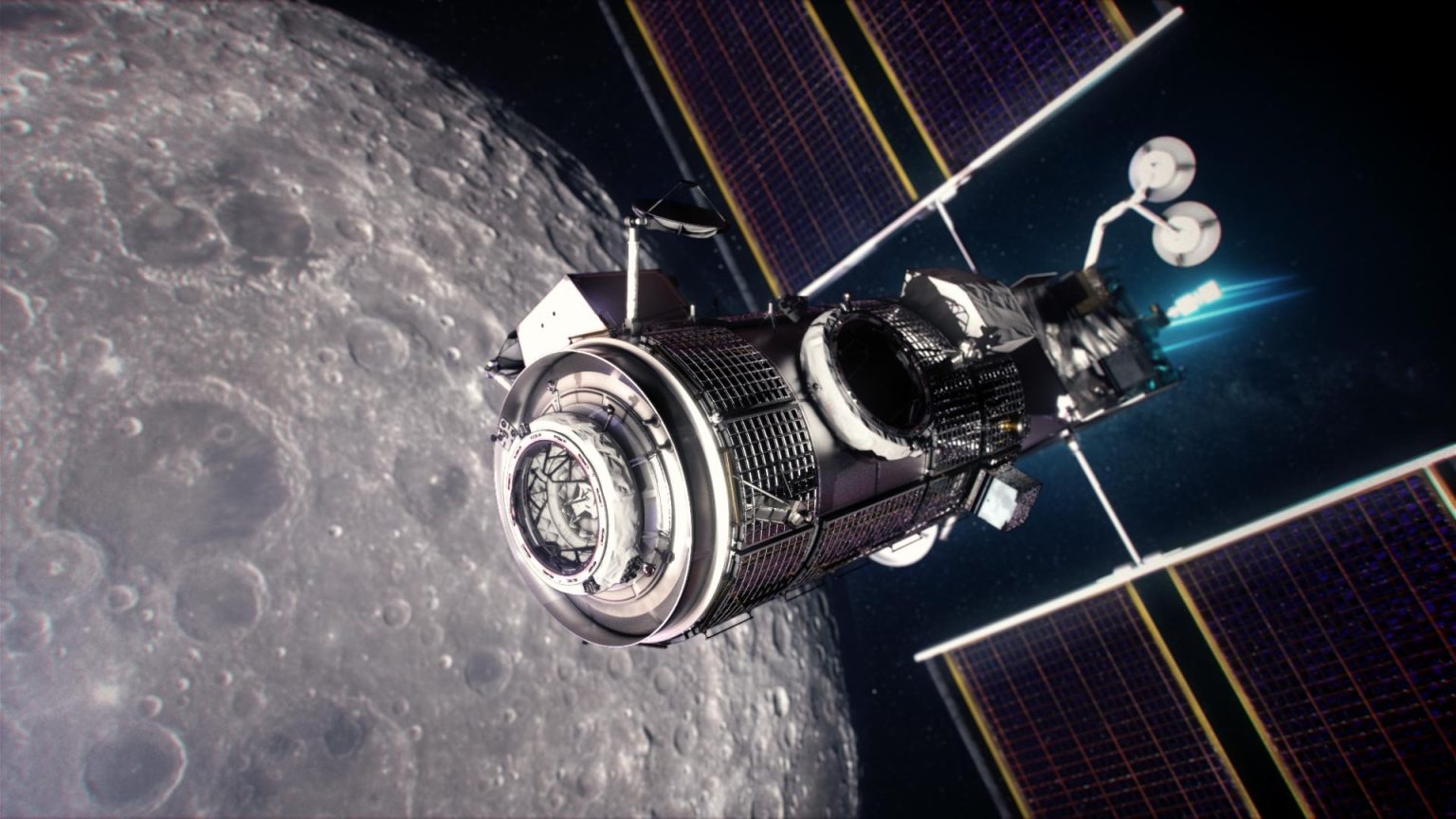
The space agency clarified that Northrop’s payloads will be delivered under the Commercial Lunar Payload Services (CLPS) program during the first phase of lunar base development, which will continue through 2029. The two sides are still finalizing the details of the contracts.
The future use of other HALO module components also remains unresolved. The module had originally been intended to serve as the primary habitation element for Gateway, but corrosion problems were discovered in structures supplied by European contractor Thales Alenia Space. As Northrop CEO Kathy Warden noted, the terms of the agreement with NASA are now being reviewed in order to make the best possible use of technologies that have already been developed.
Canadarm3 Changes Its Target
The changes have affected not only U.S. contractors. On August 6, the Canadian Space Agency announced a major redirection of its flagship Canadarm3 robotic arm system. The system had previously been developed exclusively for Gateway, but it will now be upgraded for both the lunar base and future commercial space stations in low Earth orbit.
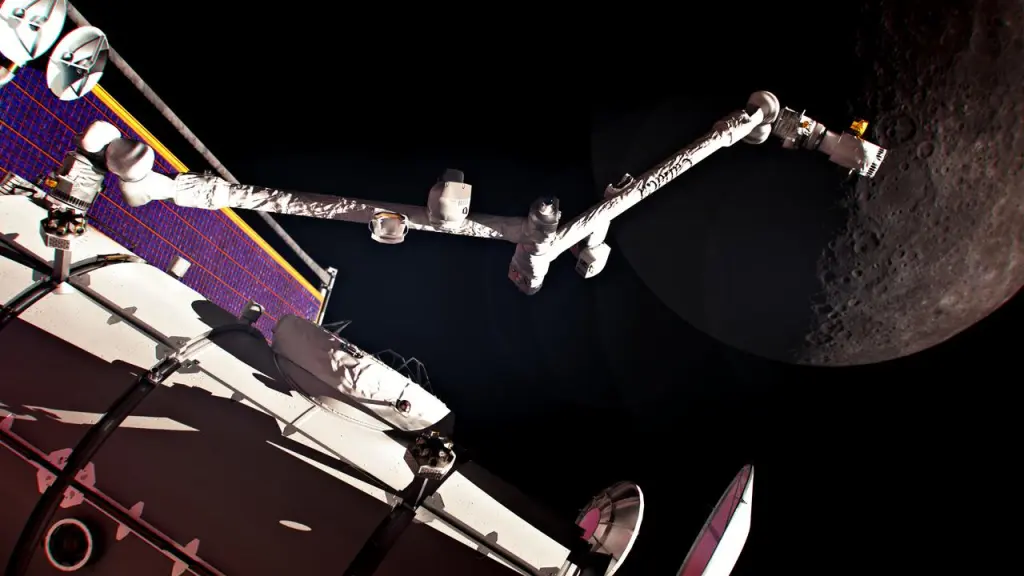
The CSA is confident that the rapid deployment of robotics on the Moon will demonstrate Canada’s expertise in this field and open new opportunities for the commercialization of space projects.
MDA Space, the main contractor for Canadarm3 under a $717 million contract, also fully supports the changes. CEO Mike Greenley said the company welcomes the global “pivot” of the space industry toward building infrastructure on the lunar surface. Engineering teams are continuing development while simultaneously adapting project specifications to new legal and technical realities.
We previously explained how space missions are planned, from concept to implementation.
According to spacenews.com