

Life on Earth has inadvertently been transferred to the surface of another celestial body through chance. Currently, we are intentionally preparing such environments for future habitation, aiming to make alien planets suitable for human life. However, the issue arises from the fact that we have not conducted thorough examinations for indigenous life forms on these planets, and our presence may consequently lead to the irreversible destruction of such native life.
The initial colonists will not be humans. An examination of how humanity is preparing to colonize Mars. Universe Space Tech YouTube channel.
The incident on the Moon altered the regulations
When individuals discuss space colonization, they generally envision the same scenario: a settlement on Mars, astronauts in spacesuits, enclosed greenhouses, and children born beneath an extraterrestrial sky. This depiction has been consistently represented in films and television programs over the years, rendering the image seemingly innate.
In this scenario, colonization invariably commences with human beings. However, in reality, it is typically much simpler organisms that are the initial inhabitants of other worlds. Moreover, the earliest such occurrence has already taken place.
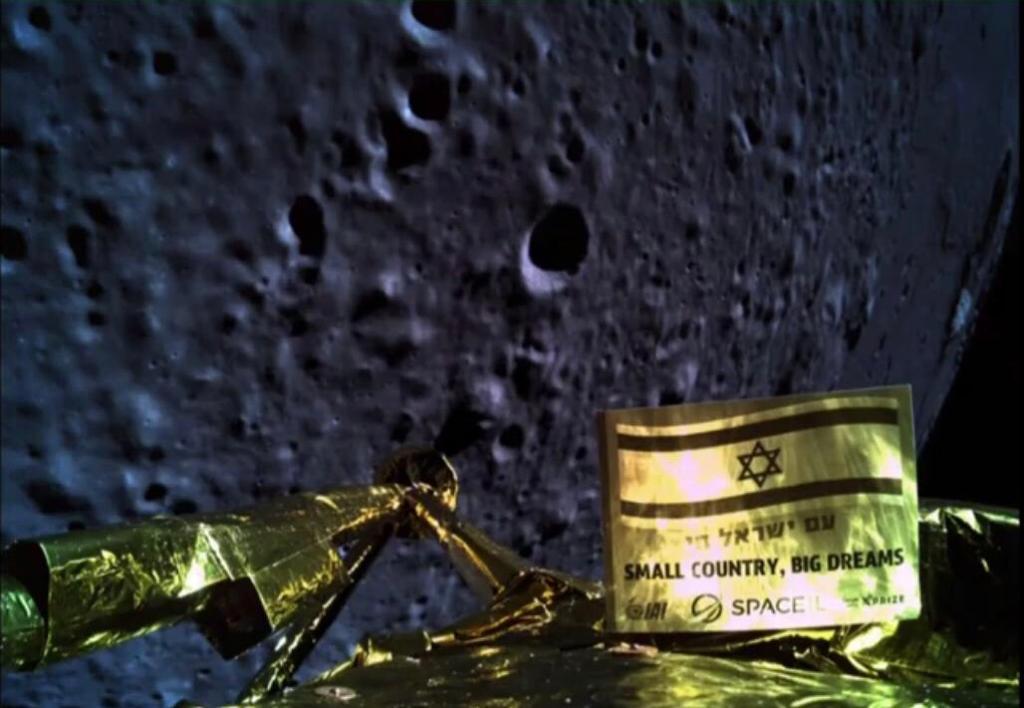
On April 11, 2019, the Israeli spacecraft “Beresheet” was preparing to land on the Moon. The private mission, with a modest budget and a big dream, ended in a crash because the main engine failed about 10 km from the surface. On board was a disc from an American organization that collects humanity’s archives — a sort of time capsule. Along with texts and images, 100 million human, plant, and microbial cells were encased in a layer of epoxy resin between nickel plates, along with several thousand dried tardigrades.
Tardigrades are microscopic organisms capable of dehydrating almost entirely under unfavorable conditions and in the absence of water. In a cryptobiotic state, they are able to withstand vacuum conditions, radiation, and freezing temperatures, and upon the reappearance of moisture, they revert to an active state. This process, however, would not occur on the Moon, as liquid water is absent, and the surface — lacking an atmosphere and magnetic field — is subjected to radiation.
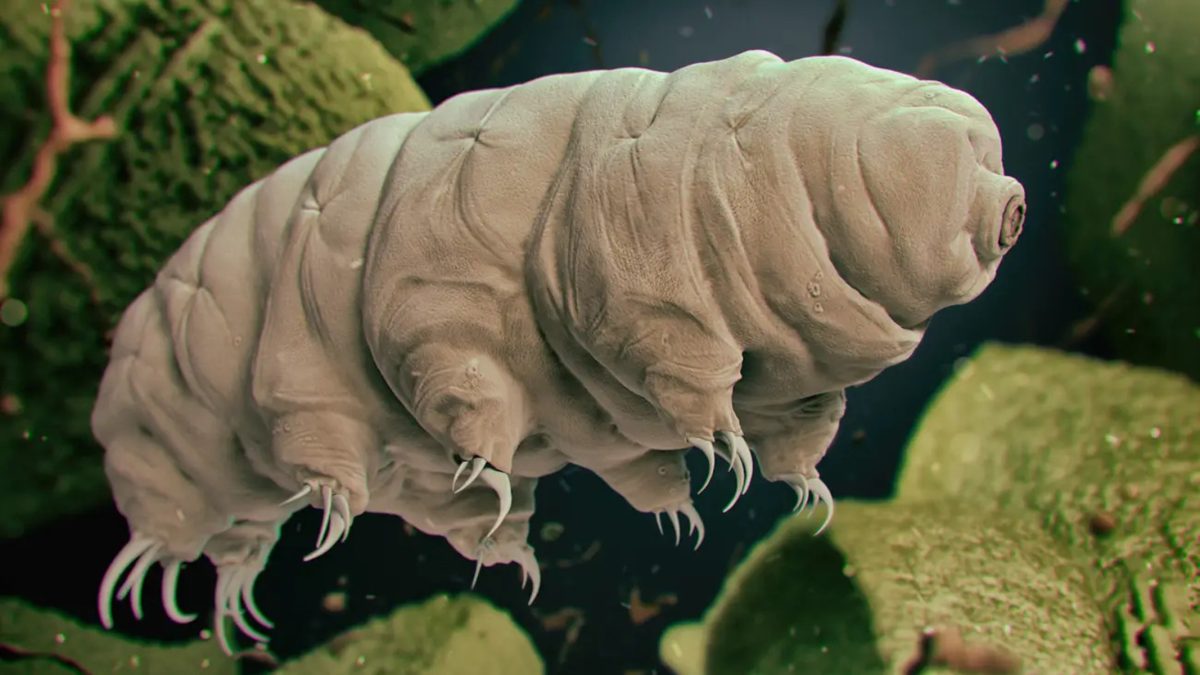
Photo credit: Shutterstock via Business Insider
The importance resides elsewhere. The cargo was not declared as biological material in the manner mandated by regulations, and the existence of living organisms onboard was only revealed after the incident. Life from Earth inadvertently arrived in another world through a private package, and no one intervened to prevent this.
Mars lacks carbon dioxide
Conscious colonization of an extraterrestrial planet operates differently, as the initial step involves preparing the celestial body for human habitation. Mars stands as the most probable candidate for such preparation, with the primary focus being temperature regulation, since it is a critical factor in the potential existence of liquid water.

The challenge appears akin to an engineering problem. It involves elevating the temperature sufficiently for the ice to commence melting, thereby initiating a self-sustaining process, as water vapor exhibits superior heat retention compared to any other gas. Mars possesses a sufficient quantity of water, with exposed ice covering approximately two percent of its surface, predominantly within the polar caps. Additionally, beneath the soil, specifically at locations farther from the equator, deposits have been observed through orbital observations that potentially encompass up to one-third of the planet’s surface. However, the primary issue is that all of this water exists in the form of ice, resulting in a negligible presence of water vapor in the atmosphere. An alternative gas is required to provide the initial impetus, with carbon dioxide being a plausible candidate for this role.
The atmosphere of Mars comprises approximately 95% of its total atmospheric content; however, this figure represents a percentage rather than an absolute quantity. The surface pressure is less than 1% of Earth’s, indicating that the total atmospheric mass is extremely minimal. The majority of atmospheric reserves are stored in frozen states within the polar caps and are chemically bound within the soil and minerals, necessitating their release prior to heating.
In 2018, Bruce Jakoski and Christopher Edwards quantified the potential carbon dioxide emissions from these reservoirs. The conclusion was explicit: the quantities present would be insufficient for terraforming purposes.
Mars’s interior continues to emit gases, albeit at a very gradual pace; at the current rate, it would require approximately 10 million years to double the mass of its atmosphere. Furthermore, the planet is experiencing a depletion rather than an accumulation of its atmosphere. Approximately 4 billion years ago, Mars lost its global magnetic field, which had served as a shield against the solar wind, and since that time, internal processes have not reinstated this protective barrier.
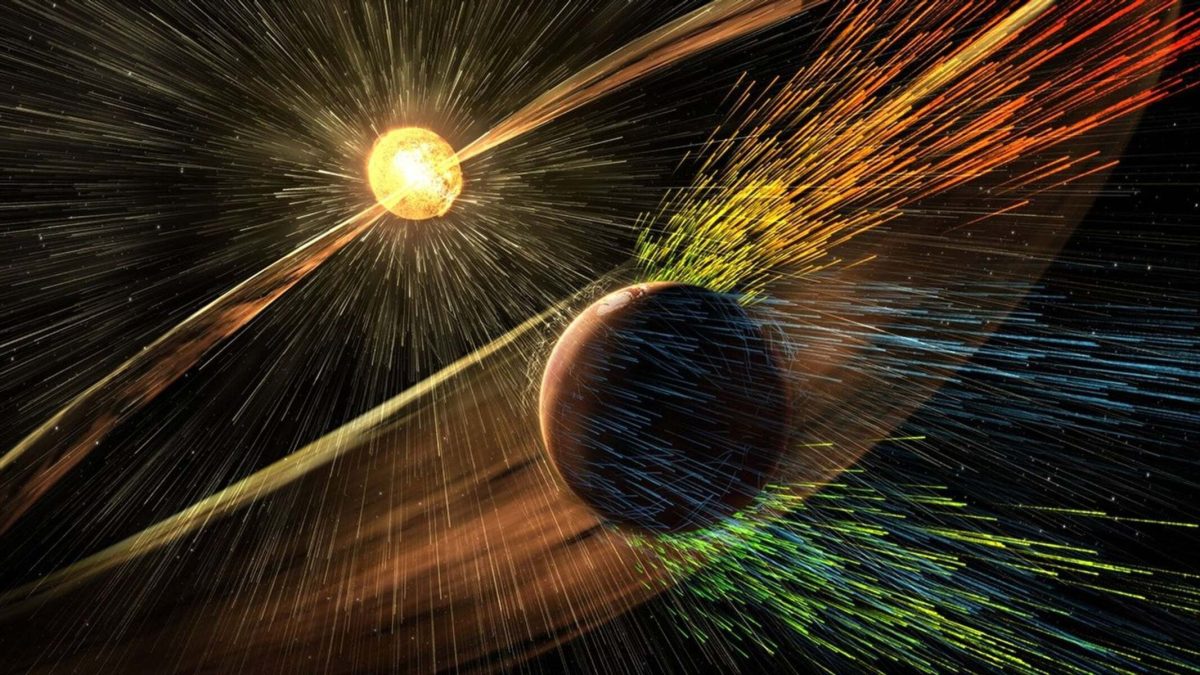
Credit: NASA / GSFC
The losses were quantified utilizing the MAVEN spacecraft, which NASA specifically deployed to Mars for this objective. Approximately 100 grams of the atmosphere are lost each second, and this rate amplifies tenfold during intense solar storms. In the early epochs of the Solar System, the solar wind was more vigorous and solar flares occurred with greater frequency; consequently, the planet forfeited most of its atmosphere shortly after its magnetic field ceased to exist. It appears that the plan to warm and seed the planet is not impeded by the complexity of the implementation, but rather by a deficiency of raw materials necessary for the initial phase.

Technological methods for warming Mars
The absence of carbon dioxide eliminates only one of the potential methodologies. In the year 2024, a publication appeared in the journal Science Advances wherein the authors suggested warming Mars without the utilization of greenhouse gases.
Alternatively, they suggest dispersing small solid particles into the Martian atmosphere. Natural dust is deemed unsuitable for this purpose due to the particles’ small size and near-spherical shape, which results in the reflection of a portion of sunlight back into space, thereby causing surface cooling. Although these particles do absorb thermal radiation and can warm specific atmospheric layers, this does not lead to an increase in surface temperature.
Particles of an alternative shape are required. The study details metal needles measuring nine micrometers in length, which are considerably thinner than a human hair. The Martian surface, heated by solar radiation, emits thermal energy into space, and the length of the needles was selected to correspond with the wavelength of these thermal waves. Consequently, the particles absorb and trap heat as it radiates outward, while concurrently scattering sunlight downward toward the surface.
According to the authors’ calculations, this approach is more than 5,000 times more effective than the most potent greenhouse gases. Mars would experience an increase in temperature of approximately 30°C, leading to the melting of ice. The raw materials necessary for production are also available on the planet, as its distinctive red coloration results from an iron compound — specifically, rust — which is present in the dust on Mars.

The primary limitation is the non-existence of such particles. The authors of the study candidly acknowledge that the feasibility of the idea hinges on the ability to produce the needles directly on Mars and in substantial quantities. They estimate that these particles would remain suspended in the atmosphere for considerably longer durations than natural dust particles; nonetheless, they would ultimately settle, necessitating continuous release. The critical parameter — the actual duration that the particles remain airborne in the Martian atmosphere — has not yet been measured by any entity. This parameter is precisely what determines the viability of such a concept.
The authors also highlight that warming Mars does not necessarily imply making the planet habitable. The primary focus is on liquid water, which is essential for two reasons: firstly, a purely physical reason, as evaporation generates vapor that traps heat; secondly, a biological reason, since water in a frozen state is inaccessible to organisms. However, at present, all of these considerations remain theoretical and are limited to calculations without practical implementation.
Life as a means of terraforming
Technical methods for altering planetary conditions depend on engineering solutions; however, life itself has the capacity to contribute to this process. This concept was established long before contemporary theories.
In 1961, American astronomer Carl Sagan, a professor at Cornell University, published an article about Venus in the journal Science, in which he proposed “seeding” its atmosphere with algae. The algae would process carbon dioxide, the greenhouse effect would weaken—and the planet would cool to a temperature at which life could exist there. 12 years later, Carl Sagan turned his attention to Mars and proposed covering the polar caps with dark material so that they would stop reflecting sunlight and begin absorbing it.
This concept was not originated by a science fiction author but by a planetary scientist responsible for spacecraft design at NASA. His methodology entailed dispatching living organisms to extraterrestrial environments, enabling them to perform the necessary tasks independently. Unfortunately, none of the proposed options proved feasible. The proposed plan for Venus relied on assumptions concerning the planet’s conditions, which subsequent findings revealed to be inaccurate. Additionally, the temperature decrease in the polar caps of Mars amounts to merely approximately ten degrees, which is insufficient for the intended purposes.
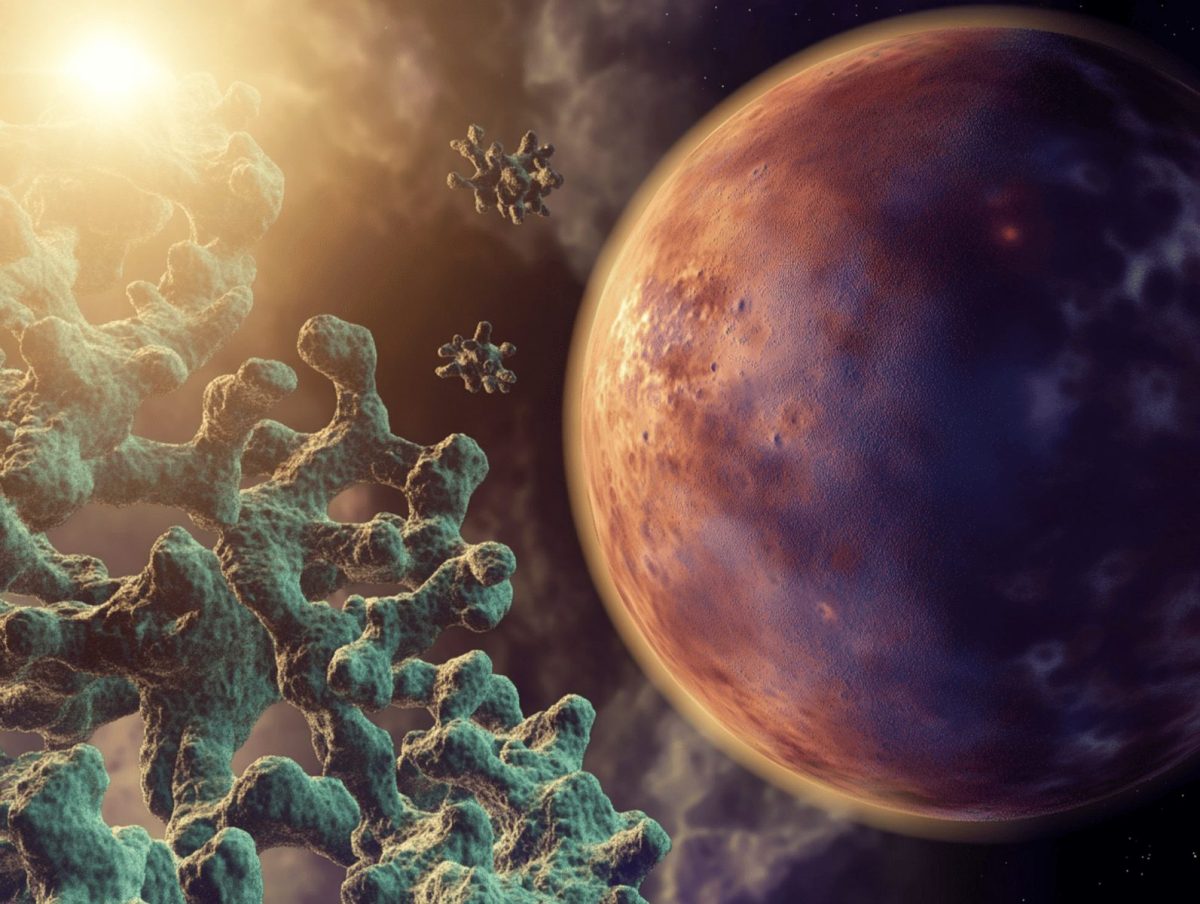
However, the concept itself remains persistent, and contemporary efforts are ongoing. In San Francisco, a nonprofit organization known as Pioneer Labs has a clearly articulated mission: to engineer microorganisms capable of enduring the conditions on Mars. Several challenges impede this endeavor, including radiation exposure, low temperatures, and soil containing perchlorates — salts that are toxic to most terrestrial organisms.
Erika DeBenediktis, the director of Pioneer Labs, articulates a long-term perspective as follows: Genetically modified microbes may disseminate across surfaces akin to algae and, over several decades, commence altering the atmosphere via photosynthesis. It is estimated that approximately a thousand years will be required to generate sufficient oxygen to sustain more complex life forms. At present, this remains a hypothesis rather than a conclusion derived from experimental evidence. Nevertheless, the laboratory is operational, and the requisite organisms are currently being cultivated.
Defenders of extraterrestrial planets
While some individuals are preparing for the possibility of life being sent to other planets, others have dedicated years to ensuring that not a single Earth bacterium contaminates those planets. This discipline is known as planetary protection.
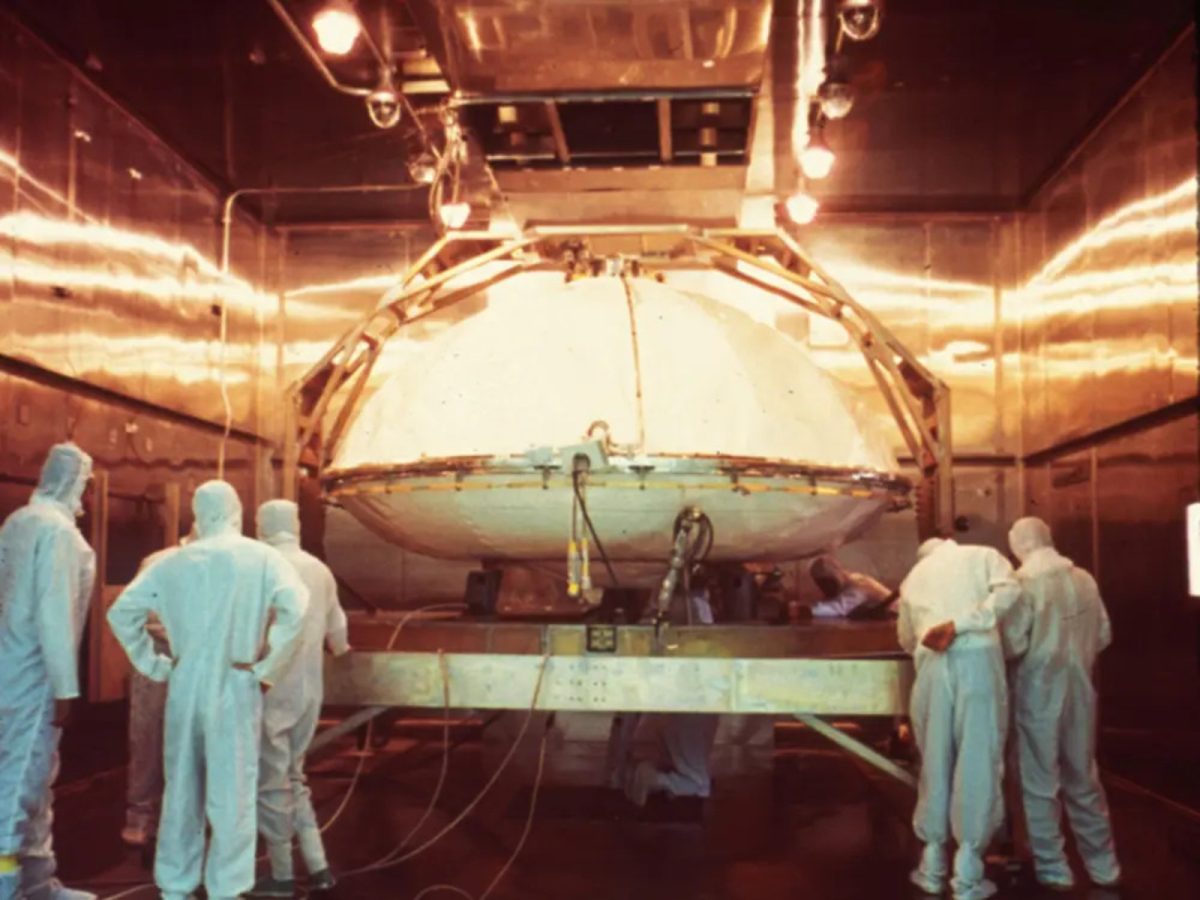
Every spacecraft that travels beyond Earth is assembled in a clean room. The air there is continuously filtered; people work in protective suits — not for their own safety, but to protect the equipment from them — and the components themselves are wiped down with alcohol, heated, and disinfected with chemicals. The Viking, which flew to Mars in the 1970s to search for life, underwent the most rigorous treatment of all. Back then, the spacecraft was heated to a high temperature in a special furnace. Modern electronics cannot withstand this, so achieving sterility is more difficult today. A significant portion of the mission’s budget goes toward this preparation, but the reason is clear. The probes are sent to search for living organisms, and a discovery would be meaningless if a bacterium were brought from Earth and then found there.
The entire concept is predicated on the assumption that sterility is attainable. In the year 2025, a study was published in which the authors examined not the equipment, but the facility itself. Samples were collected from the floor of the room where Phoenix was prepared, and twenty-six bacterial species, previously unknown to science, were identified.
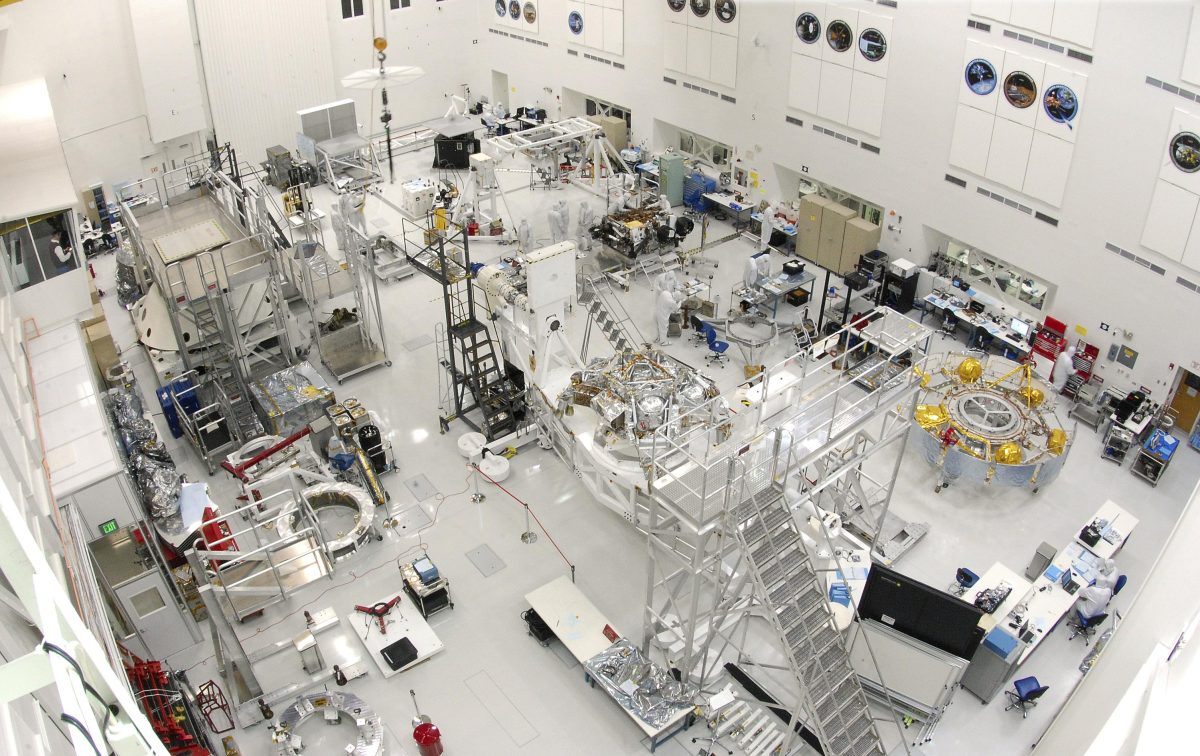
New species are also identified in typical garden soil, rendering this discovery unsurprising. More significantly, numerous species identified possess genes that confer resistance to disinfection and radiation. Even the most hygienic environments we are capable of constructing remain environments where resilient organisms can survive.
Undergoing decontamination in a laboratory and residing on an extraterrestrial planet are two distinct activities; however, the regulations are established with a safety margin specifically tailored for the latter scenario. Not all scientists deem this safety margin justified. Astrobiologist Alberto Fairén articulated a strong critical stance on this matter; in 2017, he and his colleagues published an article presenting a straightforward thesis: planetary protection measures have been overly cautious. The most stringent requirements are designated for so-called “special regions” — areas where liquid water may temporarily exist under specific conditions, thus increasing the likelihood of discovering life. To investigate such a region, a spacecraft must be sanitized to a standard that is, in fact, unattainable. This situation results in a paradox: it is precisely these locations that are prohibited from exploration due to excessive caution.
A response to Alberto Fairén’s article was subsequently published in the same journal, bearing the illustrative title “Four Flaws and One Omission.” This title was selected by John Rammel and Catherine Conley, who served at different times as NASA’s planetary protection officers. Their argument contends that the regulations do not ban the search for extraterrestrial life; rather, they delineate the conditions under which such a discovery can be deemed to be of Martian origin. Without these criteria, any discovery would lack verifiable proof. Additionally, the omission pertains to the fact that terrestrial life forms can be entirely deleterious, as introduced microbes have the potential to contaminate water sources and soil necessary for future colonization efforts.
In 2005, astrobiologist Charles Cockell observed that the term “planetary protection” is overly restrictive. Protection pertains to safeguarding our interests — namely, the integrity of data and preventing instruments from providing misleading information to researchers. Instead, he advocated for the adoption of the term “planetary preservation,” which emphasizes safeguarding the indigenous microbial ecosystem rather than our scientific findings. Charles Cockell explicitly clarifies that he does not propose an outright ban on activities and acknowledges uncertainty regarding whether Mars necessitates the same stringent requirements as, for example, the icy moons. The central issue concerns the precise nature of what we are endeavoring to protect.
Viking and a result with no answer
50 years ago, we approached the definitive assessment of the existence of life on Mars. On July 20, 1976, the Viking 1 lander successfully touched down on the planet’s surface, followed by Viking 2 approximately one and a half months later. To date, these missions remain the only endeavors explicitly dedicated to the search for living organisms, rather than solely focusing on water, organic matter, or habitable conditions.
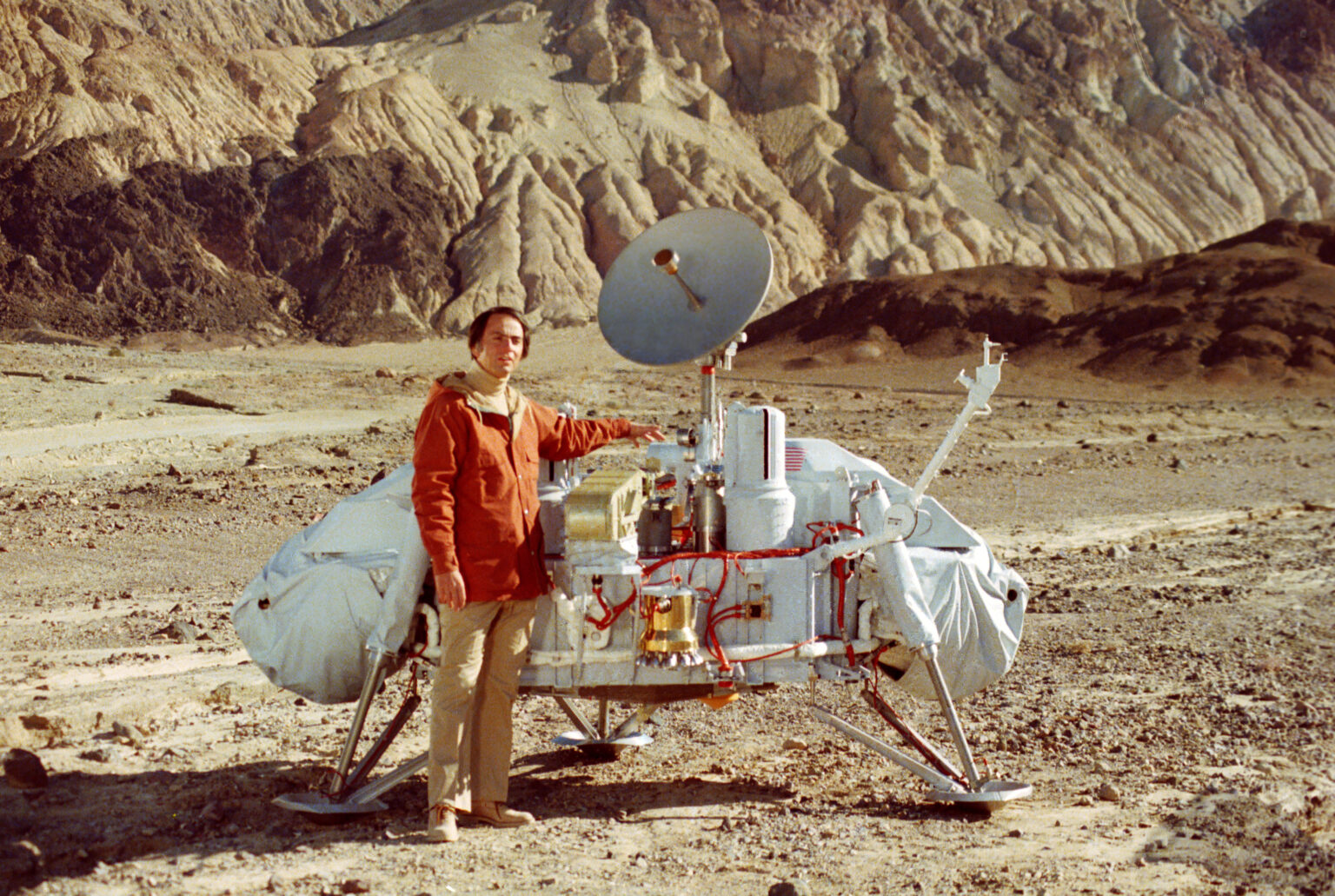
Each participant carried a small biological module containing three distinct experiments. The most straightforward experiment operated as follows: a sample of soil was taken, a nutrient solution — serving as sustenance — was added, and if there were any living organisms within the sample, they would consume the nutrients and produce gas as a metabolic byproduct. This reaction was successfully observed on the initial attempt, repeated subsequently, and was confirmed by a second device situated six and a half thousand kilometers away.
Subsequently, they examined whether non-biological chemical processes could yield the same outcome. They meticulously heated the same soil sample to ensure the absence of any residual living organisms. Prior to the flight, the researchers agreed to interpret the release of gas from a fresh sample as indicative of life, should the heated sample not exhibit such gas release. This precise outcome was observed.
This image was modified using data from an alternative instrument that was concurrently analyzing the soil for organic matter — specifically, complex carbon compounds constituting all living organisms. No organic matter was identified in the samples. According to the prevailing understanding at the time, the conclusion was unequivocal. Since organisms cannot originate from nothing, the reaction was deemed not to result from biological chemistry, and the matter remained unresolved for decades.
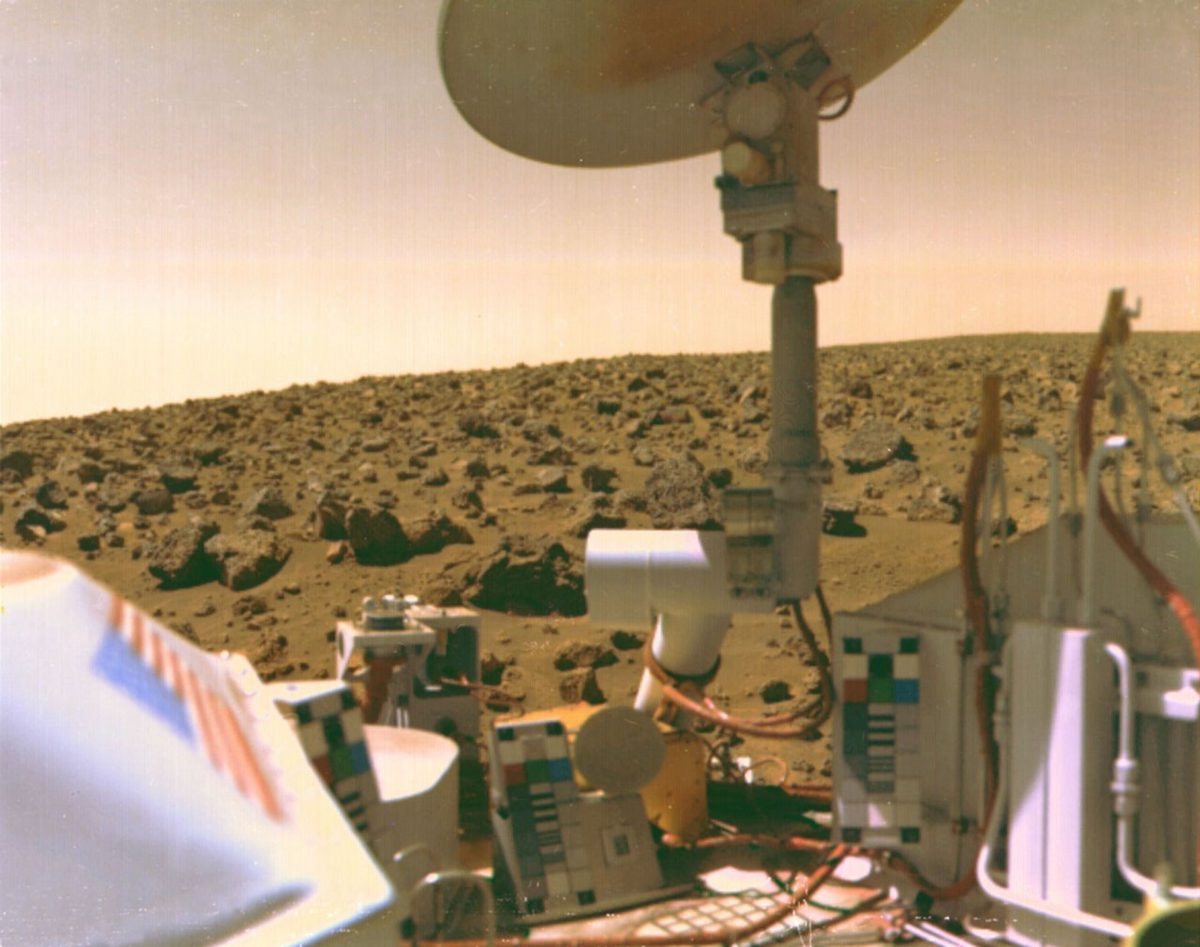
Two discoveries prompted a recommencement of the mission. Firstly, perchlorates — salts that Phoenix had identified in virtually all locations in 2008 — were detected within Martian soil. As Charles Cockell elucidates in an interview with our publication, organic matter reacts with perchlorate upon heating and subsequently decomposes; consequently, the Viking instruments’ heating of the sample likely resulted in its destruction during analysis. Secondly, organic matter has indeed been identified on Mars, as evidenced by the NASA rovers, which detected organic compounds in both rocks and soil.
The question remains unresolved. According to Charles Cockell, uncertainties persist regarding the Viking results, even after 50 years. Some scientists assert that the mission indeed achieved certain discoveries, whereas others remain uncertain.
It appears that establishing the existence of life on a planetary body is comparatively straightforward, as detecting it on a single occasion suffices. Conversely, demonstrating its absence is significantly more challenging, requiring an examination of every part of the planet — every layer of soil, each crack, and all depths — and even then, the most accurate statement would be “we did not find any,” rather than asserting ‘there is no life there.”
Professor Charles Cockell adds an important detail to this. No location has yet been found on Mars where living organisms could definitely reproduce. The so-called “special regions” have been identified based on theoretical considerations, but these are still just assumptions, since we have not visited any of them.
Who determines the destiny of other worlds?
While we seek a resolution to this vicious cycle, it is worthwhile to consider who genuinely holds decision-making authority regarding the destiny of other worlds. It appears that such authority rests with humanity as a whole — or, at minimum, with the principal space agencies. In actuality, planetary protection manifests as a systematic framework, albeit not codified into law. It comprises a set of recommendations formulated by the Committee on Space Research (COSPAR). These recommendations are elaborated in detail, subjected to regular review, and the most recent version received approval at the conclusion of 2025. Leading agencies comply with these guidelines — not out of legal obligation but because they consider it essential.
This does not pertain to private entities. Pioneer Labs is engaged in cultivating organisms for Mars; however, it has not obtained explicit permission to do so, as such authorization is not deemed necessary.
Formally speaking, there is an individual or entity responsible after all. In 1967, when only a limited number of countries were engaged in space exploration, the Outer Space Treaty was signed, and it remains effective to this day. One of its articles stipulates that states bear international responsibility for their national activities in space, including those conducted by private companies. In other words, the United States would be accountable for any microbes originating from an American laboratory on Mars.
The issue lies in the agreement’s specification, which identifies only the responsible party without enumerating prohibited actions. These actions are expressed as recommendations, lacking legal enforceability. The entire framework depends on mutual goodwill and functions effectively as long as all parties concur. The “Beresheet” incident was an isolated anomaly, resulting not from malicious intent but from an error.
In 2025, the journal Acta Astronautica published an article proposing a moratorium — that is, a temporary prohibition on “seeding” other planets with Earth-based life — until it is ascertained whether such actions are ethically and responsibly permissible. The authors argue that “seeding” an extraterrestrial environment is economically feasible, as it does not necessitate government funding or billions of dollars; rather, it requires only a single laboratory and one shipment. However, the authors emphasize that the consequences are irreversible, because once life is established, it cannot be eradicated.
In an interview with our publication, Charles Cockell redirects the focus of the inquiry towards ourselves. Here on Earth, we frequently sterilize microbes in our households with bleach and remain indifferent to their survival prospects; however, we safeguard the stromatolites in Australia — those very layered structures that microbes have been constructing for billions of years — as emblematic of ancient life. The same principle applies to trees: some are preserved due to their historical and aesthetic significance, while others are felled to accommodate the construction of supermarkets.
In this context, the inquiry assumes a different significance. It may not pertain to the value of microbes per se, but rather to our actual requirements. Our concern for the Martians appears to be contingent upon our inability to reach them. It remains uncertain whether this concern will endure once construction commences on-site.
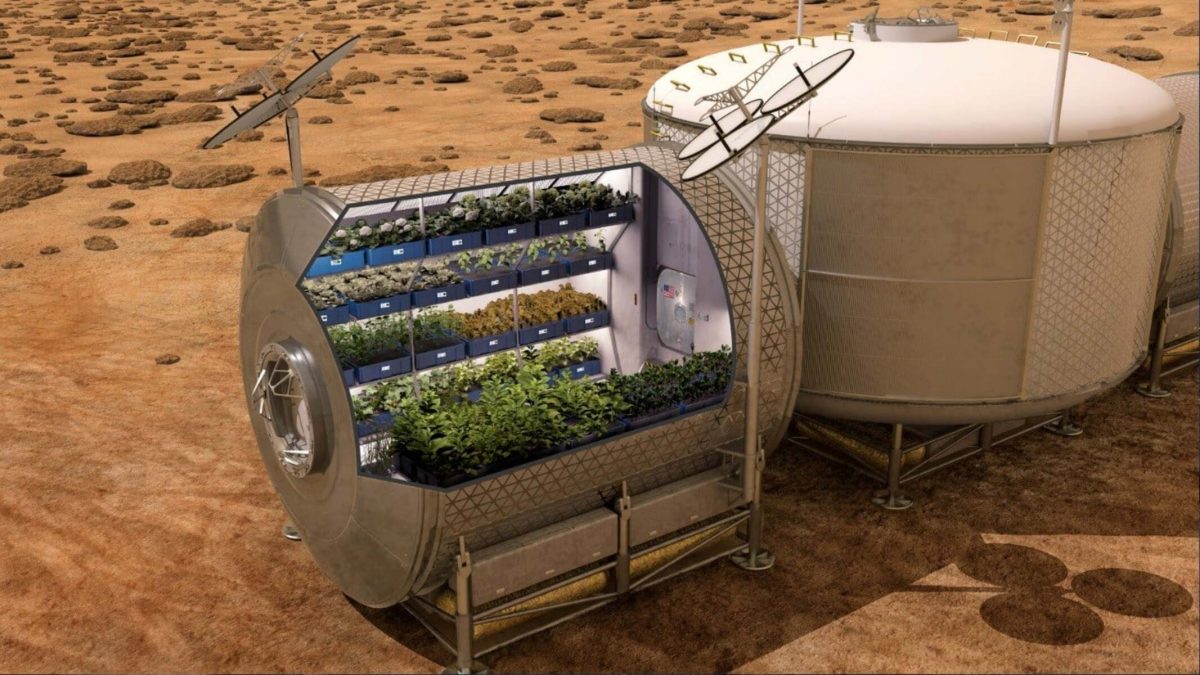
Although the discussion is still ongoing, certain developments are already underway. The Italian Space Agency has developed an experiment focused on the cultivation of plants, which has been selected for SpaceX’s inaugural landing on Mars. This experiment involves a sealed container — a meticulously prepared scientific study — and no actual planting is taking place. The agency’s leadership underscores that this will mark the first instance of living organisms from Earth being intentionally transported to the surface of another planet. It is also immediately clarified that the plants will remain inside the spacecraft. The primary objective of this experiment is to investigate the effects of a six-month spaceflight on living cells.
In 2026, a roadmap was also published, currently in preprint form. The document outlines the research needed to determine whether it is even possible to warm Mars. Among the more than twenty authors are researchers from Pioneer Labs and Charles Cockell himself. His position on the matter has not changed, as he considers it unacceptable to destroy Martian microbes, if they exist. In his view, altering the environment is permissible only if we can demonstrate our ability to coexist with what is already there.
Simultaneously, he and a colleague are investigating a third alternative. If life necessitates liquid water, heat, and protection from radiation, it is not obligatory to modify the entire planet; rather, establishing a small, self-sustaining environment capable of maintaining these conditions independently is sufficient. The authors explicitly juxtapose their concept with terraforming, as planet alteration entails irreversible interference with the entire celestial body, whereas a sealed module leaves no more impact than a conventional manned expedition.
It appears that individuals who have spent 20 years debating whether humanity has the right to modify other planets are now sitting at the same table to develop a research plan. In other words, this is no longer a narrative set in the distant future, but rather decisions are being made at this very moment.
We have acquired knowledge on estimating carbon dioxide reserves on Mars, designing particles nine micrometers in length, and cultivating bacteria that exhibit resistance to radiation and cold. However, we have yet to establish methods to demonstrate that the universe is uninhabited.
The initial colonizers in space will unquestionably not be humans. Instead, they will be microorganisms — originating from Earth and dispatched by us. These microorganisms will venture farther than any human and will have a lifespan exceeding ours; ultimately, a civilization unlike our own may develop from them. The sole consideration is whether they will be the primary inhabitants there, or if they will annihilate the pre-existing life.
