

The novel about the desert planet Arrakis began with a newspaper report on the dunes along the Oregon coast. Today marks the anniversary of the birth of its author, American writer Frank Herbert. After seeing how plants were used to stop the shifting sands, he began studying the ecology of arid lands. That interest grew into Dune, one of the most popular science fiction books.

The Dunes near Florence
Frank Herbert was born on October 8, 1920, in Tacoma, Washington. In 1957, while still working as a journalist, he traveled to the small town of Florence, Oregon, to write about efforts to halt the encroaching dunes. Specialists from the U.S. Department of Agriculture were stabilizing the sands by planting beach grass introduced from Europe, according to Britannica. The plants’ roots held the sand grains in place, gradually making the dunes less mobile.

The trip prompted Frank Herbert to study desert ecology. He also became interested in how religions, particularly Islam, emerged in arid regions. He drew heavily on the Bedouin for the customs and culture of the Fremen, the indigenous inhabitants of Arrakis, while the journey of the protagonist, Paul Atreides, was inspired by the story of Thomas Edward Lawrence, known as Lawrence of Arabia.
Twenty Rejections
Before becoming a book, Dune was serialized in Analog magazine from December 1963 to May 1965. According to Britannica, the manuscript was rejected by 20 publishers.
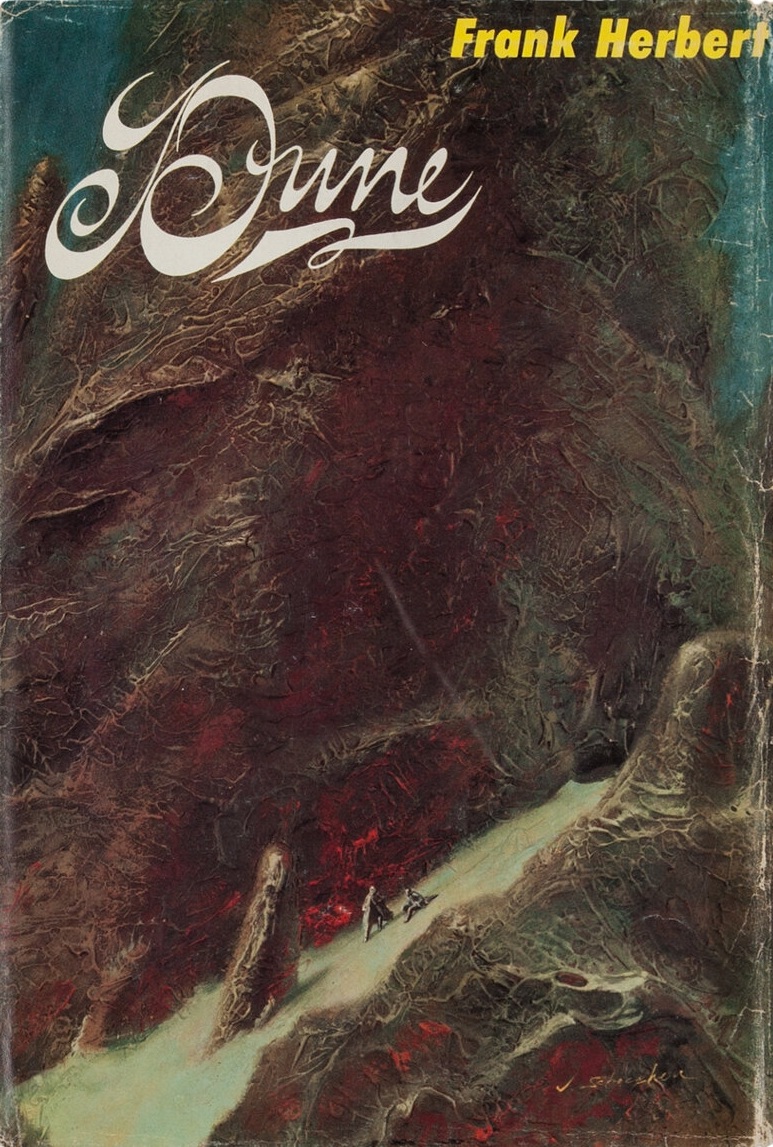
Chilton, a publisher best known for automotive repair manuals, took the risk. Its editor, Sterling Lanier, hoped to bring the company into the fiction market. Initial sales were poor, and Lanier was fired as a result.
Awards brought recognition. Dune won the first-ever Nebula Award for Best Novel and shared the Hugo Award with a book by Roger Zelazny. By the late 1960s, it was widely read by young people, and Frank Herbert later wrote five more books in the series. Sales of the first novel reached nearly 20 million copies, and it has been translated into more than 20 languages.
The Desert as a System
The events of Dune revolve around the ecology, religion, and politics of Arrakis. The spice, without which interstellar travel is impossible in this universe, is harvested only from the sands of this planet. Entire noble houses therefore wage war over Arrakis and spice production.
For generations, the Fremen have collected water in secret underground reservoirs. These reserves are intended to one day transform Arrakis into a planet with open water and vegetation. In the book, this vision belongs to the Imperial planetologist Pardot Kynes, who lived among the Fremen.
The first step of this plan in the novel mirrors the Oregon experience almost exactly. The Fremen plant hardy grass on the dunes to stabilize the sand.
Arrakis on Titan
Names from Dune have also found their way onto an actual map of the Solar System. According to the International Astronomical Union’s Gazetteer of Planetary Nomenclature, plains and labyrinths—networks of interwoven valleys—on Titan, Saturn’s largest moon, are named after planets from Frank Herbert’s series. This is how the plains of Arrakis and Caladan appeared on the map. The naming tradition was proposed in 2009 by planetary scientist Rosaly Lopes, according to Eos.
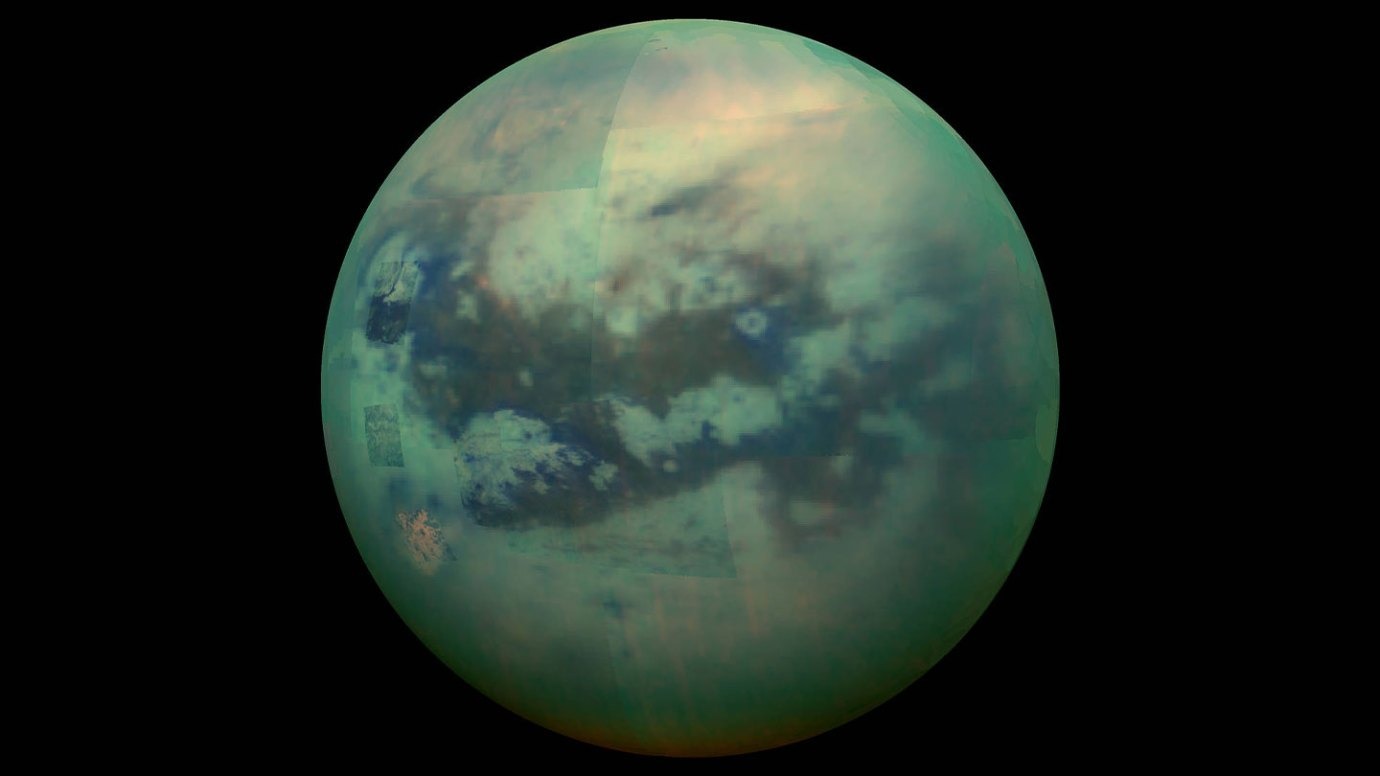
The moon also has dunes of its own. Fields of dark dunes made of organic material encircle Titan’s roughly 16,000-kilometer-long equator, and NASA’s Dragonfly spacecraft is set to land among them in the Shangri-La region. Launch is scheduled for 2028. The mission team aims to determine how these dunes form and whether they move in the same way as those on Earth.
