

Earlier this month, human stem cells were sent on a suborbital flight aboard the European MAPHEUS-17 rocket. They successfully survived the journey, and the Australian scientists who organized the experiment will now study them. They believe this could help in the fight against cancer.
Stem Cells in Space
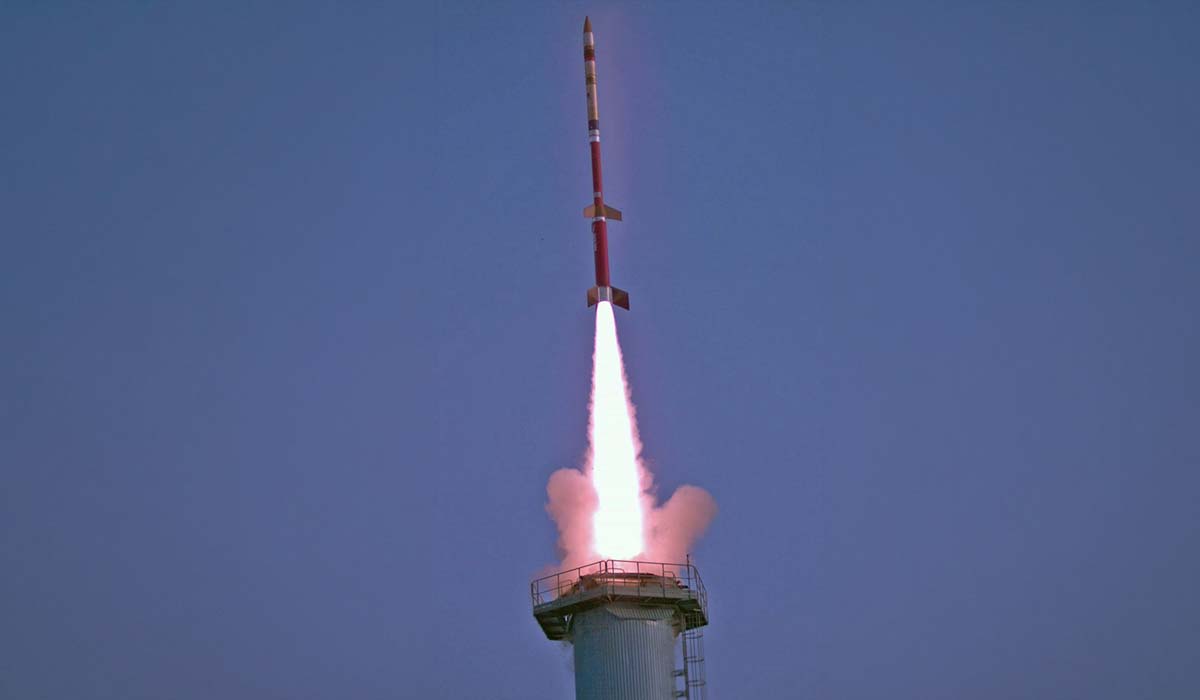
According to phys.org, the University of Adelaide’s Centre for Cancer Biology successfully sent human stem cells into space. The flight took place on October 1 as part of the launch of the MAPHEUS-17 suborbital rocket, organized by the German Aerospace Center (DLR). The rocket launched from a Swedish spaceport.
After reaching an altitude of 300 kilometers, the module carrying the samples began falling back toward Earth, creating weightless conditions inside—the main purpose of the launch. The parachutes then deployed, and the spacecraft descended to the surface of our planet. It was immediately announced that the payload was unharmed. Now, the Australian scientists have confirmed this as well.
The researchers believe the experiment will help them develop more effective ways to fight cancer. Alongside the center, Cambrian Defense & Space, SSC Space, and Blue Dwarf Space are also involved in the project. These companies handled the bulk of the mission’s technical support.
Stem Cells
Human stem cells are, of course, quite different from cancer cells. They are simply cells present in an organism during its early stages of development that have not yet “decided” whether they will form bone tissue, skin, or the liver. This is precisely why they can divide indefinitely and turn into anything.
Stem cells themselves are used in various modern therapies. However, their combined characteristics make them very similar to cancer cells. Cancer cells also tend to divide uncontrollably and fail to perform the normal functions of the cells they form. Yet they are more chaotic, as might be expected from the result of a genetic malfunction. This makes it much harder to understand what is wrong with them.
Microgravity can shed considerable light on how cells function. That is why the stem cells were sent on this flight. Scientists will now study in the laboratory how weightlessness affected them. Perhaps, ultimately, this will help save someone’s life.
