

Blue Origin’s New Glenn heavy-lift rocket will return to flight later than planned. Its next launch has been postponed until January 2027 because rebuilding the launch pad at Cape Canaveral, destroyed in a May explosion, has taken longer than expected. Both the deployment of Amazon’s Leo satellite network and the company’s lunar lander depend on the rocket.
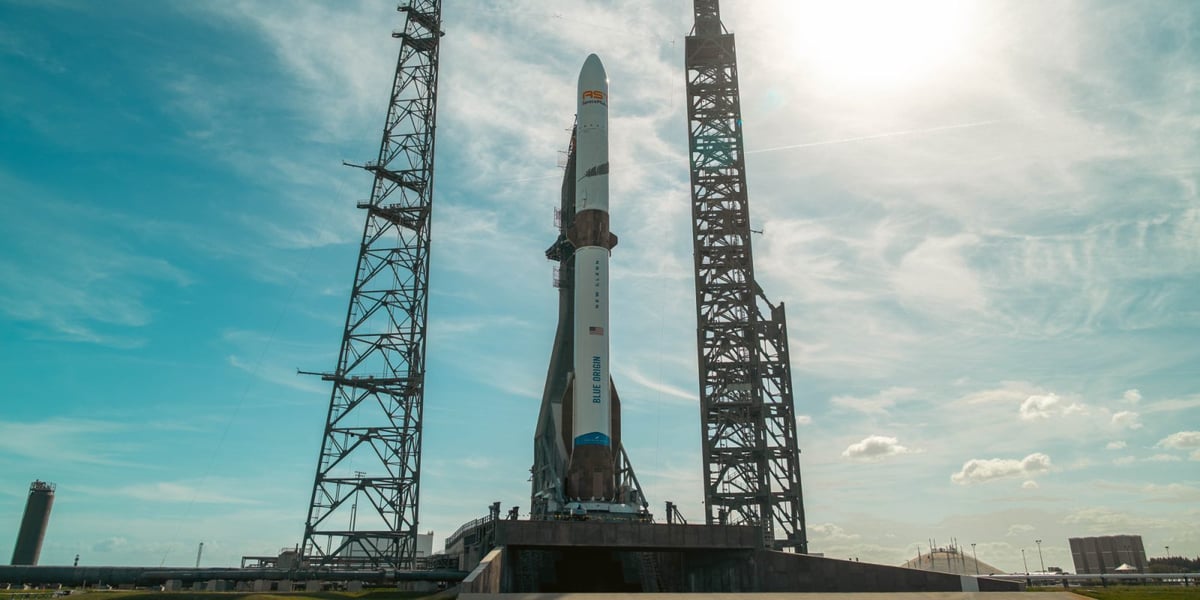
Explosion at the Only Launch Pad
The rocket exploded on May 28 during a static fire test at Launch Complex 36 at the U.S. Space Force station. It was scheduled to carry 48 Amazon Leo satellites into orbit a few days later, although they were not aboard during the test. Blue Origin later identified the cause of the accident: a malfunction in the main oxygen valve of one of the BE-4 engines.
According to the U.S. Federal Aviation Administration (FAA), the explosion destroyed the rocket and damaged the transporter-erector and towers. The company has no other launch pad, and this is where New Glenn has launched three times since its debut in 2025. The rocket stands 98 metres tall, almost as high as Kyiv’s Motherland Monument, including its pedestal.

Weather and a New Operating Procedure
Blue Origin CEO Dave Limp announced the postponement in an internal email to employees seen by Reuters. The Financial Times was the first to report the news. The company had previously expected to return the rocket to flight before the end of 2026.
Dave Limp attributed the delay to summer weather at Cape Canaveral. “Those who live at the Cape or visit it know that the weather has not been our friend this summer,” he wrote. The rocket’s service tower has already been repaired and reassembled, and the launch bridge has been restored. The next step is to test a new concept of operations—the procedures for preparing the rocket for launch from the upgraded complex.
Amazon Satellites Waiting in Line
The delay is a setback for Amazon because New Glenn is one of the key launch vehicles for Amazon Leo, the network the company is building to compete with SpaceX’s Starlink. As of mid-October, 396 satellites were in orbit, while the first generation is intended to comprise 3,232. Commercial service had been promised for mid-2026, but the timeline has slipped.
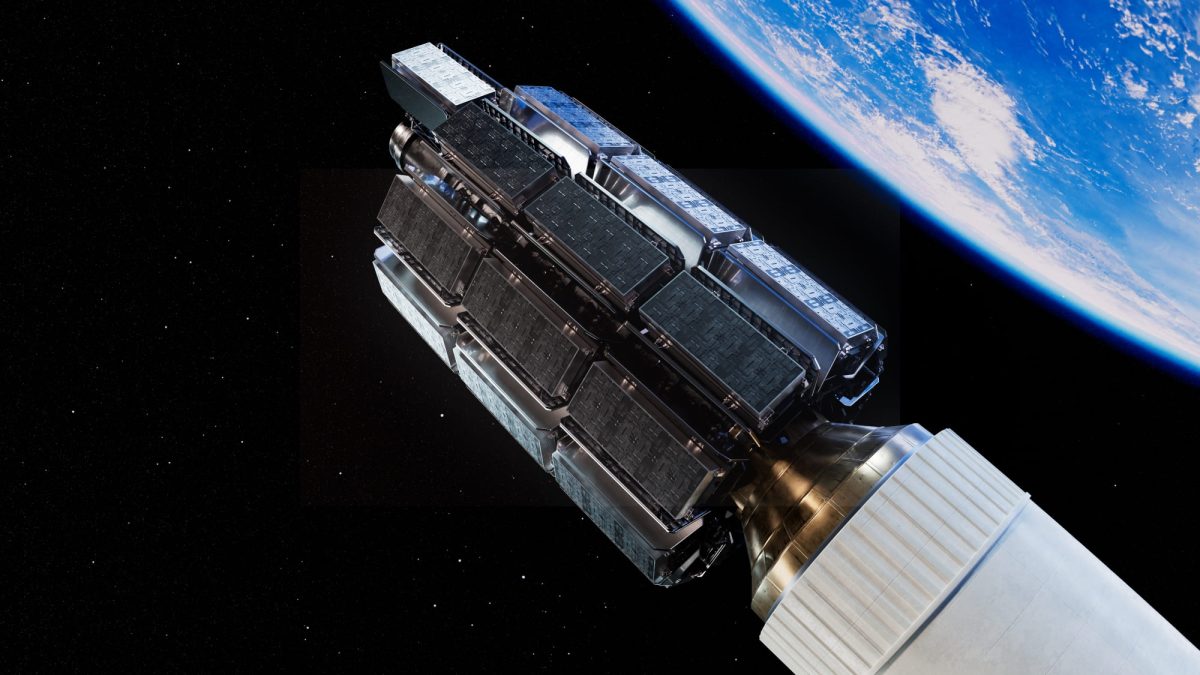
However, Amazon is not relying on a single rocket. According to Light Reading, New Glenn accounts for less than a quarter of the more than one hundred launches Amazon has booked for Leo. The rest are being carried out by United Launch Alliance and Arianespace, while Atlas V completed its final launch for the network during the summer.
The regulator has also granted more time. In June, the U.S. Federal Communications Commission extended by two years the deadline for Amazon to deploy half its constellation, or approximately 1,618 satellites. However, satellites launched after the original deadline temporarily lose priority access to frequencies.
The Company’s Lunar Plans
Blue Origin itself also needs New Glenn. The rocket is supposed to deliver the Blue Moon Mark 1 Endurance lander to the Moon, with its launch already postponed until the first quarter of 2027.

If Amazon’s satellites are the first to fly after the pause, as planned before the explosion, the lunar lander will have to wait until at least the second launch from the restored complex. Also in the queue are the delivery of NASA’s VIPER rover and a test flight of the Mark 2 prototype as part of the Artemis III programme.
