
NASA astronaut and U.S. Space Force Colonel Anil Menon has shared an interesting video of a moonset, filmed aboard the International Space Station (ISS). In the published footage, Earth’s natural satellite slowly descends toward the horizon, visibly distorting and seemingly dissolving into the dense layers of Earth’s atmosphere before finally disappearing behind the planet.
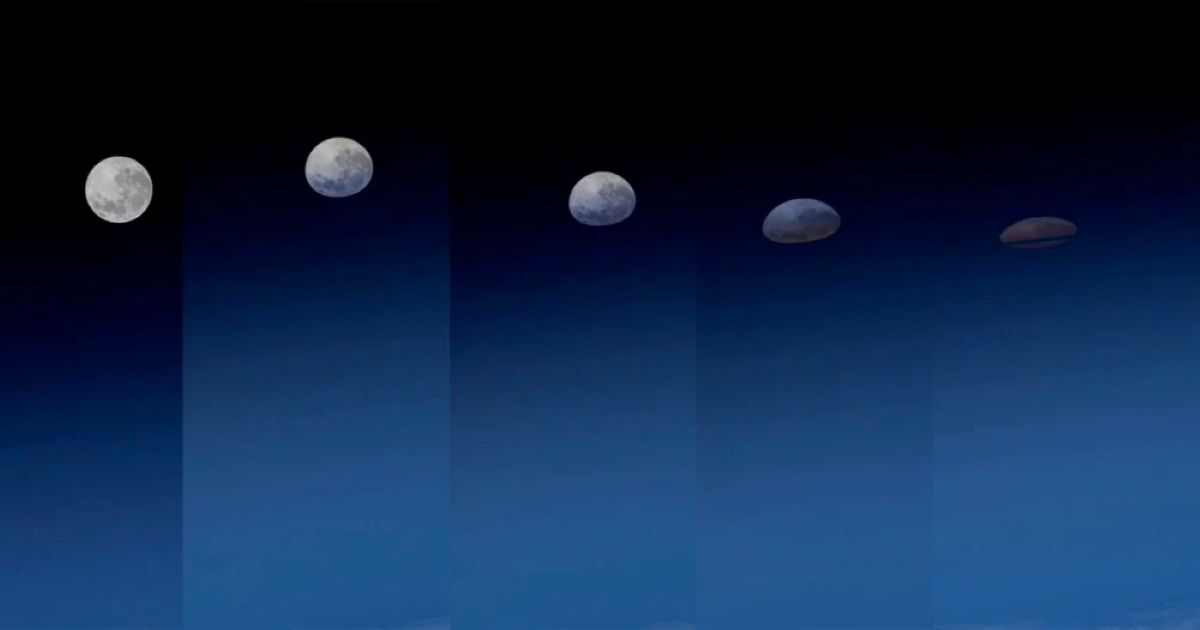
As Menon noted on his Instagram page, the video was recorded in real time from the Cupola observation module using a Nikon Z9 digital camera and a lens with a focal length of 400 mm. The astronaut also published a series of accompanying photographs, specifically emphasizing that they had not undergone any editing or digital correction — this bizarre “melting” effect is created by the atmosphere itself as it bends the light.
Anil Menon is working in orbit as a flight engineer on Expedition 75, having arrived at the ISS in July 2026. Shortly after the mission began, he had already attracted the attention of social media users with an incredible photograph of a powerful super typhoon raging over the Pacific Ocean — a shot the astronaut took with an ordinary iPhone.
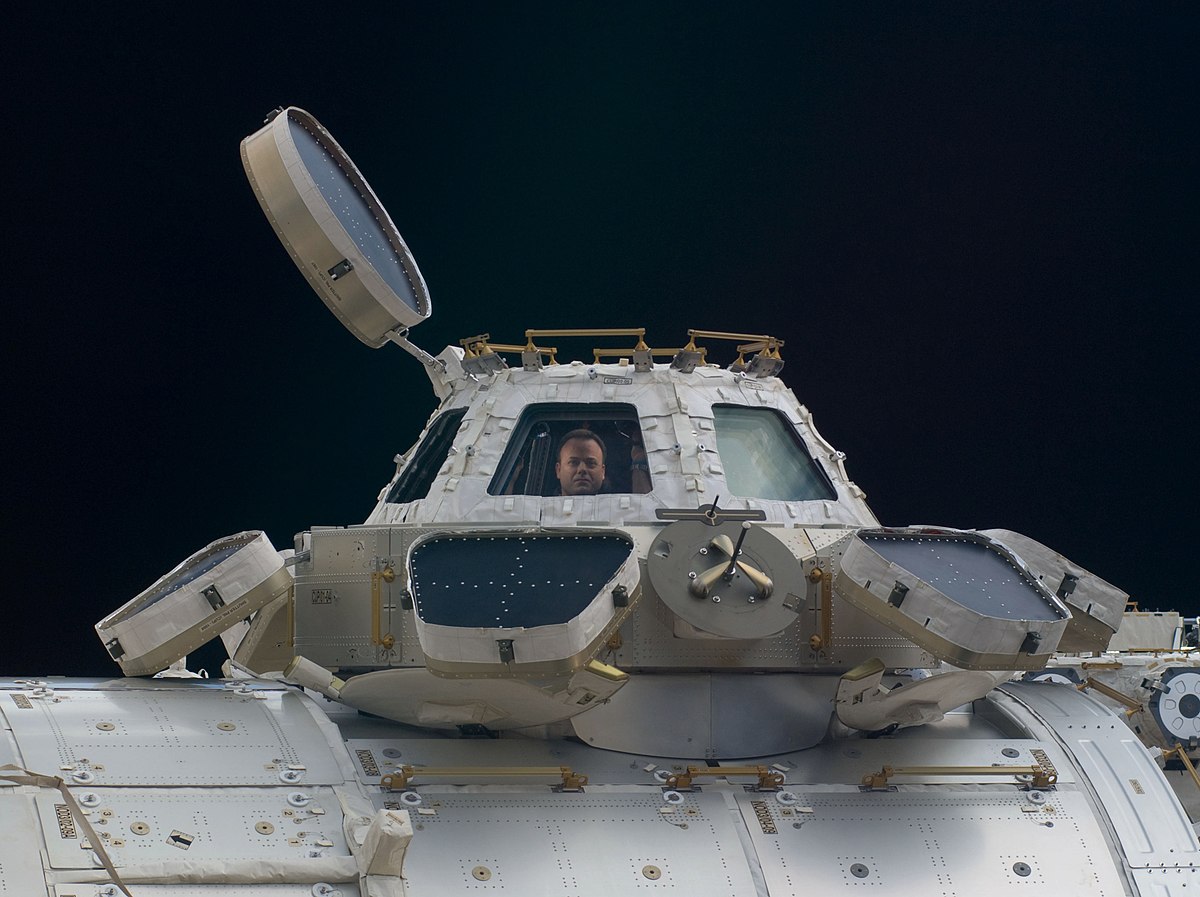
Both photo sessions have one thing in common: their location — the Cupola module. This dome-shaped observation module, with six side windows and one central window facing directly toward Earth, serves as the station’s main photography platform. Recently, Menon published a behind-the-scenes video in which he explained in detail how the crew prepares equipment for nighttime photography in orbit.
When moving from the planet’s daytime side to its nighttime side, astronauts use long exposure times, so the camera must be firmly secured to the window frame to prevent even the slightest vibration. However, the main enemy of an orbital photographer is not movement but the light inside the station itself. Numerous illuminated LEDs, indicators, and extension cords create strong reflections on the glass inside the module. To avoid this, a special dark cover is placed over the camera: the lens looks through the window at Earth at night, remaining completely isolated from the ISS’s interior lighting.
Previously, we reported on how an astronaut takes an incredible photograph from the ISS using a homemade star tracker.
Based on material from PetaPixel
