

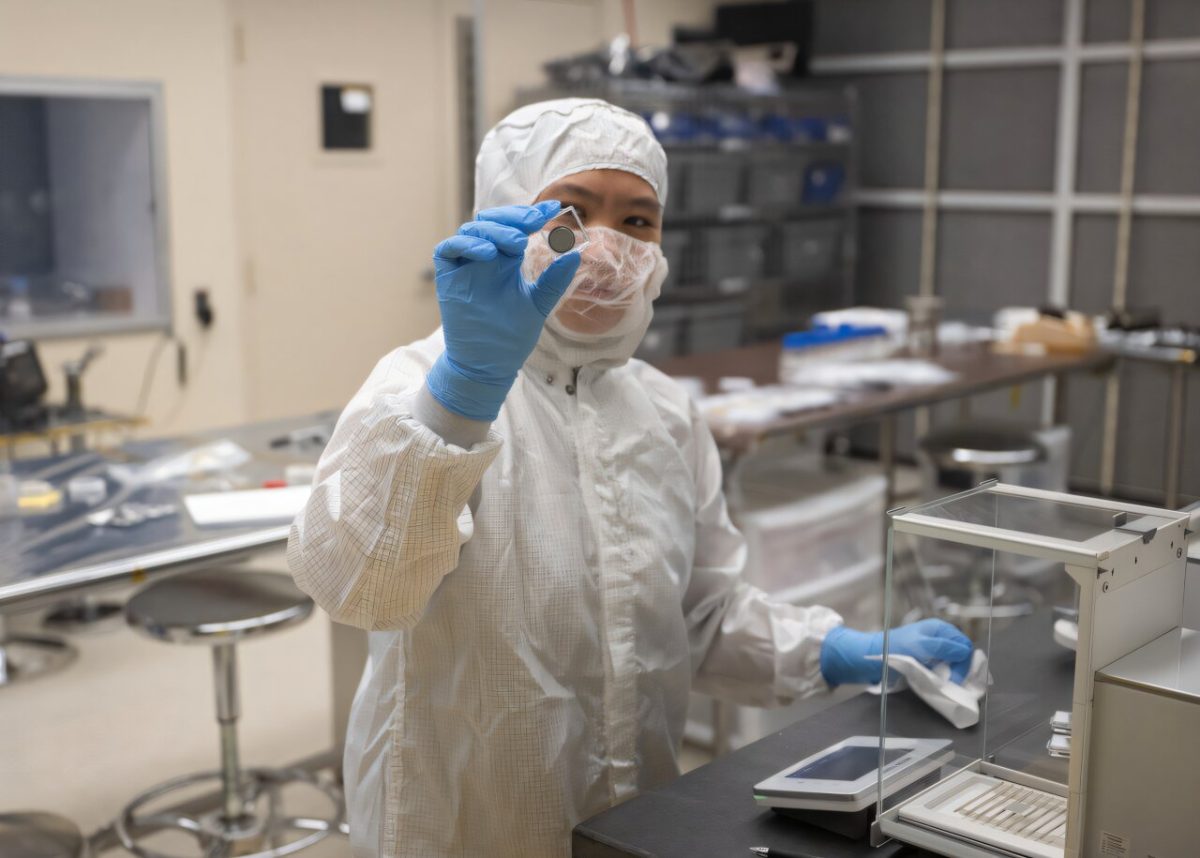
A conventional battery would not last long on the Moon. Its liquid electrolyte freezes at night, overheats during the day, and evaporates in a vacuum. NASA engineers are developing batteries with solid electrolytes that can withstand these conditions without damage. The first prototypes have already undergone testing in a chamber that simulates the space environment. Such batteries could eventually power equipment under the Artemis program.
The Minus 80-Degree Threshold
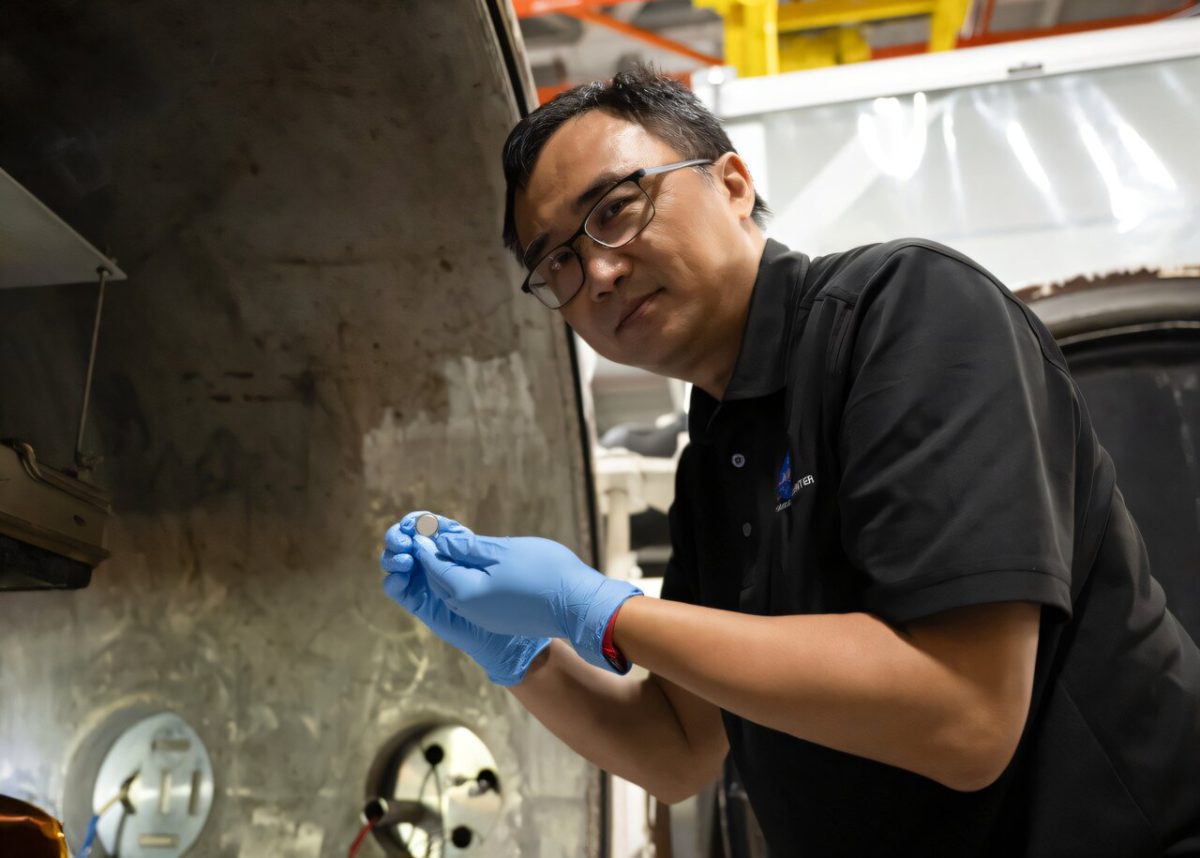
During recent tests in a thermal vacuum chamber at Langley Research Center, small experimental cells operated steadily at temperatures ranging from +80 to −60°C. They also delivered current at −80°C, although performance declined slightly. According to phys.org, test lead Yi Lin considers this the first demonstration that such cells can operate at this temperature.
Minus 80 degrees is close to the lowest air temperature recorded by weather observations on Earth. In 1983, thermometers at an Antarctic station registered −89.2°C. This is still not enough for the Moon, where nighttime temperatures at the south pole fall to −200°C. Yi Lin is confident that performance can be improved and that the operating range may also be extended.
Why Liquid Is Unsuitable
The lithium-ion batteries in phones and laptops contain a liquid electrolyte—the medium through which ions move between electrodes. During the lunar night, this liquid would freeze and could damage the battery. During the day, the surface heats up to 100°C. Under those conditions, such a battery would not operate until it cooled down.
The Solid Power for Extreme Environments, Adaptability and Resilience in Space (SPEARS) project replaces the liquid with a solid material based on ceramics or polymers. The technology grew out of an earlier project developing solid-state batteries for aviation, as described in a presentation by NASA researchers. The solid electrolyte does not freeze, allowing the battery to survive even temperatures too cold for it to operate and become usable again once warmed.
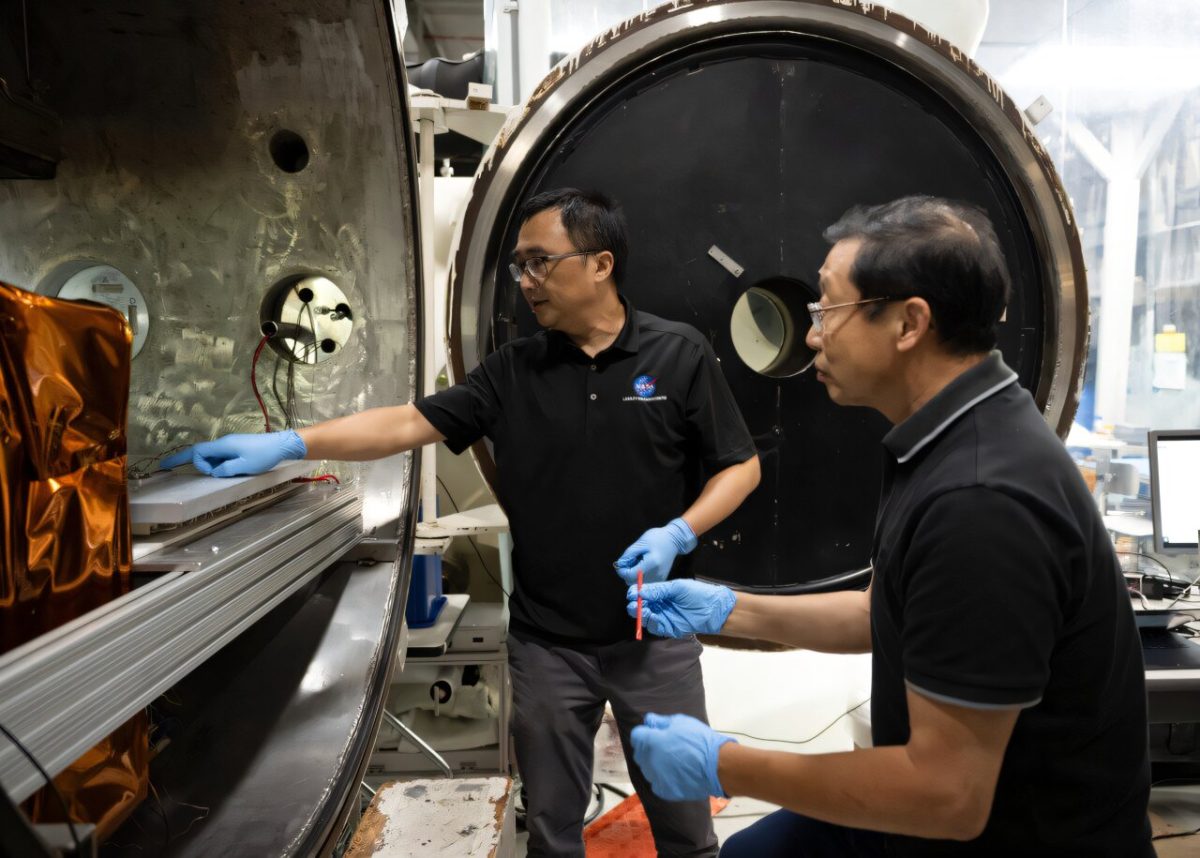
Tests showed that the cells withstand temperature changes from 100 to −170°C without damage. After such cooling, small heaters are sufficient to bring them back to operating temperature. A lunar night lasts approximately two Earth weeks. Continuous heating throughout that period would require heavy thermal control systems. Without them, spacecraft and habitation modules could be made lighter and less expensive.
Applications on the Moon and Earth
These batteries could power tools in shadowed craters, rovers, astronauts’ emergency kits, and long-duration scientific instruments. According to Yi Lin, the cells’ chemistry can be tailored to a particular task by changing the electrode materials. Similarly, batteries in headphones, phones, and cars use different chemical compositions.
The project began in 2026 under the leadership of Glenn Research Center in Cleveland, where Donald Dornbusch serves as principal investigator. Ames Research Center is preparing onboard electronics and test boards to evaluate the batteries under space conditions. Ji Su, a polymer materials specialist at Langley Research Center, believes solid-state batteries will also find widespread applications on Earth—from cars and smartphones to drones.
