

The Link spacecraft, which was intended to become the first American commercial robotic rescue vehicle in orbit, has ended its journey in flames. At the end of the week, it made an uncontrolled descent and finally burned up in the dense layers of Earth’s atmosphere. This drew a line under an ambitious but unsuccessful attempt to extend the life of a legendary NASA observatory. Now the observatory itself, which for years observed the most powerful explosions in the Universe, faces a similar fate in just a few weeks.
An Extremely Complex Mission on a Tight Schedule
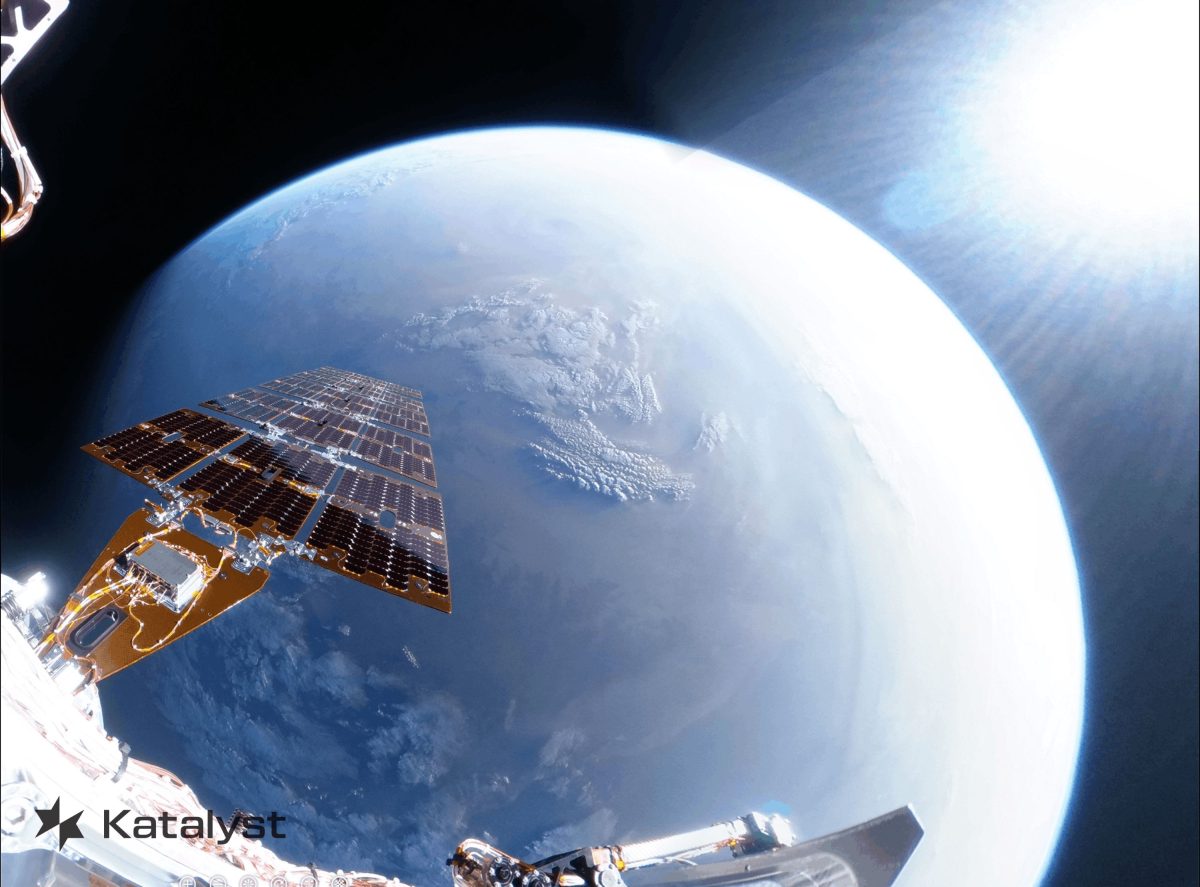
It all began in September 2024, when the private Arizona-based company Katalyst Space Technologies won a $30 million NASA contract. The engineers faced an almost impossible task: to design, assemble, and prepare a space tug for launch in just 22 months.
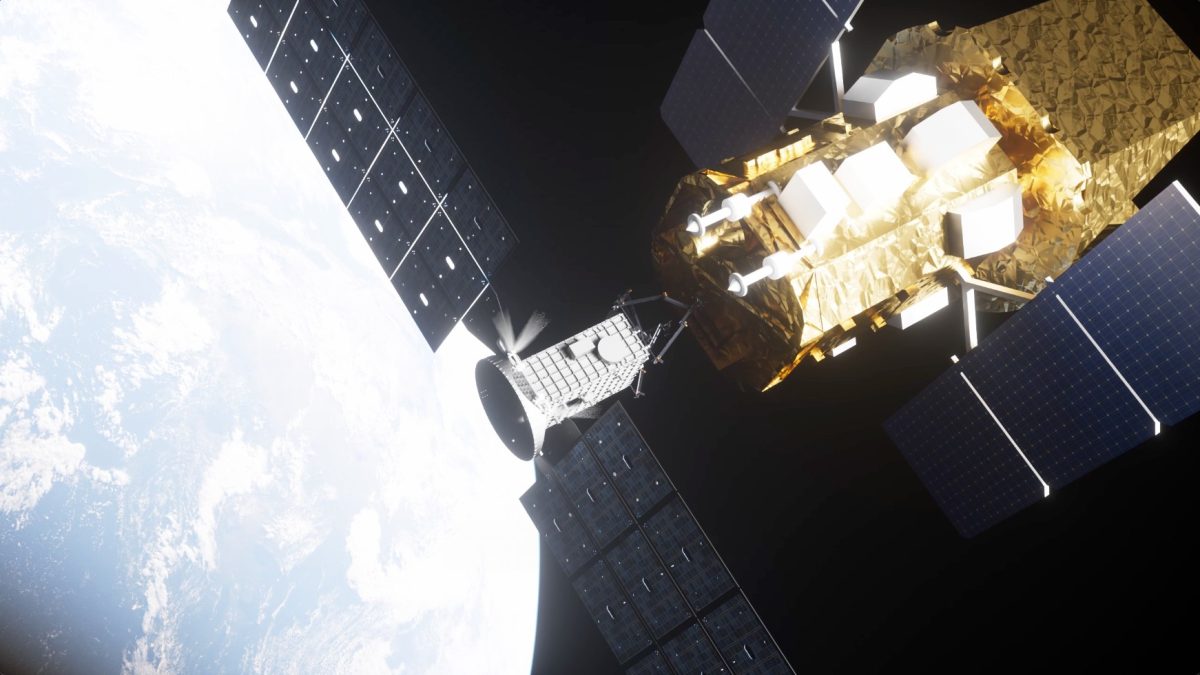
On July 3, the Link spacecraft launched from Kwajalein Atoll in the Pacific Ocean. Its main task was to approach the Neil Gehrels Swift Observatory — an orbital telescope that has been operating for 22 years studying gamma-ray bursts — capture it, and raise it to a higher orbit to extend its scientific work.
Fatal Technical Failure
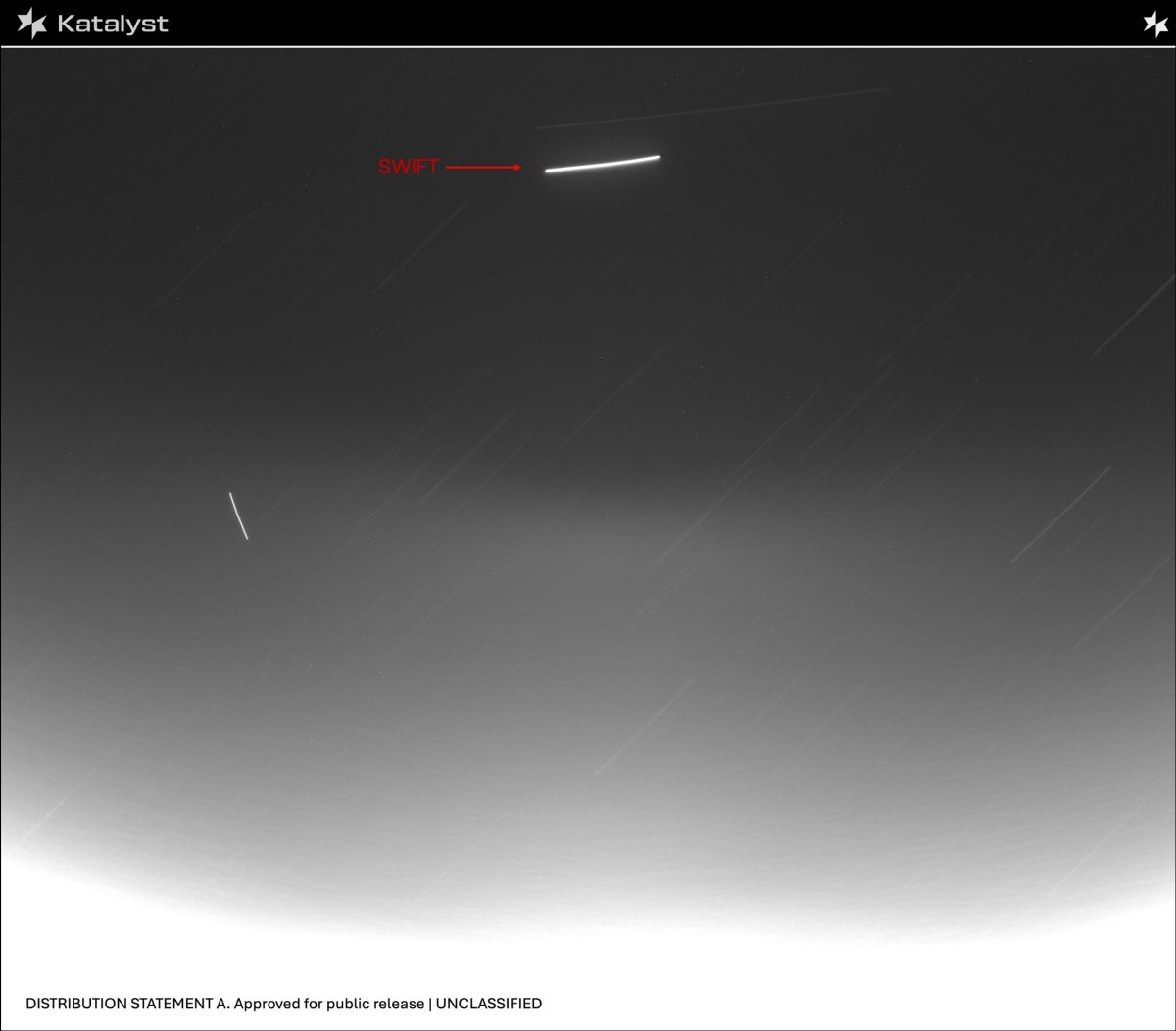
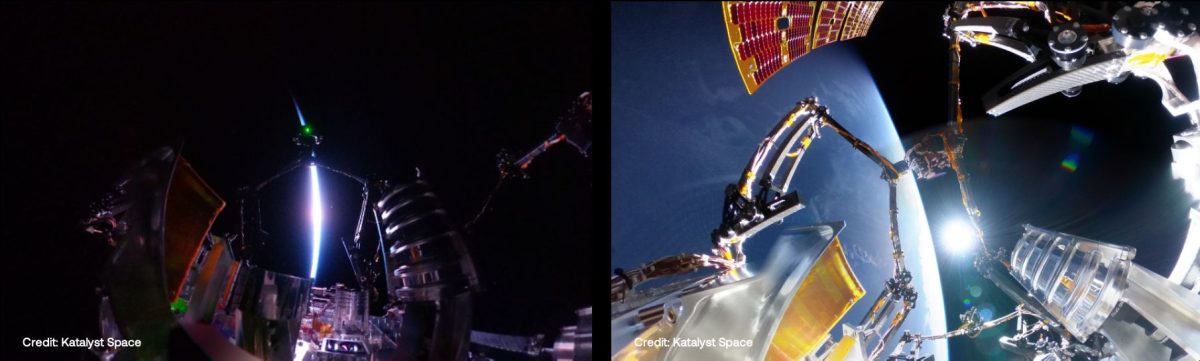
The rescue spacecraft came extremely close to the observatory — the distance between them was between 12 and 15 km. Link even managed to take a series of highly detailed images of Swift, assessing its external condition. However, technical problems that began almost immediately after launch prevented it from completing its main task.
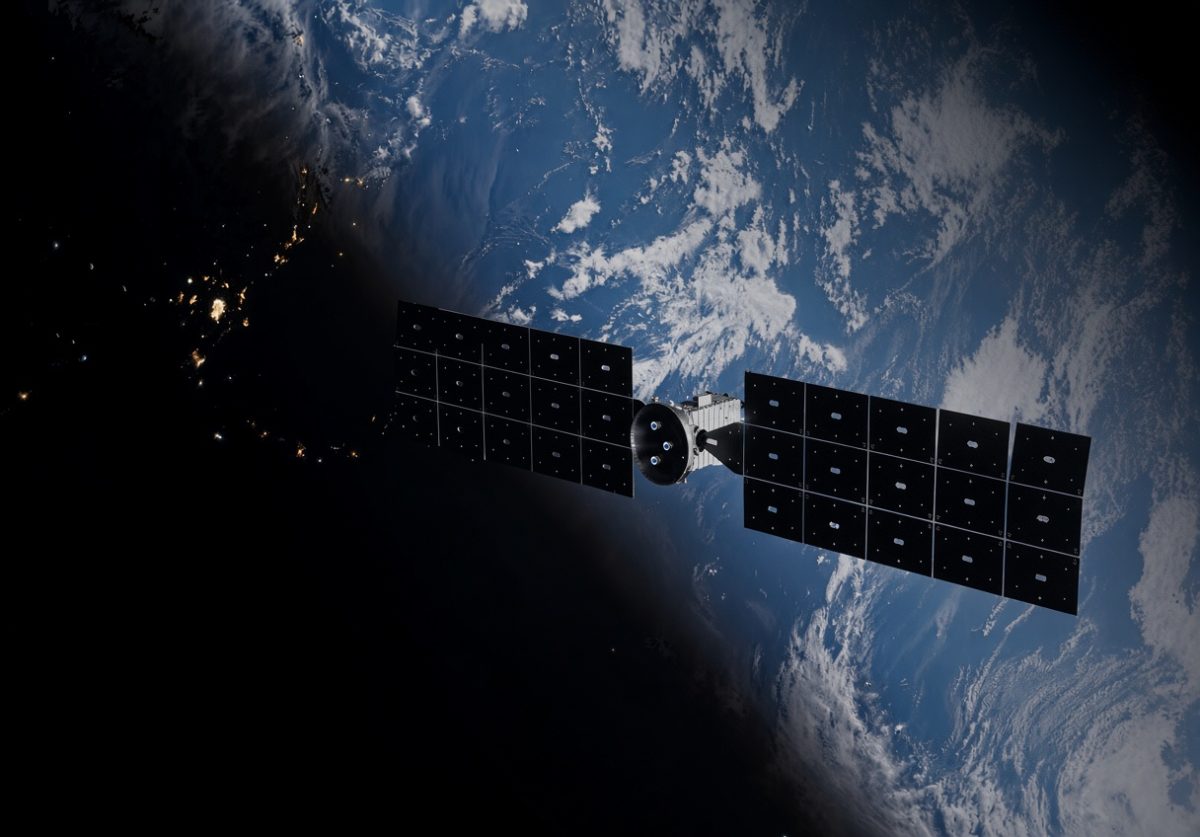
Because of an electronics failure, two of Link’s three gyroscopes stopped working. They were responsible for orientation and maneuvering in space. At one point, the spacecraft even entered an uncontrolled spin. Although specialists on Earth managed to restore communications and stabilize the vehicle, valuable fuel had been lost. When it became clear that there were no longer enough resources for docking, specialists decided to terminate the mission. On its 85th day in orbit, the Link robot entered the dense layers of the atmosphere.
Irony of Fate and the Inevitable End
The loss of the rescue spacecraft also means a death sentence for the Swift observatory itself, created through cooperation between NASA and Pennsylvania State University. It will be sent on another “final lap”: Swift is expected to burn up in the atmosphere as early as November.

Ironically, the telescope’s operational lifetime was shortened by solar activity — powerful eruptions on the Sun, which it was also intended to study. The eruptions heated and expanded the upper layers of Earth’s atmosphere, creating increased drag for the spacecraft in low Earth orbit. Earlier this year, NASA even temporarily suspended scientific observations and reoriented Swift in order to minimize drag and gain time for the rescue operation.
Despite the loss of the spacecraft, NASA does not consider the mission pointless. Agency leadership emphasizes that space exploration is always associated with high risk.
Earlier, we reported on how NASA plans to save the Hubble telescope from an inevitable fall to Earth.
Based on materials from katalystspace.com
