

NASA was forced to terminate the mission to rescue the Swift space observatory by towing it to a higher orbit. The servicing spacecraft suffered a critical failure in its attitude-control system that could not ultimately be resolved.
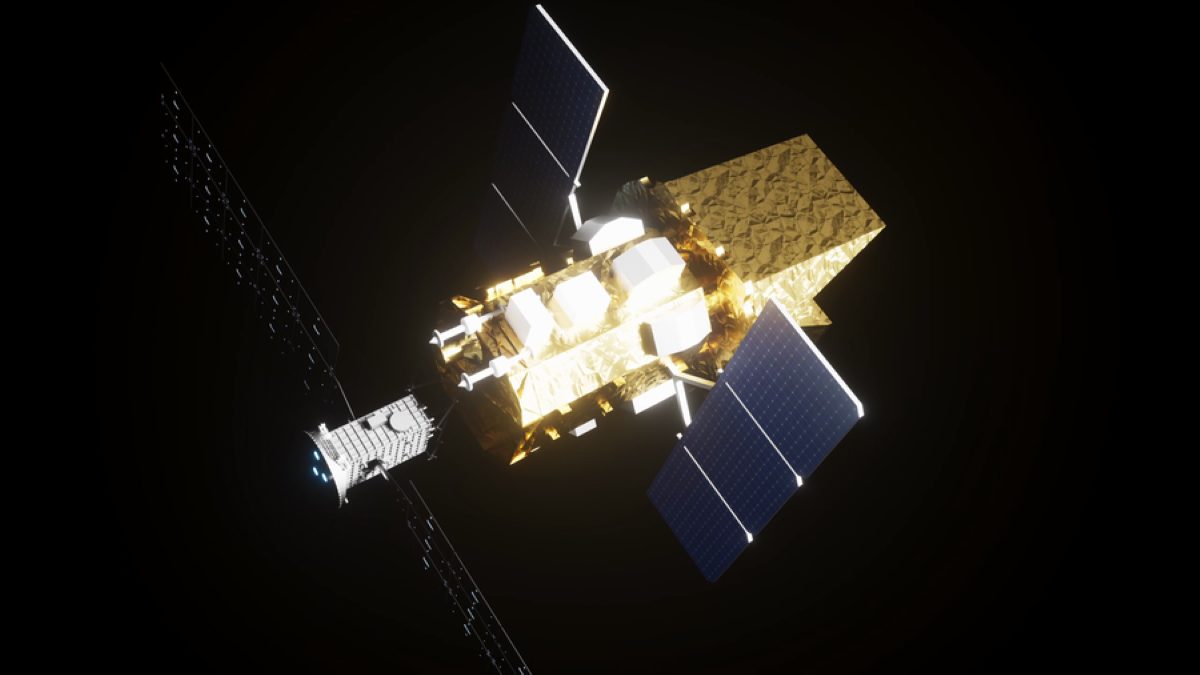
“Due to an attitude-control system failure on the commercial spacecraft, NASA and Katalyst Space announced that the LINK spacecraft will not be able to capture the agency’s satellite or raise it to a higher altitude to extend its scientific mission,” NASA said in an official statement.
Agency Administrator Jared Isaacman emphasized that, despite the disappointing outcome, the attempt was justified because the team acted as quickly as possible to extend the telescope’s operations and advance satellite-servicing technologies for the future.
Why Swift Was at Risk
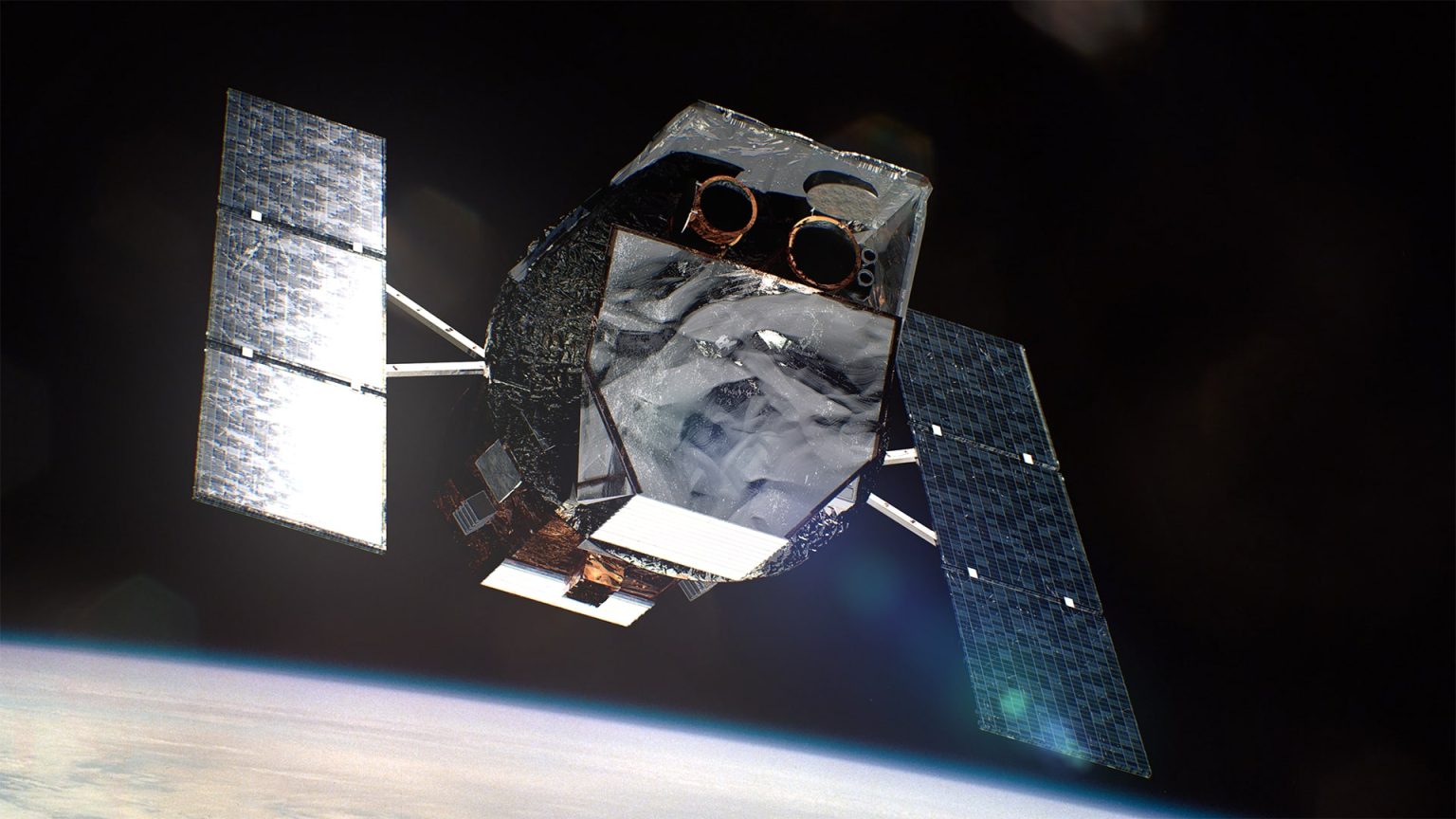
The Neil Gehrels Swift Observatory has been in low Earth orbit since November 20, 2004, studying the most powerful explosions in the Universe — gamma-ray bursts. Over the years, the spacecraft gradually lost altitude because of atmospheric drag. However, a surge in solar activity significantly accelerated this process, and according to current forecasts, the observatory will burn up in Earth’s atmosphere by the end of 2026. To prevent this, NASA commissioned Katalyst Space Technologies to develop a rescue spacecraft.
Chronicle of the Technical Failure
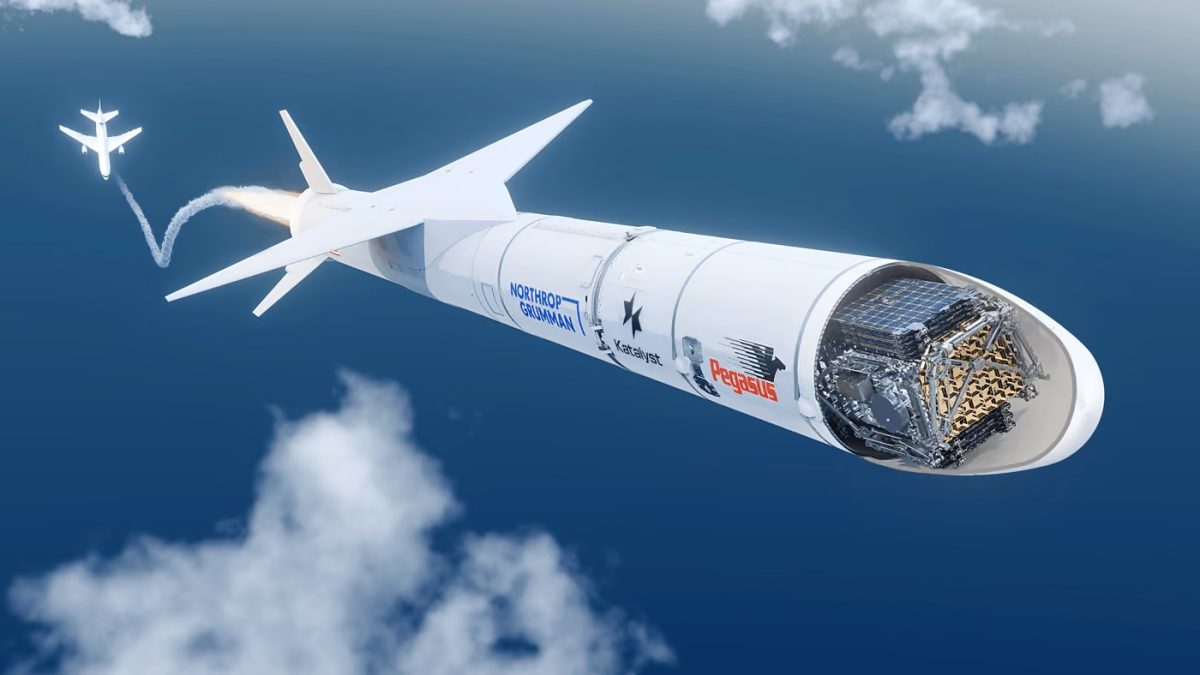
The LINK spacecraft launched on July 3 aboard a modified Lockheed L-1011 aircraft from Kwajalein Atoll. The actual launch into space took place at an altitude of 12.2 km using a Northrop Grumman Pegasus XL rocket.
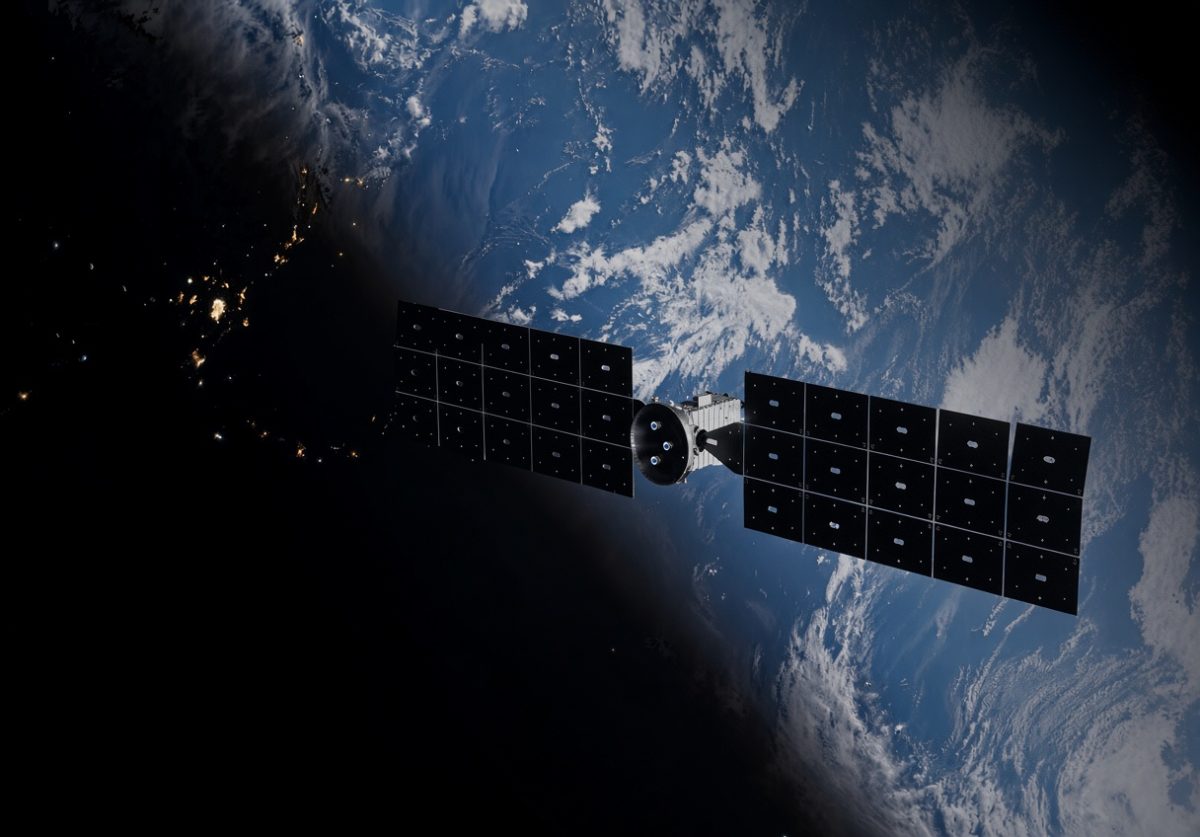
The mission proceeded successfully until two of LINK’s three gyroscopes failed. These gyroscopes were responsible for stabilization and attitude control in space. As a result, the spacecraft began tumbling uncontrollably, causing serious communication disruptions. Katalyst engineers developed and uploaded new flight software in an attempt to stabilize the spacecraft, but this step did not produce the desired result.
Plan for the Future
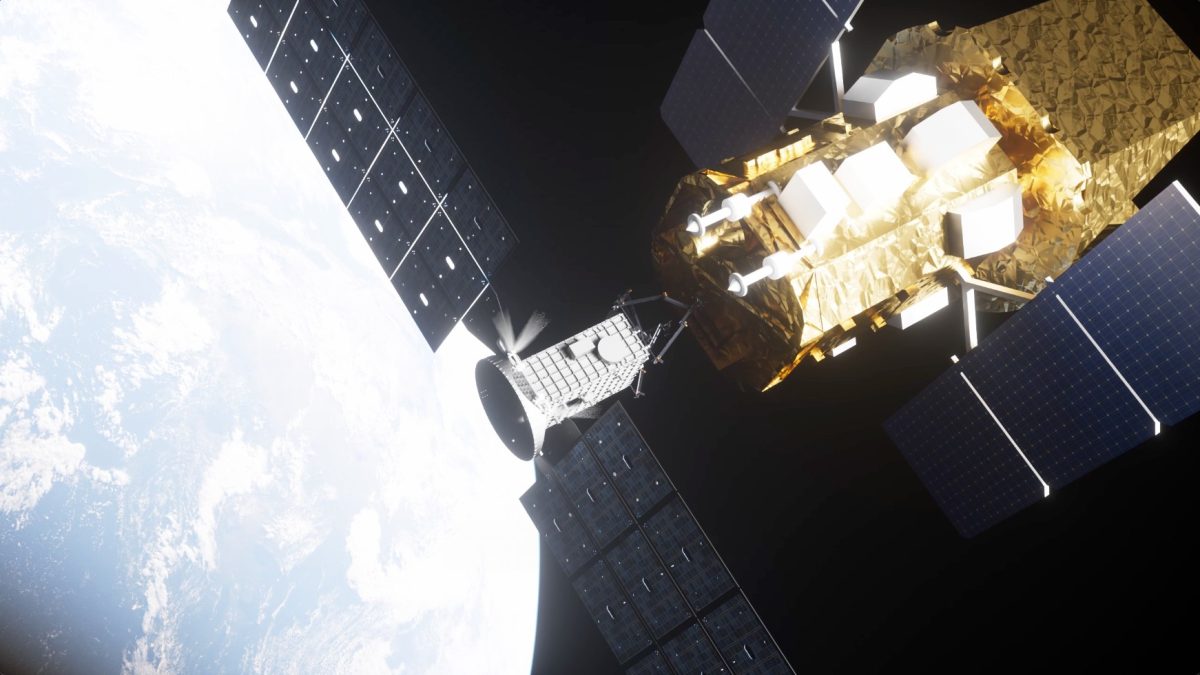
Although the Neil Gehrels Swift Observatory can no longer be moved to a safe orbit, the LINK mission is not considered a complete loss. NASA plans to use the malfunctioning spacecraft to conduct rendezvous and proximity maneuvers near the telescope. Data obtained during these tests will help validate critically important technologies for future servicing missions in space.
Previously, we reported on how NASA plans to save the Hubble Space Telescope from an inevitable fall to Earth.
According to NASA
