

Following the failure of a rescue mission, NASA’s legendary Neil Gehrels Swift Observatory is heading toward a destructive end. The satellite, which spent decades recording the most powerful events in the Universe, will reenter the dense layers of Earth’s atmosphere this week. Although most of its structure will burn up during descent, experts warn that some durable components stand a strong chance of reaching the surface.
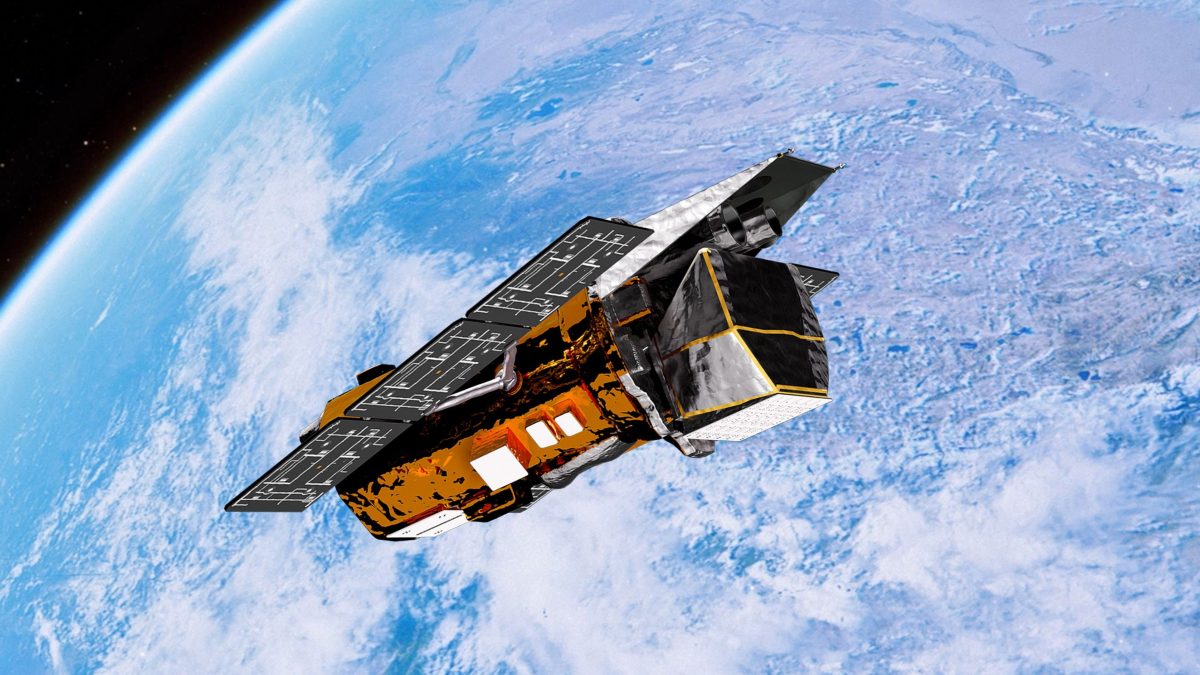
According to astrophysicist Jonathan McDowell of Durham University, approximately 10% of a spacecraft weighing around one and a half metric tons typically survives reentry. This is particularly true of astronomical satellites such as Swift, which carry dense mirror assemblies and heat-resistant equipment. Specialists estimate that at least 100 kilograms of debris could make it through the atmosphere.
A Fatal Combination of Circumstances
Launched in November 2004, Swift was designed to operate for just two years. Instead, the spacecraft exceeded all expectations, spending nearly 22 years in space. During that time, it detected more than 2,000 gamma-ray bursts—the brightest flashes in the cosmos—studied over 1,400 supernovae, and provided the foundation for approximately 7,000 scientific papers.
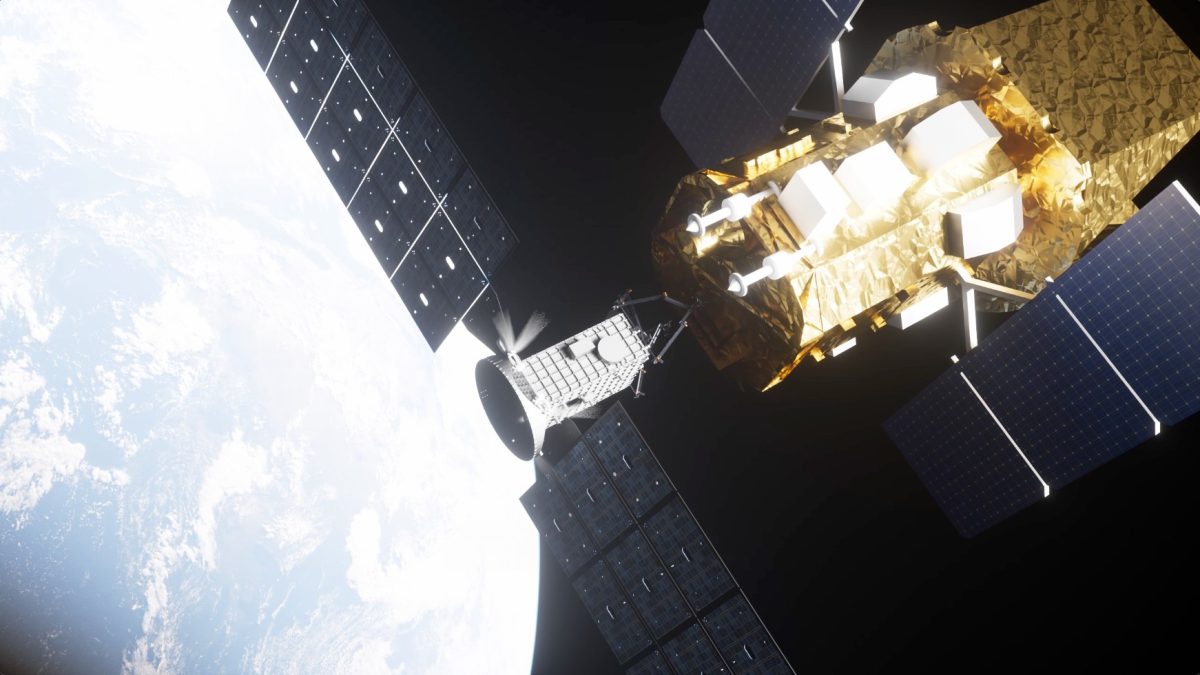
Natural processes, however, proved stronger than engineering ingenuity. Expansion of the upper atmosphere caused by surges in solar activity increased drag on the spacecraft. In September 2025, NASA enlisted the private company Katalyst Space Technologies to carry out the LINK mission, which was intended to raise Swift’s orbit and extend its life. However, LINK’s launch in July ended in failure because of an attitude-control system malfunction. By the end of October, Swift’s orbit had dropped below 275 kilometers, making reentry inevitable.
The Risk Zone
Predicting the exact impact location of an uncontrolled object is practically impossible. Swift’s orbit covers a band between 20° north and 20° south latitude. Much of this area consists of oceans, but its flight path also passes over densely populated regions of Africa, India, Southeast Asia, Australia, Central America, and South America.
The probability of debris harming a person or damaging infrastructure is approximately 1 in 10,000. However, scientists note that Earth has experienced tens of thousands of similar reentries since the launch of the first satellite, making safety an increasingly pressing issue.
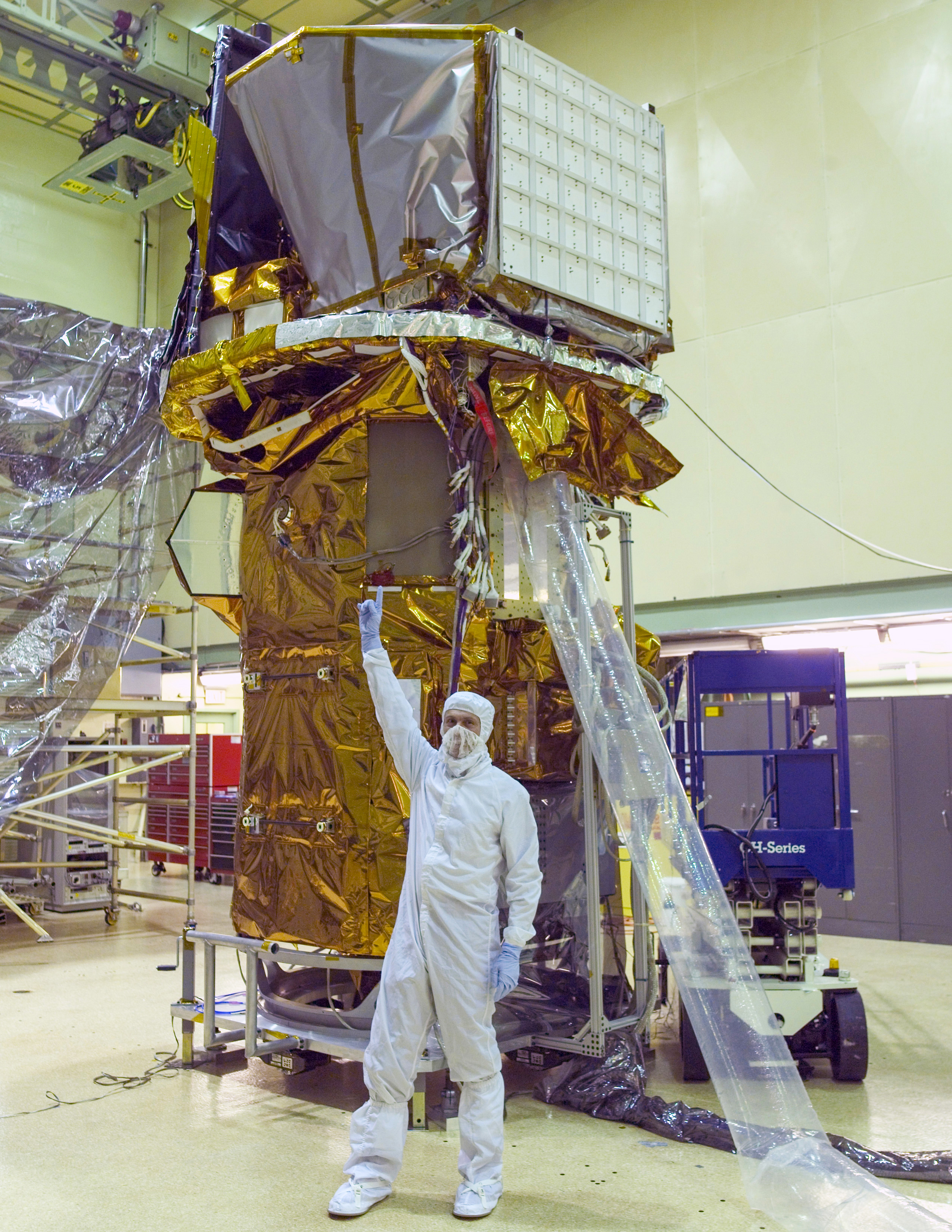
Swift’s fall marks not only the end of one of NASA’s most successful scientific programs but also an important wake-up call. Observing which components withstand the high temperatures will help engineers design safer spacecraft and assess how vaporized metals affect the chemistry of the upper atmosphere and the ozone layer.
Previously, we reported on how NASA plans to save the Hubble telescope from an inevitable fall to Earth.
Based on material from Gizmodo
