

Since the Soviet Luna 2 probe became the first human-made spacecraft to reach the lunar surface in 1959, humans have sent more than 140 missions to our natural satellite. During this time, 12 astronauts and seven rovers have visited the Moon, and the total mass of objects left on its surface has reached 187 metric tons — approximately as much as the Ukrainian An-124 Ruslan aircraft weighs.
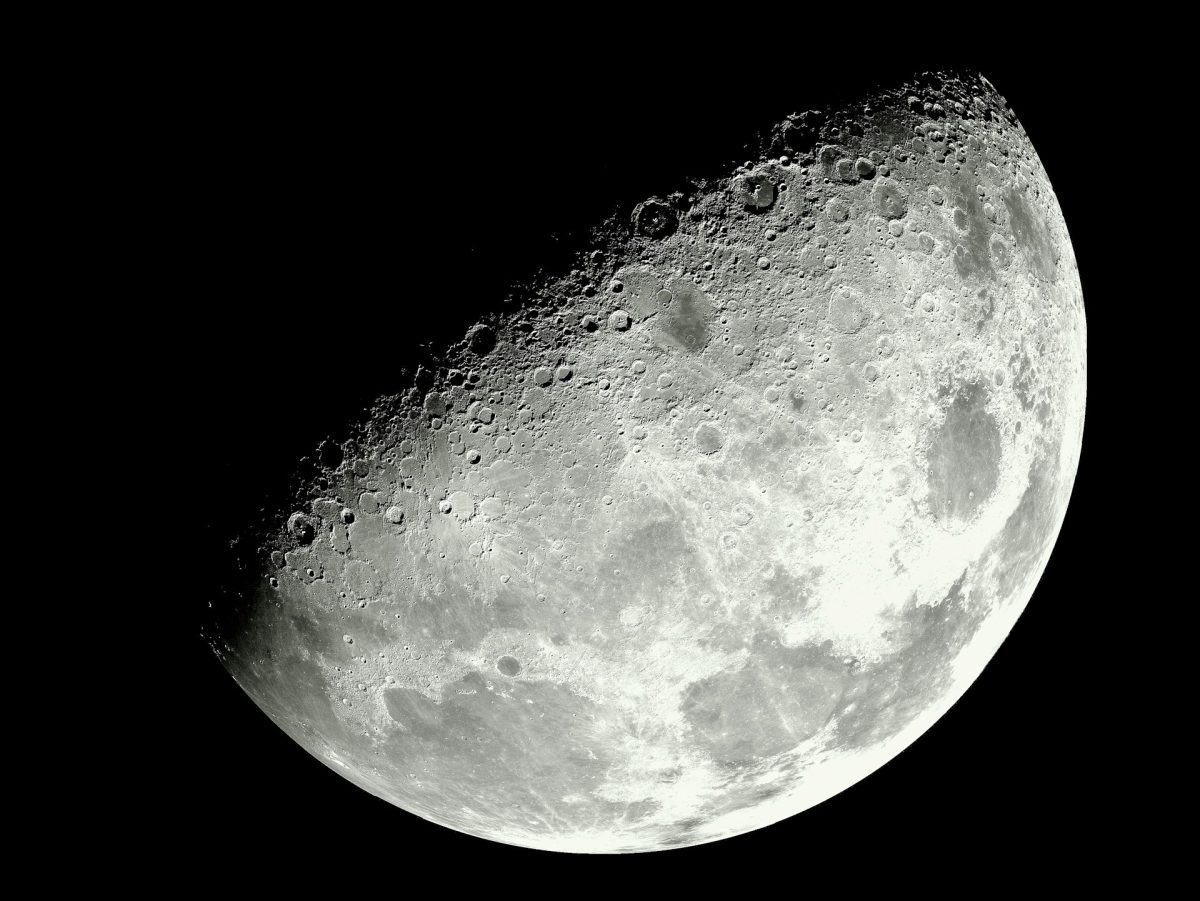
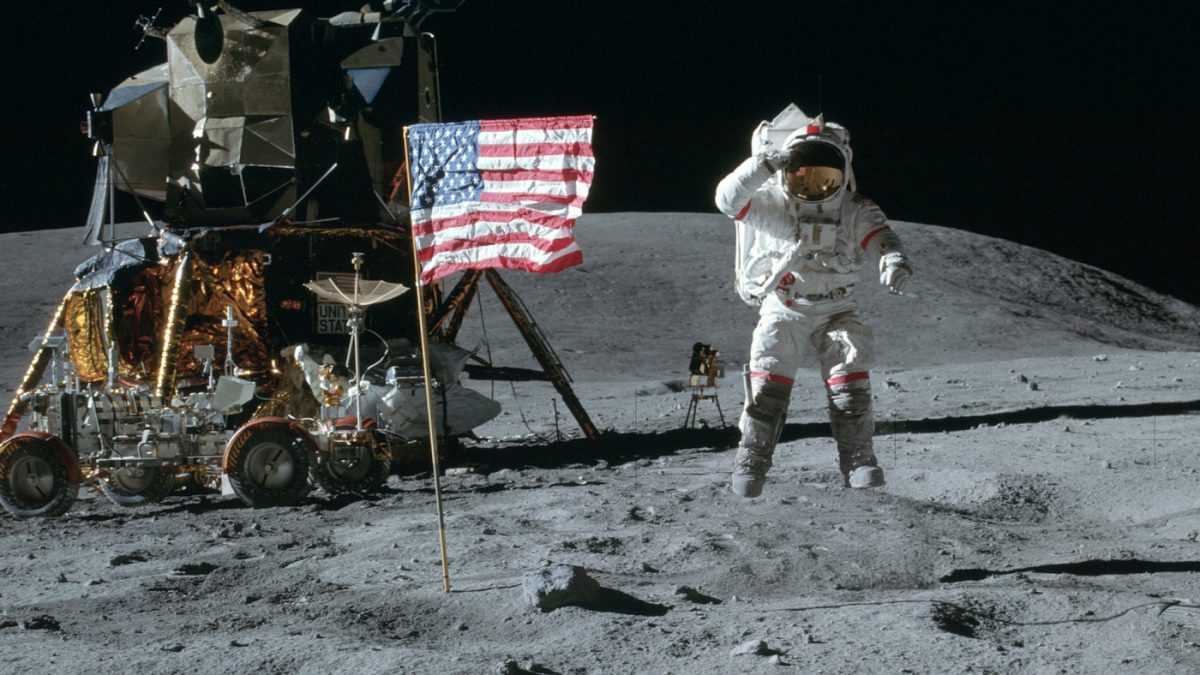
As explained by European Space Agency (ESA) research fellow Aidan Cowley, the lion’s share of this cargo consists of the landing stages of older spacecraft. For example, the lunar modules of the American Apollo program were disposable: after completing their tasks, only the upper cabin carrying the astronauts took off and docked in orbit with the command module, while the lower platform remained on the surface forever.
Wheeled vehicles have also contributed to the lunar junkyard. These include both successful rovers, such as the Chinese Yutu, which transmitted data to Earth for 31 months, and those that crashed during failed landings, such as the United Arab Emirates’ Rashid rover. In addition, scientific instruments, toolboxes, and the remains of impact probes are scattered across the surface. These probes were deliberately crashed into the ground to kick up dust and conduct analyses.
A Hostile Environment
Despite the popular image of the Moon as a windless and unchanging desert, objects left there by humans are not preserved in time at all. According to Cowley, the Moon is an extremely hostile environment: its surface is constantly bombarded by micrometeorites. Combined with intense radiation, direct sunlight, and extreme temperature fluctuations, these tiny rock fragments are steadily destroying human-made materials.
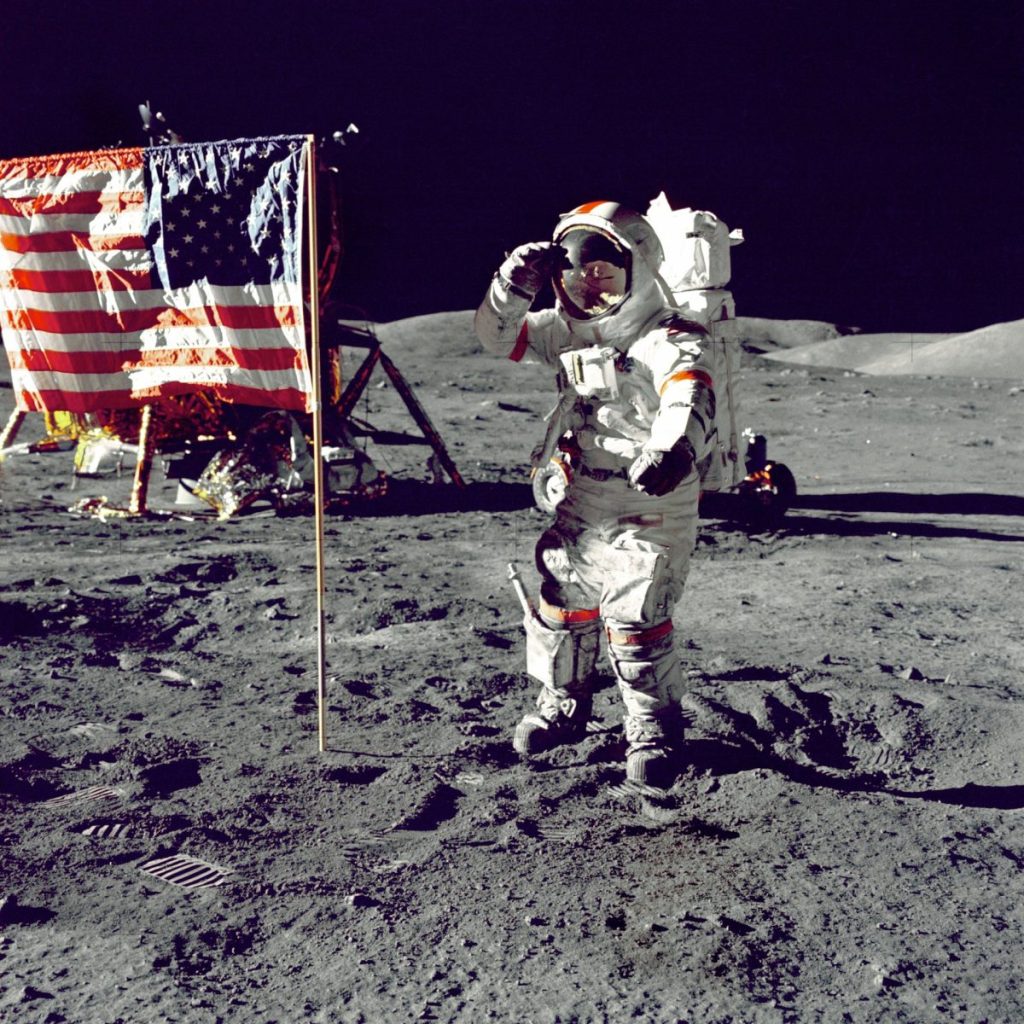
A striking example is the famous U.S. flag, planted by Neil Armstrong and Buzz Aldrin in 1969: under relentless ultraviolet radiation, it has most likely faded long ago and turned almost white. However, even junk battered by time and space is of great scientific value. By studying how decades on the Moon have changed the structure of metals and polymers, engineers will be able to develop much more reliable protection against micrometeorites — for example, for the solar panels on which the survival of future settlers will depend.
From Recycling to Reusable Spacecraft
Over the next five years, NASA and the China National Space Administration plan to return humans to the Moon, so there will be even more equipment there. However, a new generation of engineers is trying not to repeat the mistakes of the past. Modern projects, such as SpaceX’s Starship Human Landing System (HLS) lander, are being developed as a single reusable system capable of landing on the surface and then taking off again as a whole, without leaving spent stages behind.
At the same time, ESA is already considering how to recycle the old stock of equipment. One of the agency’s projects is exploring the possibility of using 3D printing to create new components from lunar scrap. However, engineers will have to take into account contamination by sharp lunar dust, which is like tiny fragments of glass and can damage mechanisms.

Another promising approach is melting down the lightweight aluminum used to make the bodies of many spacecraft, using focused sunlight. Instead of transporting every kilogram of metal from Earth or setting up complex ore-mining operations, the first lunar colonists could simply recycle old equipment — just as we do at home.
Previously, we explained how to track space debris.
Based on material from popsci.com
