

Last month, scientists and photographers from around the world competed in the 52nd annual Nikon Small World photomicrography competition, showcasing the beauty of the microscopic world hidden from the human eye. However, today, similar photography has gone far beyond Earth-based laboratories — thanks to a joint project between NASA and biotechnology company Encapsulate Inc., microscopic research has moved directly into orbit.
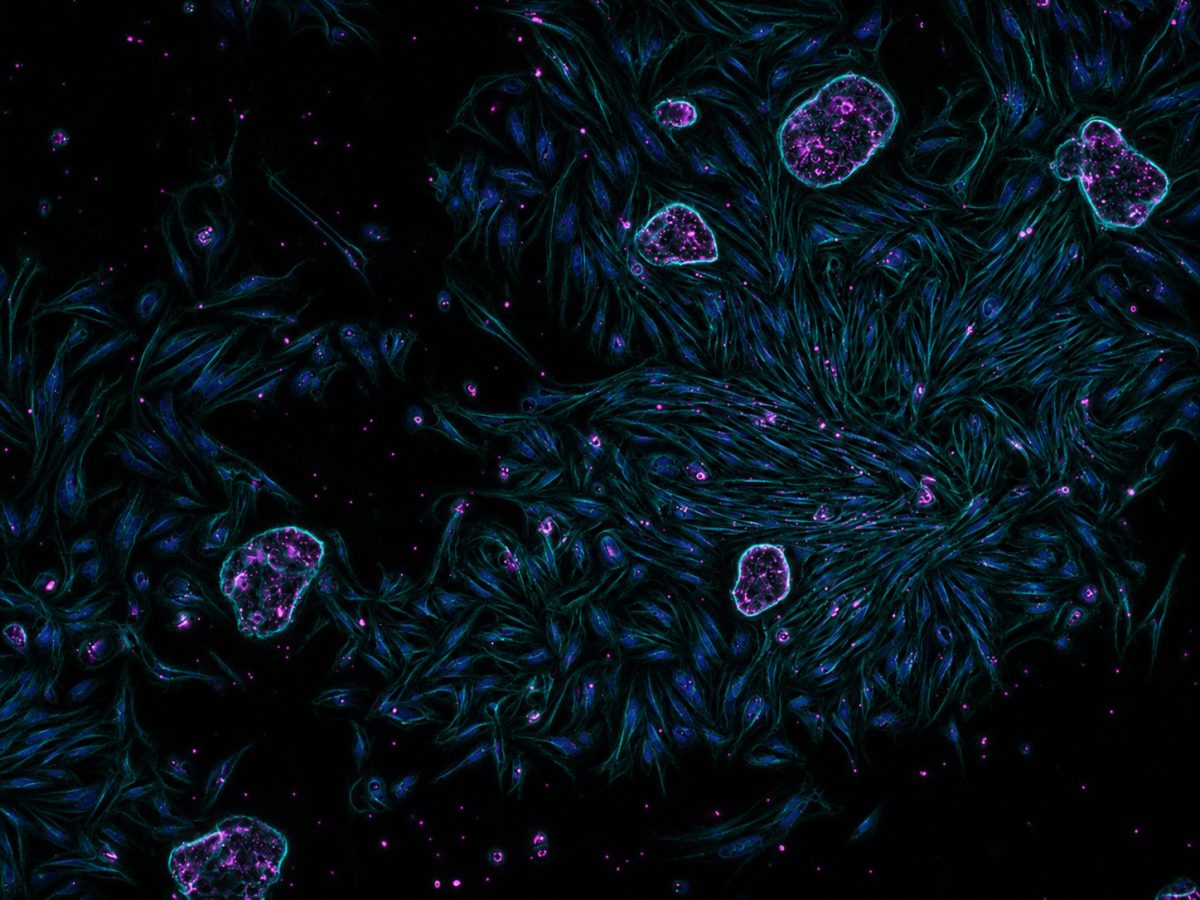
Recently, NASA presented a new “Image of the Day” showing samples of a real patient’s stomach cancer tumor in extraordinary detail. The image was taken as part of the innovative Encapsulate-1 scientific study. The photograph, captured aboard the International Space Station (ISS), shows cancer cells suspended in microgravity.
The startup’s specialists are convinced that a model of metastasis created in weightlessness will make it possible to understand the behavior of the disease much more accurately, stop tumor cells from spreading throughout the body, and save patients at early stages.
A Grant for Orbital Biochips
The initiative is being jointly developed by Connecticut-based medical startup Encapsulate Inc., which specializes in biochip development, and the American space agency. Last year, the project received $3.63 million in funding through NASA’s In Space Production Applications (InSPA) program. The main goal of this work is to study the mechanisms of metastasis development in the specific microgravity environment, which cannot be fully reproduced on Earth, and eventually learn to predict them.
Encapsulate co-founder and CEO Dr. Armin Rad called this grant a bold step forward for cancer research. According to him, the partnership with NASA offers unique advantages of space experiments for improving cancer diagnostics and advancing precision medicine.
The Medicine of the Future
Since the ISS entered orbit nearly three decades ago, extensive scientific research has been conducted aboard it. According to NASA, more than 4,000 different experiments have already been carried out on the station, which orbits approximately 418 km above Earth. A significant proportion of them involve advanced biological and medical research.
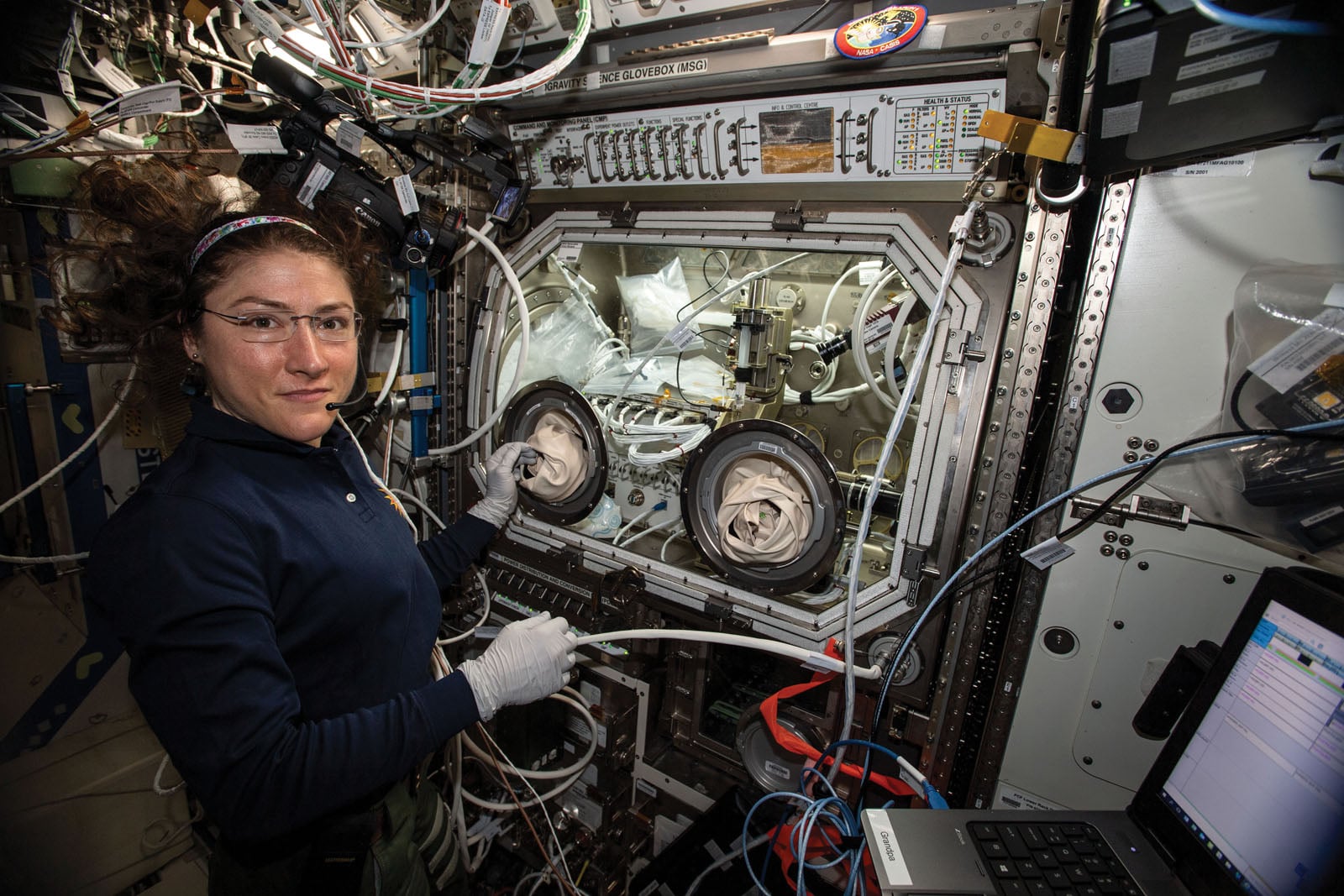
For example, NASA astronaut Christina Koch, who traveled to the Moon aboard the historic Artemis II mission earlier this year, studied clusters of amyloid proteins while working on the ISS. These proteins are considered one of the main causes of Alzheimer’s disease. Her colleague Serena Auñón-Chancellor worked aboard the station on developing more effective cancer drugs as part of a joint project with Angiex Cancer Therapy.
Of course, developing new clinical treatment methods requires years of rigorous testing. However, it is quite possible that observations of cancer cells in weightlessness aboard the ISS will help save thousands of lives in the future — because medical breakthroughs are born not only in Earth-based laboratories but also in space.
Previously, we reported on how health problems affected space missions.
Based on material from NASA
