

Starship will fly with a commercial payload on board for the first time. The company plans to load operational Starlink satellites onto the spacecraft, which will immediately join the orbital constellation. The company’s chief financial officer announced this at an investment conference. The decision was made after the successful previous launch, during which key operations in orbit were tested.

First Commercial Payload
This refers to the spacecraft’s fourteenth flight, which is expected to take place by the end of September. The payload will consist of fully operational production Starlink satellites rather than demonstration units as before.
Previous launches were part of a testing program on which the company spent billions of dollars over several years. Now the rocket is moving from testing to commercial operations, as reported by Yahoo Finance.
What the Previous Flight Demonstrated
During the thirteenth launch, demonstration satellites were delivered to orbit. Engineers also restarted an engine in space.
After that, the upper stage splashed down at the designated location. Both operations had been practiced in advance because the spacecraft’s future recovery depends on them.
Betting on Reusability
The company needs data from the test flights to develop the reuse of both stages. Without this, the economics of the project do not work, because every new spacecraft would have to be built from scratch.
SpaceX executives have said that Starship should reduce the cost of delivering mass to orbit by at least 99 percent compared with the average cost of launches using expendable rockets. Regular flights carrying the company’s own satellites are becoming the cheapest way to test this figure in practice.
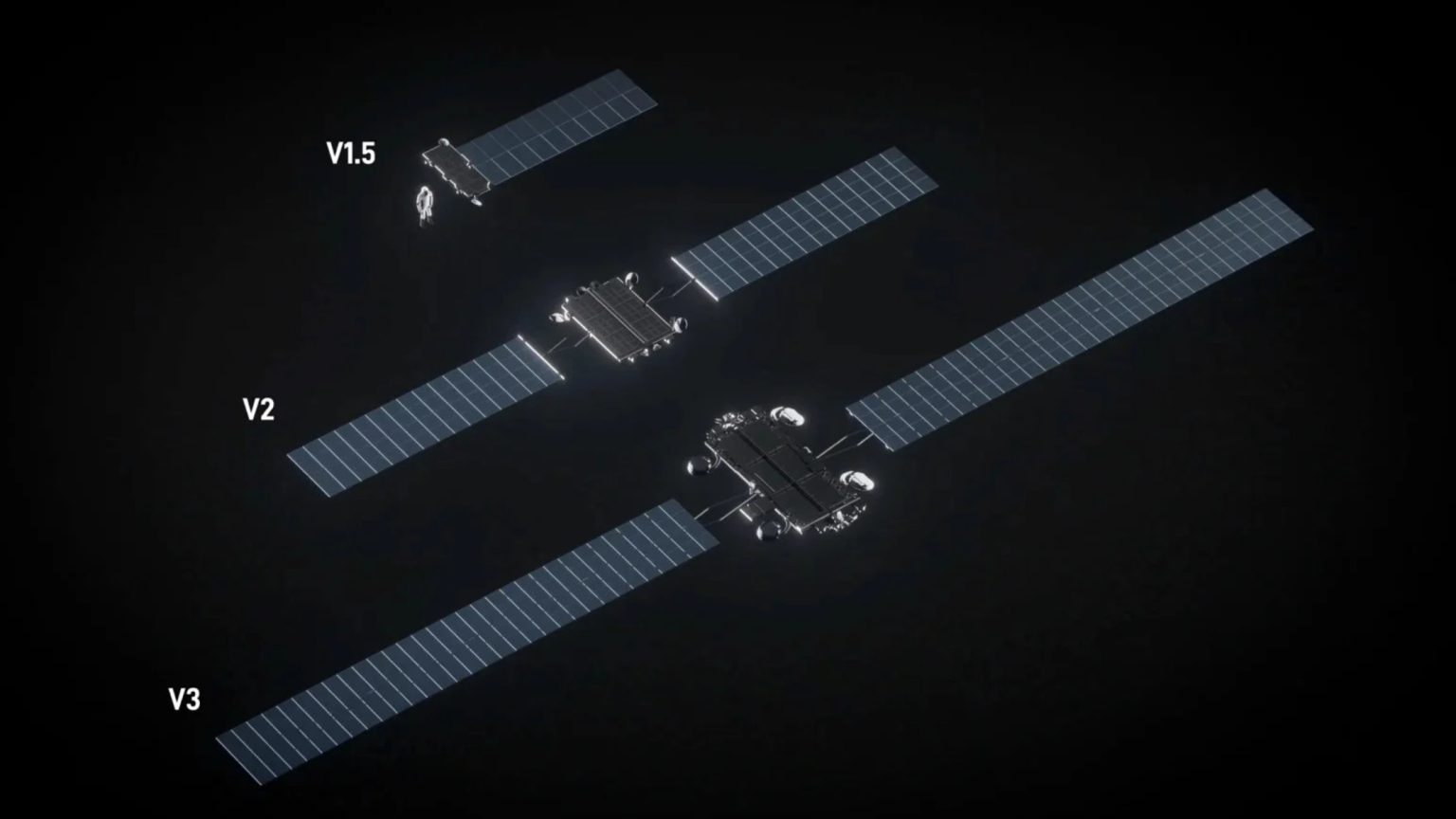
Commercial Starlink launches give SpaceX something that individual test flights cannot provide: a well-established launch pipeline. It is critical for the Artemis program, in which the Starship-based lunar lander will require a series of refueling flights in rapid succession.
The Cost of Development
The company’s space division is still operating at a loss. During the three months that ended on June 30, it generated $962 million in revenue while posting an operating loss of $542 million.
Research and development spending in this segment increased by 55 percent year over year and reached $1.08 billion. The money was spent on equipment, engines, and the test launches themselves, so during the first half of the year the division lost $1.2 billion from operating activities.
