

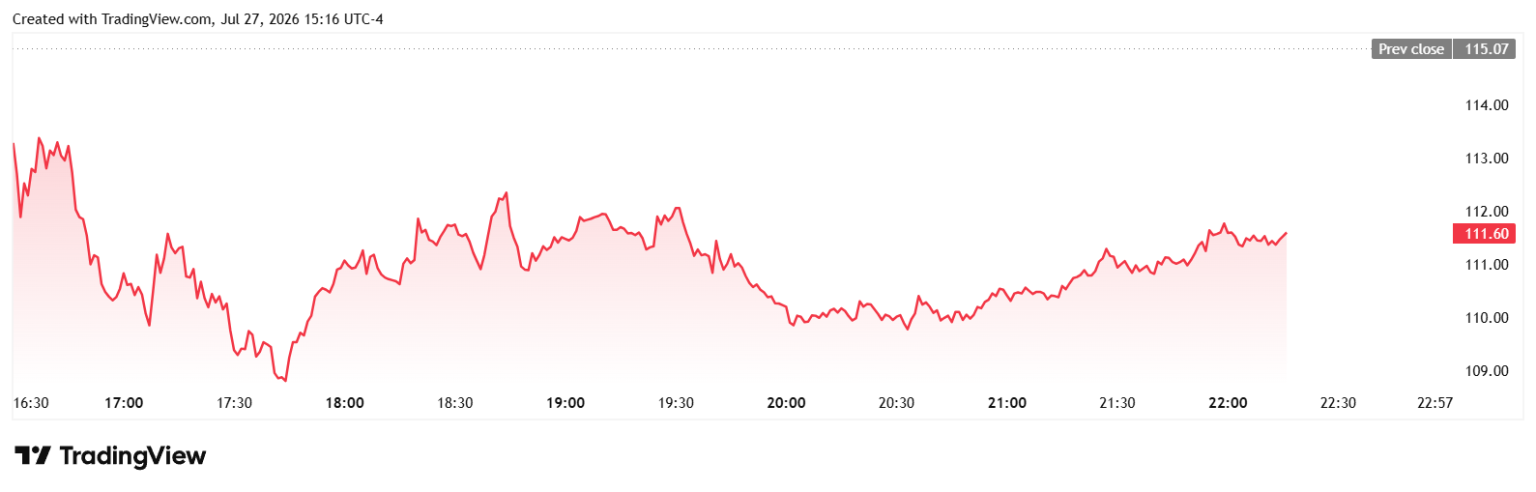
SpaceX’s initial public offering (IPO) was accompanied by intense stock-market excitement. At the close of trading on the day of the initial offering, one share was priced at $160.95, and just a few days later it rose to $201.80. However, the market’s optimism proved short-lived. A little more than a month later, the share price fell to $115.07. The 28.5% decline from the initial level resulted in the loss of $1 trillion in the company’s market capitalization, which now stands at $2 trillion.
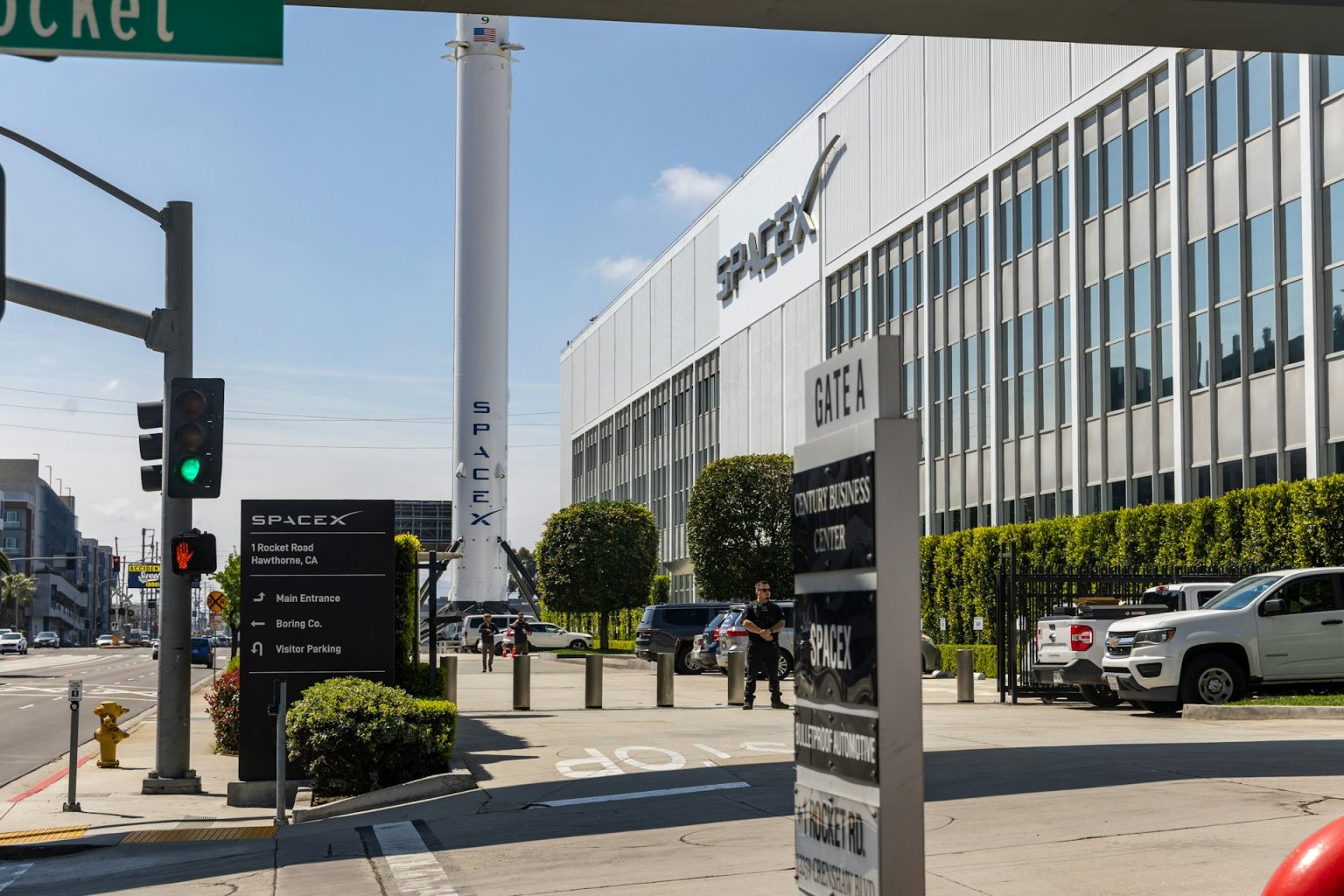
Such dynamics demonstrate the danger of speculative expectations on Wall Street, which are often based on premature optimism about future technological breakthroughs. Morgan Stanley analysts note that if the share price approaches the $100 level, this would effectively mean that investors value the company’s entire artificial intelligence division at $0. In such scenarios, early large market players profit at the expense of retail investors by inflating demand.
Starlink as the Main Pillar of the Business
An analysis of the company’s financial indicators shows that the key—and effectively the only profitable—area of SpaceX’s operations remains not artificial intelligence, but the Starlink satellite internet service. Although the company serves 10.3 million users in 164 countries, this figure remains relatively small compared with the giants of the traditional telecommunications market. For comparison, telecom operator Verizon recorded 129 million connections and revenue of $11.39 billion in 2025.
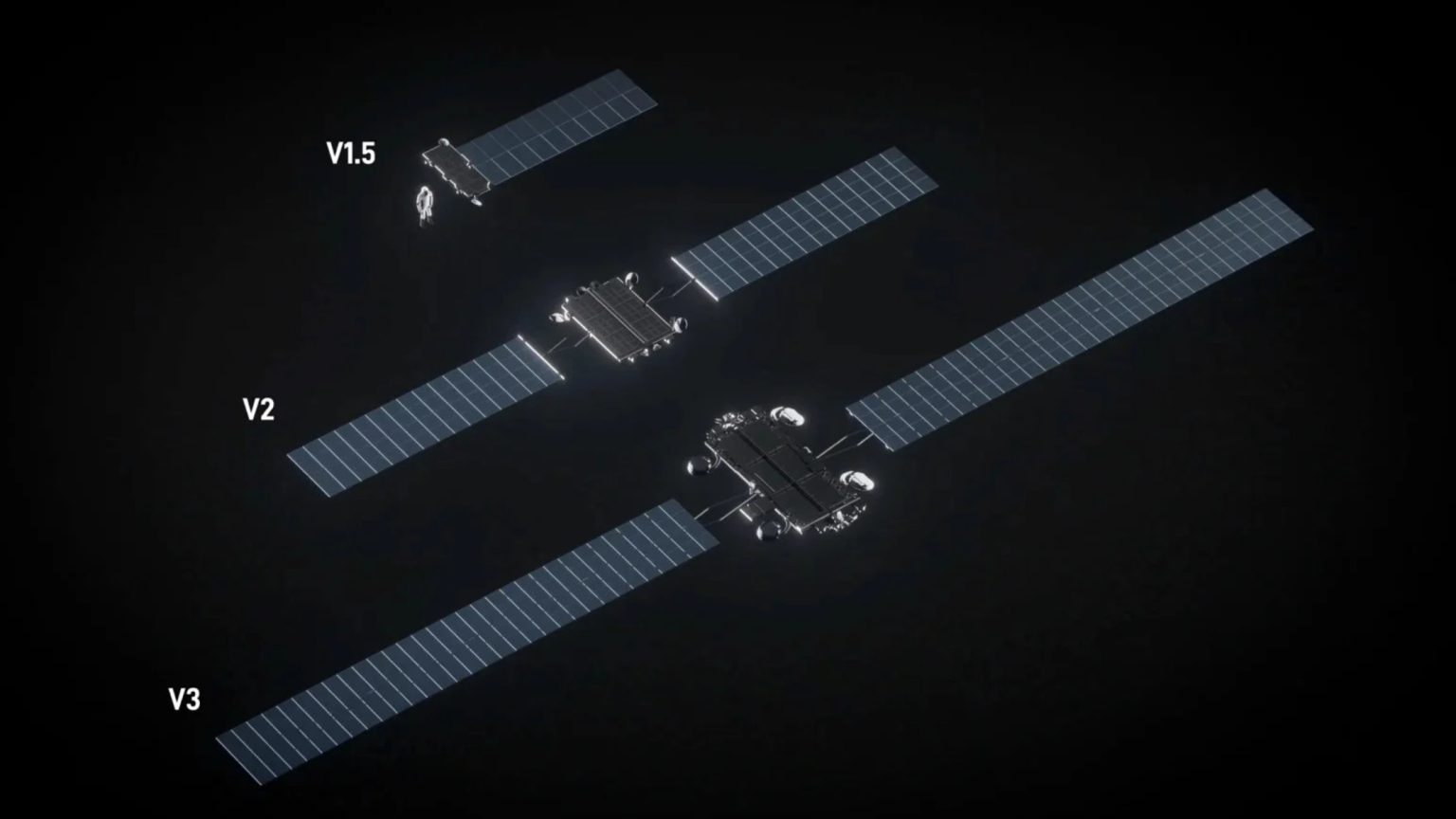
Despite its profitability, Starlink faces a number of serious criticisms. Among the main problems identified by users and regulators are technical network congestion in densely populated regions, difficulties with customer service, and growing concern over the overcrowding of low-Earth orbit with satellites.
Space Launches and Loss-Making Technologies
Despite its technological dominance in payload launches, SpaceX’s space division also faces a difficult financial situation. According to the S-1 registration statement, the company accounts for approximately 80% of the global volume of payload launches into orbit, having completed around 650 missions, 85% of them using reusable rockets.

In 2025, the division generated $4.09 billion in revenue. However, in the first quarter of 2026, revenue amounted to $619 million while operating expenses reached $1.28 billion, resulting in a quarterly loss of $662 million. Having achieved the status of an almost monopolistic launch provider, the company is exhausting its opportunities for further expansion in this segment.
The artificial intelligence division, which includes the development of Grok and Cursor, is no less expensive. Despite having 550 million monthly active users and generating $3.20 billion in revenue last year, the first quarter of 2026 brought in $818 million in revenue against expenses of $3.29 billion, resulting in an operating loss of $2.47 billion. In this sector, the company faces intense global competition and high capital-investment requirements.
Financial Position and Investment Prospects
Overall, SpaceX’s financial results for 2025 recorded a net loss of $528 billion, while the company ended the first quarter of 2026 with a net profit of $4.27 billion. The communications segment generated an operating profit of $1.19 billion in the first quarter of 2026, partially offsetting the negative results of the company’s other divisions.

Morgan Stanley analysts believe that a correction in the share price to $100 per share could create an attractive market entry point because the company’s fundamentals remain strong. At the same time, potential investors are advised to consider the history of stock-market overvaluations involving other technology projects and carefully assess their own willingness to accept financial risk.
Earlier, we explained what Musk would gain from turning SpaceX into a public company.
According to forbes.com