

Earth is often called a pale blue dot because of the oceans covering most of its surface. Yet much of our planet’s land is green. Plants use chlorophyll—a pigment that absorbs red and blue light while reflecting green—and consume carbon and water to generate energy through photosynthesis.
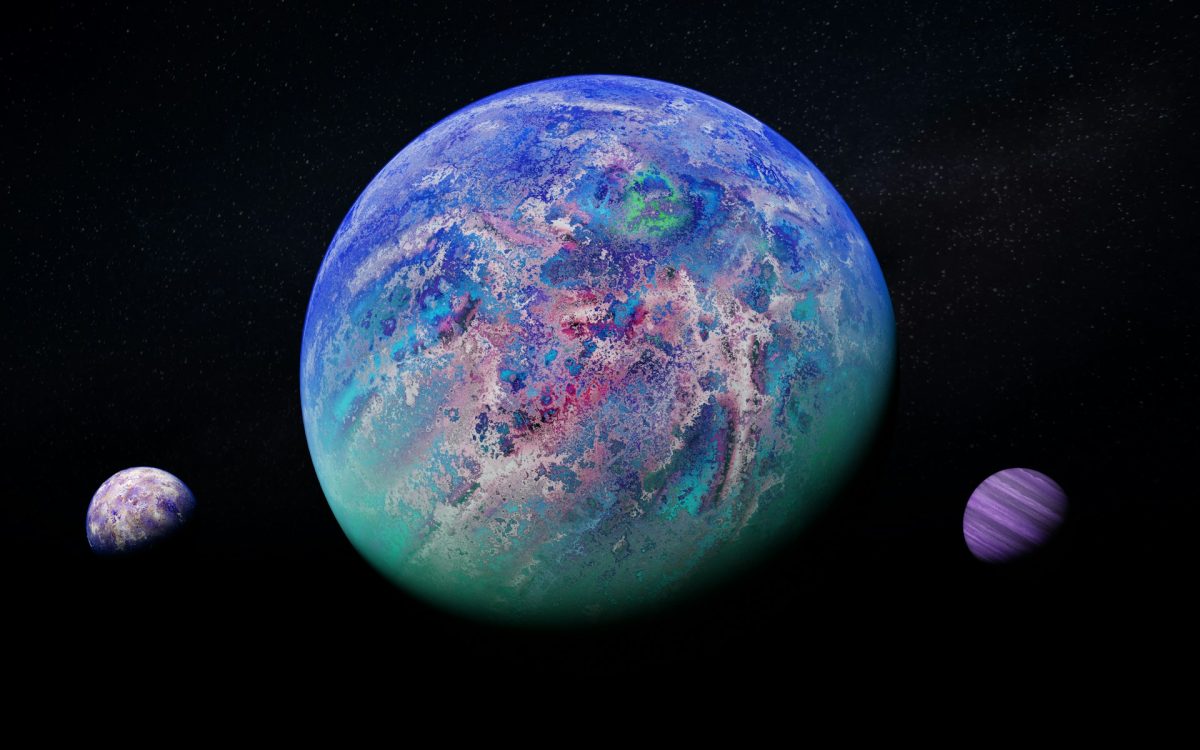
Although this is a fundamental biological principle behind life’s success on Earth, life on other Earth-like exoplanets, particularly those orbiting red dwarfs, may use an entirely different method that could give these worlds a purple hue.
The Light Signatures of Alien Flora
Scientists at Cornell University analyzed how alien plants relying on infrared radiation for photosynthesis could change the appearance of distant worlds. Such types of bacteria could produce a distinctive light signature detectable by future observatories, including the European Southern Observatory’s Extremely Large Telescope.
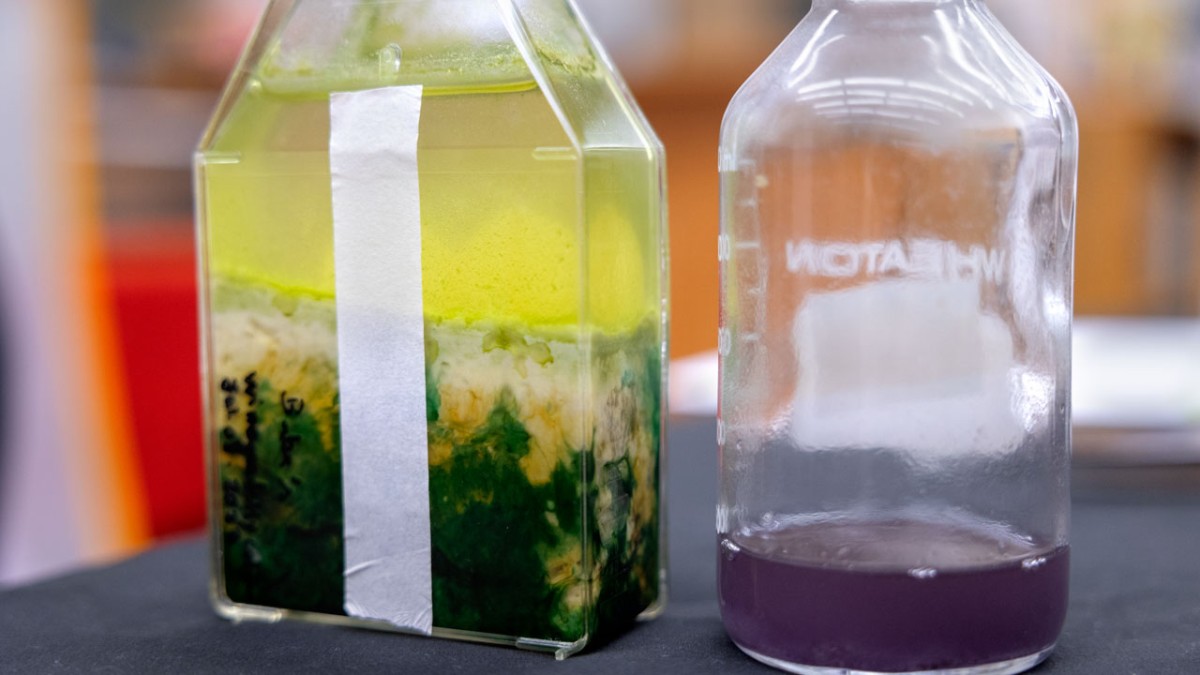
“Purple bacteria can survive in a wide variety of conditions, making them leading contenders to dominate a diverse range of worlds,” Cornell University graduate student Lígia Fonseca Coelho said in a press release.

She added that, without competition from ordinary green plants, algae, and bacteria, a red sun could provide the most favorable conditions for them.
The Secrets of Ancient Earth
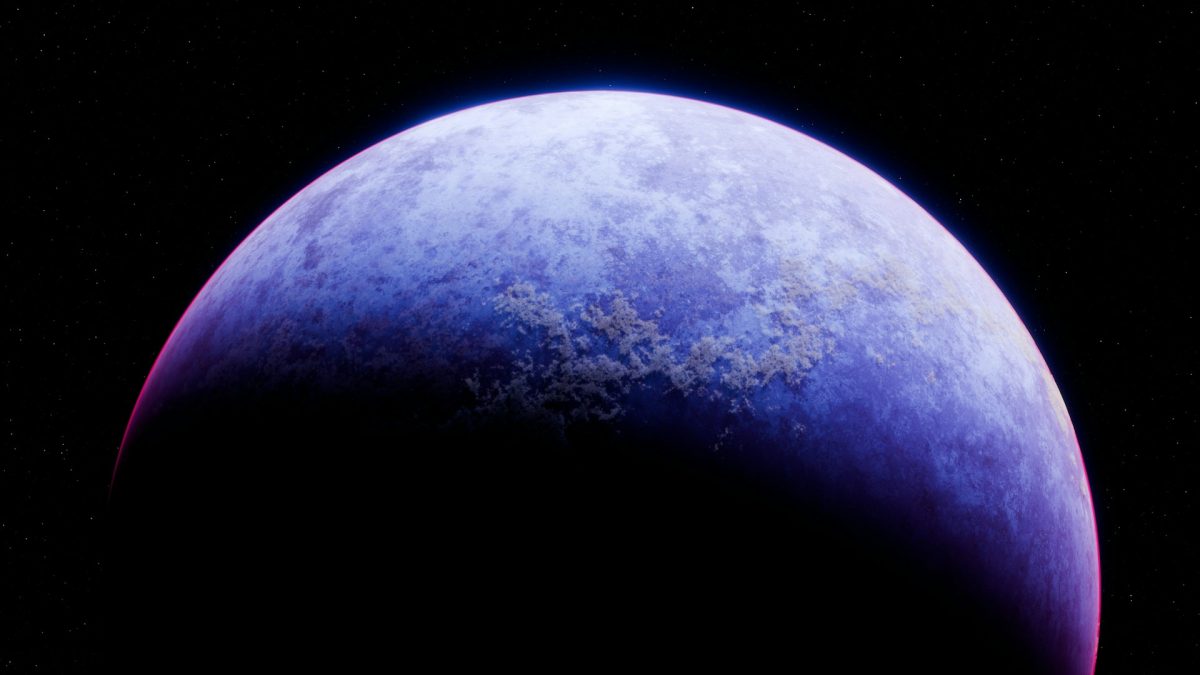
To understand the chemical composition and colors of such a world, the scientist and her colleagues collected 20 samples of purple sulfur and nonsulfur bacteria from locations around the planet, ranging from hydrothermal vents to bodies of water on Cornell University’s campus. These bacteria rely on low-energy red and infrared light for processes similar to photosynthesis. Although purple bacteria occupy only specific ecological niches today, some researchers suggest that ancient Earth was once much more purple than it is now.
According to research from the University of Maryland, the light-sensitive molecule retinal, which appeared on Earth before chlorophyll, absorbed green light and reflected red and violet—what the human eye would perceive as purple. When chlorophyll evolved on Earth as oxygen levels rose, green light was already being absorbed by retinal-based plants. Chlorophyll therefore began absorbing the remaining available energy, creating a more complex and efficient system of photosynthesis that gave Earth its familiar green hue.
The Future of Planets Around Red Dwarfs
On oxygen-poor exoplanets orbiting cool red dwarfs, however, the situation could be very different. Fonseca developed various models of Earth-like planets in wet and dry environments, and many of the simulated “light signatures” ultimately pointed to purple.
We previously reported on the colors of the sky on different planets.
Based on material from Popular Mechanics.
