

A new study has confirmed a sensational discovery: pristine samples from asteroid Ryugu contain all five fundamental nitrogenous bases that form the molecular “letters” of the genetic code in living organisms. The findings were published in Nature Astronomy.
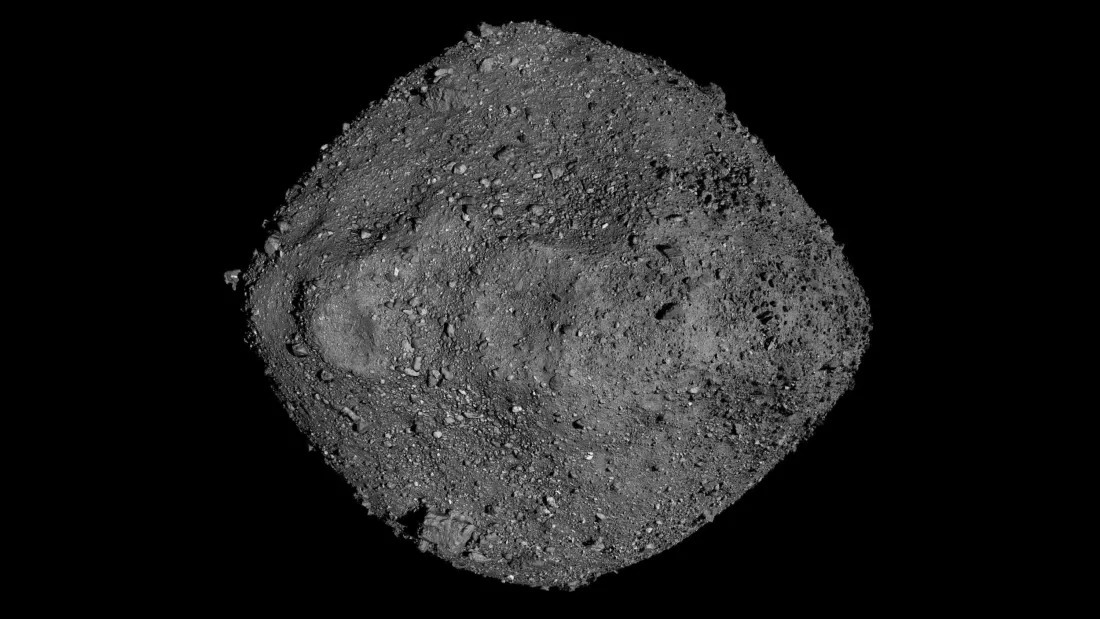
These molecules—adenine, guanine, cytosine, thymine, and uracil—are essential components of DNA and RNA. The discovery suggests that the chemical ingredients necessary for life to emerge were scattered throughout the Solar System early in its history.
What Are Nitrogenous Bases?
Nitrogenous bases fall into two groups: purines (adenine and guanine) and pyrimidines (cytosine, thymine, and uracil). Combined with sugars and phosphates, they form nucleotides—the building blocks of genetic material. Without these compounds, the storage, replication, and evolution of genetic information would be impossible.

The approximately 4.5-billion-year-old Ryugu samples were delivered to Earth in 2020 by Hayabusa2, a mission of the Japan Aerospace Exploration Agency (JAXA). The spacecraft returned a total of 5.4 grams of material.
In 2023, scientists reported detecting one of the bases—uracil—in these samples. Now, using extraction with water and hydrochloric acid under ultraclean laboratory conditions, Japanese researchers have confirmed the presence of all five nucleobases in approximately equal proportions.
Comparison with Other Celestial Bodies
The Ryugu findings echo earlier studies of the Murchison meteorite, which fell in Australia in 1969, and the Orgueil meteorite, which fell in France in 1864. However, meteorites that pass through Earth’s atmosphere and come into contact with its surface always carry a risk of terrestrial contamination.
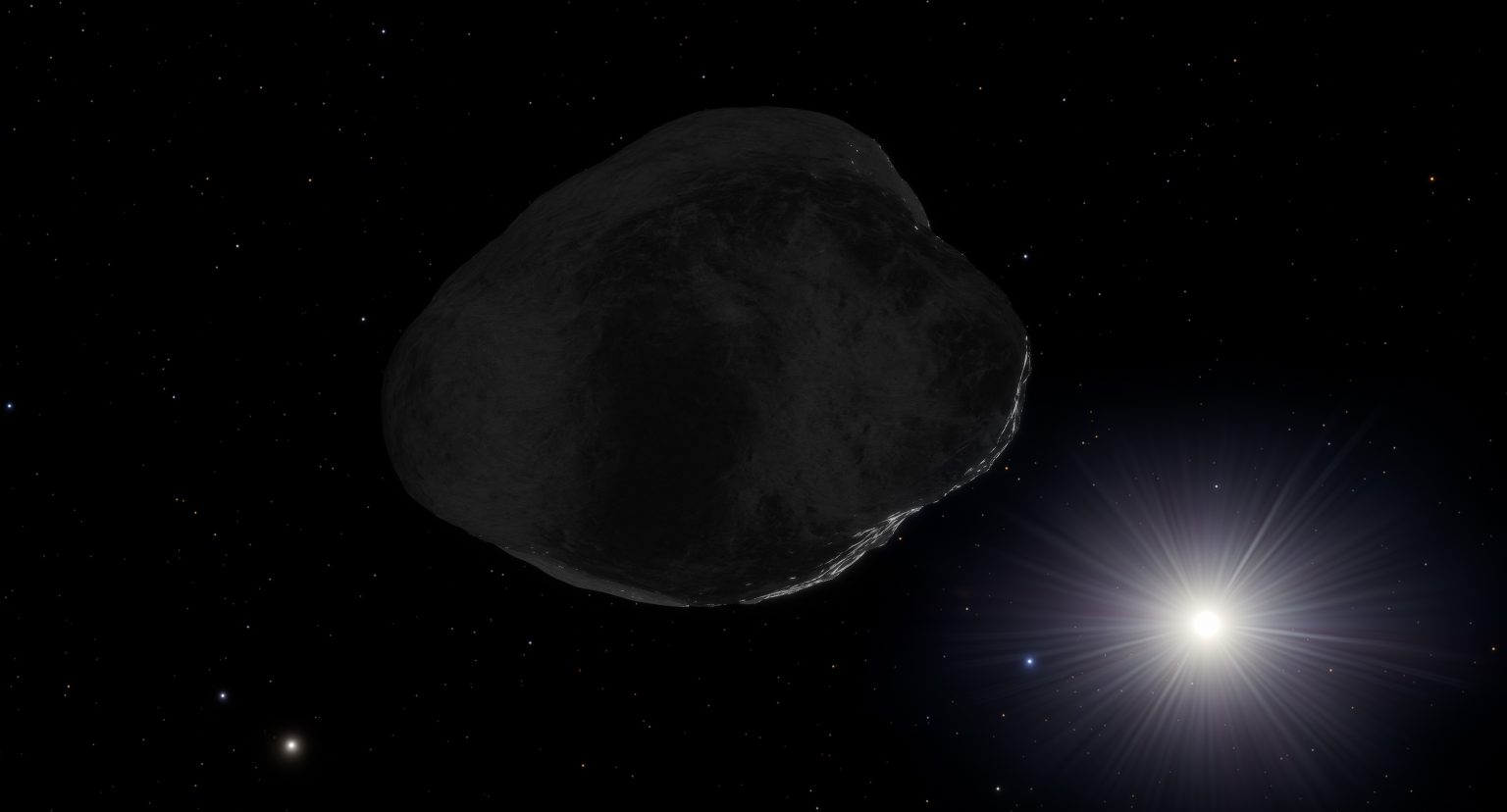
The discovery’s freedom from contamination is also supported by samples from asteroid Bennu, delivered by a NASA mission in 2025, in which scientists likewise detected the full range of nitrogenous bases.
Interestingly, the asteroids differ in their chemical balance:
- The Murchison meteorite is enriched in purines.
- Asteroids Bennu and Orgueil contain more pyrimidines.
Scientists suggest that this balance was shaped by ammonia—a key molecule that determines the course of chemical reactions during the synthesis of complex organic compounds in space.
A Cosmic Path to the Origin of Life
Because the Ryugu samples were collected directly in space and remained hermetically sealed, they provide the clearest picture of the Solar System’s primordial chemistry.
All these findings form a coherent picture: carbon-rich asteroids served as natural chemical laboratories. Complex organic molecules formed in space long before the first conditions suitable for life emerged on Earth. Impacts by these ancient asteroids could have “seeded” the young Earth with ready-made molecular material, making the emergence of life part of a broader cosmic story.
Previously, we reported on how foreign stardust was found in samples from asteroid Ryugu.
Based on material from SciTechDaily
