

Stars are the Universe’s main “factories” for producing chemical elements, including oxygen, which is essential for the formation of planets and life. However, a new astronomical study suggests that small dwarf galaxies can retain only a tiny fraction of the material they produce. The findings were published in The Astrophysical Journal.
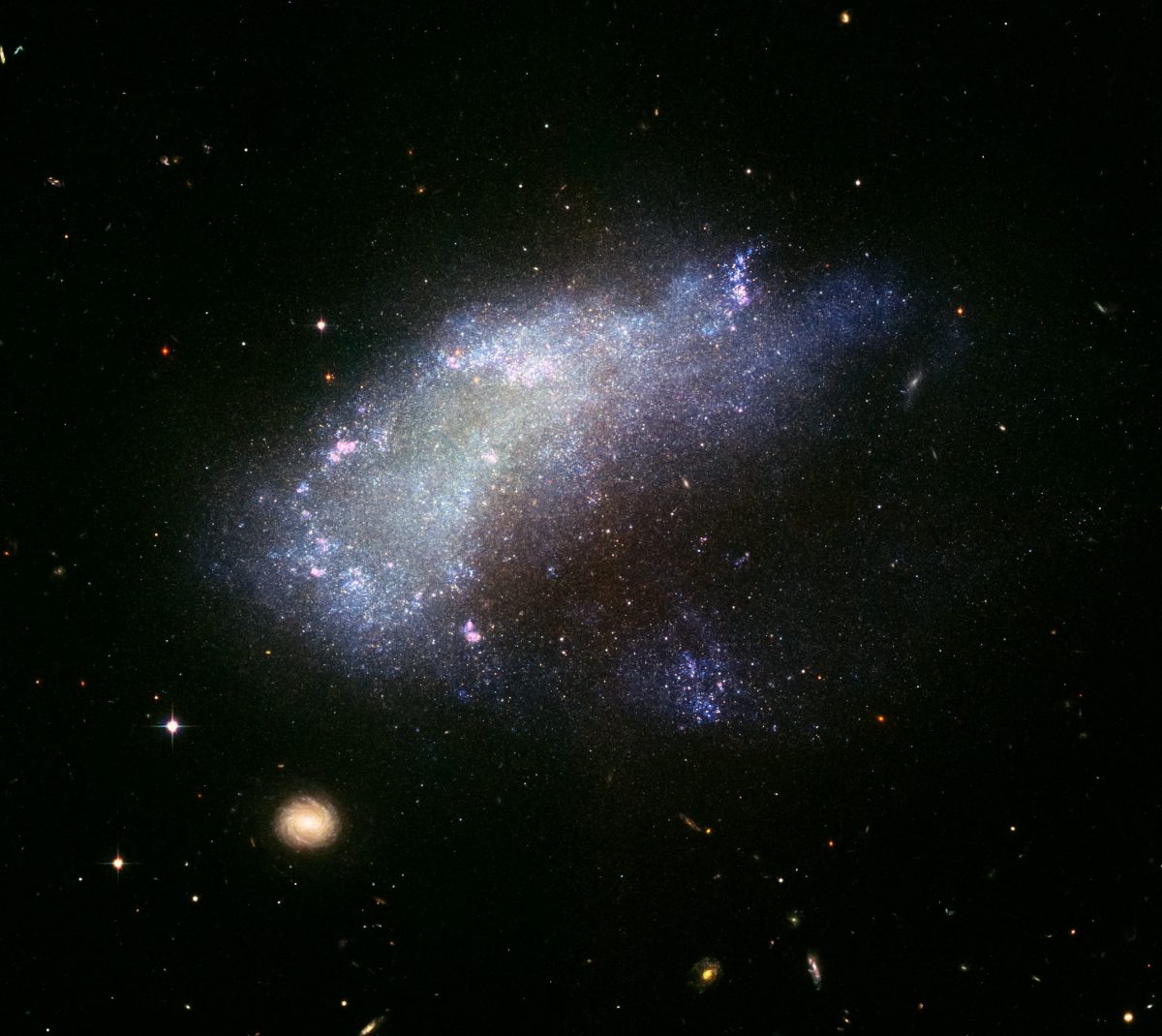
Scientists from the University of Utah and their colleagues analyzed 37 dwarf galaxies within 19.5 million light-years of Earth as part of the GLOW project—Galaxies Losing Oxygen via Winds. The objects studied ranged in mass from 3 million to 3 billion solar masses.
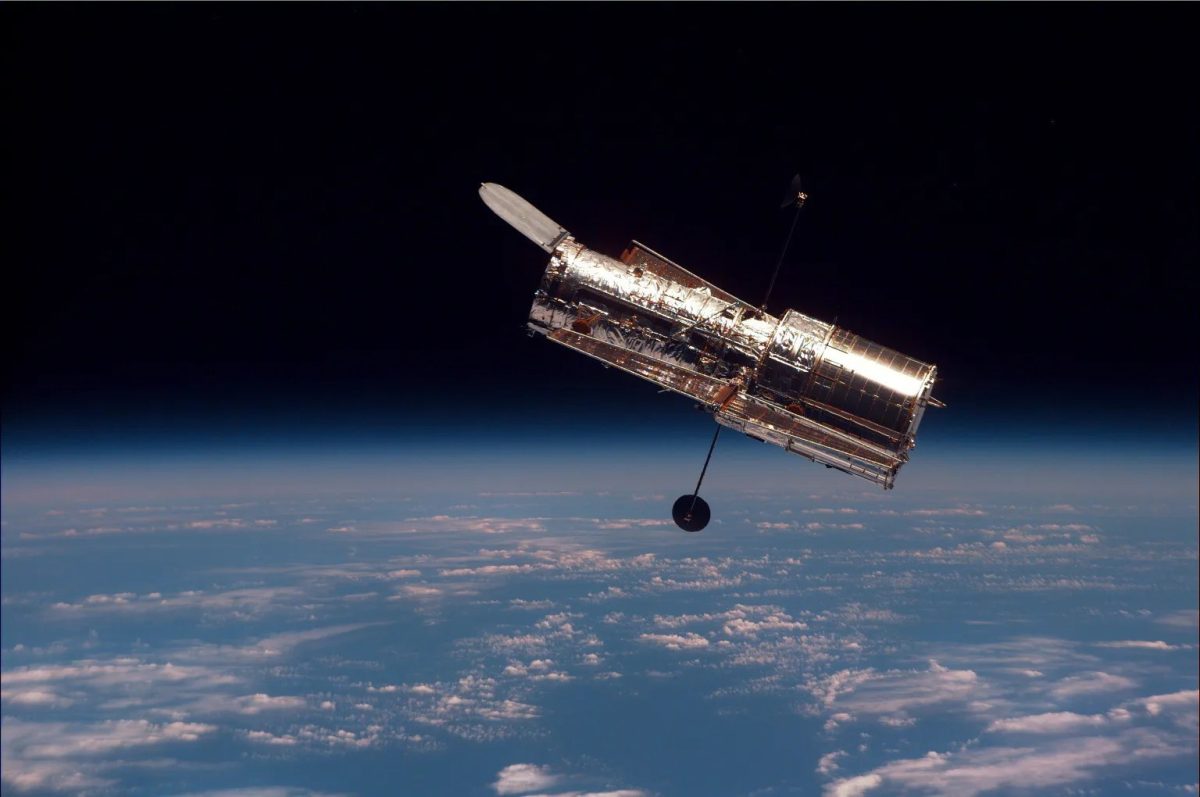
Using the Hubble Space Telescope, the researchers reconstructed each galaxy’s star formation history in detail and calculated the theoretical amount of oxygen its stars should have produced over its lifetime. Comparing these estimates with the actual oxygen reserves in gas, stars, and dust revealed an enormous deficit.
Galactic Blowout
The researchers found that dwarf galaxies retain between 4% and 25% of their oxygen, with an average of only about 11%. Almost all of this remaining oxygen resides in interstellar gas rather than in newly formed stars or dust clouds.
“Oxygen is created by stars inside galaxies,” explains Dr. Grace Telford of the University of Utah. “We know it must have been inside them at certain points in the past, which means it was pushed out. This requires the enormous energy of massive stars and supernova explosions to drive material into intergalactic space.”
The findings provide strong support for the longstanding hypothesis that supernovae are the main drivers of “galactic blowout.”
The Influence of the Surroundings
The researchers also noticed a clear relationship between a galaxy’s ability to retain oxygen and its location:
- Galaxies more than 3.3 million light-years from large neighbors consistently retained less than 15% of their oxygen.
- Galaxies in denser environments or within 3.3 million light-years of massive systems showed a wider range of values and more often retained a higher percentage of the element.
This suggests that dense surroundings help expelled gas return, or that galaxies can replenish their reserves with material enriched by neighboring systems.
Searching for the Missing Oxygen
Analysis of gaseous halos shows that highly ionized forms of oxygen account for about 1–7% of the total amount of the element produced. Including other ionization states, halos could contain between 5% and 35% of the oxygen. However, a substantial portion of the gas likely escapes the galaxies’ gravitational pull entirely, leaving its home systems forever.
Interestingly, current cosmological models still describe these processes inaccurately: they predict that dwarf galaxies should retain significantly more metals than Hubble’s observations reveal.
“We chose oxygen for purely practical reasons,” says GLOW project leader Dr. Kristen Wingfield McQuinn, who works at the Space Telescope Science Institute and Rutgers University. “It is one of the main elements formed by stars. Being able to trace oxygen’s journey helps us understand how galaxies evolve and how they enrich intergalactic space.”
Previously, we reported on how oxygen may not be a sign of life on a planet.
Based on material from sci.news
