

This month, the gas giant will come to its minimum distance from Earth. Saturn is reaching its annual opposition — the moment when it becomes brightest and remains in the sky from sunset until dawn. For amateur astronomers and anyone who simply enjoys looking at the night sky, this is the best time of the year for observations.
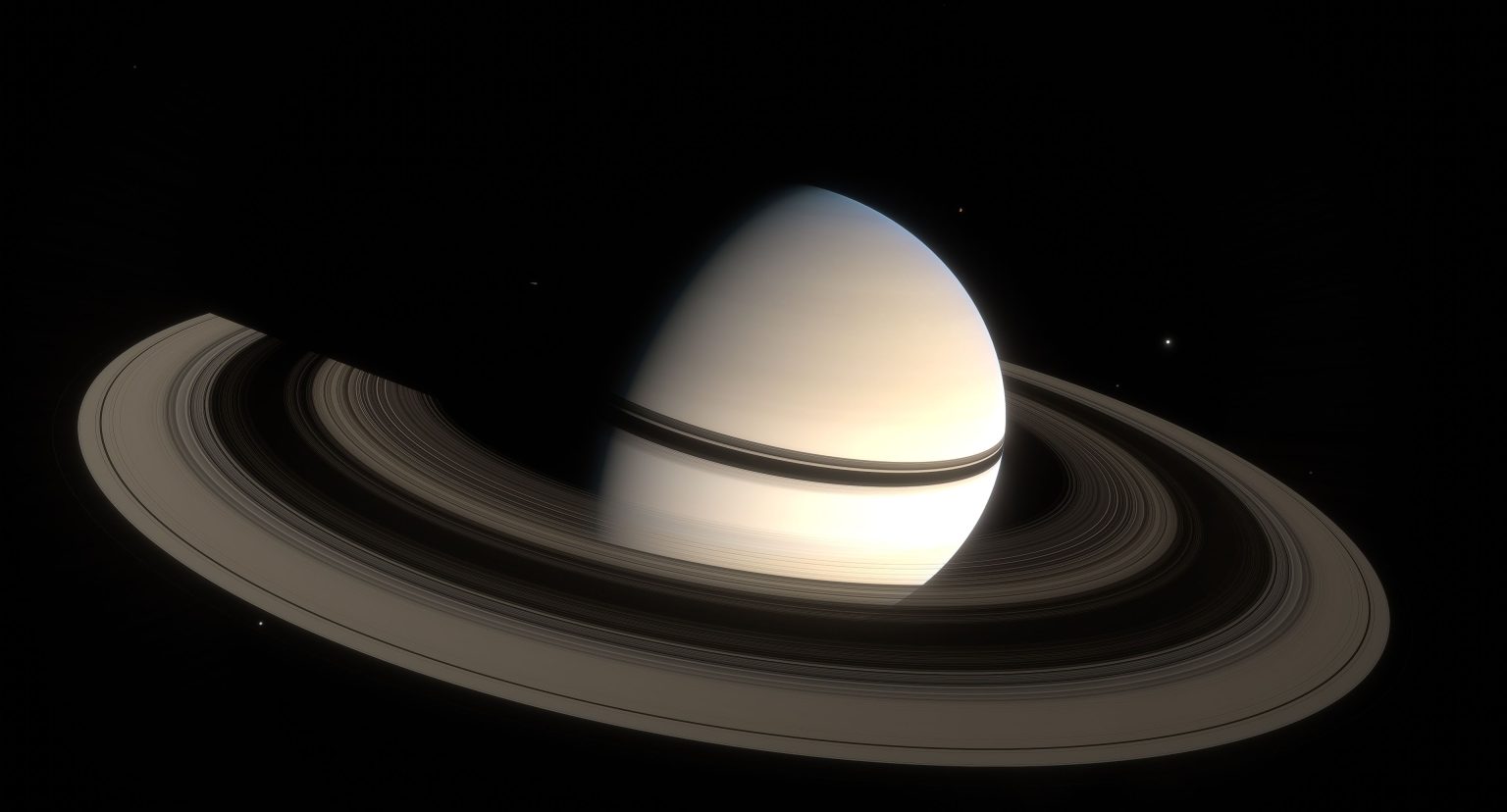
This spectacle is explained not so much by Saturn’s own motion as by Earth’s orbital movement. Opposition occurs at the moment when our planet lies exactly on a line between the Sun and the giant planet.
For us, this means that Saturn is located in the point of the sky diametrically opposite the Sun — similar to the full Moon. The planet rises in the east at sunset, reaches its highest point around midnight, and sets in the west with the first rays of morning. At this time, its visible disk is illuminated by the Sun by a full 100%.
How to Find the Gas Giant in the Sky
The peak of opposition falls on Sunday, October 4, but excellent visibility will remain for several weeks before and after this date.
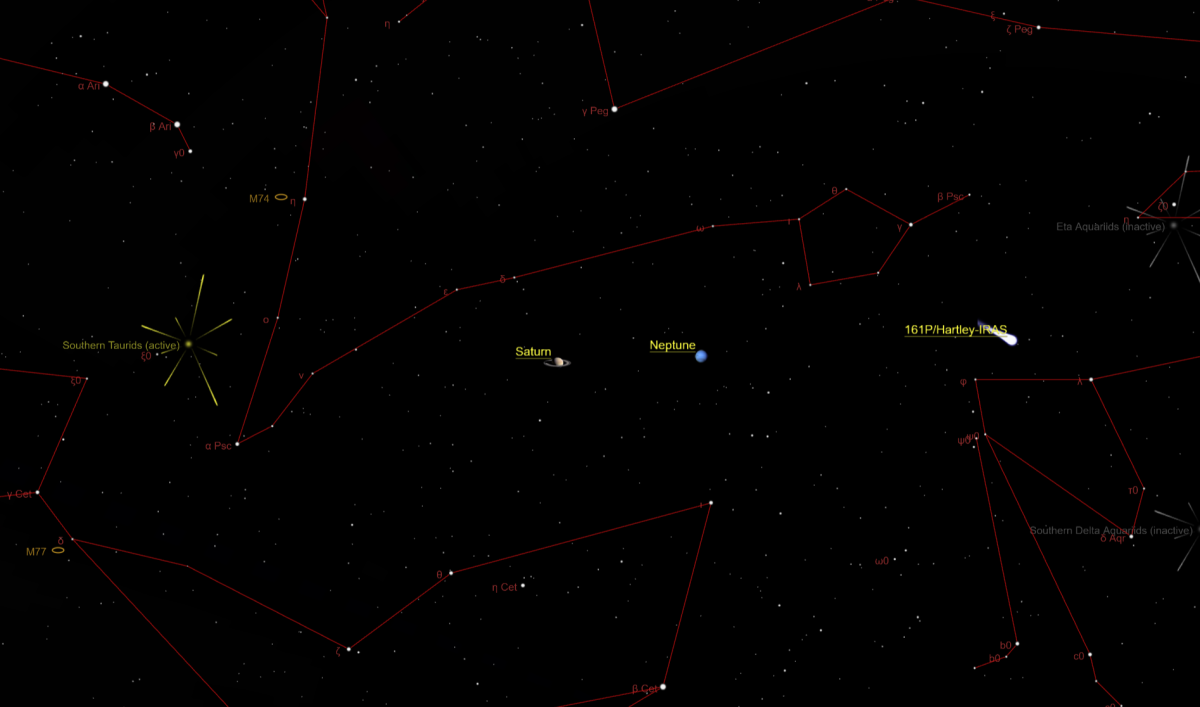
Saturn is currently located about 1.26 billion km from Earth. By cosmic standards, that is very close. Therefore, the planet appears slightly larger than usual and shines with a steady, dim yellowish light.
To find Saturn, no special optical instruments are needed. In a clear night sky, it can easily be seen with the naked eye as a bright, non-twinkling point between the constellations Pisces and Cetus.
Time to Take Out Amateur Telescopes
If you have even a small amateur telescope, be sure to point it at the planet. Seeing Saturn’s rings with your own eyes for the first time is an experience that remains in the memory of amateur astronomers for a lifetime.
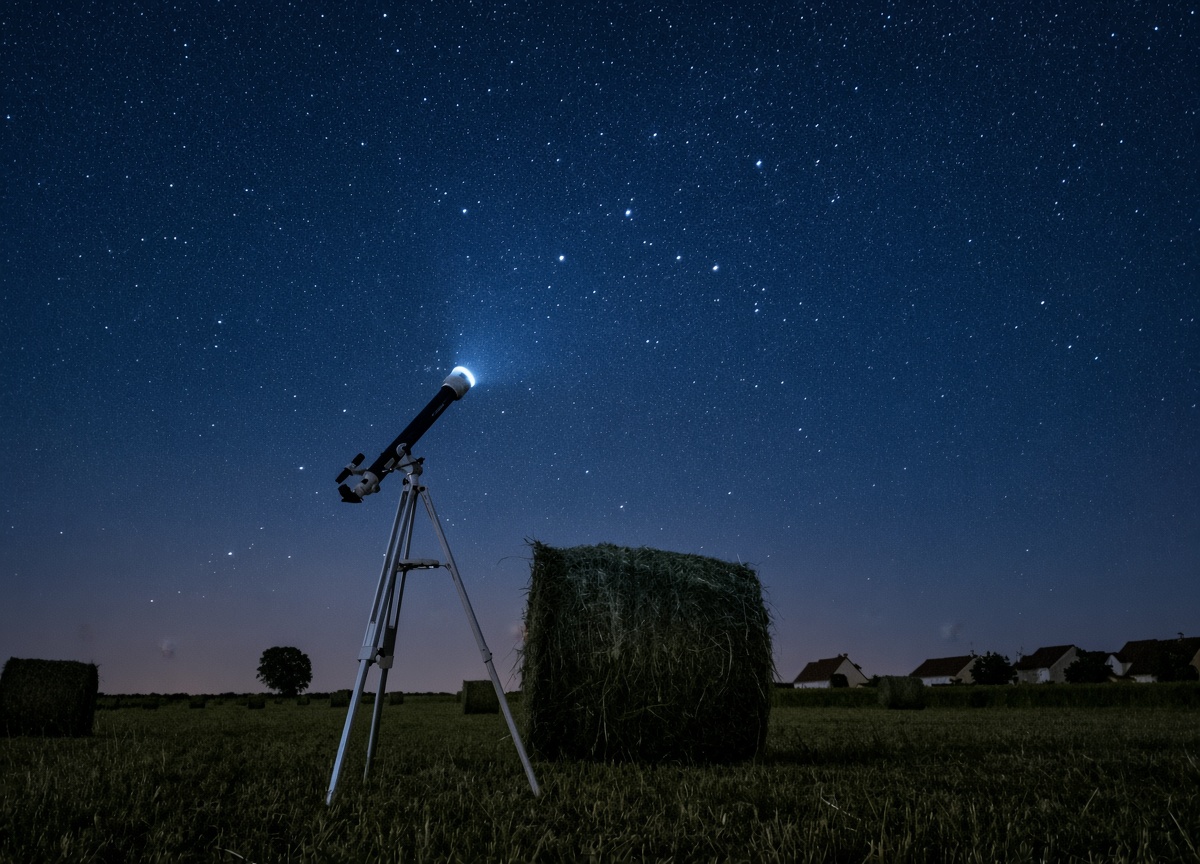
With a larger aperture and high magnification, it is possible to see even the planet’s largest moon — Titan.
The rings themselves are of particular interest this year. Because of Saturn’s axial tilt, their viewing angle changes over the course of its 29-year orbit around the Sun. In 2025, the rings were turned toward Earth at an almost edge-on angle, so they became nearly invisible, but now they are gradually opening up again, giving observers an increasingly detailed view.
When to Observe?
There is no need to limit observations to just one night — Saturn will remain the main highlight of the evening sky throughout October. However, the period from September 30 to October 4 is considered the most ideal because of the favorable combination of brightness and duration of visibility.
If you were looking for a reason to buy a telescope or take one out of storage, there could hardly be a better moment. The next time Saturn will be in such a favorable position will be only on October 18, 2027.
Previously, we reported on how Earth could suddenly turn into Saturn.
Based on materials from Live Science