

The speed at which an asteroid rotates can help determine its chemical composition. However, traditional measurement methods often produce inaccurate results. Because asteroids have irregular shapes, they reflect varying amounts of sunlight as they move. By tracking these changes in brightness, astronomers determine their rotation periods.
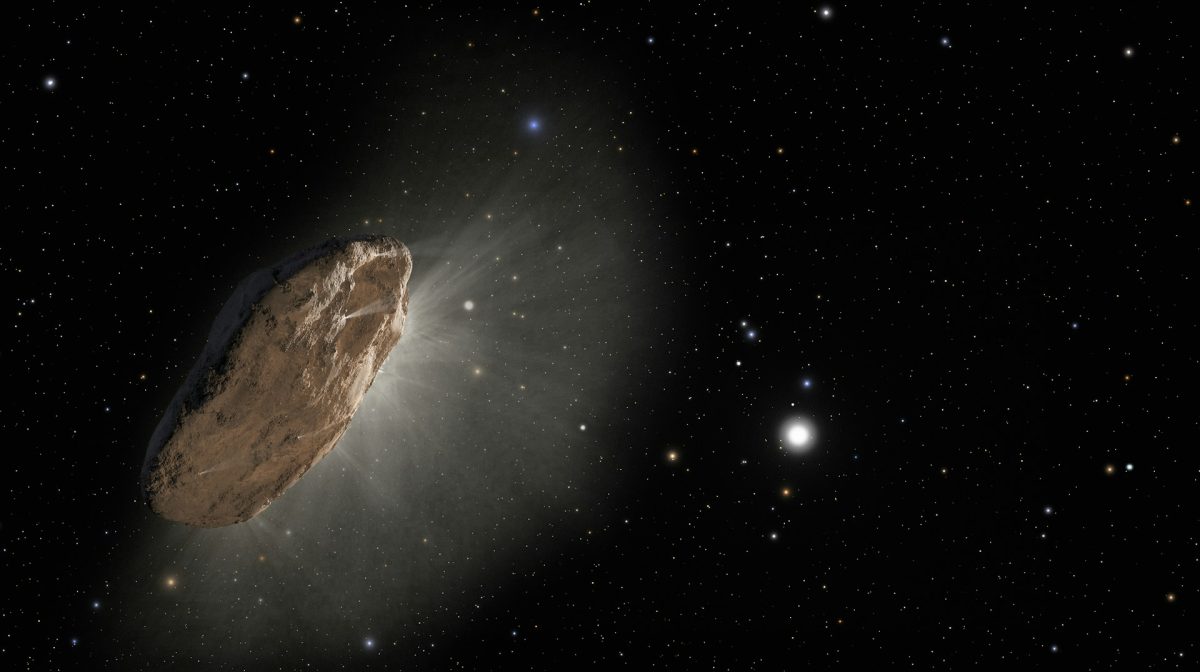
Unfortunately, telescopes, including the Vera C. Rubin Observatory in Chile, observe celestial bodies only at certain intervals. These gaps often lead to incorrect calculations. Checking such data manually for thousands of objects is too time-consuming and inefficient.
An Algorithm to Eliminate Errors
To address this problem, a team led by Dmitry Vavilov of the University of Washington developed specialized software. The algorithm automatically analyzes each asteroid’s brightness variations, identifies gaps in the observations, and filters out unreliable measurements. If an exact period cannot be determined, the software provides several possible values along with estimates of their reliability.
After testing the system on 9,417 asteroids, the scientists identified 66 candidates with very short rotation periods. Two were more than 2 kilometers in diameter and completed a full rotation in approximately five minutes.
A Sensational Discovery Among the Debris
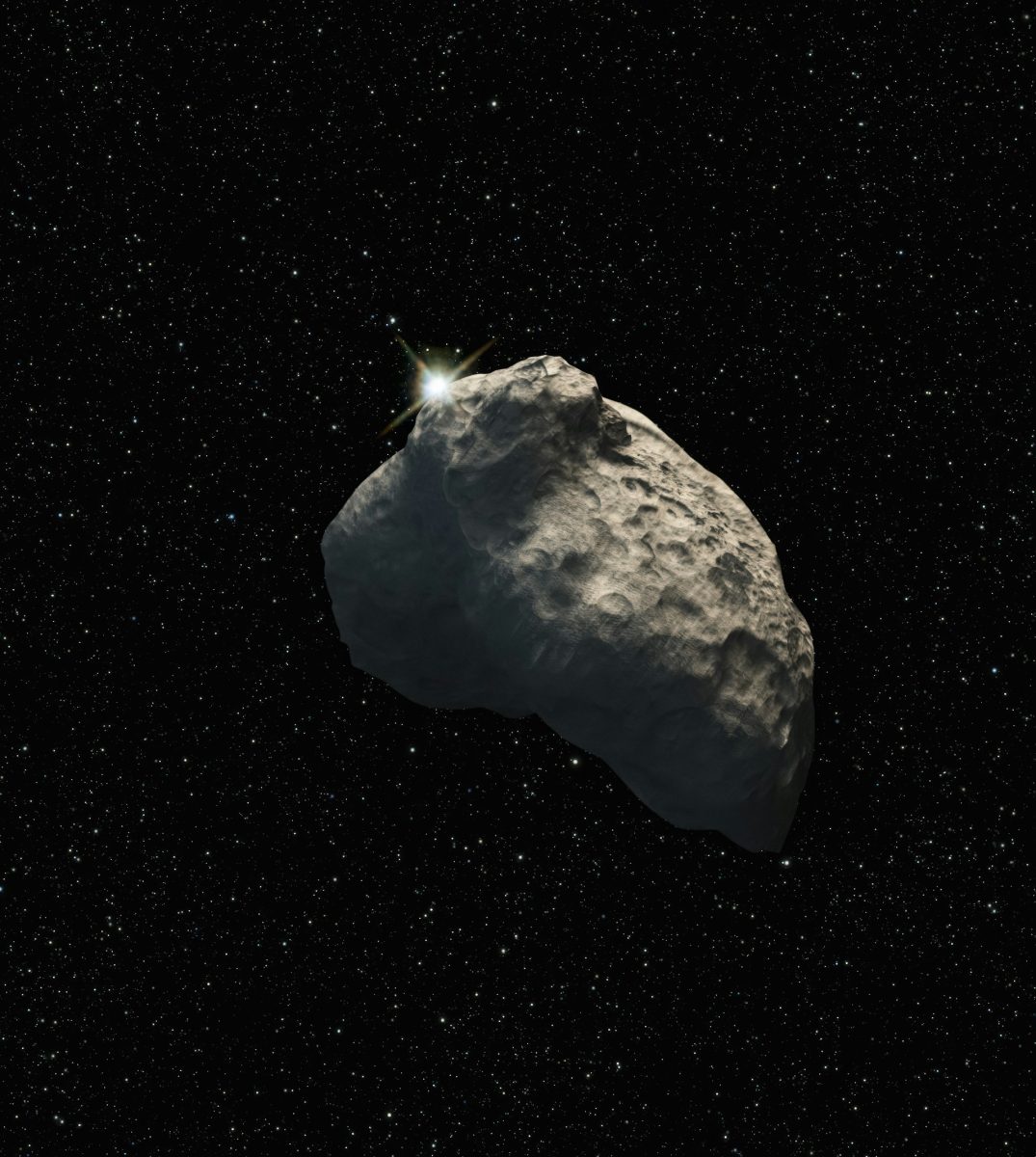
Asteroid 491384 proved to be the most remarkable discovery. With a diameter of 2.53 kilometers, it completes a full rotation in just 4.18 minutes. It is currently the largest ultrafast-rotating asteroid known to astronomy.
Most asteroids larger than 150 meters are typically “rubble piles”—loose collections of rocks held together only by their own weak gravity. They cannot complete a rotation in less than 2.2 hours—the “spin barrier”—because centrifugal force would simply tear them apart.
The fact that asteroid 491384 remains intact at such an enormous rotational speed indicates extraordinary internal strength. It is not a loose pile of debris, but a massive, solid, monolithic rock.
A New Perspective on the Solar System’s Evolution
The study’s authors hope that an improved version of their software will make it possible to fully automate asteroid studies in large astronomical surveys. This will give astronomers a much clearer picture of how these celestial bodies are structured, potentially refining current theories of the formation and evolution of the entire Solar System. The findings have already been published on the arXiv preprint server.
We previously explored the ten largest asteroids in the Main Belt.
Based on material from phys.org.
