

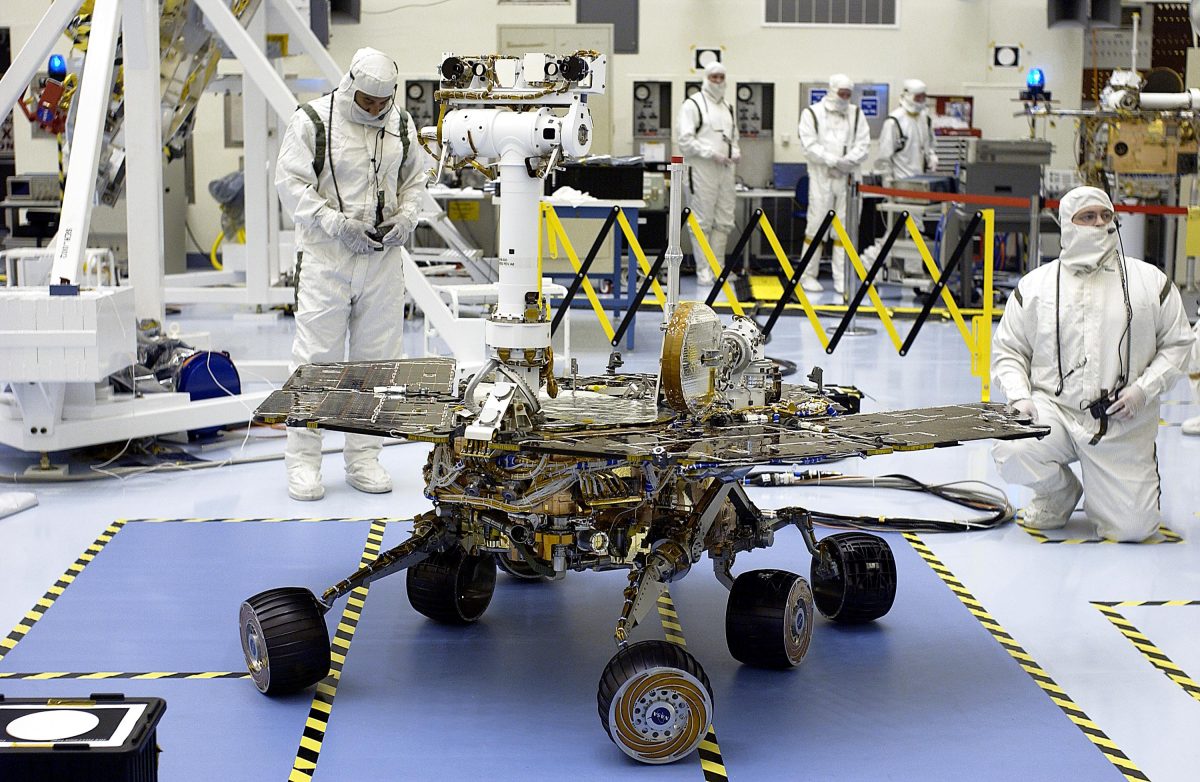
The facilities where spacecraft are assembled are considered among the cleanest places on Earth. Yet bacteria there did more than merely survive: they formed a stable microbial community, part of which proved unknown to science. In an exclusive interview with Universe Space Tech, an astrobiologist from the University of Edinburgh explained why this discovery should not have surprised anyone. Another consequence turned out to be far more interesting, however, because these microorganisms may now become a tool for preparing future Mars missions.
An Expected Result
Professor of Astrobiology Charles Cockell takes a measured view of the study. Previously unknown bacteria can be found in almost any environment if researchers examine it systematically. It would be enough to study soil from one’s own garden to discover something new.
Spacecraft assembly facilities had not previously been investigated with such scrutiny, so finding twenty-six species there was relatively easy. Charles Cockell considers another aspect of the story far more significant. Scientists now know much more about what lives near spacecraft during final assembly. Some of the described strains may be useful as model organisms for studying survival under Martian conditions.
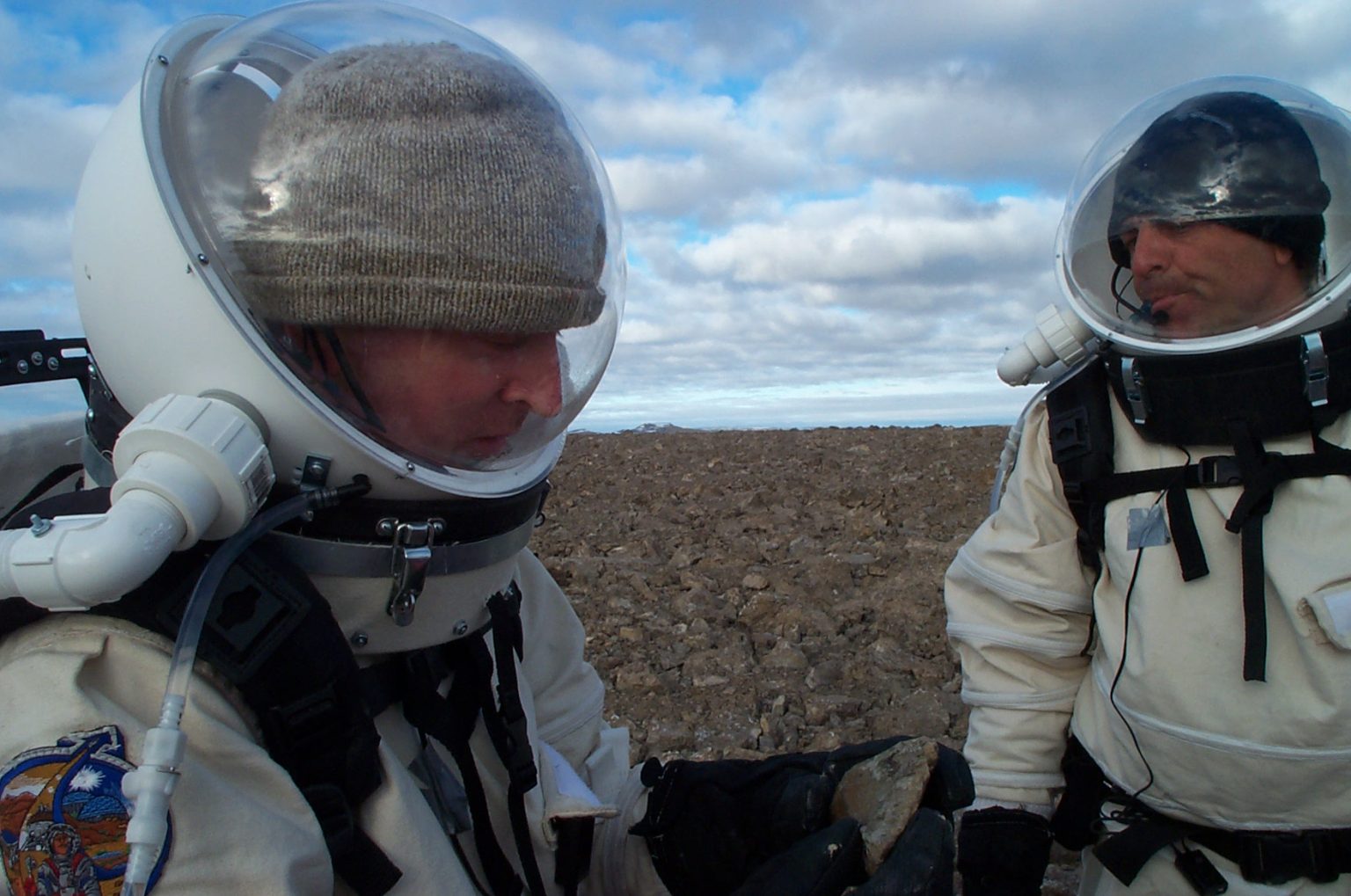
Charles Cockell founded and leads the UK Centre for Astrobiology and also teaches a course in the field at Taras Shevchenko National University of Kyiv. His own BioRock and BioAsteroid experiments aboard the International Space Station showed that microorganisms are capable of extracting rare-earth elements from rock under Martian gravity.
What Was Found in the Clean Rooms
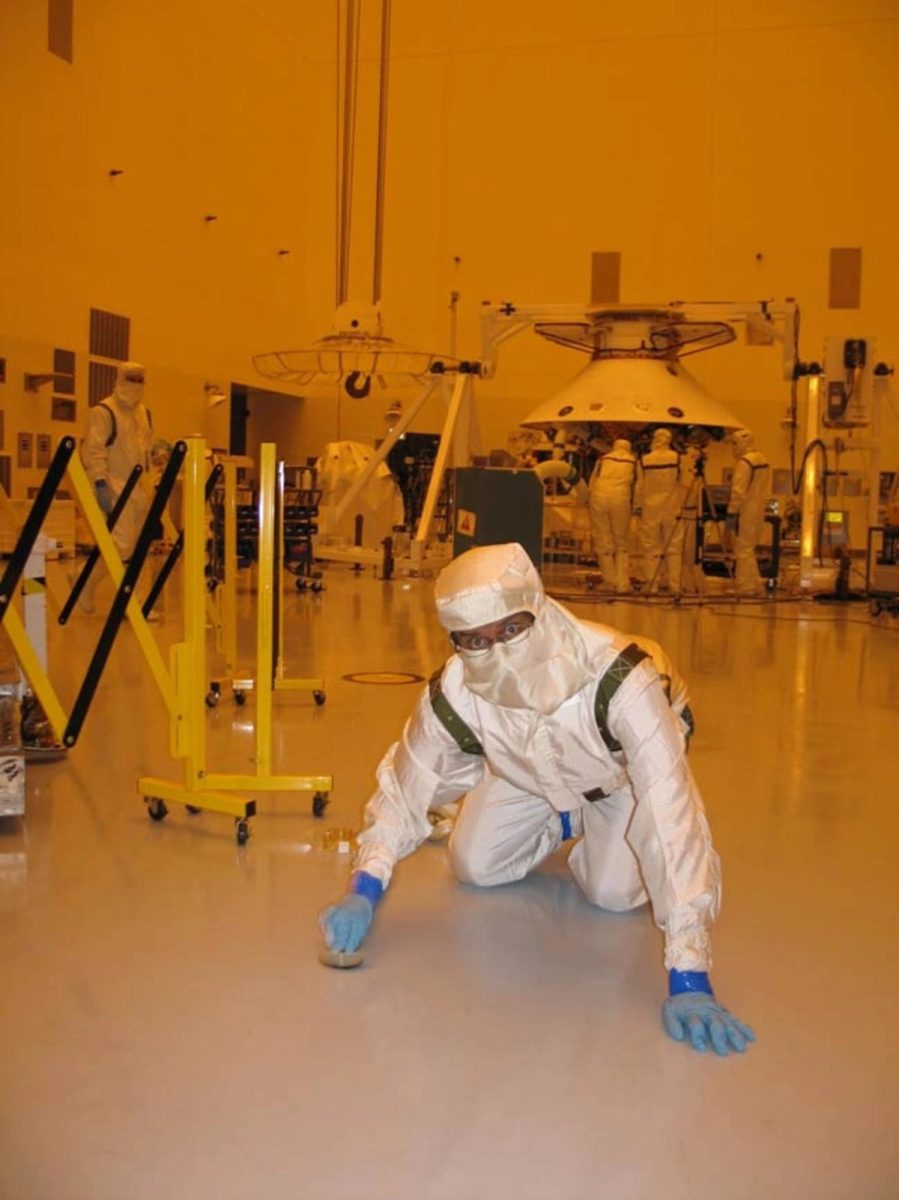
Samples for analysis were collected at the facility where the Phoenix lander was prepared for launch. Researchers from NASA’s Jet Propulsion Laboratory, King Abdullah University of Science and Technology, and the Indian Institute of Technology Madras sequenced the genomes of 215 bacterial isolates. Based on genetic criteria, 53 strains were assigned to 26 species that were absent from all existing catalogs.
The results were published in the peer-reviewed journal Microbiome. These bacteria accounted for no more than one-tenth of one percent of the samples, yet they were detected consistently.
Another unusual bacterium from the same Phoenix clean room was isolated in 2007. Six years later, it was assigned its own genus and given the name Tersicoccus phoenicis. It has not been found anywhere else on Earth except at one location 4,000 kilometers away, at the Guiana Space Centre, where the Herschel observatory was being assembled at the time.
The Risk of Forward Contamination
Concerns about terrestrial microbes reaching other celestial bodies have two dimensions. The first concerns scientific results, because organisms carried to the surface along with a spacecraft may distort the search for extraterrestrial life. Researchers risk discovering something they brought with them.
The second aspect of the problem remains hypothetical, since no indigenous biology has been detected beyond our planet. Rules established by the Committee on Space Research, or COSPAR, require the decontamination of spacecraft traveling to special regions of Mars—areas where life could potentially reproduce.
The Limits of Sterilization
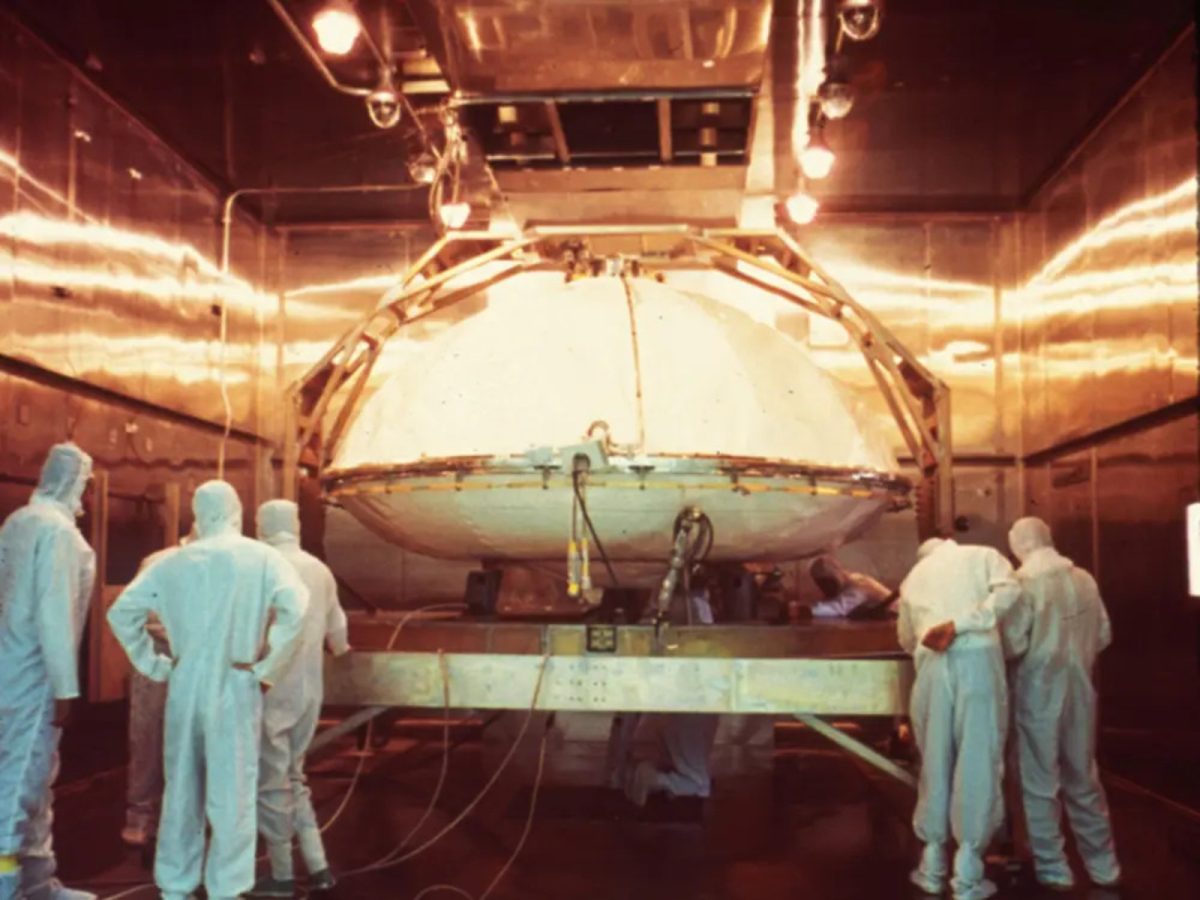
Completely removing microorganisms from a spacecraft is technically difficult. In the 1970s, the Viking landers were baked at high temperatures in an oven, and the electronics of that era could withstand the process. Modern instruments are far more sensitive, so the old method is no longer viable.
Cold plasma and hydrogen peroxide are used instead. These methods do not guarantee complete sterilization. The procedure itself is expensive, which is why the level of cleanliness required for each particular mission remains a matter of debate.