

Charles Cockell serves as a Professor of Astrobiology at the University of Edinburgh and holds the positions of Founder and Director of the UK Centre for Astrobiology. His professional experience includes tenures at NASA Ames Research Center, the British Antarctic Survey, and the Open University. He is the senior editor of the journal Astrobiology. Since February 2026, he has been instructing a course in astrobiology at Kyiv National University.
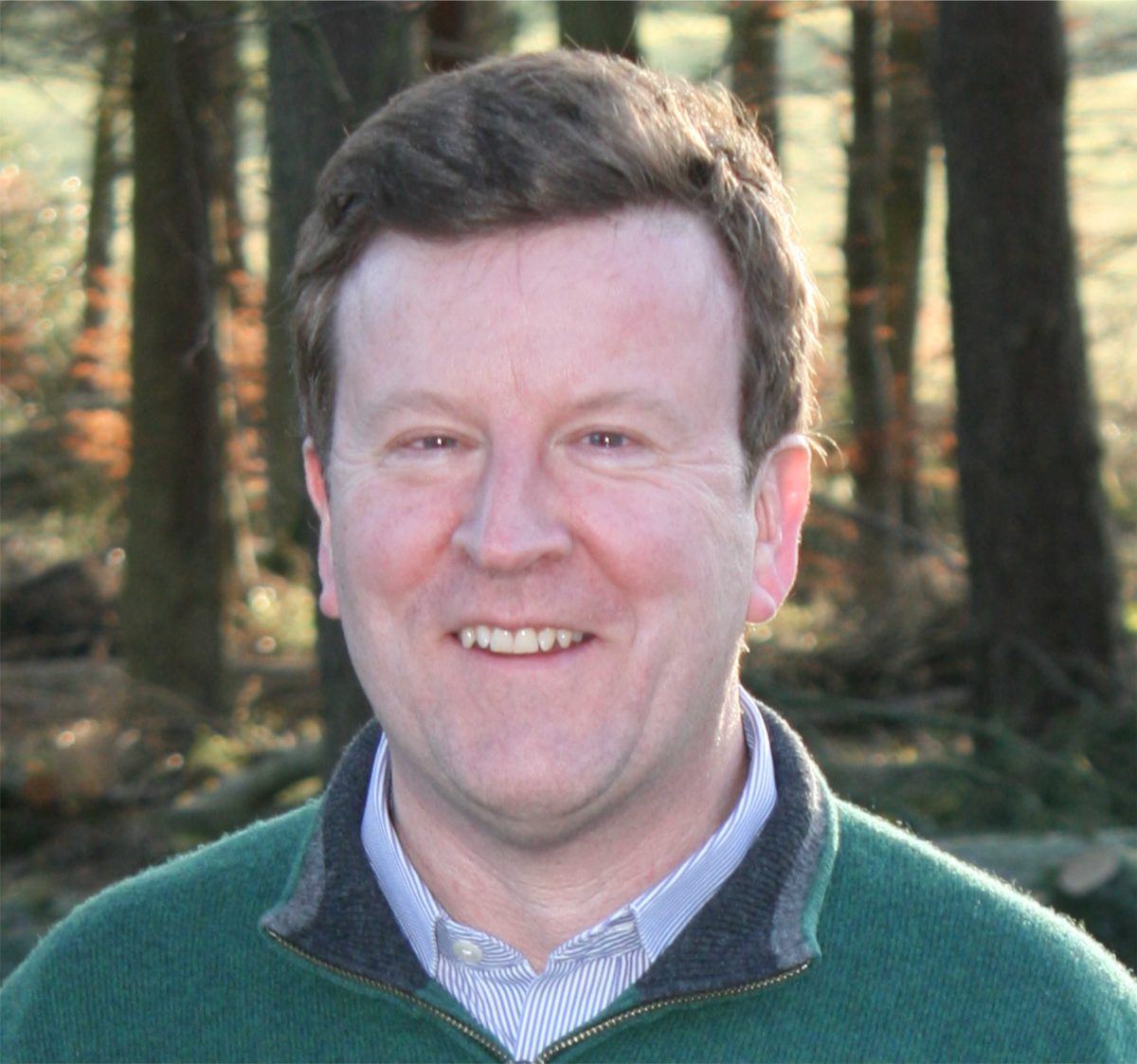
Charles researches life in extreme conditions and assesses the habitability of extraterrestrial environments. He led the BioRock and BioAsteroid experiments aboard the International Space Station, during which microorganisms extracted rare-earth elements from basalt, and a fungus facilitated the release of palladium and platinum from meteorite material.
In the initial section, we examine the potential of microorganisms to serve as tools for space exploration, including their ability to withstand the vacuum and radiation of space, as well as the fundamental question of whether life necessitates a planetary environment. The subsequent section will evaluate the risks associated with the introduction of terrestrial life to extraterrestrial bodies and the potential of retrieving alien life forms, alongside a discussion on the ongoing controversy surrounding the Viking mission outcomes, and an inquiry into the moral implications of transporting life to other celestial bodies.
The concept of seeking life in seemingly impossible locations appears almost fantastical. What is its origin?
I believe this realization originated from the understanding that numerous microorganisms on Earth thrive in conditions far more extreme than previously believed within the last century or fifty years. As we discover more such microorganisms in harsh environments, it becomes increasingly evident that some of these conditions coincide with those observed on extraterrestrial planets. For instance, Mars is characterized by its extreme coldness and harsh environment; nevertheless, temperatures near the equator can reach twenty degrees Celsius above zero. Although high levels of radiation are present, Earth hosts microorganisms capable of surviving radiation levels more intense than those found on Mars, or at least capable of tolerating them.
This is why certain extraterrestrial environments are now recognized as less extreme compared to the most severe conditions life can endure on Earth. Consequently, the notion has emerged that, even in the absence of life, such environments may still be deemed suitable — they are theoretically capable of supporting life. Our comprehension of the boundaries of life has been considerably extended, while simultaneously, our knowledge regarding planetary conditions — such as radiation levels, temperatures, and salt concentrations — has become more sophisticated. At a certain point, these two lines of understanding converged. We now acknowledge that some extraterrestrial environments, in principle, could sustain the growth or reproduction of Earth-based organisms. This recognition has increased interest in investigating the existence of life in these environments and in employing Earth organisms to explore the limits of life elsewhere.
Could you please clarify the question you asked, the purpose of your inquiry, and the observations made aboard the station?
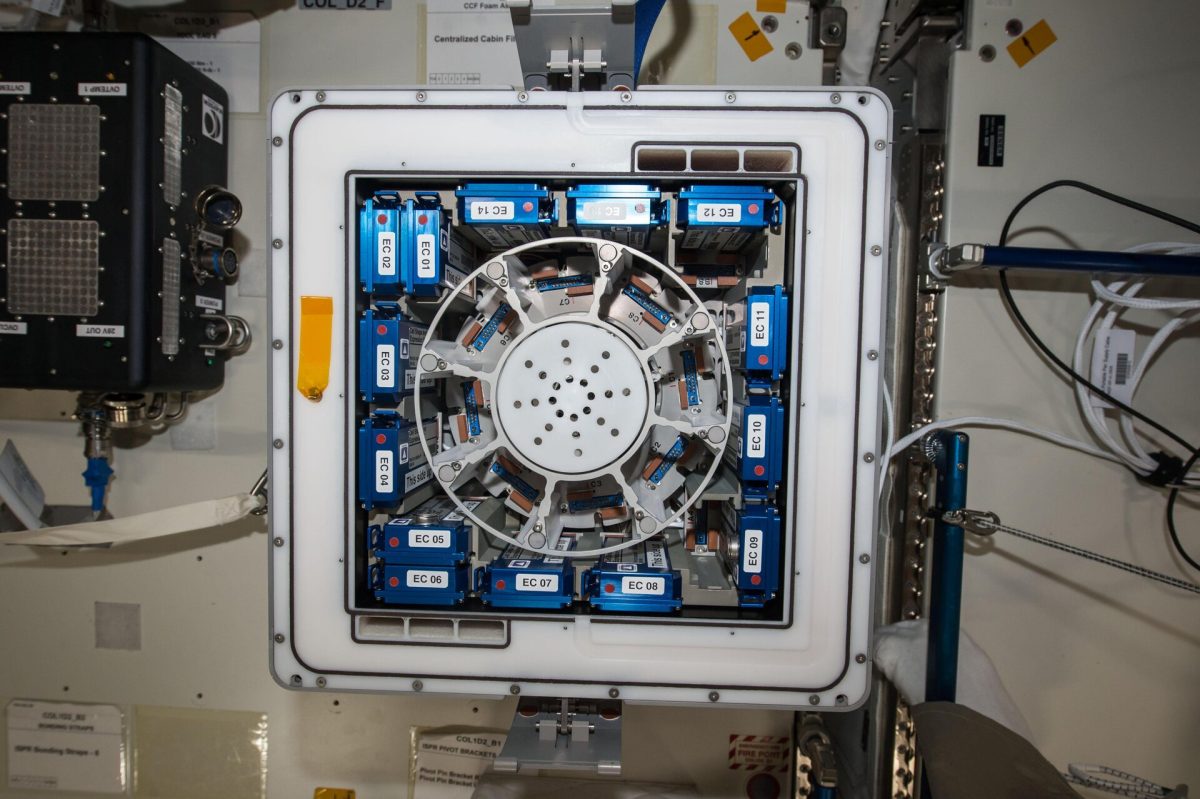
Microorganisms may be regarded as diminutive, natural industrial entities. They consume rocks to extract essential elements and have been engaging in this activity for approximately three and a half to four billion years, aligning with their period of existence. Microbes require metals for growth and nutrients derived from rocks. Consequently, over billions of years, they have been developing mechanisms to decompose rocks and assimilate necessary substances. Due to their minute size, their operations occur on a very small scale, akin to tiny miners.
This concept originates from the idea of utilizing microorganisms for industrial applications, such as the extraction of elements from rock. Currently, biological mining constitutes approximately 20 percent of the global supply of copper and gold. Consequently, we contemplate the potential application of microbes in space endeavors to extract elements from asteroids or the Martian surface.
BioAsteroid originated from an earlier initiative at the station named BioRock. In that project, microorganisms were employed to extract elements from rock samples. The objectives included demonstrating the feasibility of biological mining in space and investigating whether gravity influences the capacity of microbes to perform these extraction processes. Specifically, the inquiry addressed whether bio-mining could be effectively conducted on asteroids or Mars, environments with gravitational differences from Earth.
Research indicates that gravitational levels on Mars and asteroids do not influence the capacity of microbes to extract elements from rock. It has been demonstrated that microbes can be employed to extract platinum-group elements from asteroids, a group of elements of significant economic interest. Furthermore, under Martian gravity conditions, microbes are also capable of extracting rare-earth elements from rock.
According to the American Geosciences Institute, the figure of 20 percent pertains exclusively to copper. Approximately five percent of gold is extracted through bio-mining, which employs a distinct methodology. Copper is leached directly as microbes transform the metal into a soluble form. Conversely, gold does not dissolve via this process; instead, microbes are utilized to decompose the sulfide rock encasing the gold, thereby rendering the metal accessible to conventional extraction techniques. This procedure is designated as biooxidation.
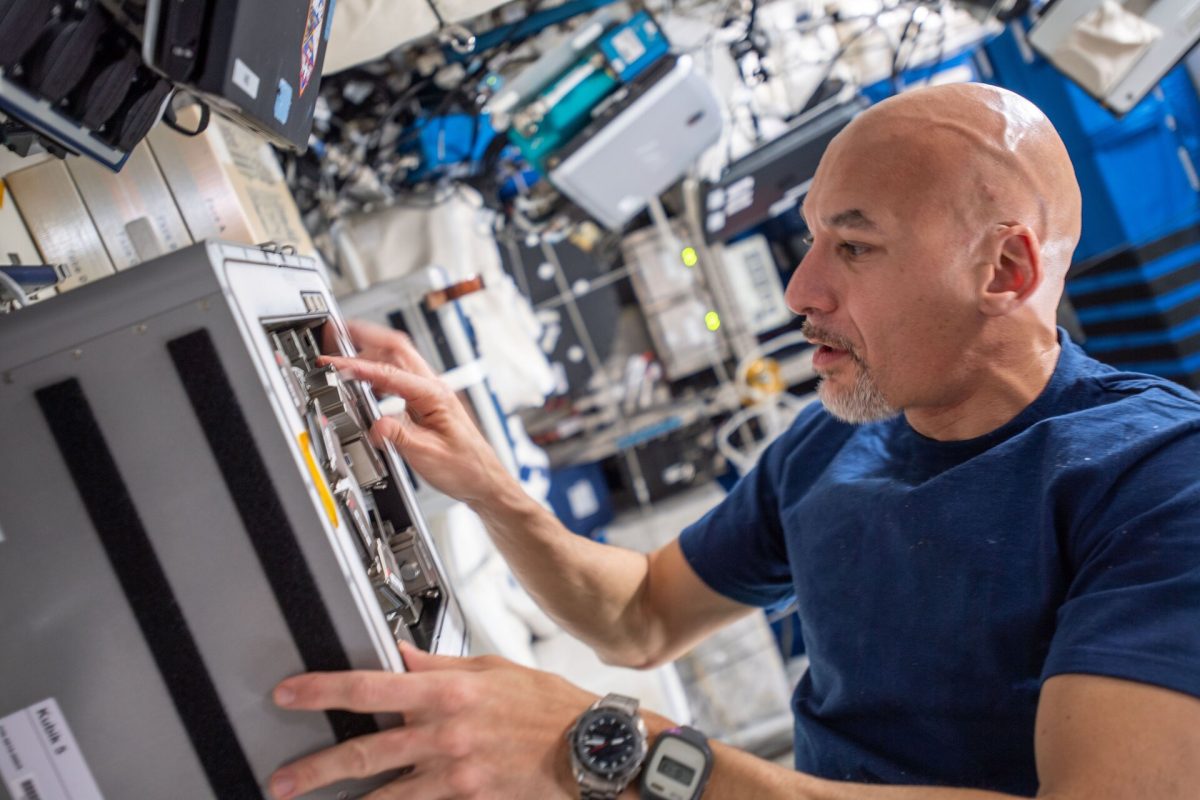
Luca Parmitano, an ESA astronaut and one of the authors of the article on BioRock, was responsible for installing the experiment’s equipment aboard the station. In June 2026, NASA designated him as the pilot for the Artemis III mission, thereby becoming the first European to serve as a crew member of the Artemis program.
How do microorganisms extract metals from rocks? What are the physical processes involved?
They are capable of producing acids — specifically, certain types of acids — secreted as part of their metabolic processes. Organic acids serve to lower the pH, create a more acidic environment, facilitate the disintegration of the rock matrix, and leach out metals. This constitutes one such mechanism.
Microorganisms are also capable of synthesizing molecules that bind to metal ions. Consider a solution in which ions of rare-earth elements — such as lanthanides — are suspended. A microbe produces a molecule that attaches to these ions, thereby effectively removing them from the solution and concentrating them. This represents another mechanism through which microbes predominantly attract and extract metals from liquids; the extracted material can subsequently be purified for industrial applications.
This phenomenon precisely occurs within natural environments. When a microbe requires copper or potassium, it employs various mechanisms to liberate these ions from rocks, subsequently transporting them across the cell membrane into the cellular interior.
We utilize a natural process in space by employing microbes as microscopic miners to extract and concentrate elements from rocks. Each microbe measures approximately one-thousandth of a millimeter, or one micron in size. However, when billions of these microbes are present within a confined volume, they perform remarkably beneficial functions.
You mentioned that this project has been in development for several years. Could you please specify the duration from the initial conceptualization to the commencement of the actual space experiment?
It took approximately fifteen years from the initial concept to the execution of the experiment. The interval between submitting the proposal to the European Space Agency (ESA) and conducting the experiment itself was ten years. In essence, ten years elapsed before the experiment was carried out. I would not assert that I was working solely on this project during that entire period; rather, I was engaged in numerous other activities concurrently. However, the work gradually advanced in the background of my professional career throughout this duration.
Currently, such endeavors are executed with increased efficiency. Commercial flights have facilitated the expedited initiation of experiments. BioAsteroid, developed subsequent to BioRock, required approximately a year and a half from conception to deployment. This process was significantly accelerated due to the use of commercial transportation methods to reach the station, as opposed to the conventional application procedures.
Is space mining currently economically viable for certain elements, or does it remain confined to scientific experiments?
That is a pertinent inquiry. The answer depends on the audience you are addressing. The economic justification for asteroid mining remains subject to debate. For instance, elements such as platinum-group metals are costly precisely because of their scarcity on Earth. If one were to travel to the asteroids, extract substantial quantities, and transport them back, it could lead to market saturation, causing prices to decline significantly. Essentially, such actions might undermine the very market they aim to serve if excessive quantities are returned. Therefore, it is challenging to predict how the economic viability of asteroid mining will manifest over the long term.
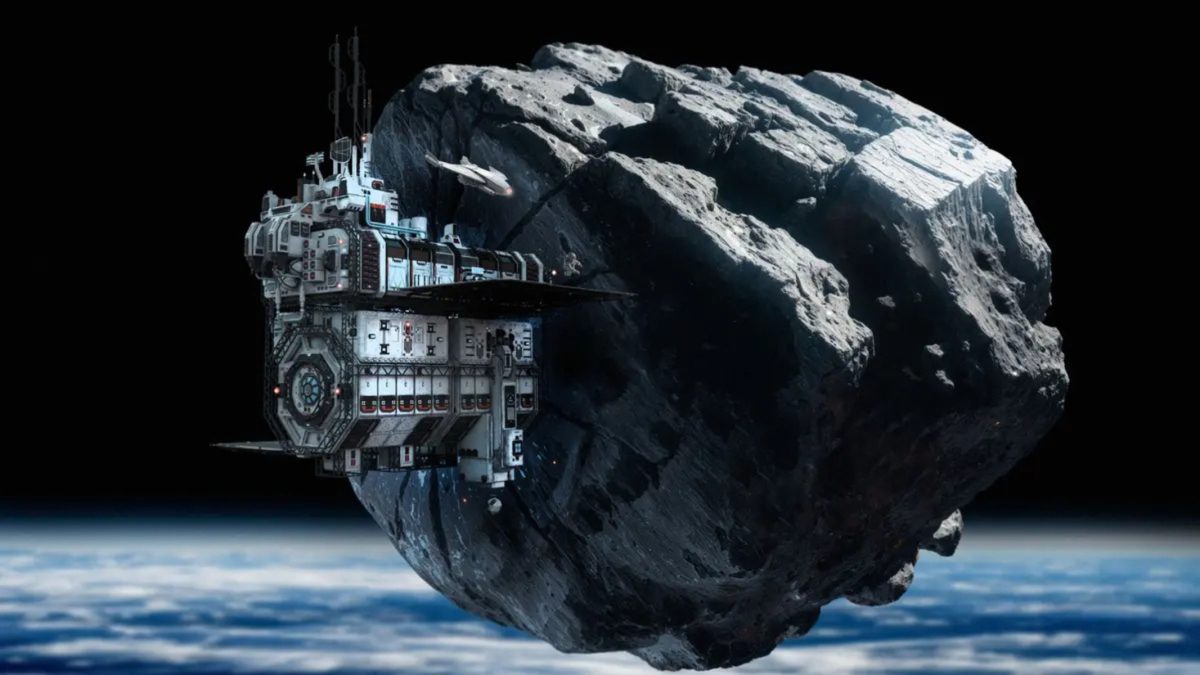
Photo credit: Victor Habbick Visions, Science Photo Library.
However, there exists an additional rationale for determining methods to extract elements from rock and asteroids. This purpose is not primarily to retrieve them to Earth — which may or may not be economically advantageous — but rather to facilitate a sustained human presence in space. If initiatives are undertaken on the Moon, Mars, or asteroids, the counterargument is more compelling. Transporting these materials from Earth is inefficient due to the need to overcome Earth’s gravitational pull, resulting in substantial energy expenditures. Such an approach is impractical when establishing a civilization in space and utilizing asteroids as sources for construction materials. It is more feasible to extract these elements directly at the site.
In other words, there is mining conducted with the intention of returning resources to Earth, the economic rationale for which, in my assessment, remains insufficiently comprehended. Conversely, there is the argument that, in order to establish a permanent presence in space, it will be necessary to procure resources locally through various means to support the expansion of that presence. This latter argument, undoubtedly, holds substantial validity.
In other words, these experiments are largely targeted toward future applications. Do they provide any advantages in the present day?
Certainly, this pertains to future endeavors. However, I would assert that during this journey, we will also acquire knowledge regarding bio-extraction on Earth — specifically, how to enhance the efficiency of these processes and improve material processing. There exists significant interest in biological mining, as currently, toxic chemicals such as cyanide are employed in ore extraction, which poses environmental concerns. If microbes are used instead, the environmental impact can be markedly reduced.
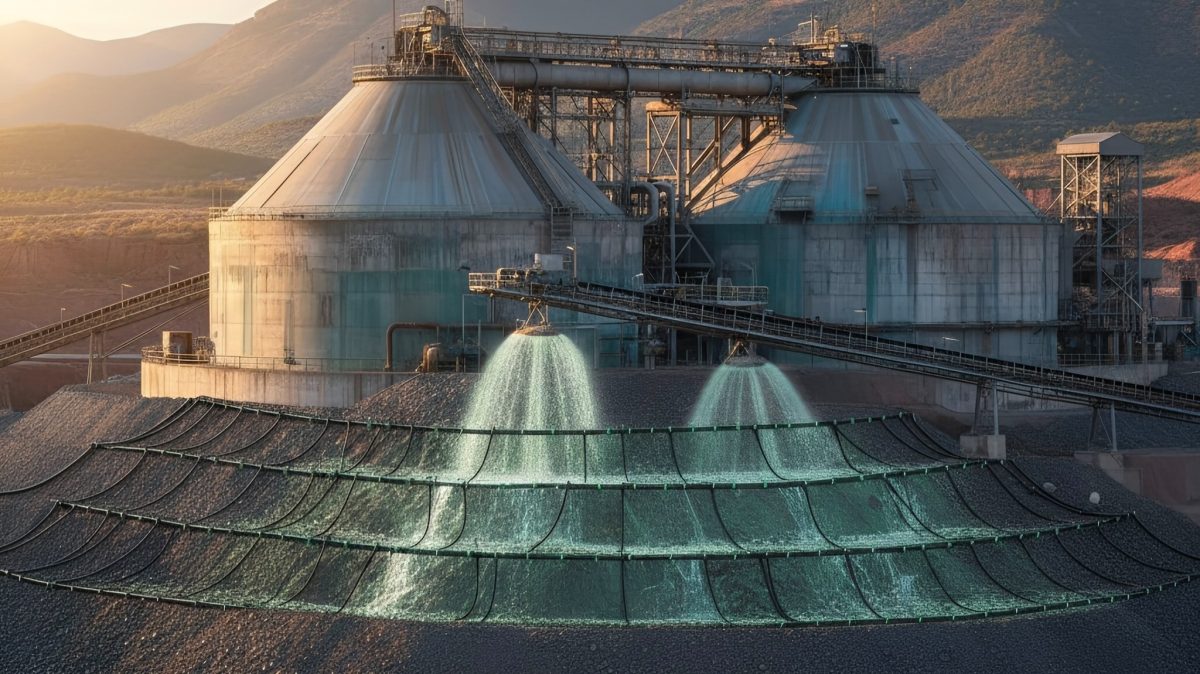
This is why this field garners interest in enhancing the efficiency of metal extraction from progressively lower-grade ores, whilst ensuring minimal environmental impact. Research that deepens our understanding of the mechanisms involved and strategies for optimization is highly valuable. Although our primary focus is on space exploration, the insights gained are also applicable to improving these processes on Earth.
Before functioning, organisms must be capable of surviving in a vacuum and under radiation. Which forms of life on Earth are capable of this at all?
Once more, these are microorganisms — diminutive life forms on Earth: bacteria and archaea. These entities endure extreme dehydration and radiation. In my laboratory, there exist microbes that have remained in a desiccated condition for thirty-seven years without water, merely shriveled at the surface.
During the development of BioRock, it was necessary to utilize microbes that exhibited resistance to desiccation, due to their extended stay at the launch site on our rock samples prior to their shipment into orbit to the space station. Consequently, selecting organisms capable of enduring prolonged periods of inactivity was imperative. Additionally, the timing of the launch is inherently unpredictable; postponements may occur. Therefore, we required microbes capable of drying out on the rock and remaining in a state of dormancy for several weeks. In essence, even prior to the commencement of the experiment, it was essential to select organisms possessing resilience to extreme conditions.
Our discussion focused on microbes. However, the boundaries of their survivability were also examined in relation to slow-moving organisms. Specifically, what factors are lethal to them in space, and which are not?
Tardigrades are of particular interest because they are classified as animals. They are diminutive, approximately one millimeter in size — larger than most microorganisms — yet they are unequivocally animals. Moreover, they are notable for their differentiated cellular structure; composed not of a single cell but of many, they exhibit an extraordinary ability to endure complete desiccation, which is uncommon. This prompts the inquiry: what is the upper limit of complexity and size of an organism that can survive desiccation?
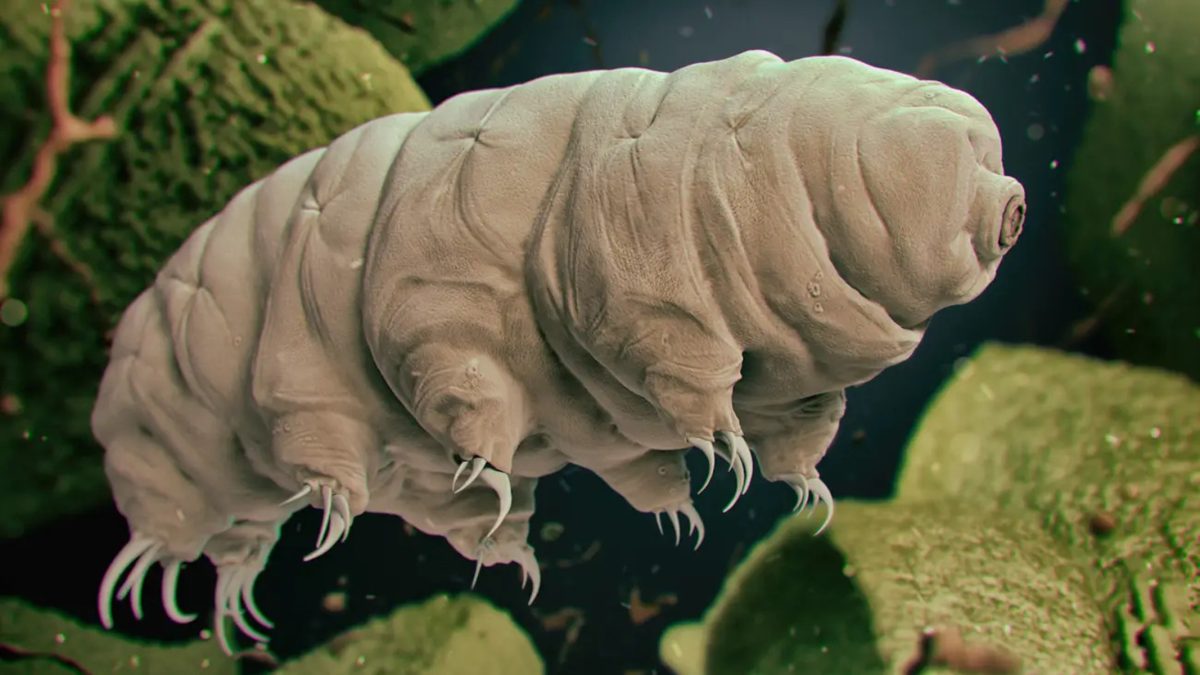
In space, the primary cause of death for tardigrades is radiation, rather than cold or dehydration. When dehydrated and in a cold state, they can endure for several years. However, exposure to high levels of ultraviolet radiation or ionizing radiation with greater penetrating ability — such as gamma rays or heavy ions — results in the destruction of DNA and cell membranes. It is important to note that while ultraviolet radiation causes similar damage, ionizing radiation possesses significantly higher energy levels, leading to the destruction of essential biological molecules within the tardigrade, ultimately resulting in its demise.
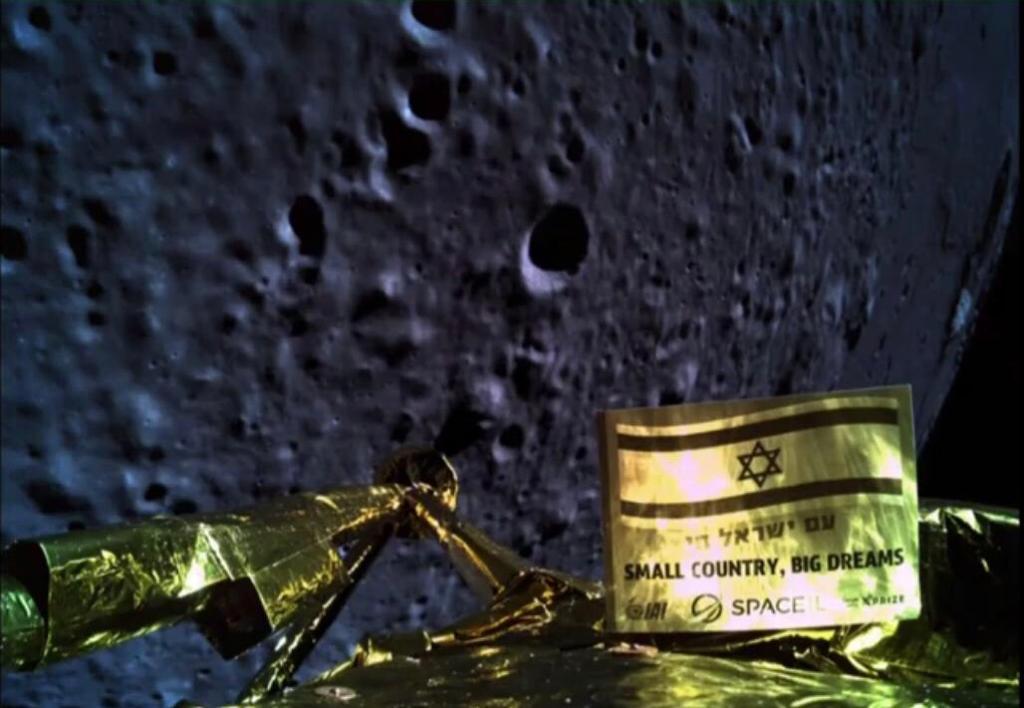
This is the reason why the rovers that impacted the Moon are unlikely to remain functional for an extended period. They are situated on the lunar surface; some may be concealed beneath lunar regolith, yet they remain exposed to cosmic radiation, which likely accelerates their deterioration. It is doubtful that they are still operational; however, certainty cannot be assured.
In your experiments involving microorganisms in a microgravity environment, you observed more than mere survival. A change in metabolic activity was also noted. To what degree was this outcome anticipated?
We believed that a variation in gravity would influence fluid mechanics, given that there is no convection or sedimentation in microgravity. This changes flow dynamics and, subsequently, the supply of nutrients to the cell and the elimination of waste products. Consequently, it was reasonable to anticipate that this would impact the cell’s metabolism and lead to observable changes in its response. Therefore, the shifts in metabolism themselves did not come as a surprise to us.
The difficulty resides in precisely understanding the occurring processes. Cellular metabolism remains intricate, even within a microorganism measuring merely one micron in size. Consequently, observing a wide range of changes makes it challenging to identify a common pattern. However, we did observe alterations indicative of cellular entry into a starvation state. A metabolic shift was detected, which likely signifies an adaptation to the varying gravitational conditions in space, fluctuations in nutrient availability, and modifications in waste removal mechanisms — all of which influence the cell’s internal biochemistry.
You have authored a paper proposing the notion that living organisms may not require a planet at all. This represents a rather unconventional perspective, I must acknowledge. Kindly elaborate further on this viewpoint.
This endeavor aimed to investigate the fundamental prerequisites for an environment capable of supporting life. These prerequisites encompass liquid water, essential for cellular structures, as well as suitable temperature conditions. It is important to note that, in addition to liquid water, the environment must maintain appropriate temperature and pressure levels. While these factors are related to the presence of water, they are not identical; water can remain in a liquid state under high pressure and at temperatures far exceeding those tolerable by living organisms. Consequently, the presence of liquid water is required specifically within the temperature and pressure ranges conducive to life’s existence.
In that study, we investigated whether such conditions could be realized within confined microenvironments — not necessarily on planets, but within small, artificially created or naturally occurring pockets of space. This served as an intriguing intellectual inquiry into the minimal environmental requirements necessary for an organism’s growth and reproduction. The findings suggest that this minimum threshold is substantially less expansive than that of an entire planet.
The paper authored by Charles Cocchell and Robin Wordsworth, titled “Self-sustaining Living Habitats in Extraterrestrial Environments,” offers specific quantitative data concerning autonomous habitats beyond Earth. A biologically engineered barrier capable of transmitting visible light, blocking ultraviolet radiation, and maintaining a temperature differential of twenty-five to one hundred kelvins, alongside a pressure differential of ten kilopascals relative to a vacuum, enables the establishment of habitable conditions between one and five astronomical units from the Sun.
In which region of the Solar System is such life physically possible?
I believe that, with the assistance of technology, this could be simulated artificially in any location with access to sunlight. It is unlikely to occur in the outer regions of the Solar System, such as the Kuiper Belt, despite the significantly reduced solar radiation in those areas. However, in the inner regions of the system, such small habitats could potentially be maintained.

The difficulty resides in their long-term preservation. No method guarantees absolute effectiveness, and a certain amount of water will invariably be lost. Consequently, these miniature ecosystems must be replenished with liquid water and essential components for cellular development — rather than allowing them to drift through the Solar System devoid of these supplies. Therefore, it is theoretically feasible to establish appropriate conditions within a system significantly smaller than a planet. However, the practicality of maintaining such conditions without a persistent planetary atmosphere remains an entirely separate concern.
The work conducted by Charles Cockell and Robin Wordsworth offers examples demonstrating that ten kilopascals is a commonplace measurement within biological systems. Blood pressure from the head to the toes in an individual measuring 1.5 meters in height approximates 15 kilopascals; in the tallest mammals, it can reach up to 50 kilopascals. Additionally, the seaweed Ascophyllum nodosum sustains a pressure ranging from 15 to 25 kilopascals within its swim bladders, utilizing oxygen produced via photosynthesis.
Is this merely a theory, or are there organisms that demonstrate this possibility?
The construction of artificial ecosystems capable of functioning in space is entirely feasible — for instance, on the surface of the Moon or potentially even in orbit. It is noteworthy that crops are already being cultivated aboard the International Space Station, which is not even situated on a planetary surface. In essence, the cultivation of flora is possible within sealed environments, independent of planetary surface presence.
The compelling inquiry resides elsewhere. What is the minimal volume of a container, and what is the least amount of energy necessary to cultivate organisms in space absent a planetary body? This constitutes one of the subjects examined by Robin Wordsworth in his scholarly article on small ecosystems.
In the scholarship of Charles Cockell and Robin Wordsworth, this concept is contrasted with terraforming. Terraforming entails a comprehensive alteration of a planet’s climate via industrial processes; it is notably resource-intensive and irreversible. Conversely, a biologically constructed outpost presents no greater environmental concerns than a conventional manned mission.
Sources:
Cockell C. S. та ін. Space station biomining experiment demonstrates rare earth element extraction in microgravity and Mars gravity. Nature Communications, 2020. https://doi.org/10.1038/s41467-020-19276-w
Santomartino R. та ін. Microbial biomining from asteroidal material onboard the international space station. npj Microgravity, 2026. https://doi.org/10.1038/s41526-026-00567-3
Wordsworth R., Cockell C. Self-sustaining living habitats in extraterrestrial environments. Astrobiology, 2024. https://arxiv.org/abs/2409.14477
Cockell C. The rights of microbes. Interdisciplinary Science Reviews, 2004. https://doi.org/10.1179/030801804225012635
Cockell C. The value of microorganisms. Environmental Ethics, 2005. https://doi.org/10.5840/enviroethics20052744
Cockell C. Planetary protection, a microbial ethics approach. Space Policy, 2005. https://doi.org/10.1016/j.spacepol.2005.08.003
American Geosciences Institute. What is biomining? https://profession.americangeosciences.org/society/intersections/faq/what-biomining