

For the first time in the 20-year history of the American launch provider United Launch Alliance (ULA), one of its rockets has completely failed a mission. The heavy-lift Vulcan launcher lifted off from Florida carrying Amazon Leo spacecraft but failed to place them into orbit. Launches will now most likely be suspended indefinitely. This will deal a blow to Amazon, which is deploying a satellite internet network to compete with Starlink, and to the Pentagon, which is already dependent on SpaceX.
What happened during the flight
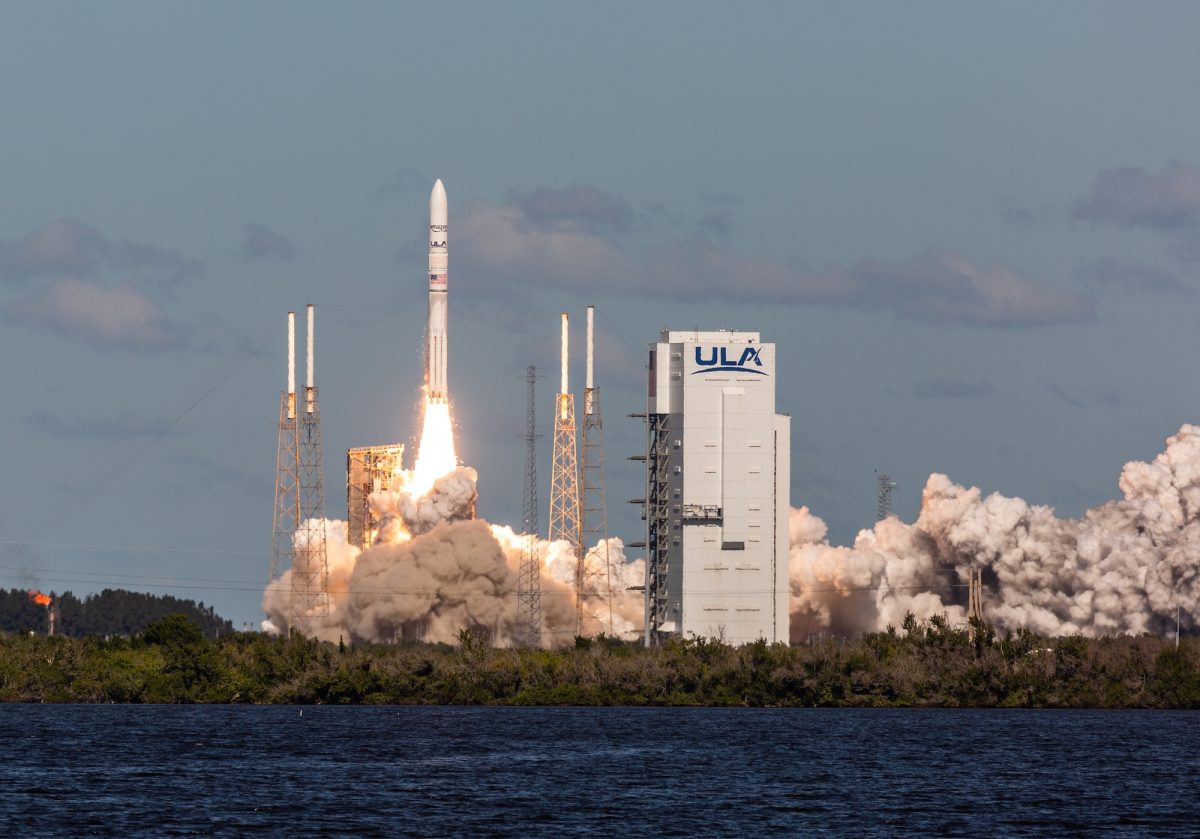
The Vulcan rocket launched from Cape Canaveral on November 15, 2026, at 7:40 p.m. Kyiv time, as ULA announced on X. This was its first flight in nine months.
All six solid rocket boosters operated normally. The first stage then continued flying on two BE-4 engines built by Blue Origin, but according to Ars Technica, they operated for at least 30 seconds longer than planned. This may indicate that the stage was producing less thrust than expected.
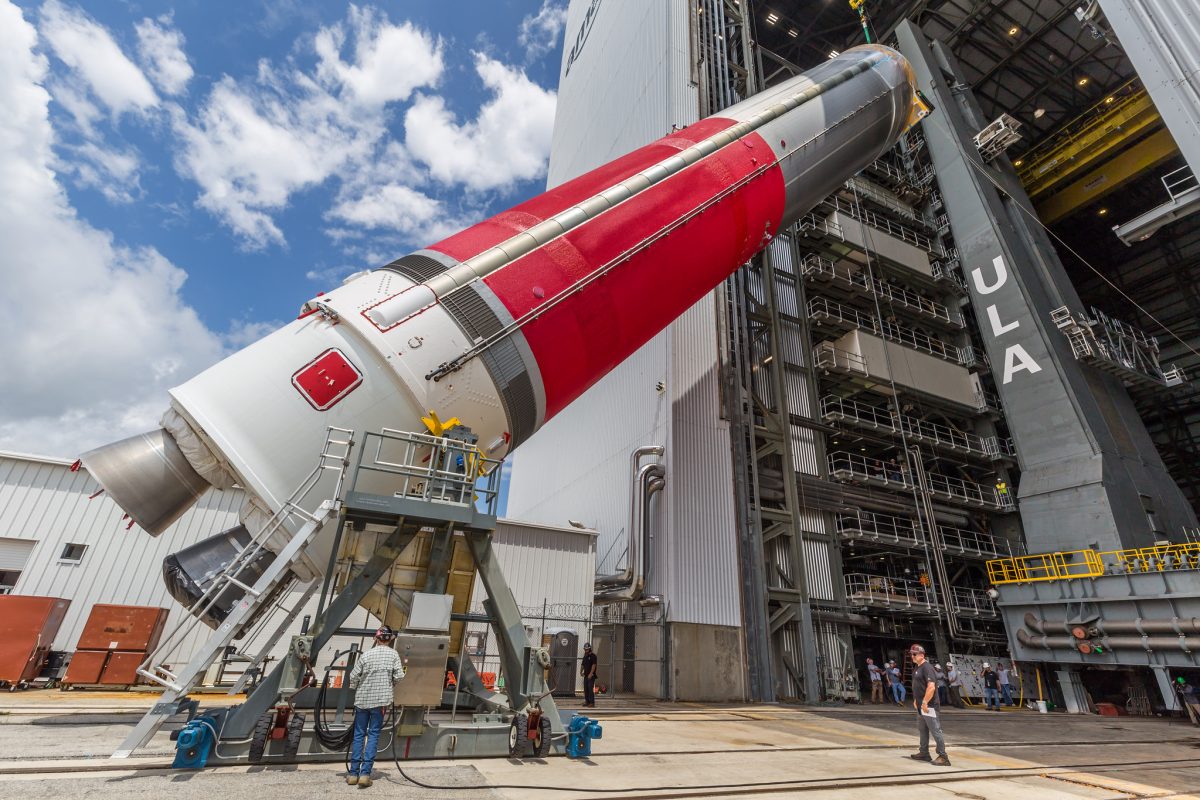
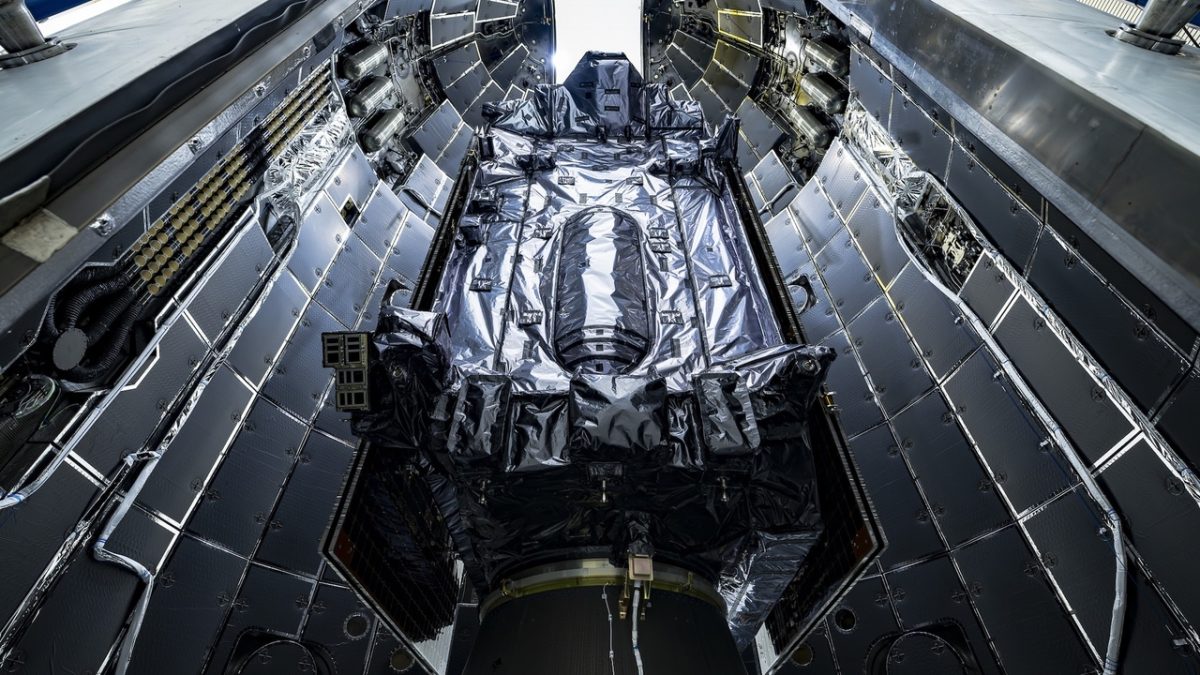
As soon as the BE-4 engines shut down, the rocket began to tumble. The Centaur V upper stage separated, ignited its engines, and adjusted its course, but it never reached orbit and fell back to Earth along with 40 Amazon satellites.
Where will investigators look for the cause?
ULA confirmed an anomaly approximately ten minutes into the flight but does not yet know its cause. Sources cited by Ars Technica point to the first stage, while Reuters reports that the failure apparently occurred after stage separation. Spaceflight commentator Scott Manley, who analyzed telemetry from the broadcast, believes that by the tenth minute, the upper stage was already falling back into the atmosphere. In his view, insufficient thrust from the first stage had previously knocked the rocket off course, causing it to follow a trajectory that was too shallow.
Analysis of the Vulcan failure by spaceflight commentator Scott Manley.
If the BE-4 engine is found to be responsible, the consequences will extend beyond ULA. The same type of engine powers the New Glenn rocket, which exploded on the launch pad in May due to a faulty BE-4 valve.
Previous Vulcan failures were of a different nature. Solid rocket boosters malfunctioned on two of its four flights, including during a launch for the U.S. Space Force in February, but the payload reached orbit each time, while the third flight proceeded without incident.
A blow to Amazon
The loss of the satellites is less painful for Amazon than the suspension of its main launch provider. The company has 37 more Vulcan launches under contract, each carrying 40 or more spacecraft. There are currently 396 Amazon Leo satellites in orbit out of the planned first-generation constellation of 3,292, while more than half of the 1,000 satellites already manufactured are waiting in storage.
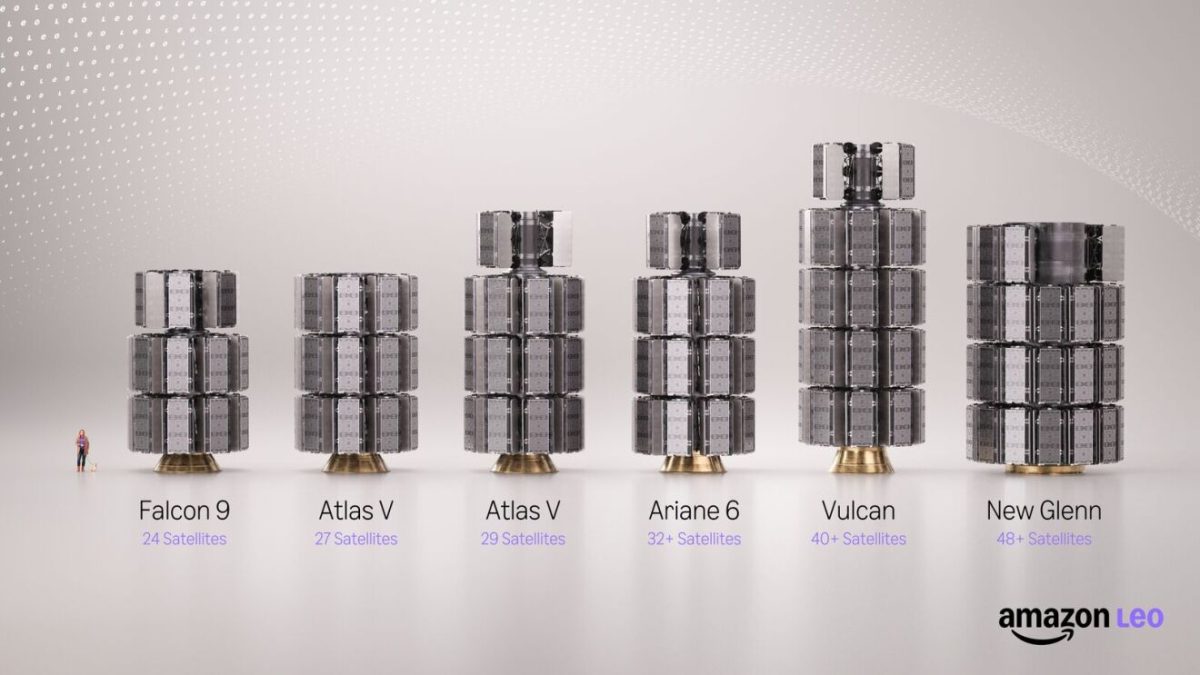
Amazon is now left with 10 Falcon 9 launches and the European Ariane 6. New Glenn is not yet flying, while SpaceX is no longer accepting Falcon 9 orders and is preparing to retire the rocket.
The military and the Moon
The Vulcan rocket holds contracts for approximately half of all U.S. national security launches. The Pentagon has not yet cleared it to return to military missions and was waiting for this particular flight, so dependence on SpaceX will now increase.
The paradox is that Vulcan was developed precisely to ensure independence. Its predecessor, the Atlas V, flew using Russian RD-180 engines, and following the annexation of Crimea in 2014, the U.S. Congress restricted their use in military launches. So much was expected of the new launcher that it was even proposed as a platform to convert into an interceptor.
The failure also affected the Artemis program because NASA selected a version of the Centaur upper stage for the SLS rocket, with its use planned no earlier than 2028. In response to ULA’s statement, NASA Administrator Jared Isaacman wrote: “Artemis, the lunar base, and the entire country need ULA. We are on your side and ready to help.”
The investigation also has implications for Blue Origin. If the BE-4 engine is found to be responsible, the return of New Glenn to flight in early next year could be delayed, along with testing of the company’s lunar lander.
