

United Launch Alliance (ULA) has officially announced plans to resume launches of its flagship Vulcan rocket as early as November 13. Liftoff is planned from Cape Canaveral Space Force Station in Florida. Final approval from the military launch range is still pending.
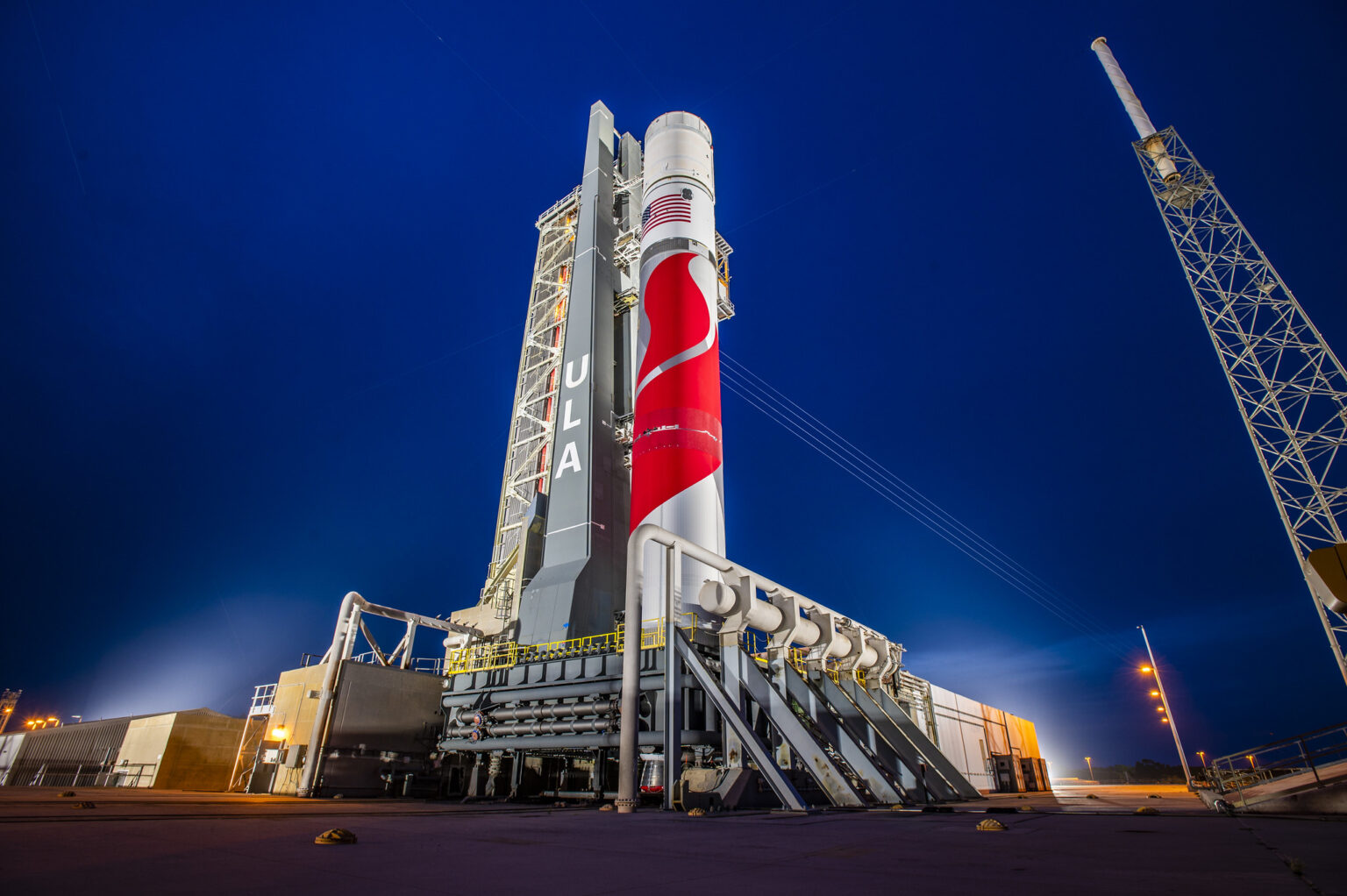
The flight will take place nine months after a solid rocket booster malfunction in February forced the company to suspend its 2026 launch program.
Testing the Updated Design
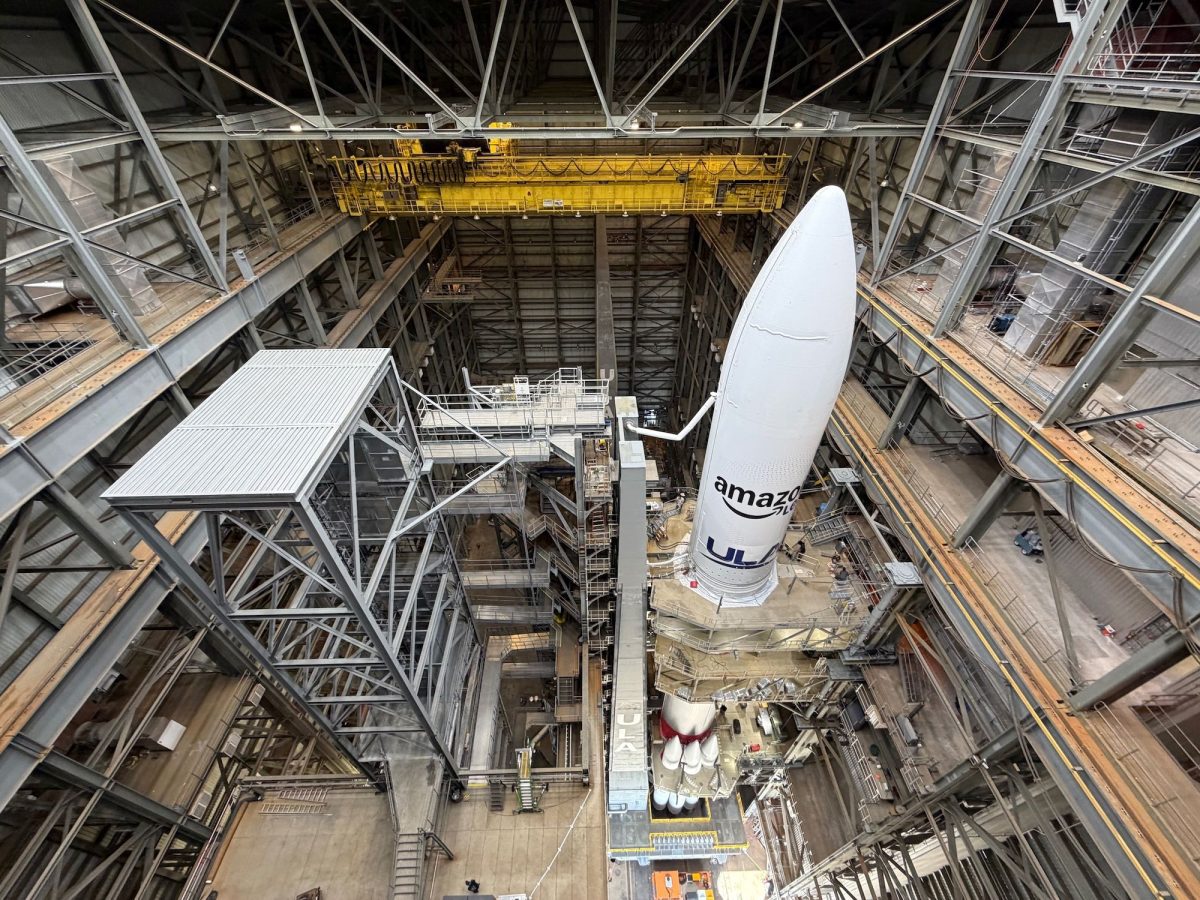
The upcoming mission’s primary objective is to place 40 Amazon Leo internet satellites into orbit. This is the first of 38 planned Vulcan flights that Amazon has booked to deploy its satellite constellation.
For ULA, this launch is crucial. During two of its first four test flights, the rocket experienced solid rocket booster nozzle failures. Although Vulcan compensated for the loss of thrust and delivered its payloads to their intended orbits on both occasions, the incidents undermined the confidence of ULA’s primary customer, the U.S. Space Force.
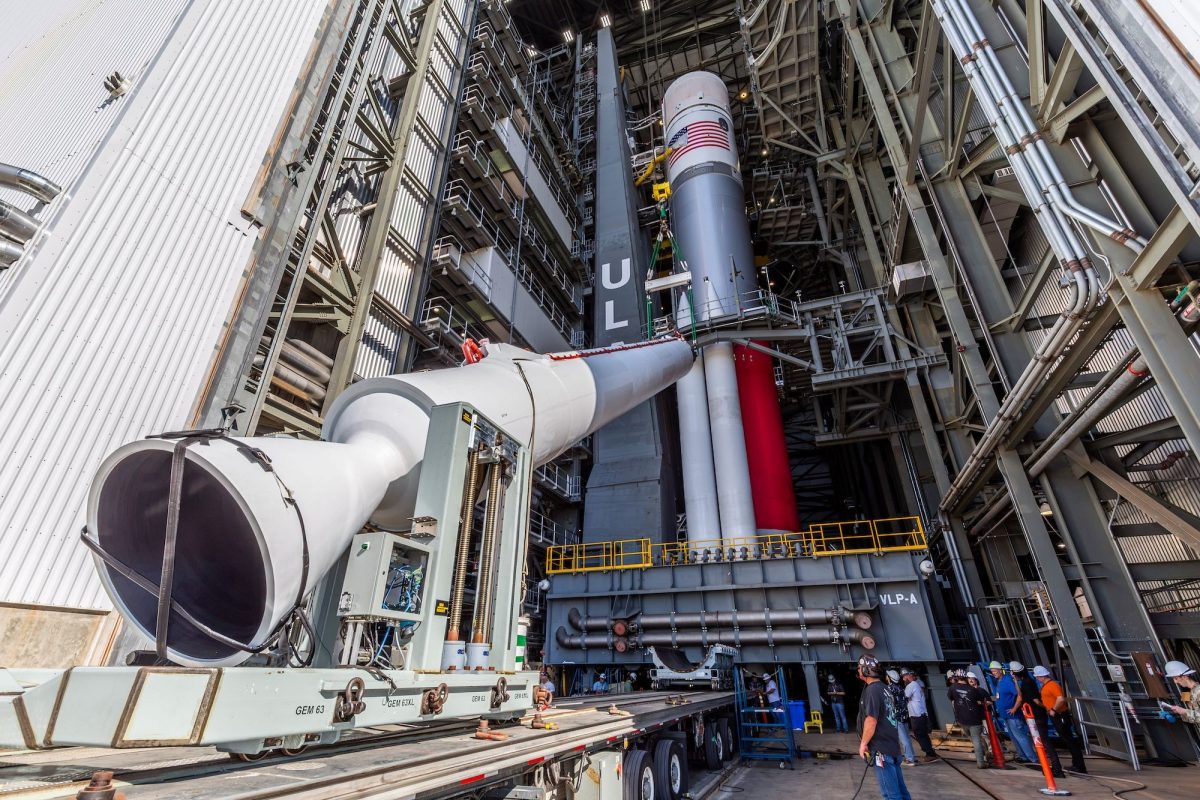
Specialists from ULA and booster manufacturer Northrop Grumman have modified the nozzle’s design and manufacturing processes. During an earlier investigation in 2024, a similar problem was attributed to a defect in the insulation material intended to protect the metal casing from hot exhaust gases. According to ULA, the upcoming launch will provide actual flight data and verify the reliability of the updated components.
Mission Swaps and Pentagon Oversight
The Pentagon has entrusted ULA with approximately half of its key space launches through the early 2030s. However, delays in upgrading Vulcan forced the Space Force to transfer six defense missions—including GPS satellites, surveillance spacecraft, and the Oracle-M lunar spacecraft—to SpaceX’s Falcon 9 and Falcon Heavy rockets. In return, the military assigned ULA an equivalent number of future launches to maintain the balance of contracts.
Space Force leadership stresses that it will not authorize the launch of valuable military satellites aboard Vulcan until it has analyzed data from commercial flights. First, ULA must successfully complete at least two Amazon Leo missions.
The upcoming November launch will be Vulcan’s first test in its most powerful configuration, featuring six strap-on solid rocket boosters, an extended payload fairing to accommodate the satellites, and a modified Centaur upper stage.
Previously, we reported on a proposal to turn the Vulcan Centaur rocket into an interceptor.
Based on material from arstechnica.com
