

On August 20, President Donald Trump signed National Security Presidential Memorandum No. 17 (NSPM-17), setting a new course for U.S. national spaceflight policy. The document calls for expanding space transportation infrastructure so that by 2030 the United States will be capable of supporting more than 1,000 launches and spacecraft returns to Earth each year.
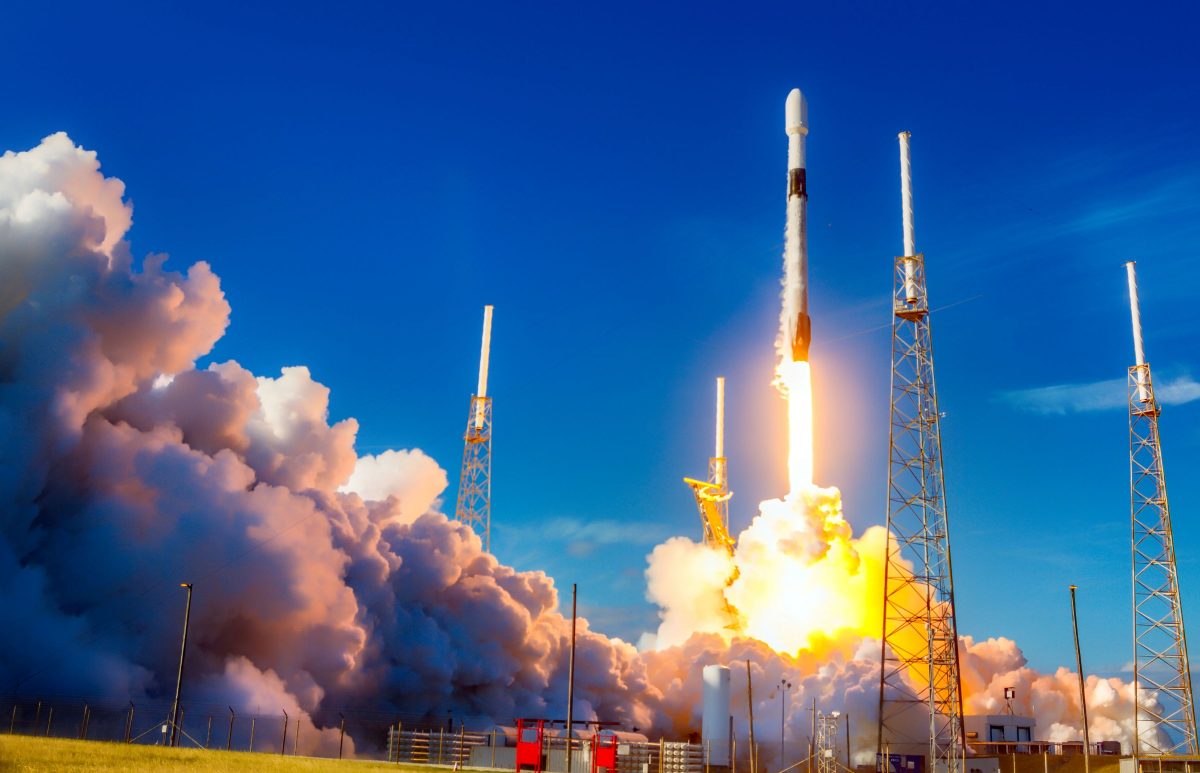
This means an average rate of more than 2.74 operations per day. For comparison, 178 launches were planned in the United States for 2025. Such a jump would require nearly a fivefold increase in capacity in just over four years. At the same time, the Memorandum does not guarantee direct funding, a schedule of specific missions, or the existence of market demand — it requires the creation of the capacity itself.
SpaceX Records
The assessment of the current baseline depends on the methodology used. While the number of U.S. launches in calendar year 2025 was 178, the Federal Aviation Administration (FAA) recorded 204 commercial operations in fiscal year 2025: 195 launches and 9 returns. This figure also includes launches by U.S. companies from foreign territory — for example, 15 Rocket Lab launches in New Zealand — but does not include purely government missions.
Despite differences in counting methods, SpaceX accounts for the lion’s share of the current flight rate. The Falcon 9 rocket alone completed 165 missions in 2025 — approximately one launch every 2.2 days. However, the new policy is based on the expectation that a high flight rate will cease to be the achievement of a single private operator and will spread across the entire market.
Returning to Earth
The commonly used shorthand of “1,000 launches” does not reflect the full picture. The Memorandum also emphasizes the return of spacecraft from orbit — reusable stages, cargo and crew capsules, and spaceplanes.
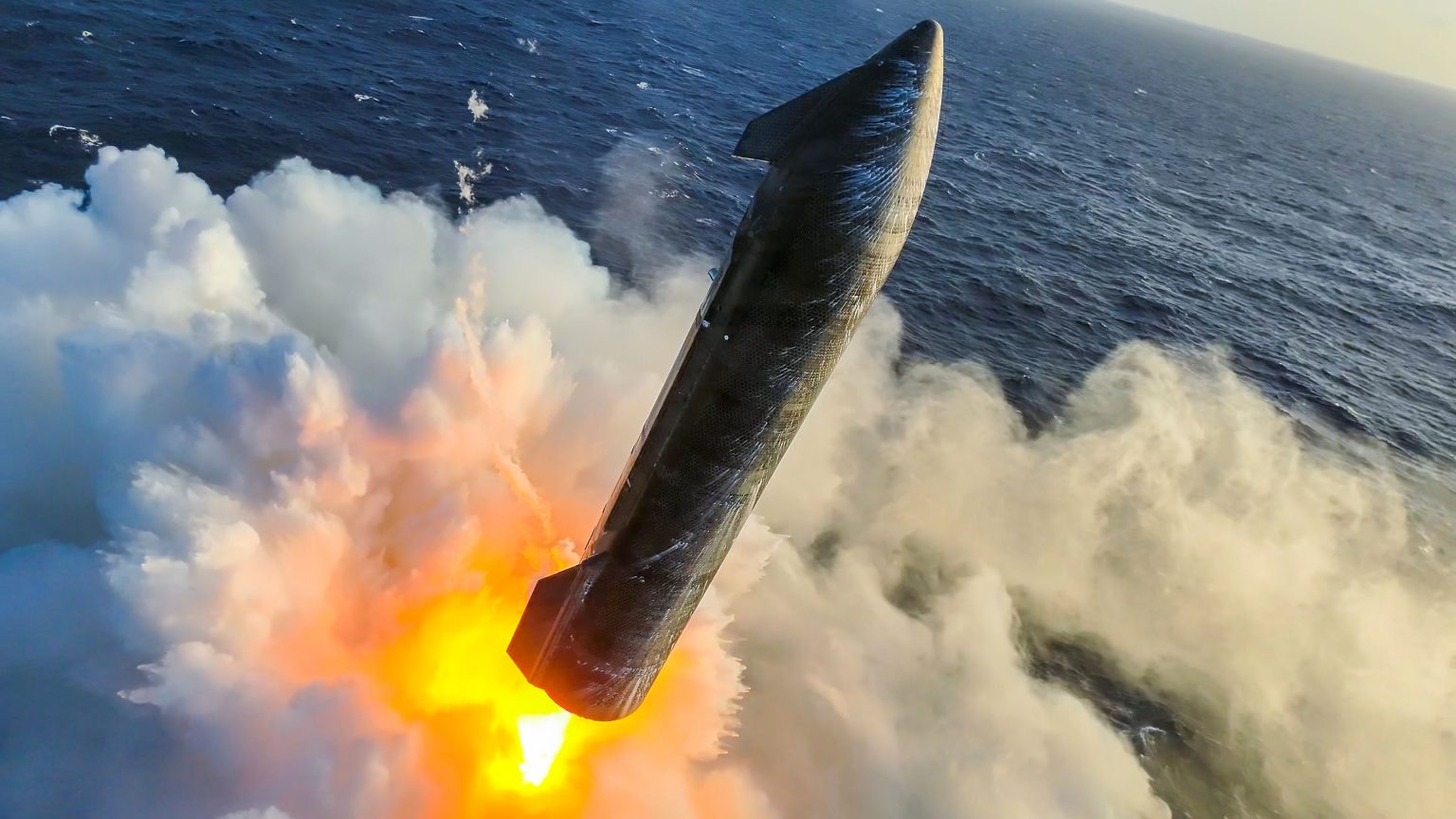
To support this, the document requires the Department of the Interior to designate areas of federal land for new landing zones within 90 days. The Department of Transportation has 180 days to develop safety criteria, while the Department of Commerce has 240 days to prepare an infrastructure development plan. At the same time, environmental issues are also emerging, ranging from the challenges of accumulating space debris to the impact of mass spaceflight on the upper atmosphere.
Logistical Problems
Turning space launches into a routine of “up to three operations per day” will require changes to civilian aviation management. The Department of Transportation must integrate space corridors into the overall air traffic management system while minimizing delays for passenger aircraft.

Another critical factor is the bureaucratic process. In implementing the Executive Order on commercial spaceflight, agencies must accelerate environmental reviews and licensing. Although simplified requirements can reduce paperwork, they do not eliminate physical factors — noise, shock waves, road closures, and accident risks.
Plans Versus Forecasts
Official FAA forecasts are substantially more conservative than the White House targets: according to their estimates, the upper limit for commercial launches will reach only 507 operations by 2036. NSPM-17 policy calls for doubling that figure six years earlier.
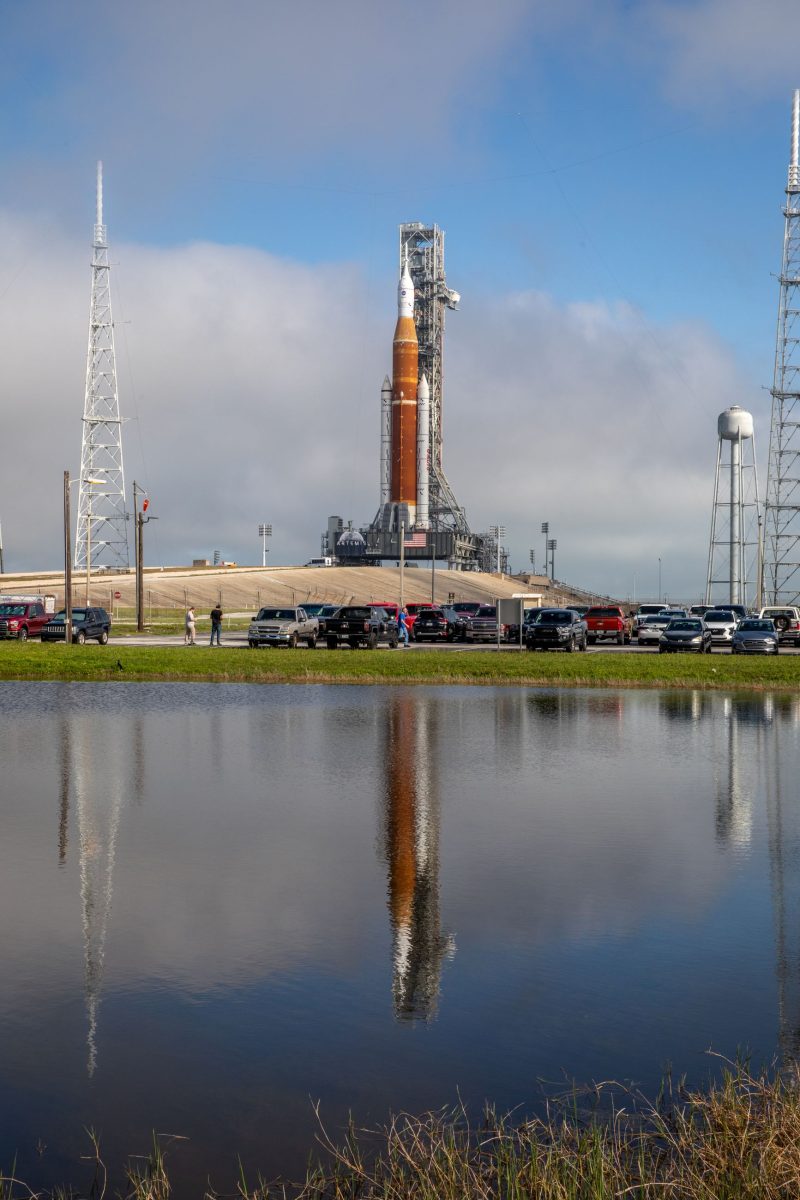
In addition to volume, the Memorandum calls for greater system flexibility: the introduction of standardized interfaces for rapid changes of launch vehicles and payloads, as well as the ability to prepare a responsive launch within 48 hours. Implementation of this plan will depend on congressional funding decisions, the pace of spaceport construction, hardware reliability, and actual market demand.
Previously, we explained what prevents Starship from flying every day.
According to The New York Times
