

Mining platinum-group metals from asteroids could cause global prices for these metals to collapse. That is the conclusion reached by two specialists in system dynamics who modelled the market’s transition from terrestrial mines to space mining. However, the collapse would not happen immediately. First, the industry’s total profits would multiply, and prices would fall only once extraterrestrial sources met almost all demand.
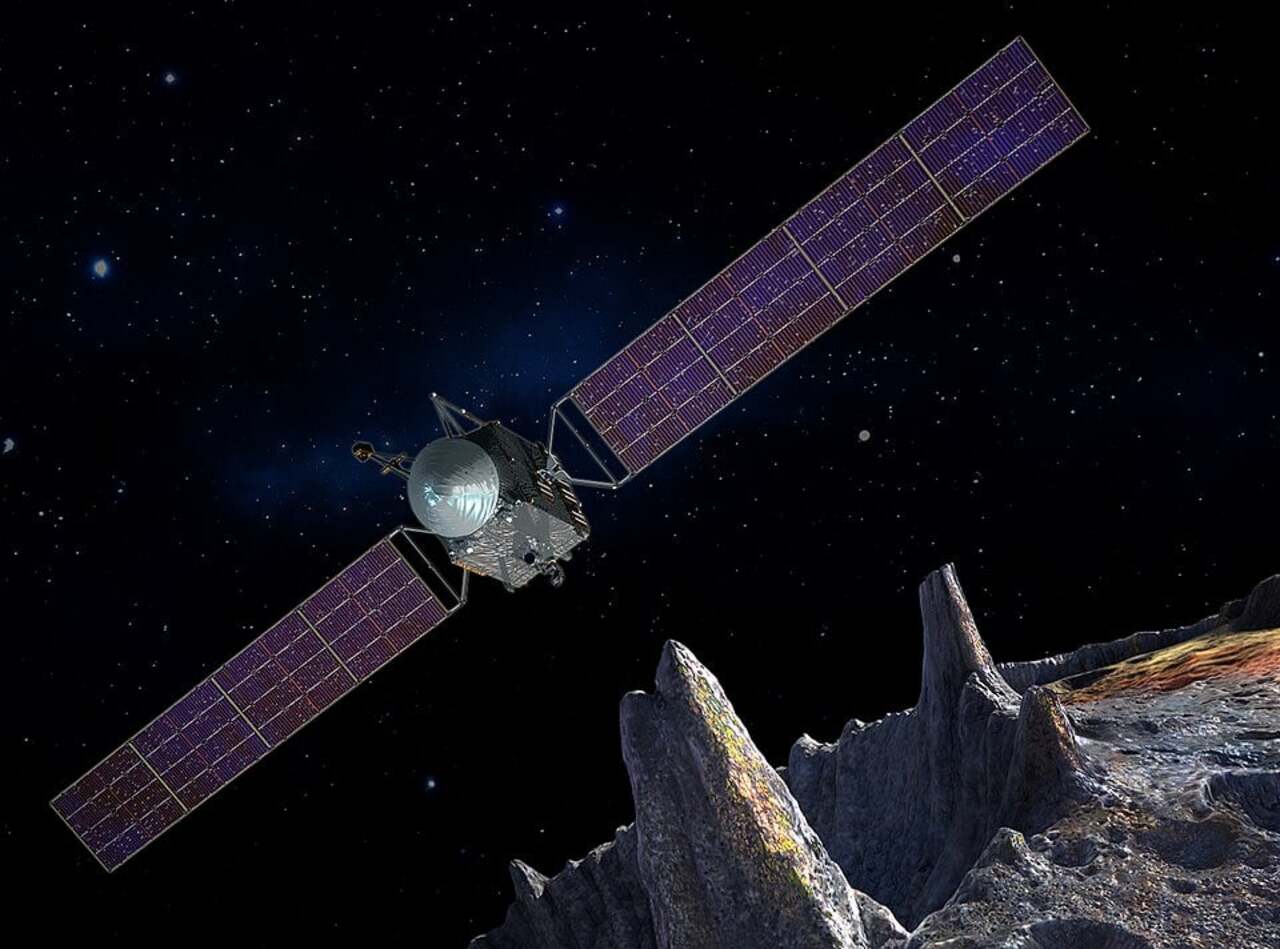
Why These Metals Matter
Palladium and platinum are needed for automotive catalytic converters and, increasingly, for hydrogen energy technologies. Reserves are concentrated mainly in Russia and South Africa, while demand already exceeds supply.
The calculations were carried out by Robert Nachtrieb, a lecturer at the Massachusetts Institute of Technology’s Sloan School of Management, and Stephen Smith of the institute’s alumni association. Their paper was published on the preprint server arXiv and has not yet undergone peer review.
From Profits to a Price Collapse
The world currently consumes around 400 tonnes of platinum-group metals annually, at a price of approximately $60 million per tonne. According to the authors’ rough estimate, prices would remain steady at the peak of the transition, while production costs would fall to less than a quarter of their previous level, increasing annual industry profits from $2.4 billion to $19.2 billion. By the end, a kilogram would cost around $11,000. Total market profits would then shrink to $0.44 billion, although this estimate assumes constant demand, whereas the full simulation allows demand to grow as prices fall.
Isaac Arthur’s video on asteroid mining and colonies from the perspectives of science, engineering, economics, law and psychology. Source: YouTube/Isaac Arthur
Why would prices not fall immediately? As long as terrestrial mines supplied some of the demand, their production costs would determine the price. Space-sourced metals would sell at the same high prices, and the large margins would attract new investors.
Only once extraterrestrial production capacity was sufficient to supply the entire market would prices fall to the cost of space mining. Before then, the authors say, “vast fortunes will be made”.
Asteroids Are Richer Than Terrestrial Ore
Terrestrial ore contains between 4 and 10 grams of platinum-group metals per tonne. Iron meteorites, thought to be fragments of metallic asteroids, contain between 100 and 187 grams. A single such asteroid around a kilometre in diameter could contain more platinum-group metals than humanity has mined throughout its history.
California-based startup AstroForge plans to anchor a spacecraft to an asteroid using magnets, vaporise rock with lasers and separate the platinum-group metals from iron and nickel onboard. Only the concentrate would return to Earth in a capsule.
Low-Cost Spacecraft and Venture Capital
According to the authors, AstroForge’s first spacecraft cost around $3.5 million, compared with a typical $95 million for government missions. Investors put $13 million into the startup in 2022 and another $40 million in August 2024, as reported by SpaceNews.
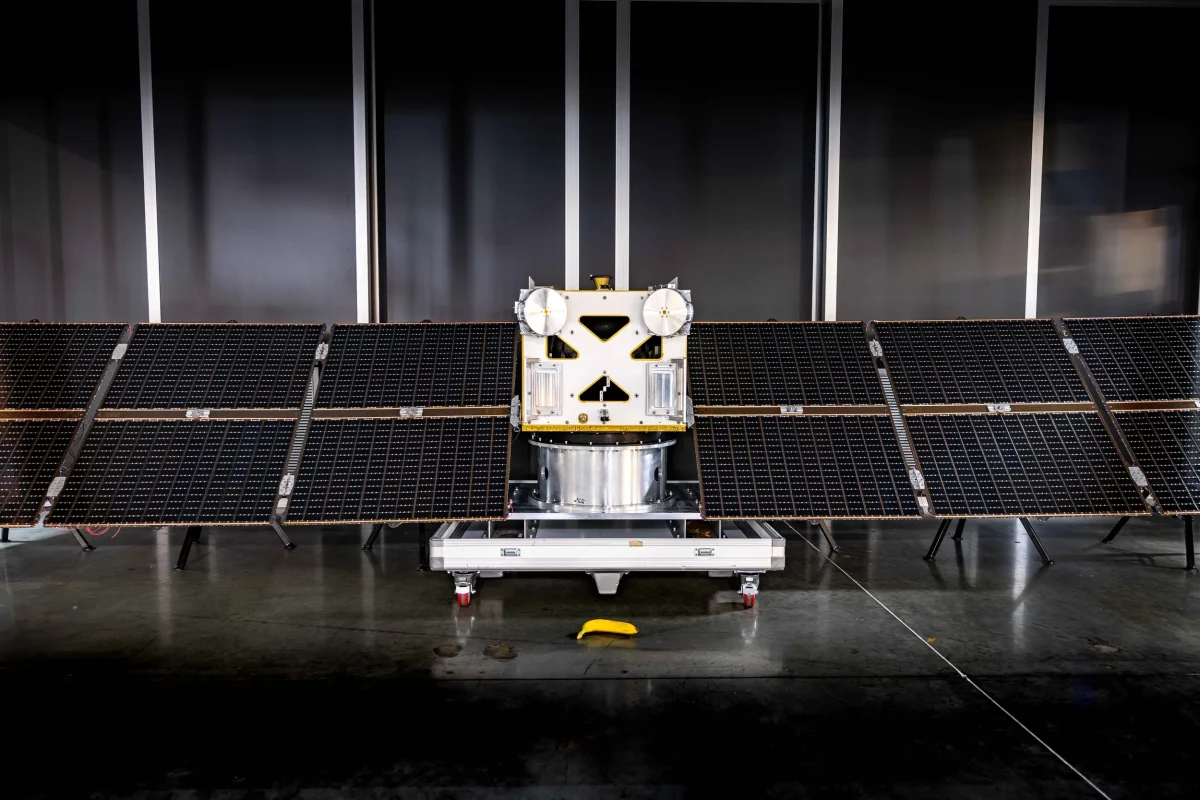
The Odin spacecraft, launched in 2025, never reached its asteroid because stable communications could not be established shortly after launch. The next probe, DeepSpace-2, has already been assembled and will launch as a rideshare payload on an Intuitive Machines lunar mission no earlier than early 2027, to determine whether the selected asteroid is indeed metallic.
Who Loses First?
In the model, the highest-cost mines in North America would be the first to lose their market, followed by the major deposits in Russia and South Africa. According to Universe Today, completely replacing terrestrial mining would take around 15 years. For Russia, which supplied almost 40% of the world’s palladium in 2024, this scenario would mean losing a significant source of commodity export revenue.
Space-sourced platinum-group metals would make hydrogen electrolysers cheaper, while mine closures would eliminate acid mine drainage and arsenic contamination of water. However, the entire scenario rests on a peak space-mining profit margin of 80%, which the authors assumed based on AstroForge’s projections. The actual production cost will only become clear when the first shipment of asteroid metal arrives.
