
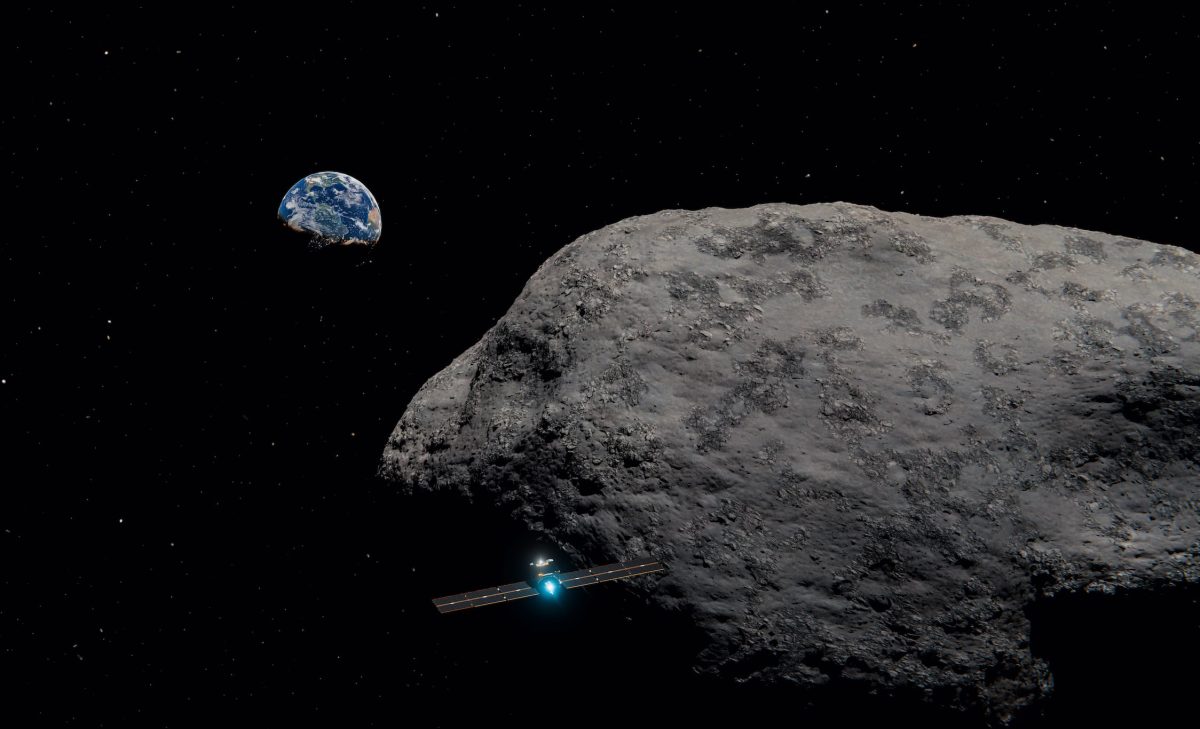
An American startup is preparing to hand control of a spacecraft over to artificial intelligence. The company is developing technologies for extracting resources from asteroids. However, during its first autonomous mission, it plans to collect data about the Sun. An onboard model will monitor the operation of the systems and resolve failures without commands from Earth. The company chose this approach after losing contact with its previous probe and because of the cost of ground infrastructure.
Replacing a Hundred Operators
When NASA sends spacecraft to other bodies in the Solar System, much of the work is performed by teams of operators on Earth. During the OSIRIS-REx mission, which approached the asteroid Bennu in 2018, one hundred specialists worked on each eight-hour shift, according to TechCrunch.
The startup does not have access to such resources. Founded in 2022, AstroForge has raised $56 million in venture funding. According to its co-founder and CEO Matthew Gialich, five antennas for deep-space communications in different parts of the world, together with their maintenance, would cost around $200 million. A proprietary ground network would cost almost four times more than all the funding the company has raised over its four years of existence.
A Lesson from the Lost Probe
Both AstroForge prototypes experienced anomalies that left most of their objectives uncompleted. The Odin spacecraft, launched into deep space in 2025, could never be brought under control. There are few large antennas on Earth capable of transmitting signals over distances of hundreds of thousands of kilometers, while the communication windows are short.
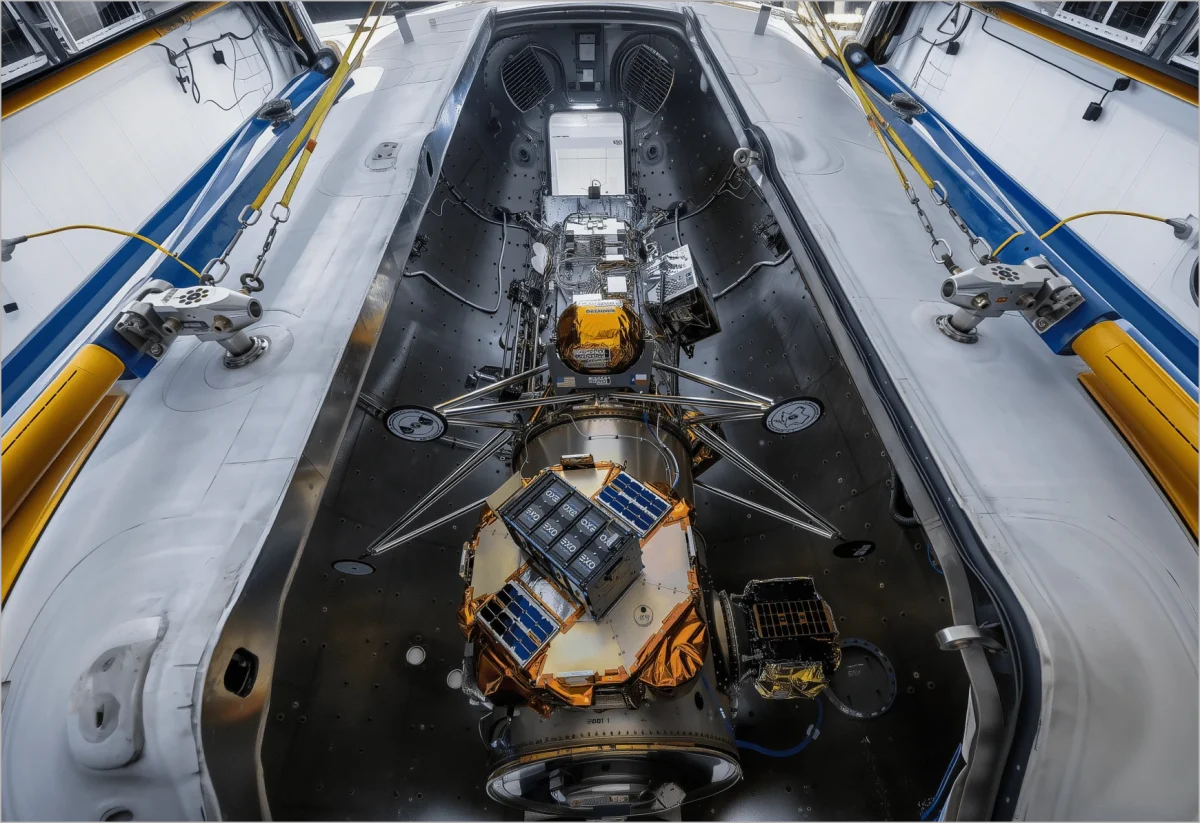
This experience pushed the company to look for another approach. According to Matthew Gialich, it is unclear whether Odin could have been recovered using the data stored onboard, but none of its systems even attempted to do so.
Limited Autonomy
The onboard system was named Solo and was created using a transformer architecture, the same type of architecture used in modern language models such as ChatGPT. According to Arman Awad, head of onboard software, Solo combines traditional control algorithms, specialized neural networks for subsystems such as power or navigation, and a general layer trained on readings from approximately 2,500 spacecraft sensors.
Matthew Gialich emphasizes that he is not developing general autonomy for spacecraft. This is a narrow solution with a small number of input data streams.
One of the system’s tasks is troubleshooting. Arman Awad describes a scenario in which position data in space are lost and the model links an electrical anomaly to the operation of a star tracker. Most likely, the problem could be solved by simply rebooting that instrument.
Neural Networks Beyond Earth
Most autonomous solutions in space technology still rely on classical algorithms because engineers are concerned about the unreliability of artificial neural networks. Such technology was used to control the orientation of a satellite in orbit for the first time only last year, according to a preprint on arXiv, whose conclusions have not yet undergone formal peer review.
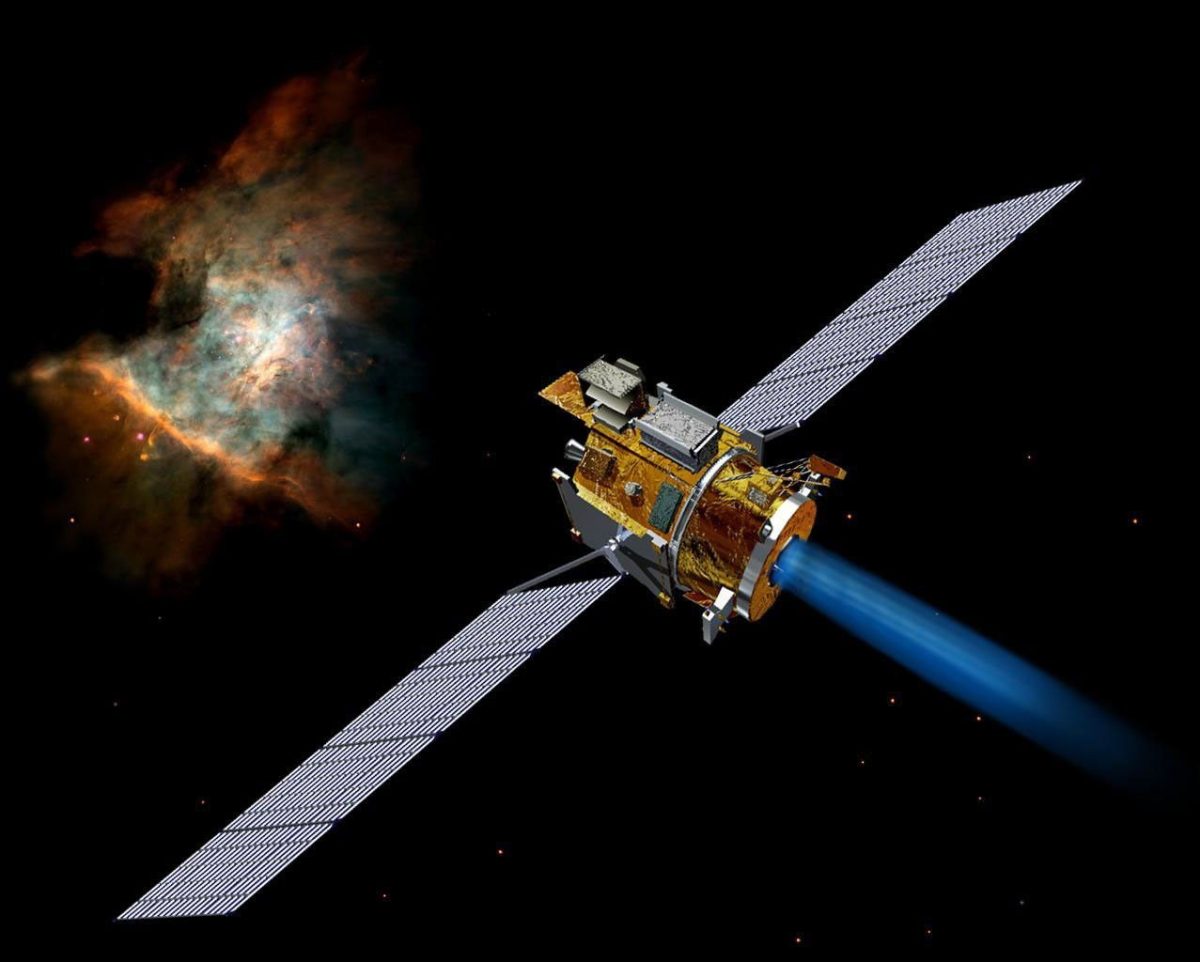
The idea of onboard intelligence itself is not new. In May 1999, NASA handed control of the Deep Space 1 spacecraft over to the Remote Agent program for several days. However, it planned actions based on models and rules predefined by engineers, not on machine learning.
A Flight Without a Receiver
Solo will be tested onboard DeepSpace-2, AstroForge’s next probe. Its launch is planned together with Intuitive Machines’ third lunar mission by the end of 2026. The model will operate in shadow mode so that engineers can evaluate its performance in advance.
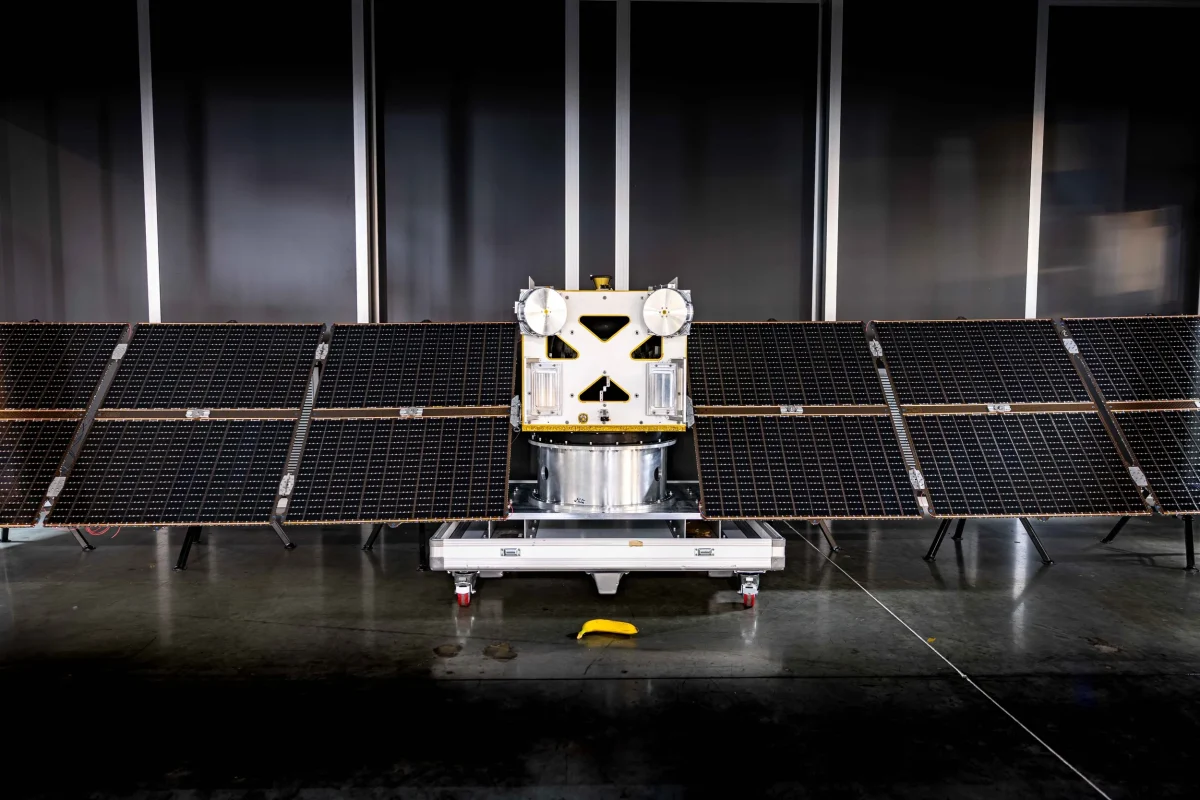
The company’s first autonomous spacecraft, called Autonomy-1, will fly in 2027 on Stoke Space’s debut rocket. The project is supported by NASA, and it is intended to collect scientific data about the Sun.
Matthew Gialich does not plan to install radio equipment on Autonomy-1 capable of receiving signals from Earth. He acknowledges that before launch, the team will probably persuade him to change his decision.