

American companies launching rockets into space may receive significant relief from environmental requirements. The U.S. Department of Transportation is proposing to exempt commercial launch licenses from 13 federal environmental laws. The initiative has been welcomed by the industry and criticized by environmental organizations.
Which Laws Would Be Covered by the Exemption
The rule released on July 28 relies on the Secretary of Transportation’s authority to waive requirements when they are not necessary to protect health, safety, or national interests, according to SpaceNews. Before making a decision, the Secretary must consult with the heads of the relevant agencies.
The National Environmental Policy Act, better known as NEPA, is among the laws included. It requires environmental reviews for major federal actions, including launch licenses. The Endangered Species Act, the Clean Water Act, and the Clean Air Act would also fall under the exemption.
Publication in the Federal Register on July 30 will open a 30-day public-comment period. After that, the Federal Aviation Administration will review the comments and issue a final rule.
Where the Initiative Came From
The rule follows an executive order signed by Donald Trump in August of last year. The document instructed the Secretary of Transportation to use all available tools to remove obstacles to issuing licenses for launches and vehicle reentries.
Transportation Secretary Sean Duffy summarized the logic simply: America won the first space race and can win again, but only if government bureaucracy is moved out of the way. However, nearly 11 months passed between the executive order and publication of the document, and the department did not explain the reason for the delay.
The proposal also refers to a 2025 Supreme Court decision that limited NEPA’s application to the direct consequences of a proposed action. Just as the Court recognized the need for a course correction in judicial review under NEPA, the Department of Transportation and the FAA stated that the law’s application to commercial space licensing also needs to be revised.
Arguments For and Against
The industry organization Commercial Space Federation described commercial launches as the foundation of the U.S. space economy. In its view, the new rule will accelerate licensing, reduce the regulatory burden on companies and agencies, and allow transportation infrastructure to keep pace with growing demand.
Environmental groups strongly opposed the proposal. Brett Hartl, Government Affairs Director at the Center for Biological Diversity, noted that NASA had conducted launches responsibly for decades, while Trump now wants to remove basic safeguards for the benefit of the world’s wealthiest individuals.
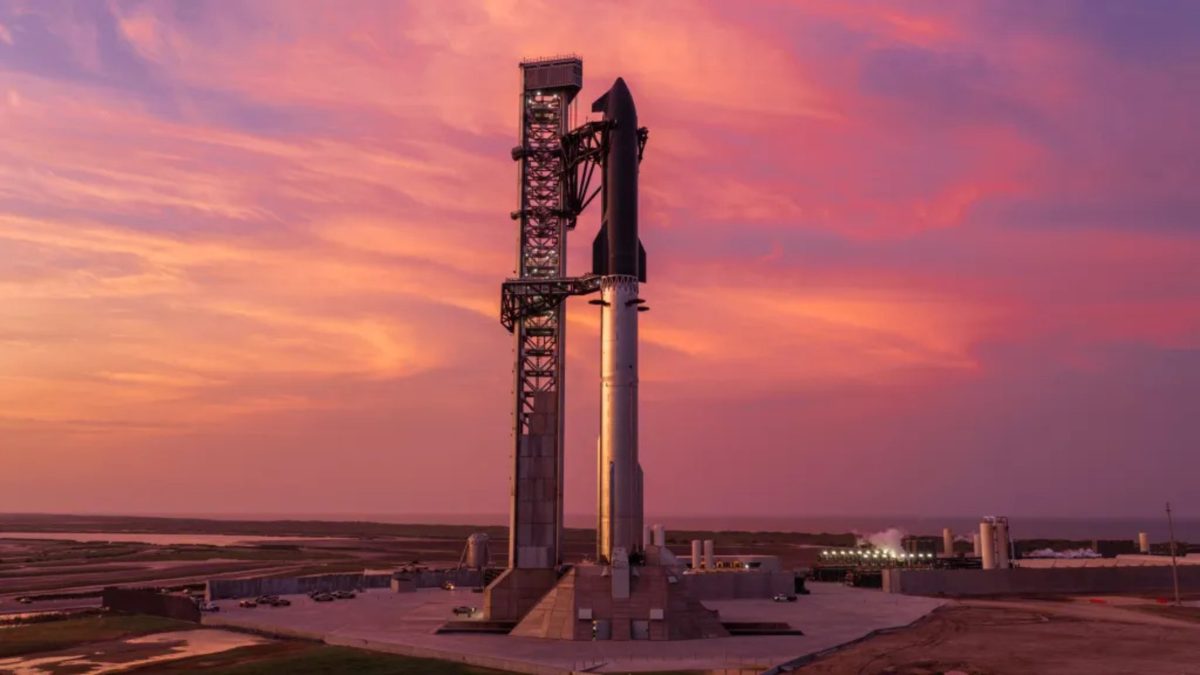
Experience shows that environmental reviews rarely block projects entirely, but they can delay them significantly. The best-known example is the Starship site at Boca Chica, where the FAA postponed completion of the environmental assessment several times and ultimately imposed more than 75 requirements on SpaceX before issuing a license. Formally, an application may be reviewed for up to 180 days, but the environmental portion often takes much longer because of consultations with other agencies and revisions to documentation.
Plaintiffs from the Center for Biological Diversity are also suing the U.S. Fish and Wildlife Service over a land exchange with SpaceX. The agreement provides for the transfer of 715 acres in the Lower Rio Grande Valley National Wildlife Refuge near Starbase to the company in exchange for 683 acres of SpaceX land elsewhere in the region. On July 20, the plaintiffs filed an emergency request to block the transfer, and on July 28, a court in Washington decided to move the case to Texas because the land is located there.