

The Kennedy Space Center has traditionally been regarded as the “crown jewel” of the American space program. However, a new report from the NASA Office of Inspector General paints a troubling picture: the spaceport’s infrastructure is steadily aging, deteriorating, and approaching the limits of its operational capacity. The main reason is the unprecedented surge in activity from private companies, most notably SpaceX and Blue Origin.
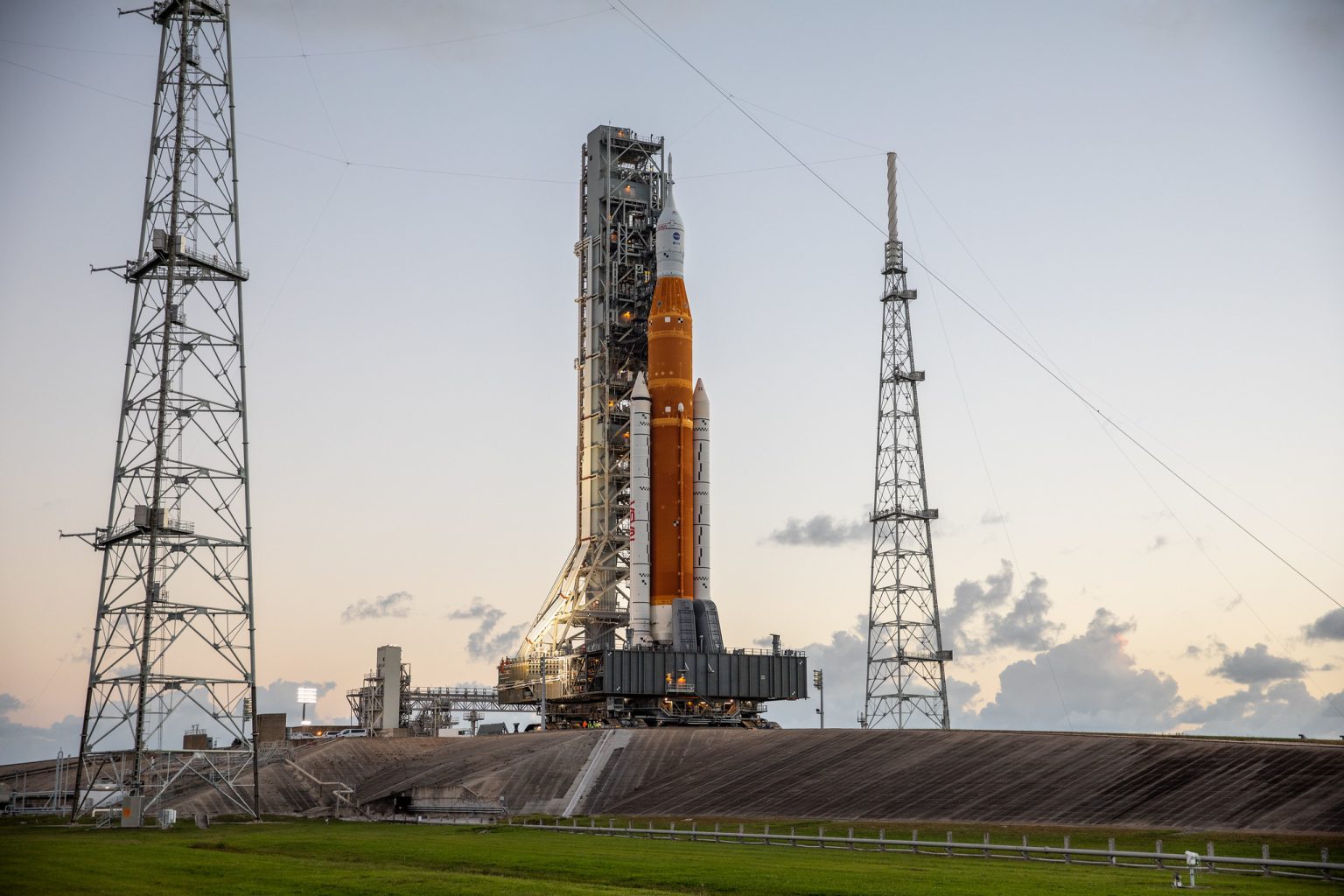
The report emphasizes that the agency’s launch complexes are critical for enabling the most complex missions, but their aging condition and limited throughput are already slowing down industry development. The greatest strain is being placed on the Florida spaceport, which is preparing for a surge of launches involving the giant rockets Starship and New Glenn.
Limited pads and shared infrastructure
At the Kennedy Space Center, NASA operates only a few launch pads. Launch Complex 39A is currently leased by SpaceX for launches of its Falcon 9 and Falcon Heavy rockets, and it is also being upgraded for future Starship missions. Nearby, Complex 39B is reserved for NASA’s own heavy-lift rocket, the Space Launch System (SLS). There is also a smaller Launch Complex 48 used for light launch vehicles.
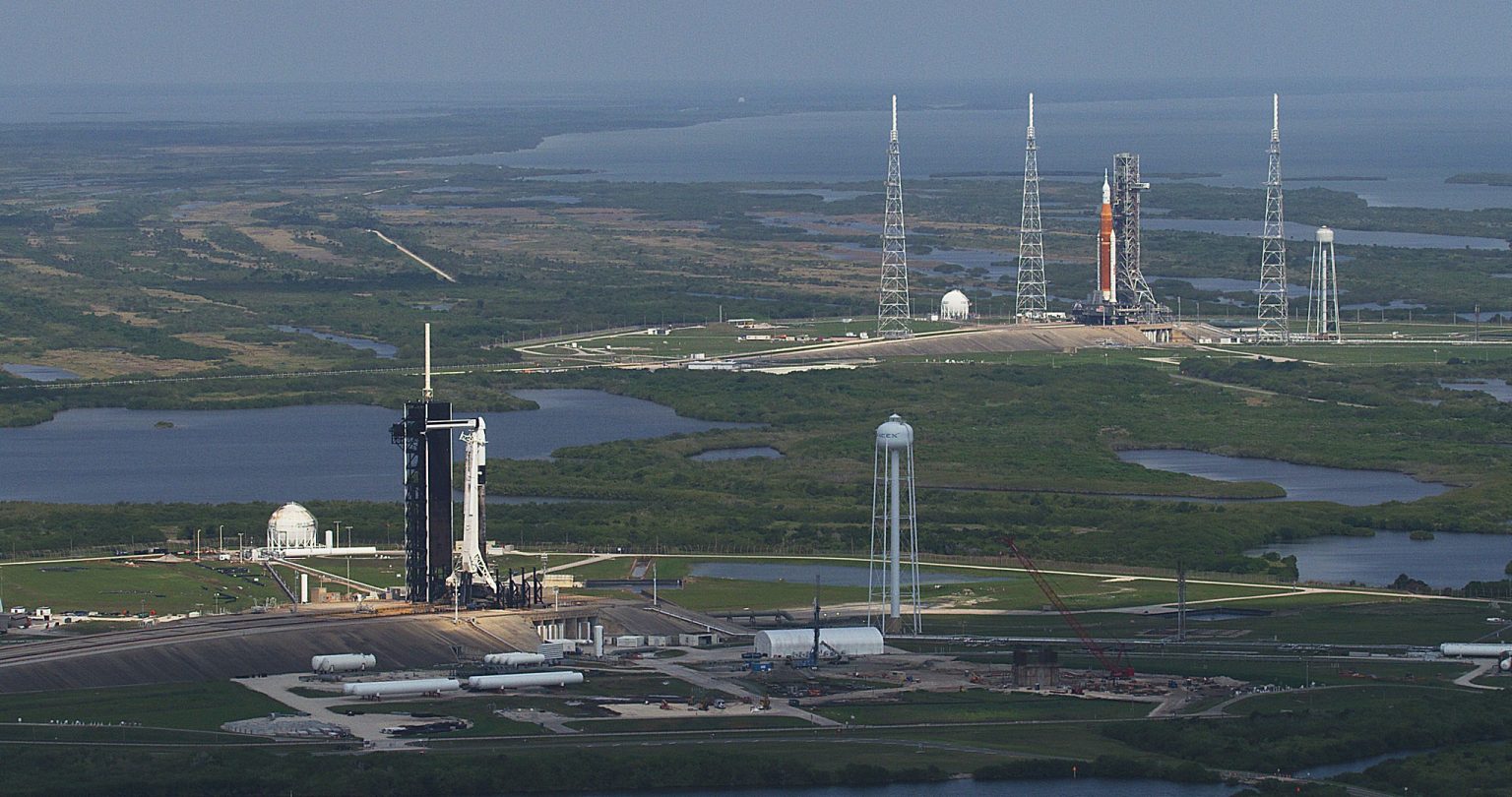
Far greater capacity is available at the nearby U.S. Space Force base at Cape Canaveral, where Launch Complexes 36A and 36B are located and leased by Blue Origin for its heavy-lift New Glenn rocket. However, both the military and NASA remain heavily dependent on shared base infrastructure: 231 miles of roads and bridges, helium and nitrogen pipelines, and a 60-year-old power system that is raising serious concerns among experts.
Nitrogen crisis: when even the simplest resource runs short
One of the clearest examples of system overload is the supply of gaseous nitrogen, which is essential for rocket fueling and testing. As early as 2022, during preparations for the Artemis I mission, shortages of nitrogen created significant challenges, and the situation has only continued to worsen since then.
Current infrastructure capacity is not sufficient to simultaneously support launches of Blue Origin New Glenn and Vulcan Centaur from nearby pads. Representatives of Blue Origin have already stated that this caused serious issues during preparations for a launch in January 2025. It is also expected that pipeline systems could experience outages lasting up to two months during future launches of the Space Launch System (SLS). The problem could be mitigated by a new nitrogen supply system, but this $25 million project remains unfunded.
Exponential Growth and Bureaucratic Pitfalls
Analysts predict that by 2028–2029, the number of launches could exceed the number of days in a year. A significant share of these will come from super-heavy rockets, which require maximum resources and place the greatest strain on road infrastructure.
The companies’ plans are striking: SpaceX Starship is expected to launch every eight days to build orbital propellant depots (at least 15 flights would be required just to fuel a lunar lander mission). Overall, SpaceX plans up to 120 Starship launches per year from Florida. Blue Origin has similarly ambitious goals: up to 120 annual launches of New Glenn by 2035, along with plans to build a third launch pad.
The situation is further complicated by a financial squeeze: since 2021, NASA’s infrastructure modernization budgets have been cut by 11–47% due to inflation. At the same time, legislation limits the agency’s ability to attract direct private investment in shared facilities. As a result, while the United States attempts to win a new space race with China, its primary launch site faces increasing commercial pressure under conditions of critical underfunding.
Previously, we reported on how workforce pressure cost NASA $4.6 million in losses.
According to arstechnica.com
