

Researchers spent two weeks collecting dissolved organic compounds near Ukrainian and Czech Antarctic stations using passive samplers. The samples were screened for pharmaceuticals, pesticides, and industrial chemicals. Of the entire list of substances tested, traces of only two compounds were detected, both at low concentrations.
Eight Devices at Two Locations
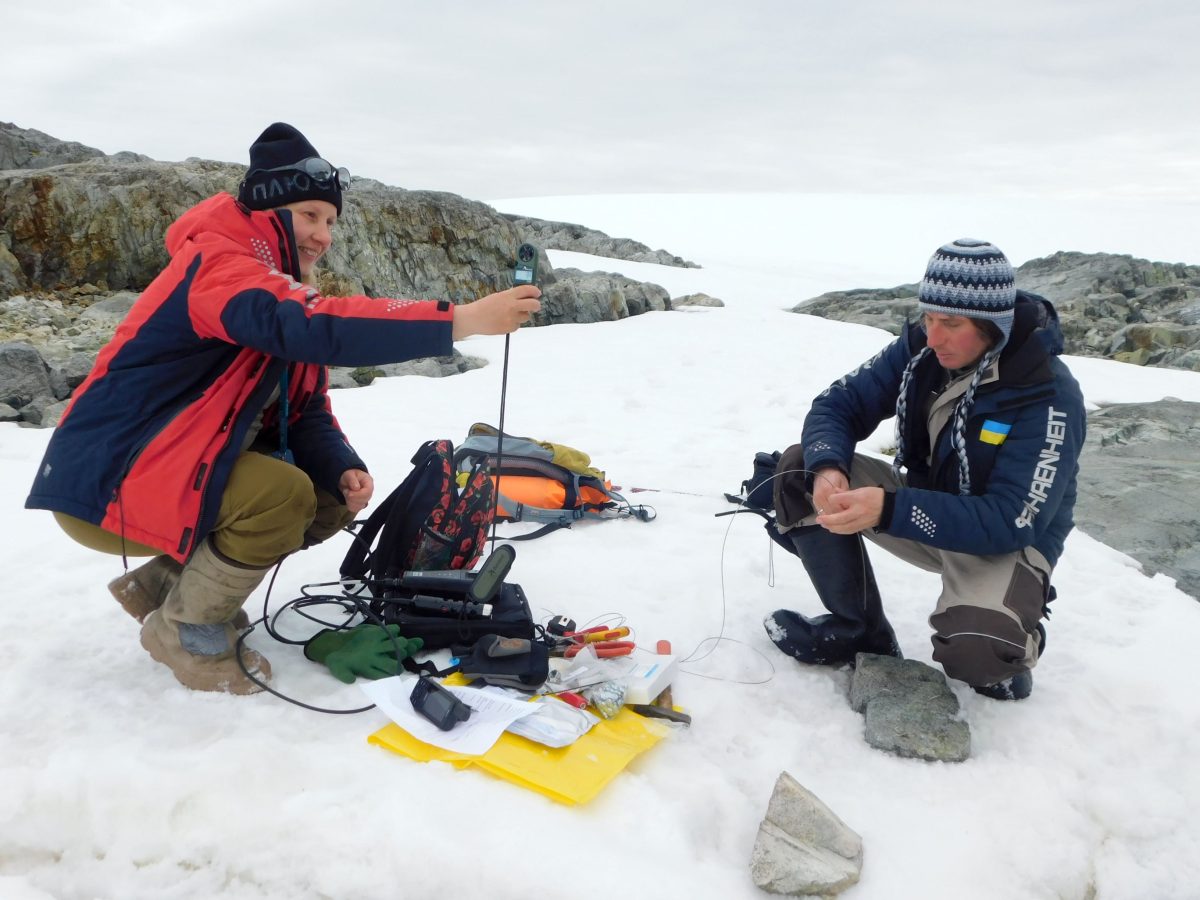
The samplers were deployed near the Akademik Vernadsky station on Galindez Island and near the Czech field base CZ*ECO Nelson on Nelson Island. Four devices were installed near each site, and each remained in the water for two weeks during the previous Antarctic season.
The locations were selected to compare water upstream and downstream from each station and determine whether the station affected its composition. Two samplers were placed in freshwater bodies above and below the station, while two others operated in glacier-fed waters and coastal marine waters. The work was carried out by Ukrainian scientists together with colleagues from the University of South Bohemia and the Czech Antarctic Research Programme, according to the National Antarctic Scientific Center.
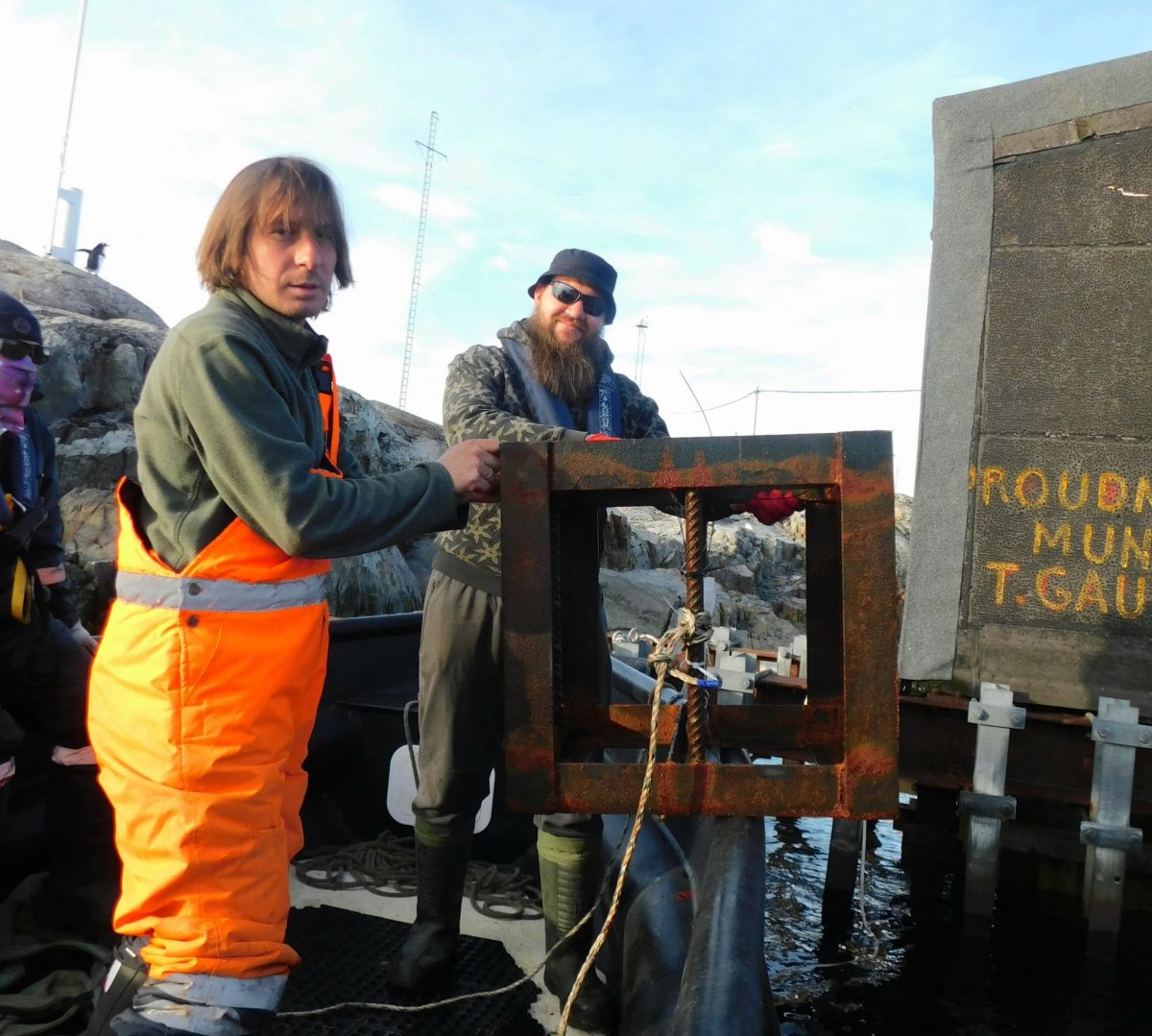
Some of the samplers had to be submerged in the sea. For this purpose, the Ukrainian engineering team welded special metal cubes.
Why a Trap Is Better Than a Single Sample
Traditional water sampling provides a snapshot of a single moment. A passive sampler, by contrast, collects dissolved compounds continuously for as long as it remains in the water.
Because of this accumulation effect, the device can detect substances present at very low concentrations as well as compounds whose levels fluctuate constantly. Such substances may not be detected in a one-time sample.
Analysis in a Czech Laboratory
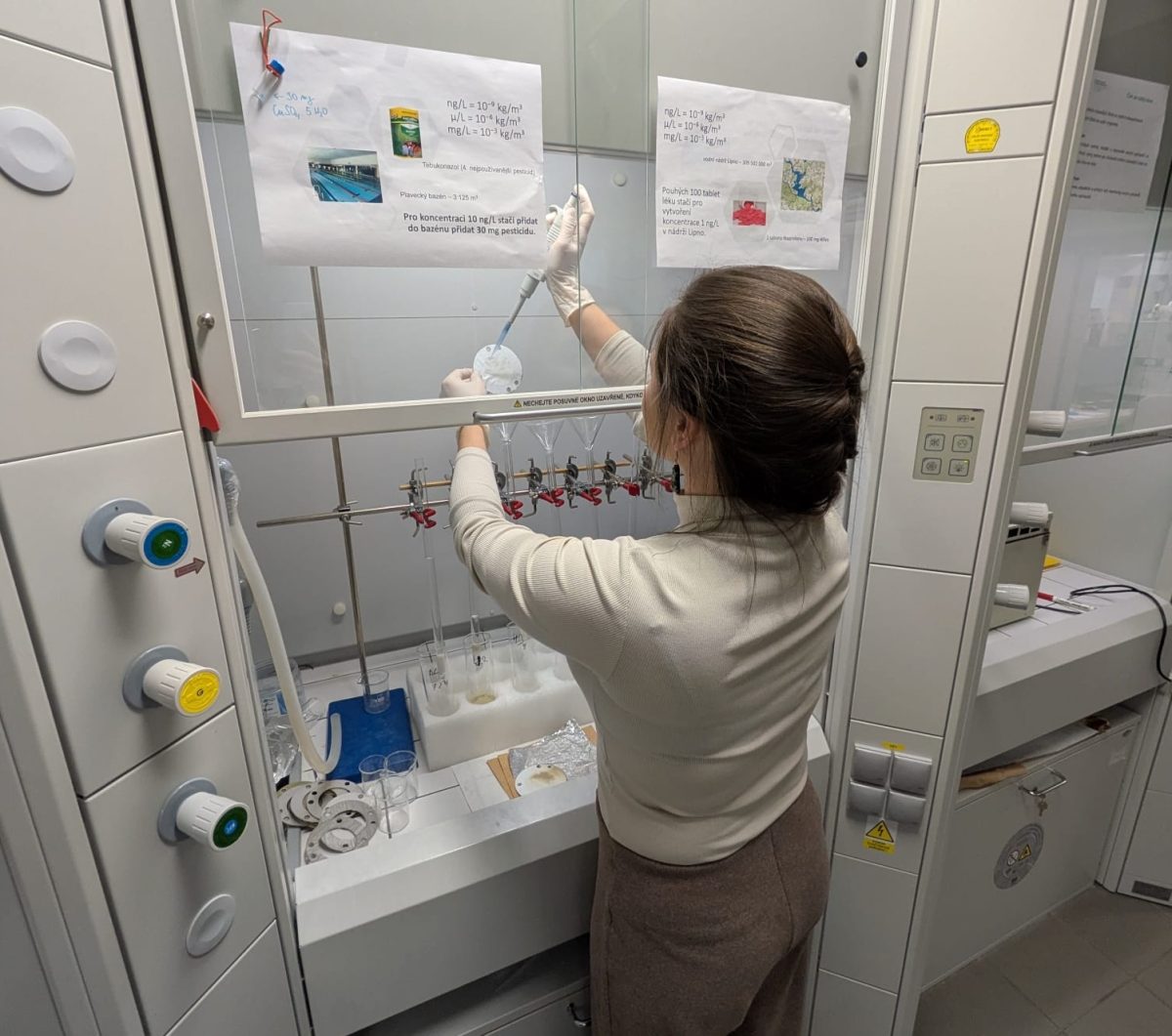
The samples were analyzed using liquid chromatography–mass spectrometry (LC-MS) at the South Bohemian Research Center of Aquaculture and Biodiversity of Hydrocenoses (CENAKVA). The target list included pharmaceuticals, pesticides, industrial chemicals, and PFAS, which are known as “forever chemicals” because of their exceptional resistance to degradation.
Compounds from this group have previously been found in snow and seawater even in remote areas of Antarctica, where they are transported by air currents from other continents. Therefore, the clean results near the two bases reflect the condition of those specific locations, not the entire continent.
Two Traces from the Entire List
The scientists detected almost none of the substances they were looking for. One exception was benzotriazole, which is used to protect metals from corrosion. It was found only in trace amounts.
In seawater from a bay near the Vernadsky pier, DADMAC-C10 was detected at a low level. This ammonium compound is used in formulations of surfactants and disinfectants.
The Next Step
The method worked under Antarctic conditions, so next time the samplers can be left in place for longer periods. A longer exposure increases the chances of detecting substances present in even smaller amounts.
This will determine whether researchers can trace compounds transported over long distances and separately assess the contribution of the polar stations themselves. The answer is important for station operators, because they are the ones who establish rules for handling household chemicals and waste at their facilities.
