

Sixty-five million years ago, a colossal asteroid impacted the region near the Yucatán Peninsula in Mexico. The scientific community continues to debate whether this event led to the extinction of the dinosaurs. Nevertheless, it is certain that, subsequent to this event, the Earth persisted in being impacted by extraterrestrial objects.
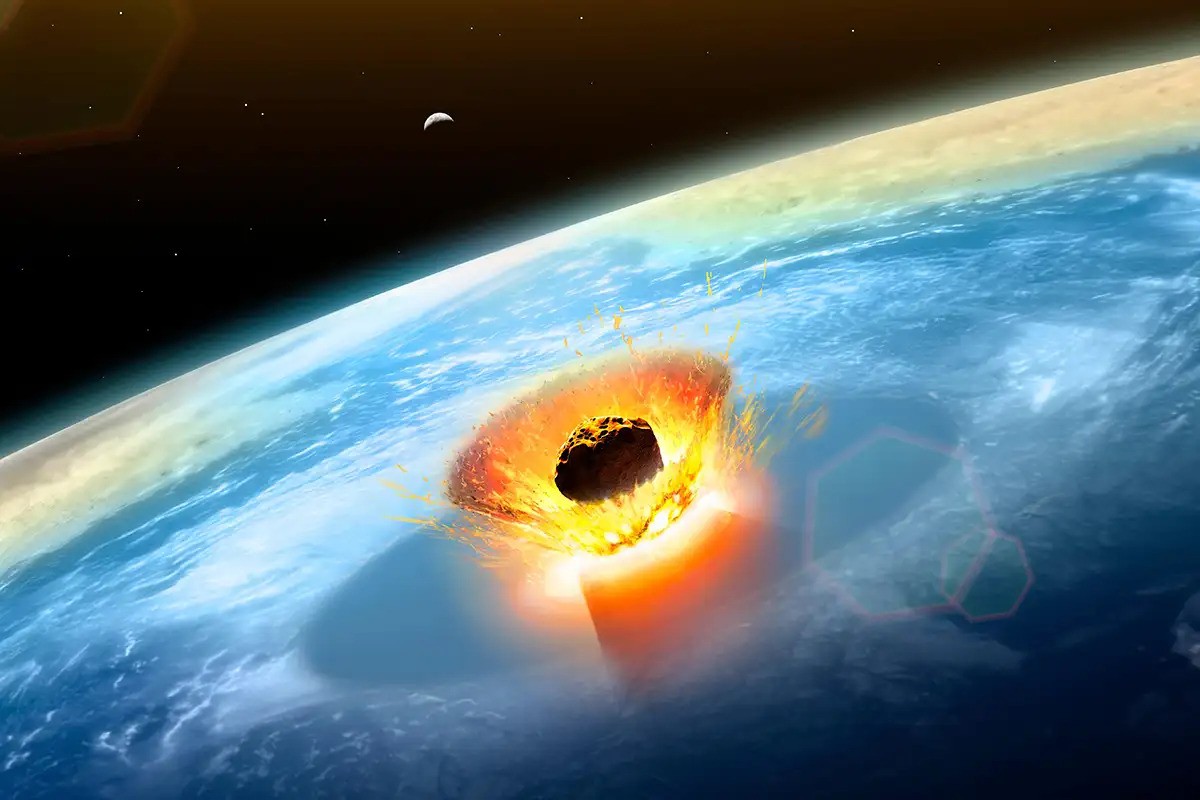
Asteroid Chicxulub
June 30 is observed globally as Asteroid Day. This occasion typically marks the peak of public interest in asteroid-related developments. During this period, scientists actively disseminate the latest discoveries in this domain to interested parties.
However, the primary concern for many individuals pertains to whether an asteroid impact on Earth 65 million years ago genuinely resulted in the extinction of the dinosaurs, and whether a similar outcome may befall humanity.
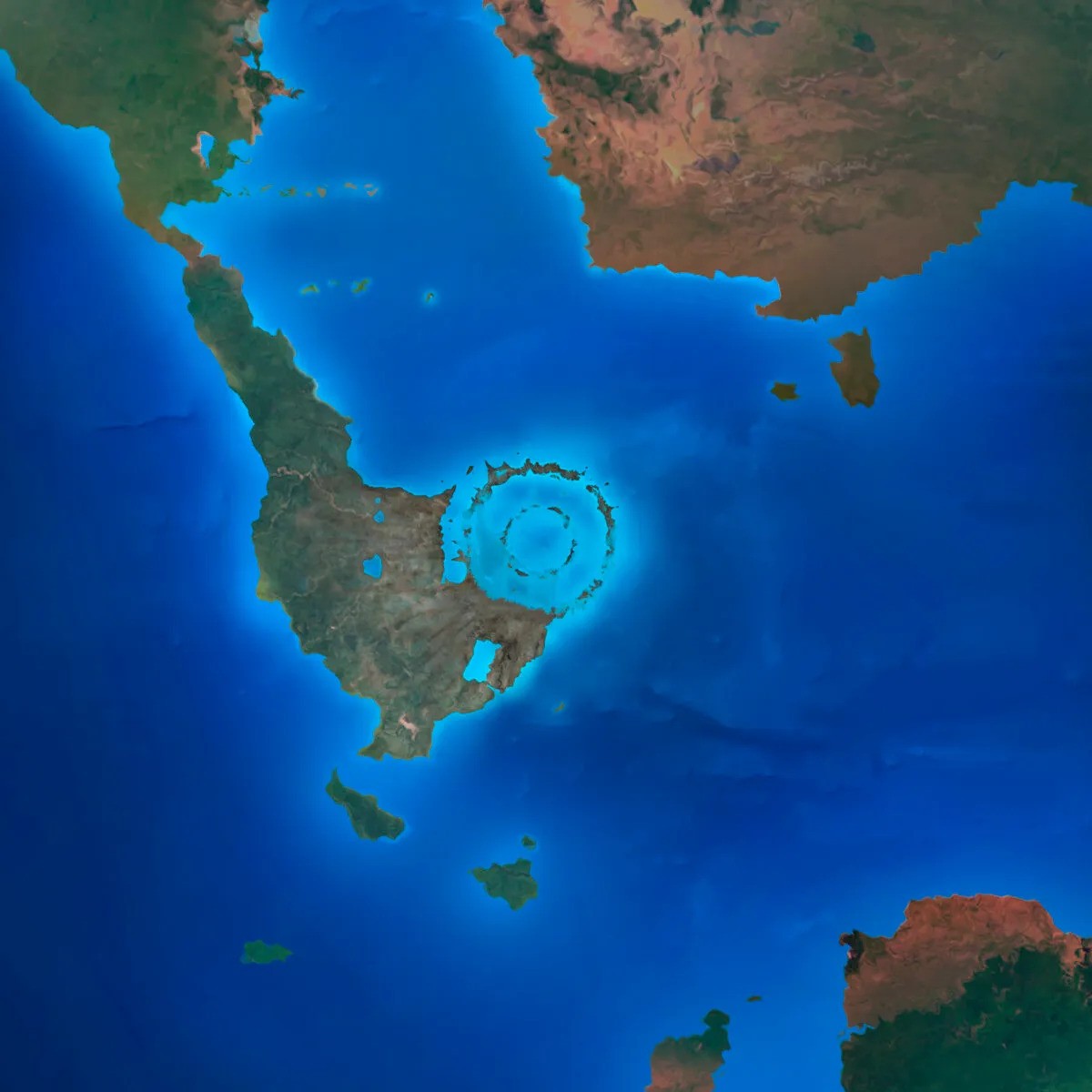
Scientists have long debated the answer to the first part of the question over several decades. The Chicxulub crater, located on the Yucatán Peninsula in Mexico, is an established geological feature. It measures approximately 180 km in diameter and 20 km in depth. Nevertheless, the asteroid responsible for its formation according to minimum estimates, had 10 km in diameter.
It is widely acknowledged that the crater’s estimated age of 66 million years closely corresponds to the period during which many large groups of animals, including the non-avian dinosaurs, became extinct on our planet.
However, there is no consensus on whether this was the primary — let alone the sole — cause of such a significant extinction event. This issue is intricately linked to the question of the extent to which collisions with large asteroids contributed to shaping the contemporary biosphere of our planet.
In fact, the Chicxulub asteroid was not the largest asteroid to have impacted our planet. Researchers have identified craters that are substantially larger; however, they have been unable to establish a connection between these craters and any mass extinctions.
After the extinction of the dinosaurs, space rocks continued to fall to Earth. As a result, craters resulting from these impacts are indeed remarkable. Below are the ten largest such craters.
1. Popigai
The largest crater formed on Earth following the extinction of the dinosaurs is Popigai. It is situated in northern russia, near the border between krasnoyarsk krai and Yakutia. Studies have demonstrated that this structure, approximately 100 kilometers in diameter, was formed roughly 35.7 million years ago. The asteroid responsible for its formation was comparable in size to the Chicxulub asteroid — approximately 8 kilometers in diameter.
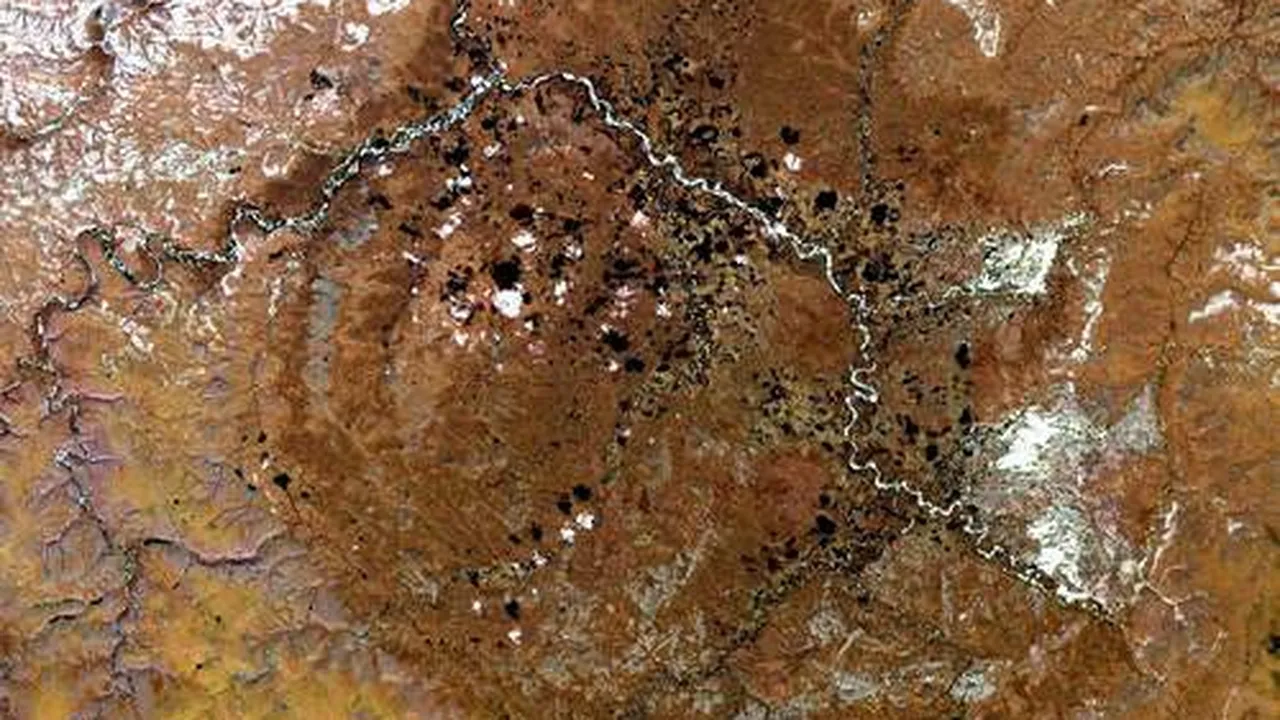
Interestingly, there are also efforts to associate the Popigai event with a significant mass extinction of species on our planet. This is referred to as the Eocene-Oligocene extinction event, which is considerably less recognized than the Cretaceous-Paleogene extinction event.
That said, there exists a considerably more plausible candidate for the cause of its extinction: a cooling trend. The climate experienced a significant decrease in temperature and dryness. In certain regions, glaciation commenced; in others, ecosystems underwent transformations. Furthermore, this event transpired more than one and a half million years subsequent to the formation of Popigai, specifically between 33.9 and 33.4 million years ago.
2. Karakul
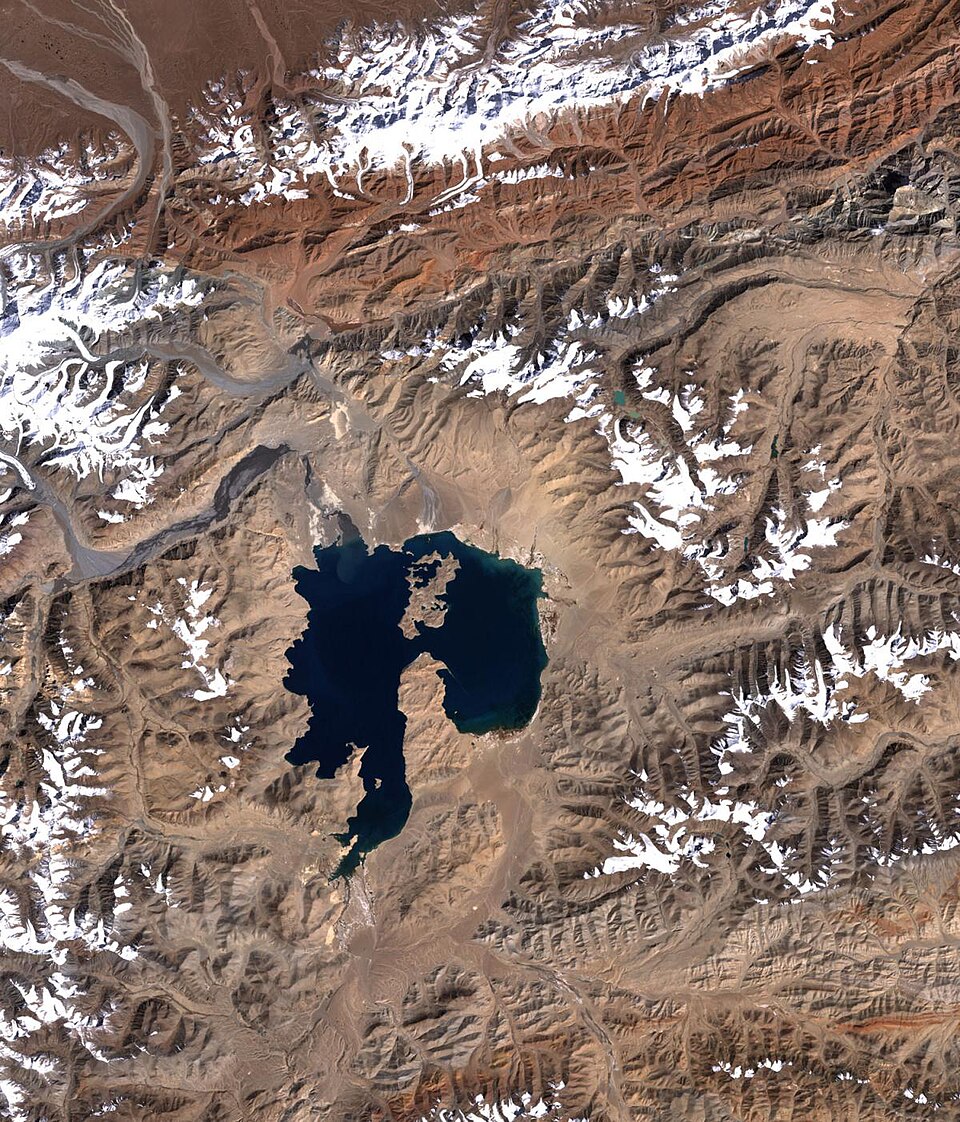
The second-largest impact crater resulting from a collision between Earth and an asteroid during the Cenozoic Era is Karakul. This crater, with a diameter of 52 km, is situated in one of the highest-altitude regions on our planet — the Pamir Mountains.
Within the crater lies a lake measuring 25 km in diameter. It is the largest lake in Tajikistan and is situated at an elevation of 3,960 meters. However, there exist some discrepancies concerning its age. Certain studies estimate the crater’s age at 23 to 25 million years, whereas others suggest an age of 2.6 to 5.3 million years. Consequently, it is quite plausible that this feature represents the most recent of all those listed herein.
3. Montagnais
The third-largest impact structure of the Cenozoic is Montagnais. This impact crater, measuring 45 km in diameter, is situated on the seafloor — specifically, on the Atlantic Ocean shelf near the Canadian province of Nova Scotia.
The age of the crater has been estimated at approximately 50.5 million years. Nonetheless, despite its size, it remains challenging to associate it with any significant event in the history of Earth’s biosphere. At that time, the Eocene was underway, when mammals were already actively diversifying and gradually taking over the place previously occupied by dinosaurs.
4. Chesapeake Bay impact crater
Another significant crater is situated in proximity to the most populous cities along the eastern coast of the United States. This impact structure lies beneath the southern part of the Chesapeake Bay, the estuary of the Susquehanna River, and has greatly influenced its modern geology and topography.
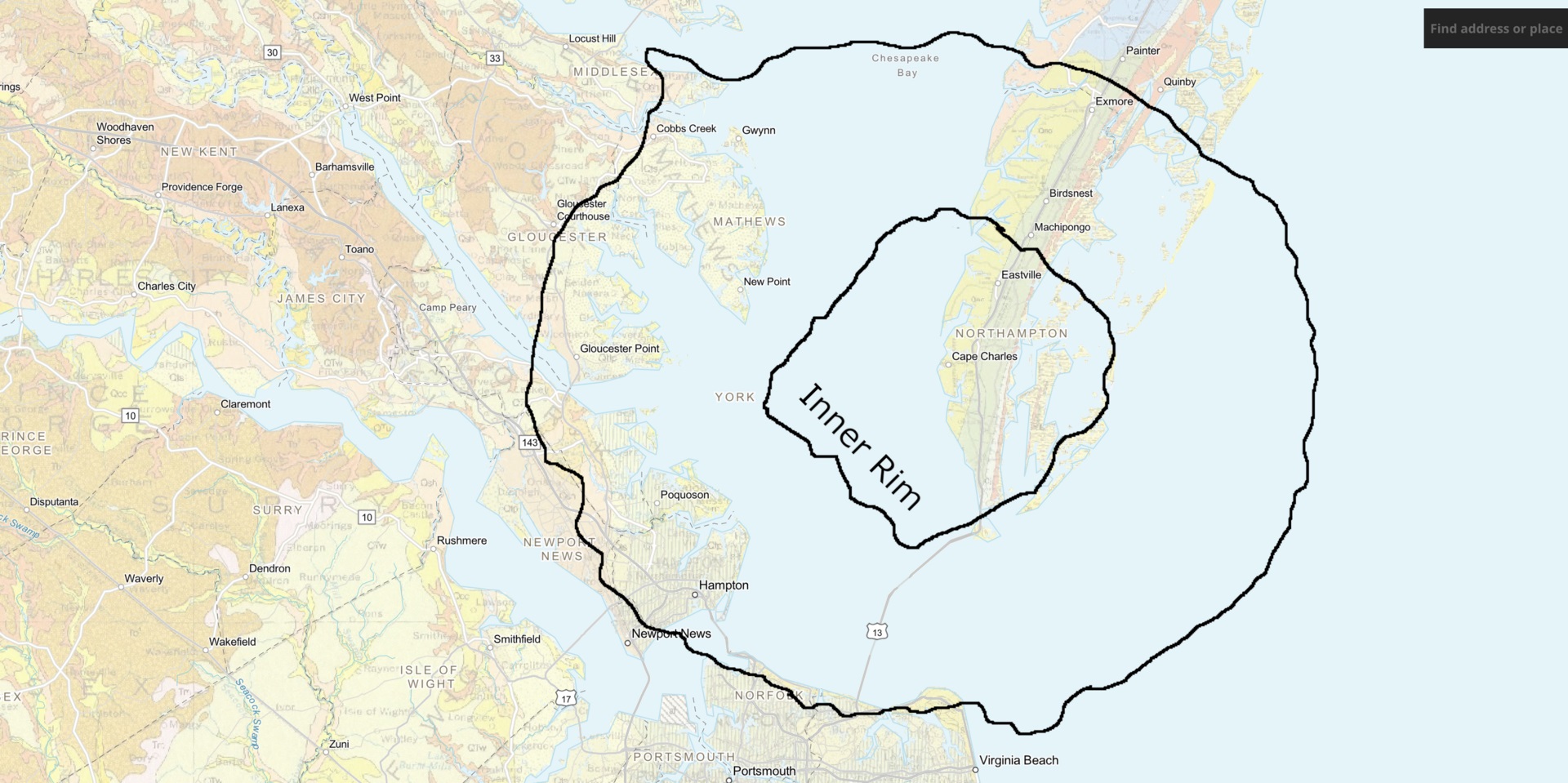
Approximately 35.5 million years ago, an asteroid measuring several kilometers in diameter impacted this region at a velocity of 17.8 km/s. It formed a crater 85 km in diameter with a central depression 38 km wide. Notably, this event transpired merely a few hundred thousand years subsequent to the Popigai asteroid impact.
This has prompted numerous scientists to hypothesize that multiple asteroid impacts could have potentially initiated climate change processes, resulting in mass extinction. However, once again, over a million years elapsed between these events and the subsequent alterations within the biosphere.
5. Hiawatha Glacier
For an extended period, the Hiawatha crater remained concealed from scientists beneath the glacier bearing the same name in Greenland. It was not until 2016, through the use of aerial photography, that researchers were able to ascertain that an impact structure measuring 31 km in diameter was concealed beneath the ice mass.
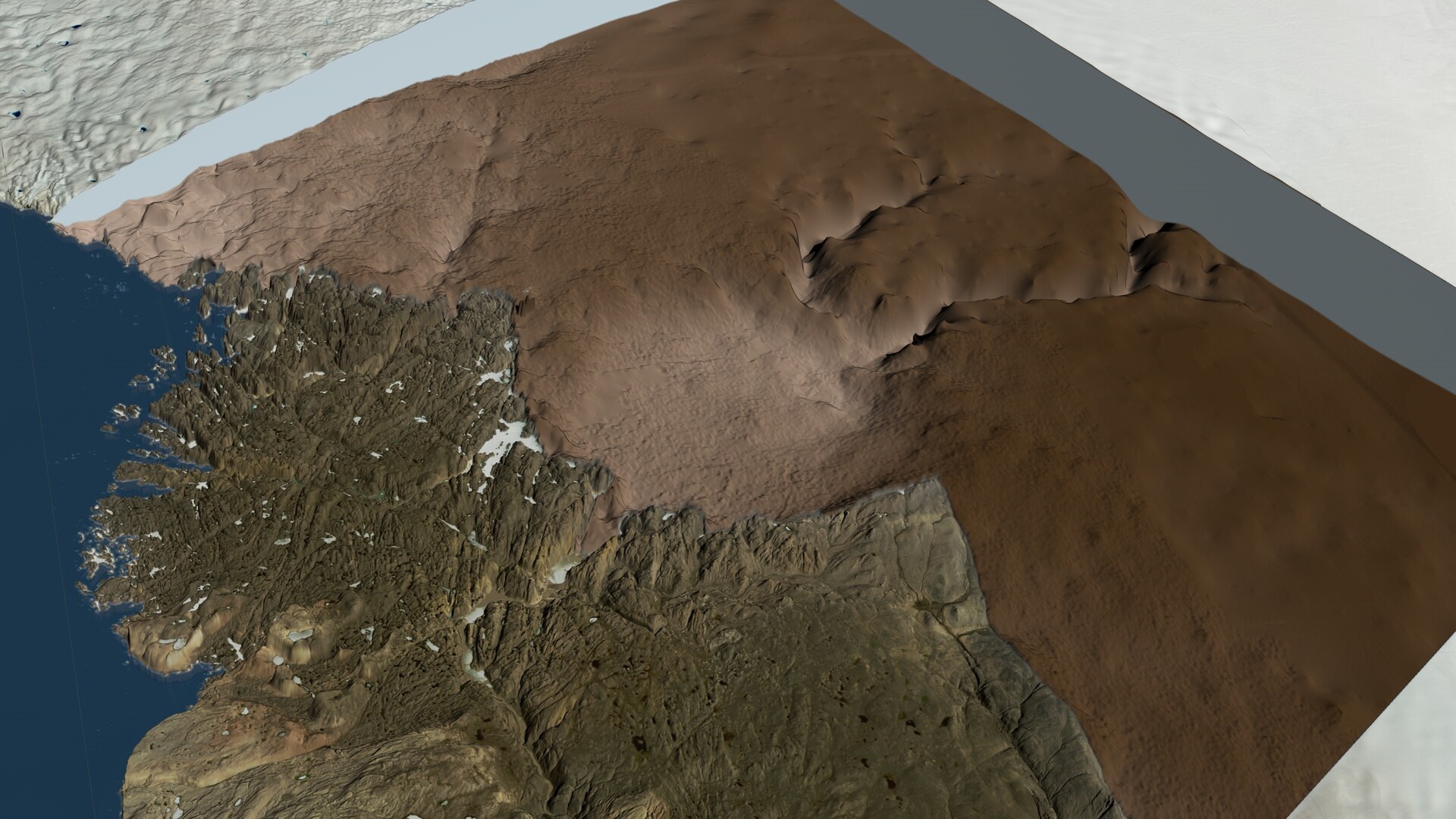
The crater is estimated to be 58 million years old. This period corresponds to the Paleogene epoch, specifically its initial phase. During this time, mammals were commencing significant growth, displacing large flightless birds from their predominant ecological roles. The asteroid impact did not have a discernible effect on the biosphere.
6. Mistastin
Mistastin is a crater measuring 28 km in diameter situated in eastern Canada. It bears similarities to Karakul, as it contains a lake at its center that measures 16 km in diameter and has a depth of 338 meters. This geological formation was created approximately 36 million years ago during the late Eocene epoch.
7. Kamensk crater
The Kamensk crater is situated in the rostov region of russia, in proximity to the city of Kamensk-Shakhtinsky. It possesses a diameter of 25 kilometers and is estimated to be 49 million years old. At the moment of impact, the energy released by the asteroid was still well beyond the levels of the most powerful nuclear detonations. Nevertheless, no evidence of its influence on the planet’s biosphere has been discovered.
8. Boltysh crater
One of the largest craters to form on Earth following the extinction of the dinosaurs is situated in Ukraine. It is a depression located near the village of Bovtyshka in the Kirovohrad Oblast.

The crater is enveloped by a substantial deposit of sedimentary rock; however, its characteristic features remain discernible. It measures 24 km in diameter, with its floor situated 600 meters beneath the adjacent terrain. At its core, there exists an elevation with a diameter of 6 km and a height reaching up to 550 meters.
The age of the Boltysh crater is estimated at 65.39 million years ago. This indicates that the asteroid responsible for its formation impacted Earth approximately a few hundred thousand years subsequent to the Chicxulub event. Consequently, at the time of this impact, the remaining dinosaurs may still have been inhabiting the Earth.
9. Haughton
The Haughton crater is situated on the expansive Arctic island of Devon, which is part of Canada. The crater measures 23 km in diameter, and the asteroid responsible for its formation was approximately 2 km across. The geological structure is estimated to be between 31 and 32 million years old. It was formed subsequent to the most significant mass extinction event of the Cenozoic Era, occurring during the predominantly dry and cool Oligocene period on Earth.

10. Almería
The smallest among the significant craters formed following the extinction of the dinosaurs is situated in the Spanish province of Almería. Nonetheless, ascertaining its precise dimensions presents considerable challenges. The crater itself has a diameter of merely 4 km; however, the ring structures encircling it extend between 20 and 22 km in diameter.
It is also quite possible that this is the youngest among all ten largest Cenozoic impact craters (assuming Karakul is indeed 25 million years old). It was formed at a time when hominid primates were already inhabiting the planet.
