

The U.S. military purchases satellite data from private companies, but uses it less than it could. The reason lies in a lack of information sharing within the department itself. Such procurements are coordinated by a separate interagency structure that not all units are aware of.
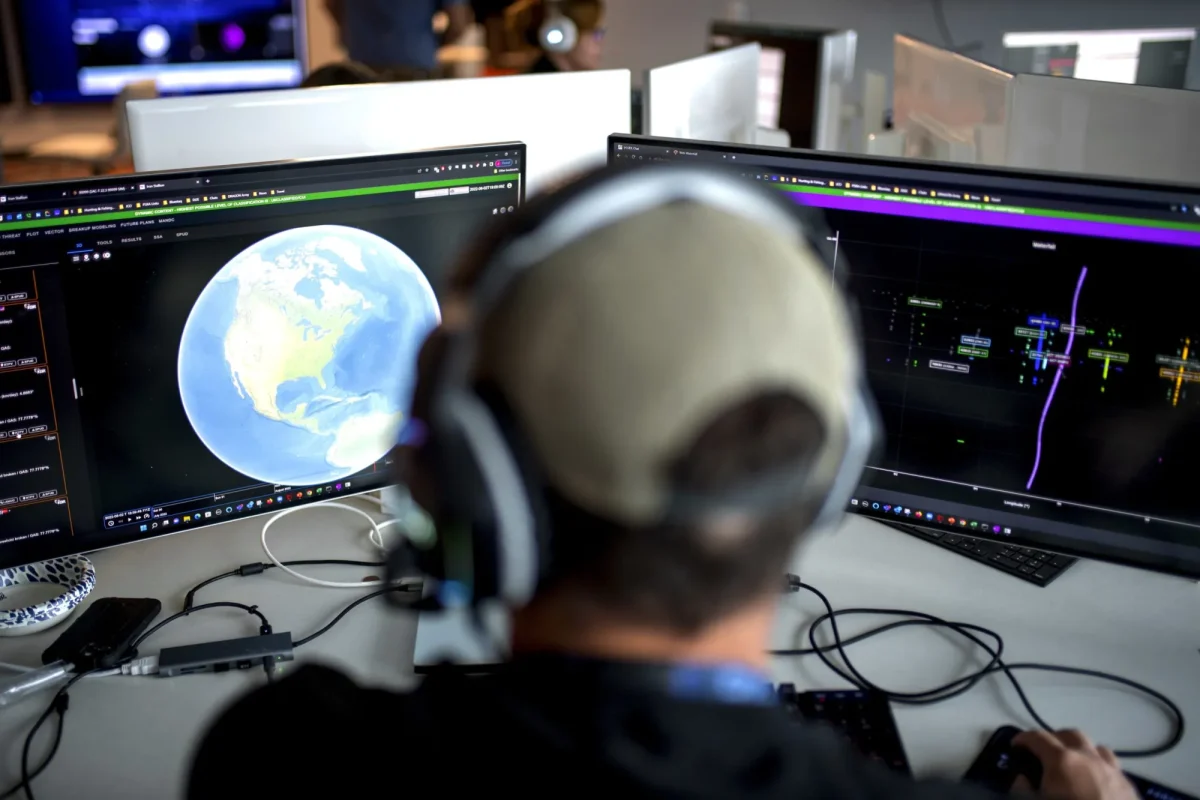
What Exactly Is Being Purchased
The U.S. private space sector has grown rapidly in recent years. Companies now provide the Pentagon with data and related services used for national security missions.
Within the Space Force, procurement is handled by the Joint Commercial Operations (JCO) cell. From January 2023 through September 2025, the unit spent $76.8 million through the Global Data Marketplace. The purchased products were used, among other things, for space domain awareness and tactical intelligence involving target tracking.
Imagery and analytical products were also ordered from private providers by the National Reconnaissance Office (NRO) and the National Geospatial-Intelligence Agency (NGA). A report by the U.S. Government Accountability Office (GAO) cites commercially purchased images of Chinese aircraft carriers as one example.
Another advantage of this information is that it is not classified. This makes it much easier to share with allies and partners than data from the military’s own spacecraft, Forbes reports.
Doubts Instead of Orders
Officers interviewed by auditors identified several obstacles. The most common concerns involved licensing costs and the belief that purchased information could not be used in the way the military needed.
There was also uncertainty over whether access to the datasets would remain available over the long term. Taken together, these factors made potential users within the department hesitant to place orders and work with the acquired data.
Coordination in the Shadows
Procurement by various federal agencies is coordinated by an informal interagency commercial data-sharing working group led by JCO. It was created in 2024, meets monthly, and its participants coordinate current and future contracts.
Auditors concluded that many of the obstacles cited by officers could have been addressed through these meetings. However, the military personnel themselves were not members of the group, and information about its activities was not widely publicized.
A Similar Ukrainian Experience
The model in which the state does not build its own spacecraft but instead purchases imagery from a commercial operator is also well known in Ukraine. In August 2022, a Ukrainian volunteer organization paid for a satellite from the Finnish company ICEYE together with access to imagery from its entire constellation. The money was raised within several days through a public fundraising campaign, and the resulting imagery was transferred to Ukrainian military intelligence.
In such a model, licensing terms and guarantees of access are no less important than the imaging technology itself. U.S. auditors identified the same dependency at the level of a major military department.
What They Recommend Changing
The review was initiated by the Senate Armed Services Committee. Senators had previously noted that the Department of Defense was lagging in its use of commercial space data. The audit’s recommendation is essentially limited to one point.
The Secretary of the Air Force should ensure that the Space Force informs current and potential users about the existence of the working group. It should also explain how to access and use datasets that have already been paid for by the government.
