

The Moon has an extremely weak magnetic field. However, the question of whether our satellite has always been this defenseless has long sparked heated debate among astrophysicists. Some scientists argued that billions of years ago the Moon had its own planetary dynamo, while others claimed that the evidence for this theory was insufficient.
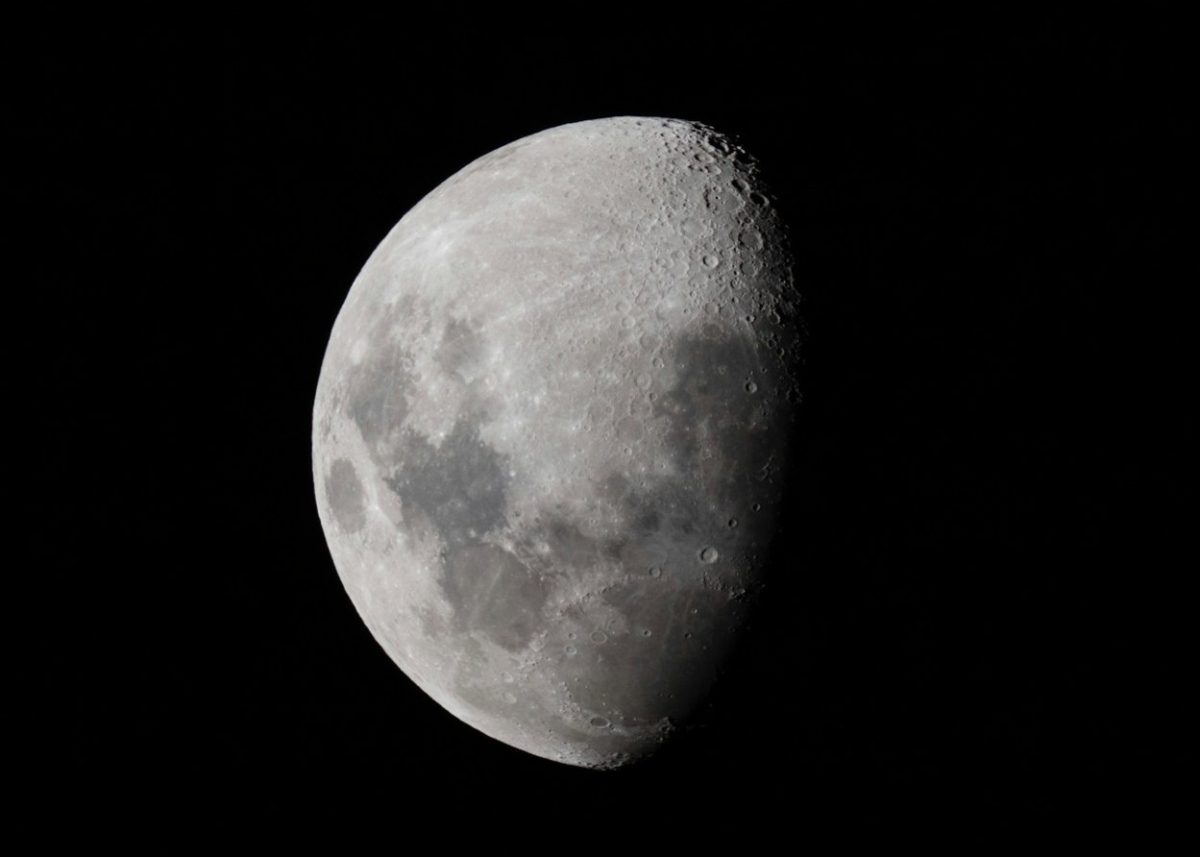
Fresh observations of the far side of our cosmic neighbor, published in the journal Science Advances, have helped bring an unexpected resolution to this debate.
The Coincidence of Three Anomalies in Dewar Crater
While analyzing archival lunar observations, scientists discovered a huge, strongly magnetized structure in the region of Dewar crater. The object, about 60 km wide, consists of solidified magma that rose from deep within the Moon approximately 4.2 billion years ago.
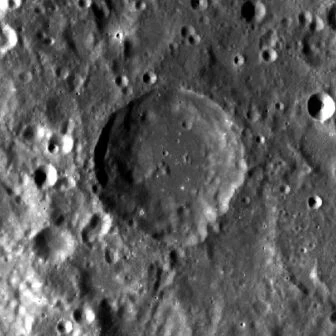
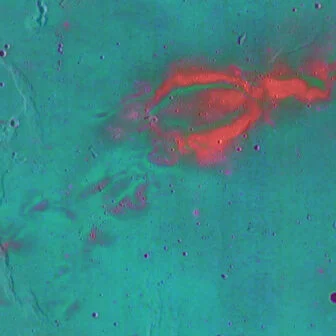
This area is also known for bright, swirling patterns on the surface. Researchers Xi Yang and Anna Mittelholz of ETH Zurich note that Dewar crater represents a unique case where a magnetic anomaly, a gravitational anomaly, and a characteristic surface pattern all coincide at the same location.
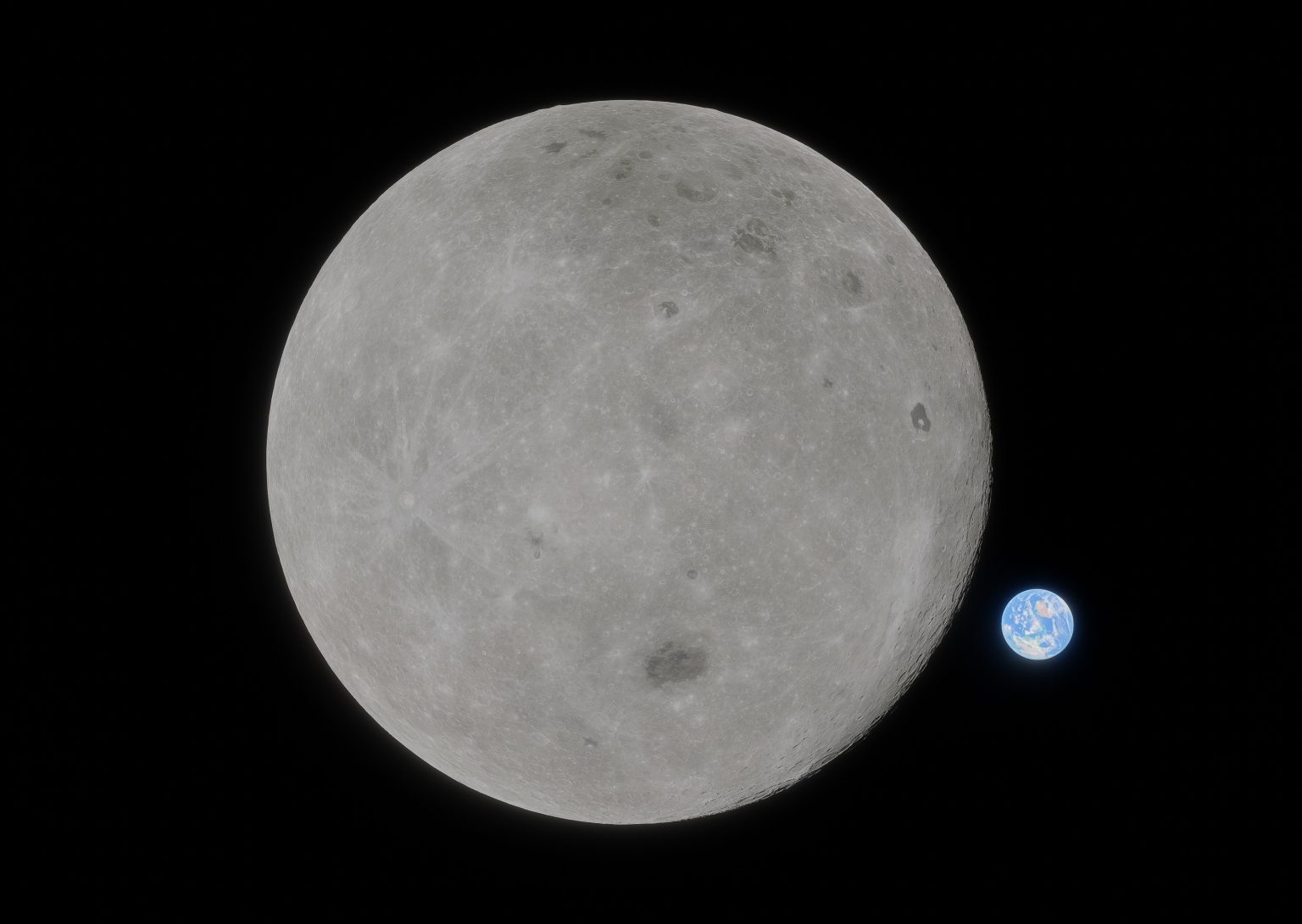
Using a combined mathematical model, the scientists calculated that the Moon’s early magnetic field would have needed to be about 11 μT to produce such a structure. For comparison, Earth’s present-day magnetic field is about 50 μT.
A New Approach Instead of Apollo Samples
The previous hypothesis of a lunar dynamo was based on rock samples brought back by astronauts from the Apollo missions, but later re-evaluations of these materials confused the scientific community because of conflicting results. The new method, which combines orbital gravity and magnetic data, made it possible to place precise constraints on the characteristics of the planetary dynamo without the need for landing and collecting soil samples. In addition, the location of Dewar crater completely rules out the possibility that the magnetic anomaly was temporarily produced by a powerful asteroid impact.
Understanding the Moon’s magnetic history provides an important example of how relatively small celestial bodies can maintain — or lose — their own dynamos. And although the discovery does not eliminate absolutely all discrepancies with the Apollo sample data, the scientific debate is now shifting from the question “Did a magnetic field exist?” to “How exactly did it work?”
Earlier, we reported on how the Moon’s magnetic field may once have been stronger than Earth’s.
Based on materials from Phys
