

NASA engineers and Katalyst Space Technologies have successfully stabilized the LINK rescue spacecraft. The spacecraft suffered a serious malfunction during its mission to save the Swift orbital observatory. After two of its three gyroscopes failed, the spacecraft lost attitude control and began tumbling uncontrollably. However, an emergency software update resolved the problem, preserving the chances of rescuing the unique scientific telescope.
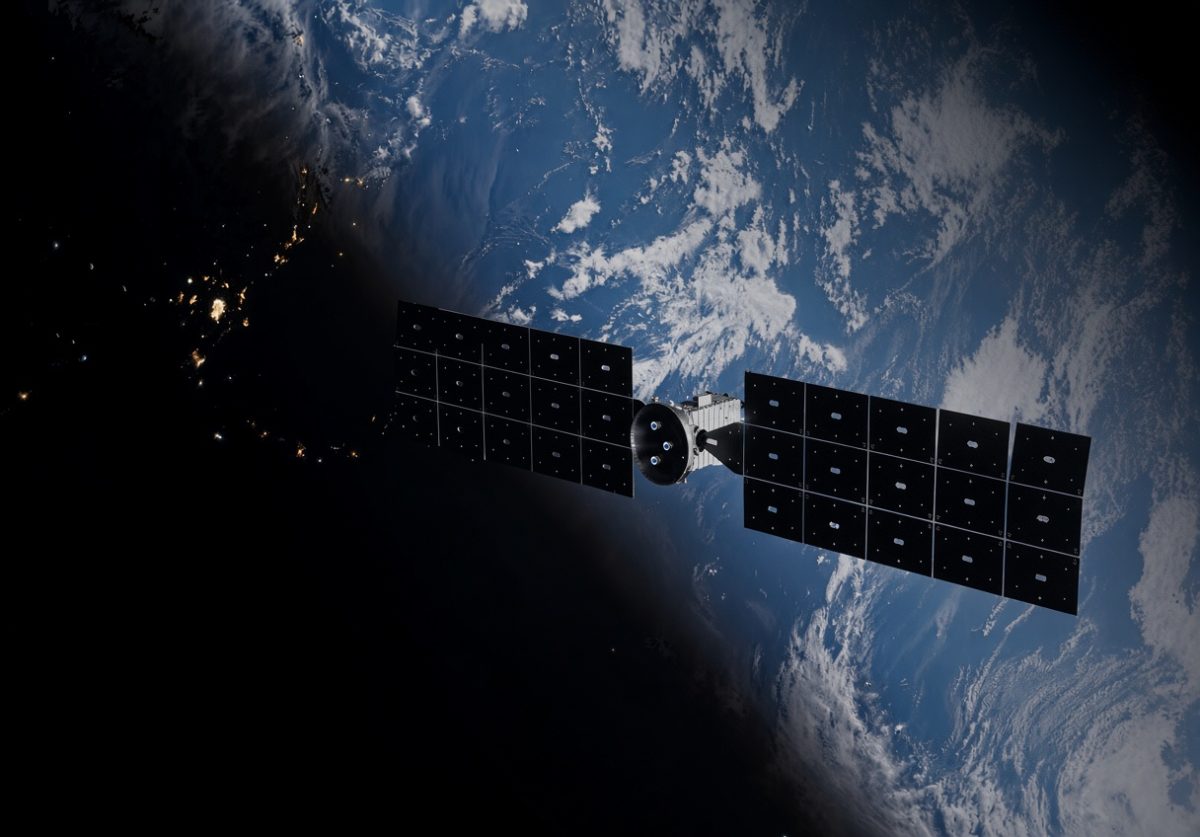
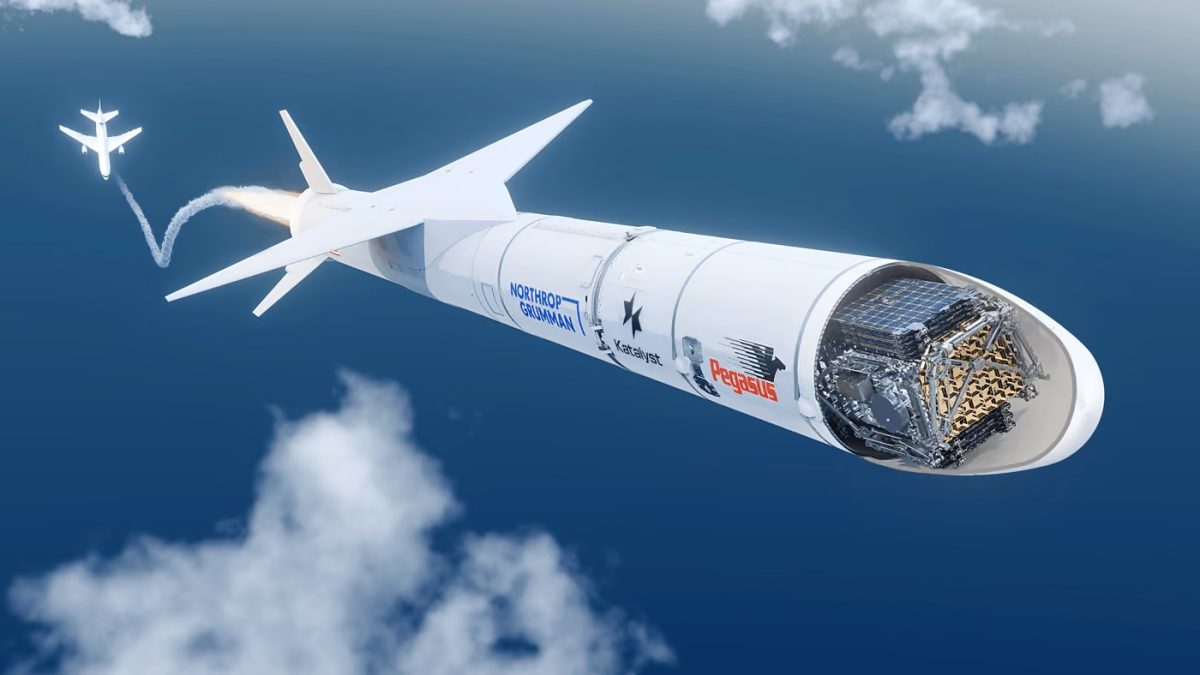
The LINK rescue spacecraft was launched into space on July 3 from Kwajalein Atoll in the South Pacific. It was launched aboard a Northrop Grumman Pegasus XL rocket dropped from a modified Lockheed L-1011 carrier aircraft at an altitude of 12.2 km. The mission’s primary objective is to rendezvous with the Swift observatory, capture it, and transfer it to a safer, higher orbit.
The initial stage of the flight proceeded normally, but a critical failure soon occurred aboard LINK: two of its three gyroscopes stopped working. These components are responsible for attitude control and stabilization of the spacecraft’s angular momentum. As a result, LINK began spinning uncontrollably in space, causing repeated interruptions in radio communications with ground stations and putting the entire mission at risk.
Engineering Race Against Time
Katalyst Space specialists developed an unconventional plan to rescue the “rescuer” itself. In the first stage, engineers used LINK’s plasma thrusters, directing their nozzles opposite to the spacecraft’s rotation, which gradually reduced its angular velocity.
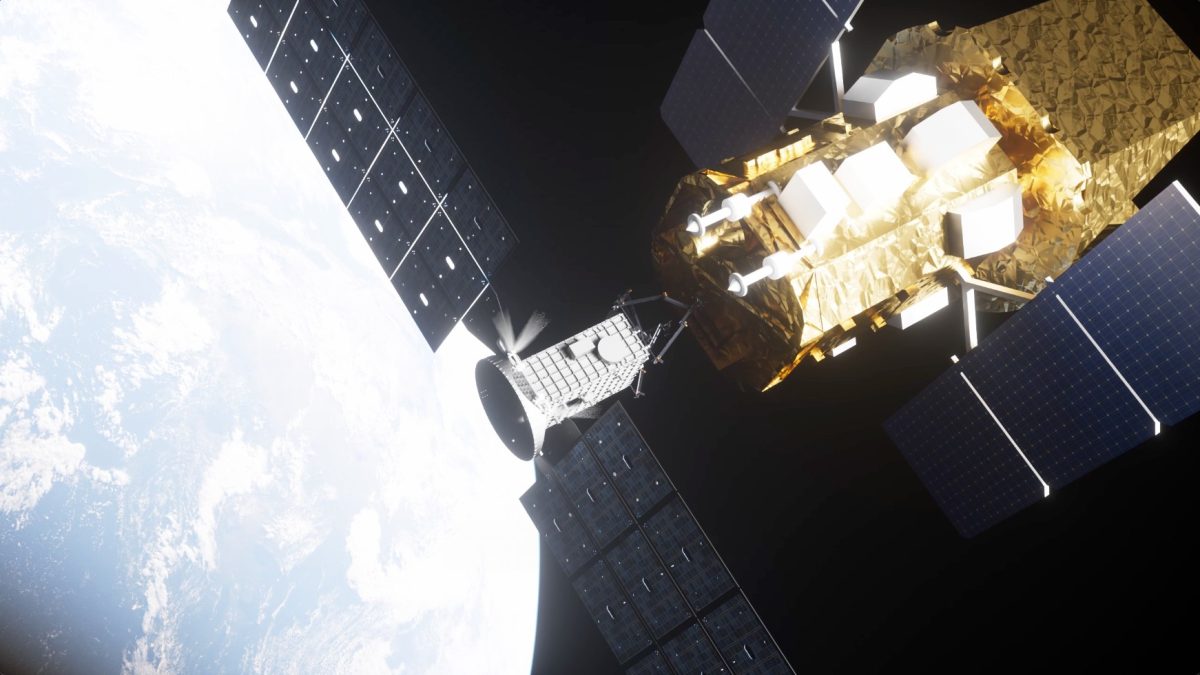
Once the spacecraft had stabilized, specialists were able to upload new flight software. It contains modified attitude-control algorithms designed to maintain LINK’s stability using the actuators and thrusters that remain operational. According to NASA, the spacecraft has regained controllability and is preparing for a series of maneuvers to align its orbit with Swift’s.
Fighting to Save the Swift Telescope
Meanwhile, the Swift mission team is doing everything possible to slow the space telescope’s orbital decay. The observatory was launched into low Earth orbit on November 20, 2004, to study the most powerful explosions in the Universe — gamma-ray bursts. After more than two decades of scientific service, the telescope has exhausted its fuel reserves and is gradually losing altitude due to drag from the upper atmosphere.
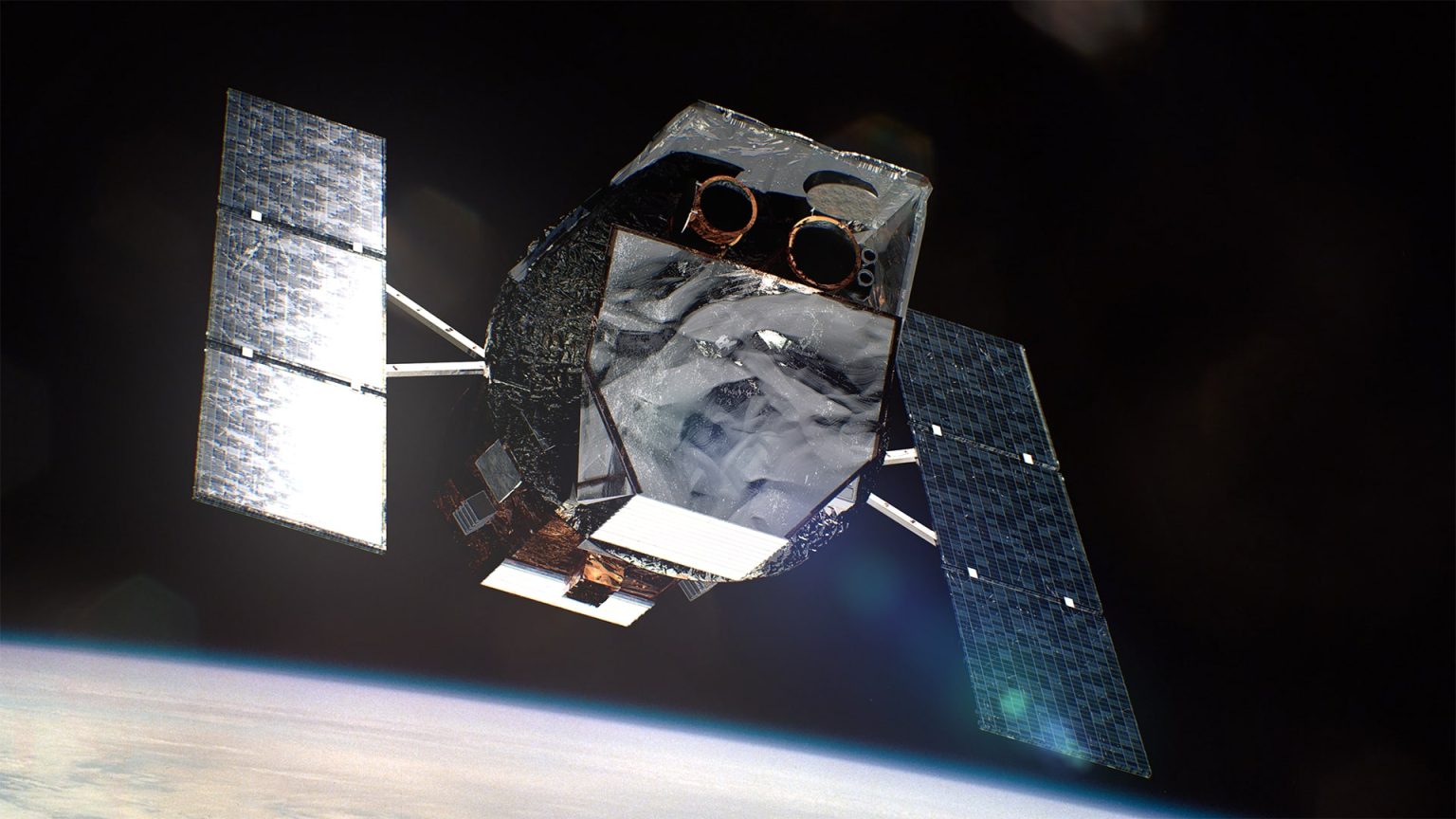
Due to the accelerated orbital decay, NASA put Swift into a special operating mode in early 2026 to slow its descent as much as possible and reduce the likelihood of Swift‘s uncontrolled descent from orbit. To preserve the spacecraft, NASA suspended most science operations in February: the telescope was no longer returned to its normal observation targets, and its orientation was optimized to reduce atmospheric drag. This was to keep Swift above about 300 km and allow time for the LINK spacecraft to arrive and capture it.
Swift is currently at an altitude of about 347 km. Engineers aim to complete the docking and orbit-raising maneuver before the observatory drops below 300 km, where increasing atmospheric drag would significantly complicate any maneuvers.
Earlier, we reported on how the MAVEN spacecraft survived a malfunction in its attitude-control system.
According to NASA.
