

The term “Drone” has gained immense popularity in 2026. However, sophisticated machinery capable of traversing extensive distances under human control and executing specific tasks was first developed decades prior. The reality is that, throughout this period, such technology has been predominantly utilized in environments unfamiliar to the general public — namely, space.
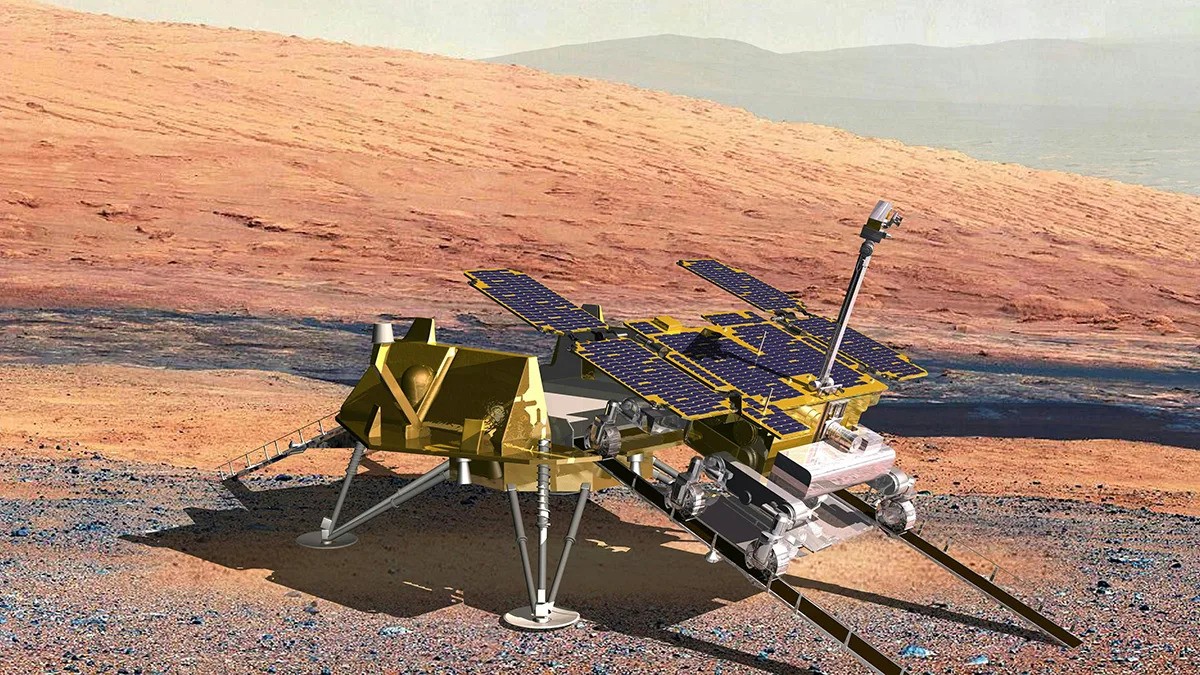
The origins and development of drones
The conflict between Ukraine and Russia has profoundly transformed the lives of individuals worldwide by familiarizing them with the concept of drones. This term encompasses various categories of machines: aerial vehicles, terrestrial vehicles, and maritime vessels. All these devices share a common characteristic: their capability to navigate through space in response to remote human commands, to operate autonomously for specific tasks, and to perform other functions aligned with their designated purposes.
Certainly, during wartime, the secondary objective is to identify, monitor, and guarantee the neutralization of the adversary by various means, or to facilitate the transportation of cargo that bolsters military activities. Nevertheless, the comparatively low expense and adaptability of drone technology render their civilian applications essentially boundless.
Indeed, contemporary military drones represent, in many respects, an evolution of civilian unmanned systems that predated them while operating largely in obscurity. Nevertheless, there exists a domain where they have been employed for an extended period.
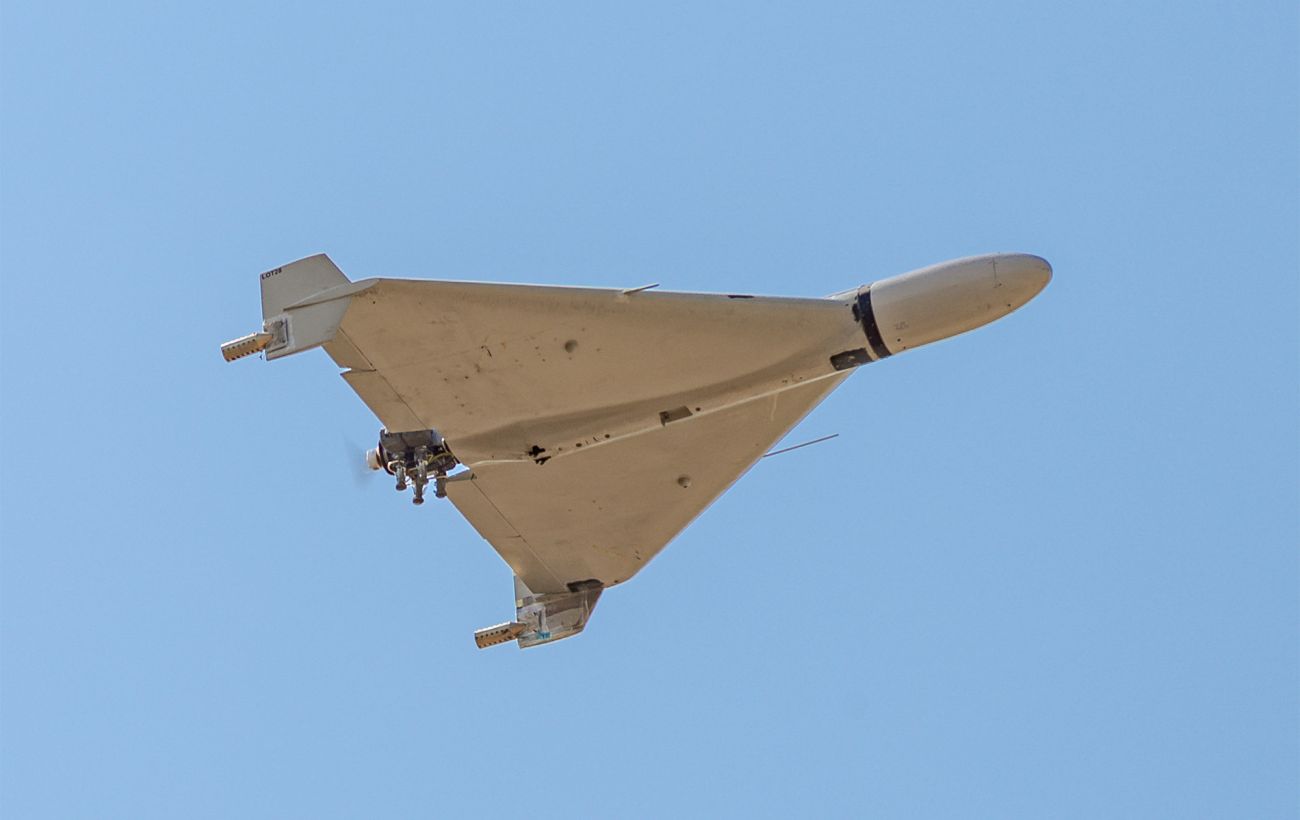
This location is situated in outer space. Although it may be difficult to believe, remotely operated wheeled platforms capable of transmitting images to an operator and executing specific functions commenced operations on the Moon over fifty years ago.
Simultaneously, the utilization of these specific types of machinery unexpectedly caught the attention of many individuals. It is noteworthy that in science fiction, space exploration had been depicted as a commonplace activity since the 19th century. Nevertheless, the courageous crews of spacecraft persisted in navigating their vessels — virtually as if employing steering wheels — until the publication of books in the late 1950s, by which time actual space missions had already commenced.
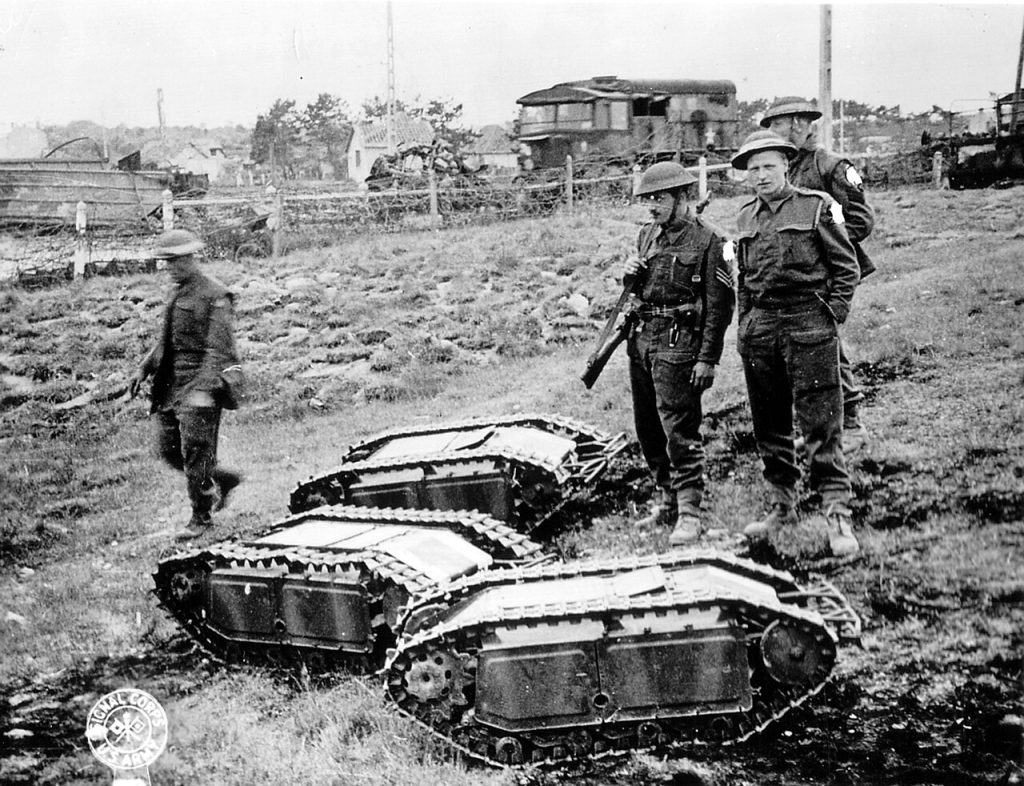
Similarly, robots have been depicted in literature since the 1920s; however, they were specifically characterized as iron men. A wire-controlled, tracked device actually appeared in reality in the 1940s, preceding its depiction in science fiction. Incidentally, this device was a self-propelled mine.
The concept presently referred to as a drone originated in the minds of individuals envisioning space exploration following the emergence of cybernetics as a scientific discipline in the 1940s. The motivation for the practical application of this concept was driven by the recognition of the significant challenges involved in sending a human to another planet — or even to the Moon.
Lunokhod. Soviet lunar rovers
The initial unmanned aerial vehicles in space exploration were developed by the Soviet Union. Although this assertion may appear unexpected now, given the well-documented decline of Soviet computing technology in comparison to that of the United States, it is important to acknowledge that during the 1960s, this disparity had not yet become significantly evident.
Simultaneously, Soviet engineers were motivated to vigorously develop unmanned space systems, recognizing that they were trailing behind the Americans in manned lunar missions even prior to the H-1 rocket accidents and the triumph of Apollo 11.
This is the rationale behind the initiation of the “Lunokhod” program in 1966. The program entailed the development of a rover weighing 756 kilograms, mounted on an eight-wheeled chassis, and powered by electric motors. The rover was equipped with a solar panel that, upon landing on the Moon, unfolded similarly to the lid of a thermos. In general, the rover’s appearance was akin to a pot situated on a cart measuring 4.42 meters in length and 1.92 meters in height.
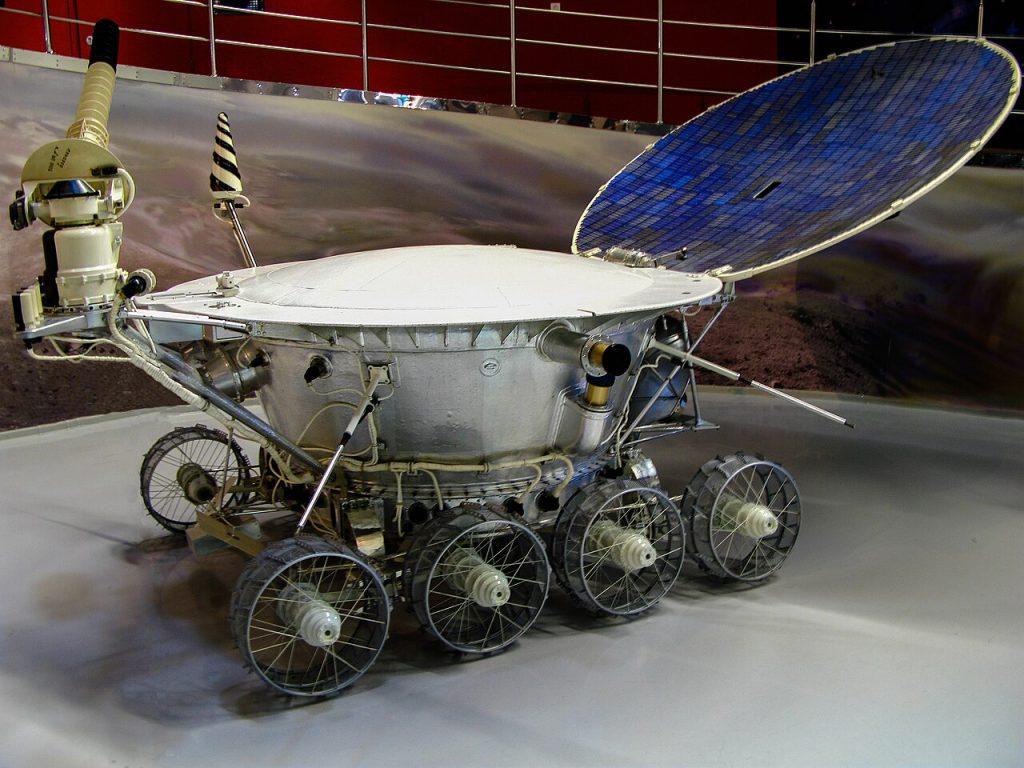
Control was conducted using television cameras, and it was specifically during the “Lunokhod” program that drone operators received their initial training, which took place at ground-based testing facilities. It was at this location that the designers first identified a noteworthy aspect: the strategic placement of the cameras at the level of the central part of the hull (at a height of 950 mm in the case of the first “Lunokhods”) provides the operator with a visual perspective comparable to that of a cockroach.
This feature is also considered in contemporary ground-based robotic systems, where it is mounted above the hull, thereby significantly enhancing visibility despite concerns regarding its vulnerability. Nevertheless, in the initial Soviet space drones, there was insufficient time to resolve this issue.
The initial mission was intended to launch towards the Moon in February 1969 — in advance of the Apollo 11 mission. Through this approach, the USSR endeavored to secure at least a partial victory over its competitor. However, a launch vehicle accident terminated these aspirations. As a result, the first space drone successfully arrived at the Moon as part of the Luna 17 mission on November 17, 1970.
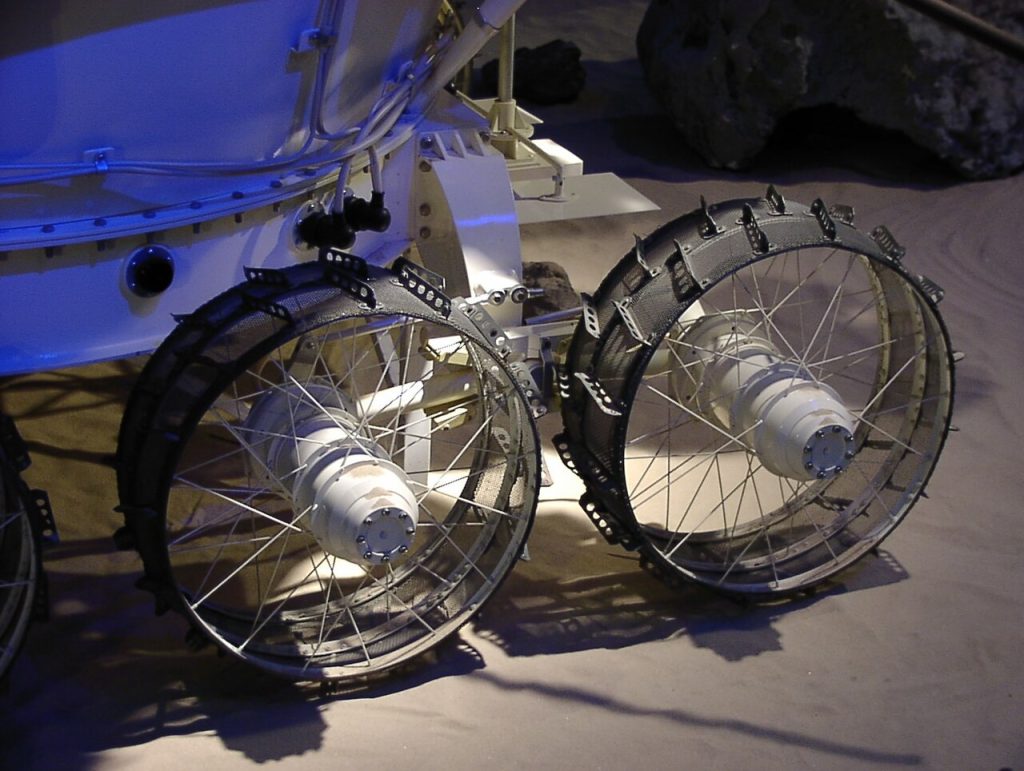
It was not equipped with numerous scientific instruments, and management proved challenging due to the suboptimal placement of cameras and signal delay; however, it achieved a significant milestone in its own right. Unlike the American astronauts, who remained on the surface for only a few days, “Lunokhod 1” endured for nearly a year, until September 14, 1971, and traversed a distance of 10.5 kilometers within that period.
Following the initial Soviet drone, on January 16, 1973, the slightly enhanced “Lunokhod 2″ successfully arrived on the Moon alongside “Luna 21.” It operated on the lunar surface for a duration of merely four months; however, during this period, it accomplished a travel distance of 42 km and transmitted 86 panoramic images along with over 80,000 individual photographs to Earth.
The adventures of American robots on Mars
The successes of the “Lunokhods” demonstrated that the future resides in the “it travels across the planet’s surface and explores” paradigm. However, direct control was not appropriate for space drones. The fundamental principles of our universe impede this approach. Each command transmitted from Earth to the “Lunokhod” required approximately 1.3 second to reach its destination, and an additional second was necessary for the response image reflecting the robot’s reaction to be received.
It is evident that an increased level of automation was necessary to enable the robot to receive a general command and independently control individual components and assemblies. This requirement was particularly critical for Mars, considering that signals take up to 22 minutes to travel one way. The United States was the only entity to accomplish this feat, and it did so only a quarter of a century after the “Lunokhod 2” mission.
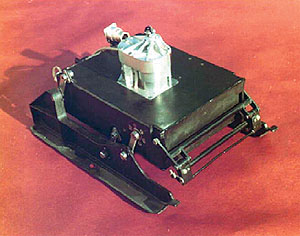
Interestingly, Soviet engineers had already attempted to send a rover to the Red Planet as part of the 1971–74 missions. The PrOP-M drones featured an original design with two skis instead of wheels, which it alternated as it moved across the surface. The design may seem unconventional, but it is rational when high speed is not necessary, and there is uncertainty regarding the terrain’s nature and whether traversing it is feasible.
However, none of the PrOP-M landers ever arrived on Mars, and their actual capabilities remain uncertain. Three of the four landers were lost during the landing process, and an additional one ceased communication shortly thereafter.
In the 1990s, NASA opted not to pursue experimentation with walking robots but instead chose a wheeled design akin to that of the “Lunokhod 1,” albeit at an advanced technical level. The Sojourner rover measured merely 65 × 48 × 30 centimeters — comparable in size to a shoebox. Nevertheless, it was equipped with two cameras and an X-ray spectrometer, enabling it to assess the chemical composition of its environment.
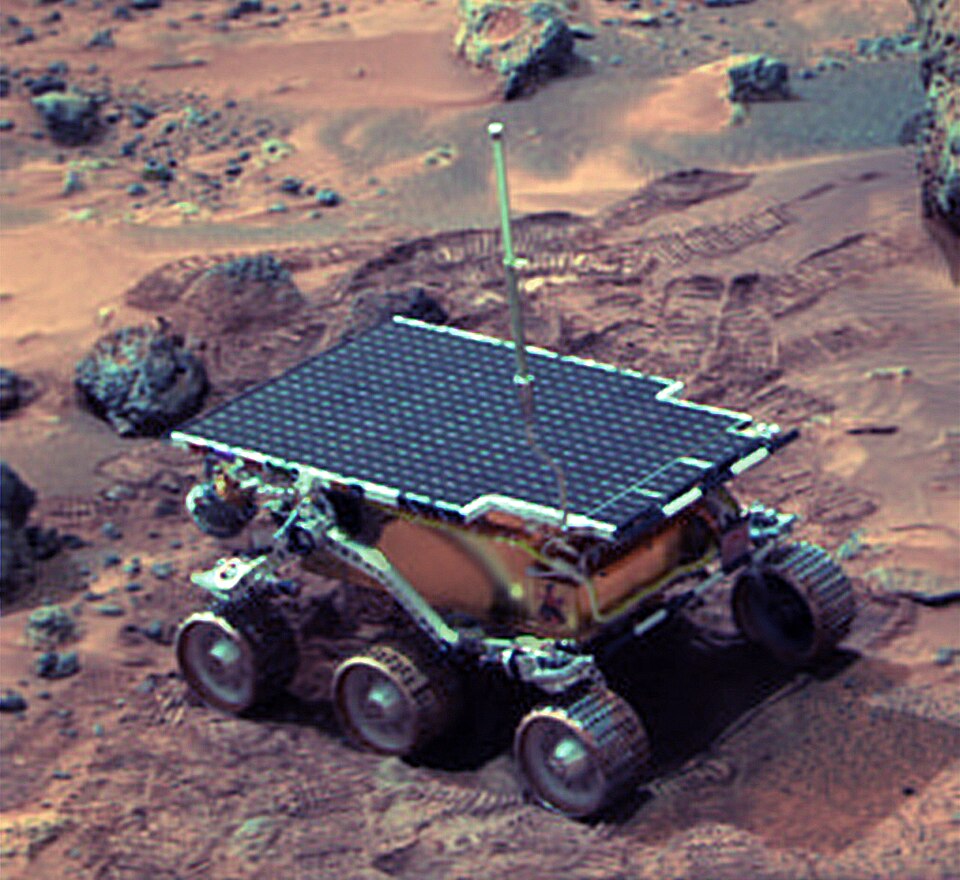
Sojourner arrived on Mars as part of the Mars Pathfinder mission on July 4, 1997, and operated on the surface for just over 80 days. It traveled approximately 100 meters; however, it was capable of transmitting not only images but also data regarding the characteristics of the rocks and dust in its vicinity. Notably, this operation did not involve specially trained operators; commands were merely sent to the rover, which was equipped with an onboard control system based on an Intel 80C85 processor, and it executed these commands.
The Sojourner mission was a success; however, it merely confirmed the viability of the concept of space drones. It was subsequently succeeded by a mission featuring fully operational exploration rovers. These were Spirit and Opportunity, which landed on the planet sequentially in January 2004. Each of these rovers, weighing 185 kg like the preceding lunar rover, was equipped with six wheels. Notably, each wheel was mounted on an independent, movable suspension, thereby providing significantly enhanced mobility compared to any previous spacecraft.
Spirit and Opportunity initiated a prolonged period of American leadership on Mars. The former operated until March 22, 2010, covering a distance of 7.73 km, while the latter remained operational until June 10, 2018, traversing 45 km across the Martian terrain. Throughout this extensive timeframe, they transmitted an immense volume of photographic data, which compelled NASA to enlist the assistance of volunteers in analyzing these images.
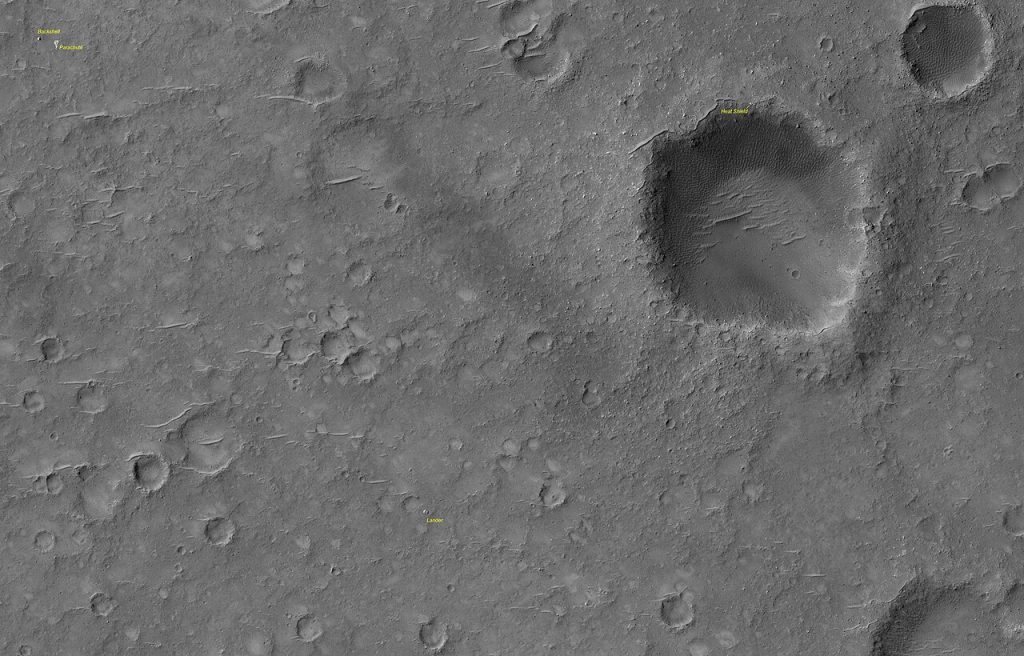
These two rovers were also the first space drones to feature a camera mounted on a specially designed arm that could rotate freely. Consequently, they not only became the pioneering space robots capable of capturing selfies, but also possessed a field of view that closely resembled that of a human standing on the Martian surface. Furthermore, Spirit and Opportunity were the first space rovers equipped with a drill to investigate what lies beneath the surface of Mars.
Nevertheless, by the time Opportunity ultimately concluded its operations in the 15th year of its mission, the successor rover — Curiosity — had been functioning on Mars for quite some time. This 899-kg wheeled robotic vehicle, marginally heavier than the Lunokhod, landed in close proximity to Gale Crater in 2012.
In terms of design, Curiosity bore a strong resemblance to an enlarged iteration of its predecessors: featuring the same six-wheeled platform, with each wheel equipped with independent suspension. Nevertheless, it was now a fully operational mobile laboratory capable of autonomous exploration of Mars, as well as receiving commands from Earth and transmitting the outcomes of its experiments. In total, ten distinct instruments are installed onboard.
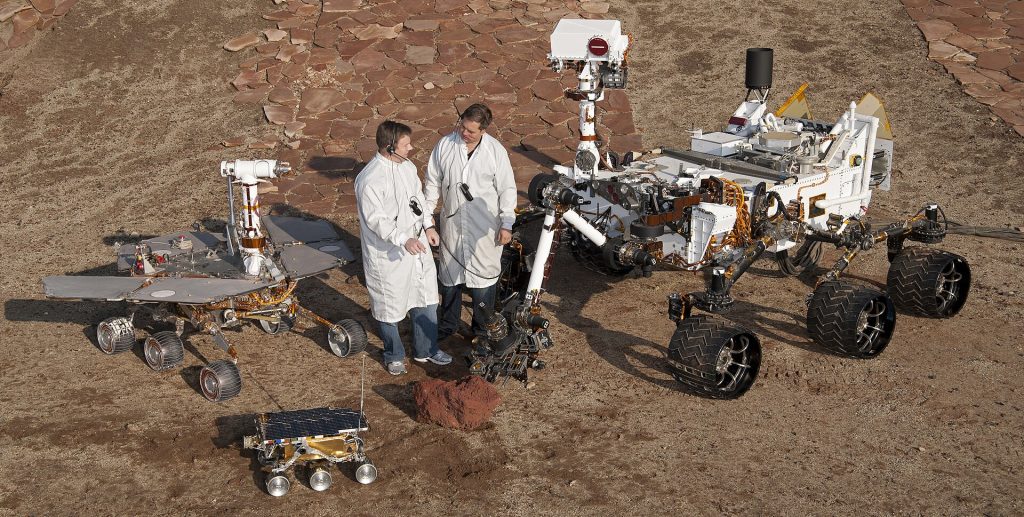
Similar to its predecessors, the Curiosity rover transmits numerous images to Earth. However, this time, its cameras are not merely mounted on the vehicle’s body; they are attached to a robotic arm, which permits detailed examination of a diverse range of objects. This three-segment manipulator is equipped with a drill and a spectrometer, facilitating the investigation of the composition of surrounding rocks.
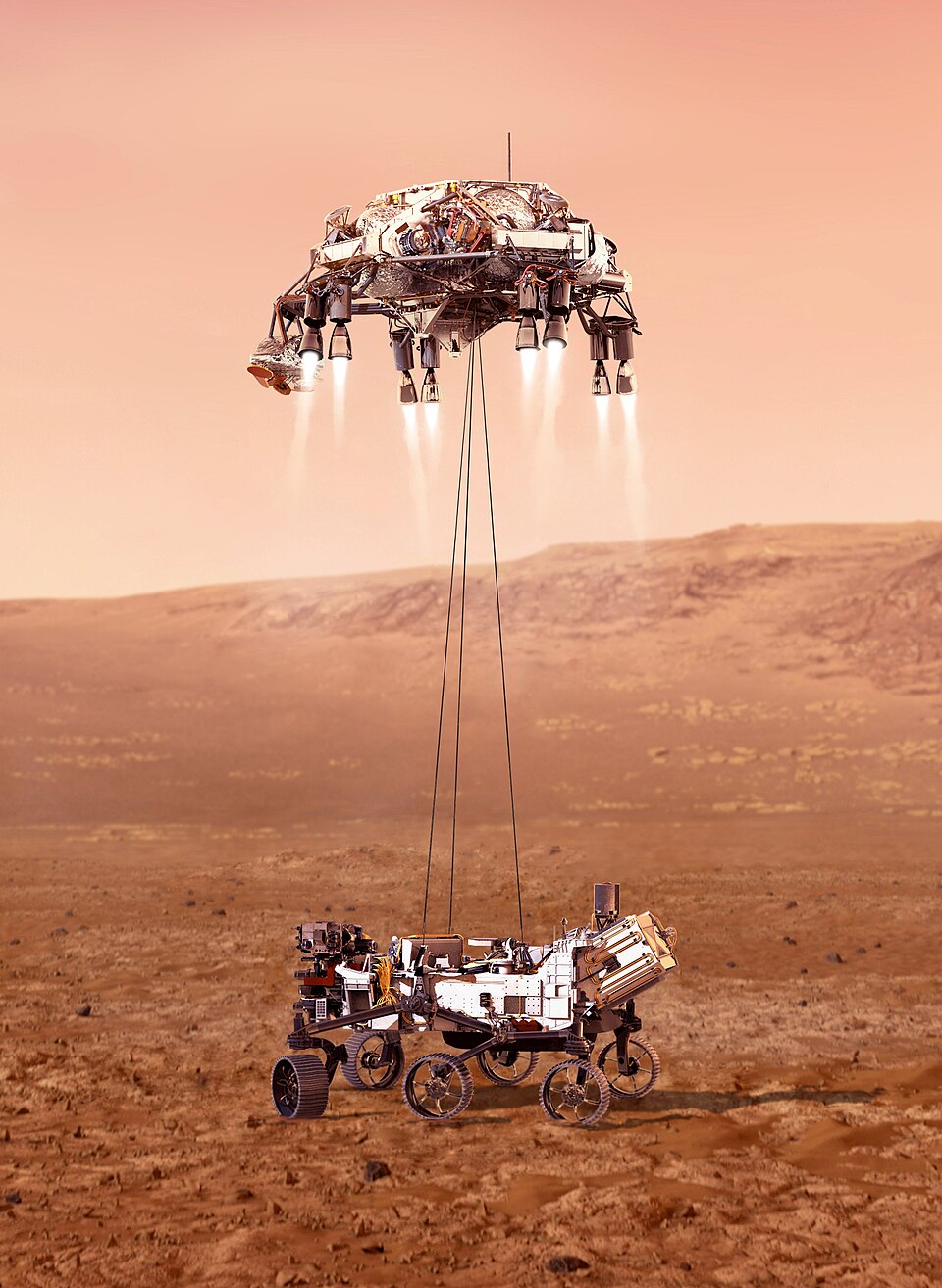
In 2021, another American space drone, designated Perseverance, successfully landed on Mars. At first glance, it resembles a larger iteration of the Spirit and Opportunity rovers. Nonetheless, it is fundamentally part of a program dedicated to retrieving soil samples from the Red Planet and returning them to Earth for the first time.
Perseverance’s landing in Jezero Crater was not incidental. It is now established that a substantial volume of water once persisted in that location for an extended duration, thereby maintaining the likelihood that remnants of life may still be detectable there.
Japanese jumping robots
In the 21st century, it was not solely the United States that dispatched drones into space. The Japanese adopted a markedly different approach, one that bore many similarities to the Soviet PrOP-M. This approach was associated with the distinctive “Hayabusa” and “Hayabusa2” missions, which were dedicated to the study of asteroids.
These missions are renowned for being the initial endeavors to recover samples from small celestial bodies within the Solar System and return them to Earth. Concurrently, during their flybys of the asteroids Itokawa and Ryugu, efforts were undertaken to deploy MINERVA-type robots onto these bodies.
The design concept of the robot originates from the nature of its mission. The gravitational force exerted by the asteroid is exceedingly faint. Consequently, it is unfeasible to traverse its surface using conventional tracks or wheels. Instead, MINERVA — whose weight is merely 591 grams — was required to propel itself off the surface utilizing its underside. The momentum sufficient to merely lift it off a table on Earth would produce small hops on Itokawa.
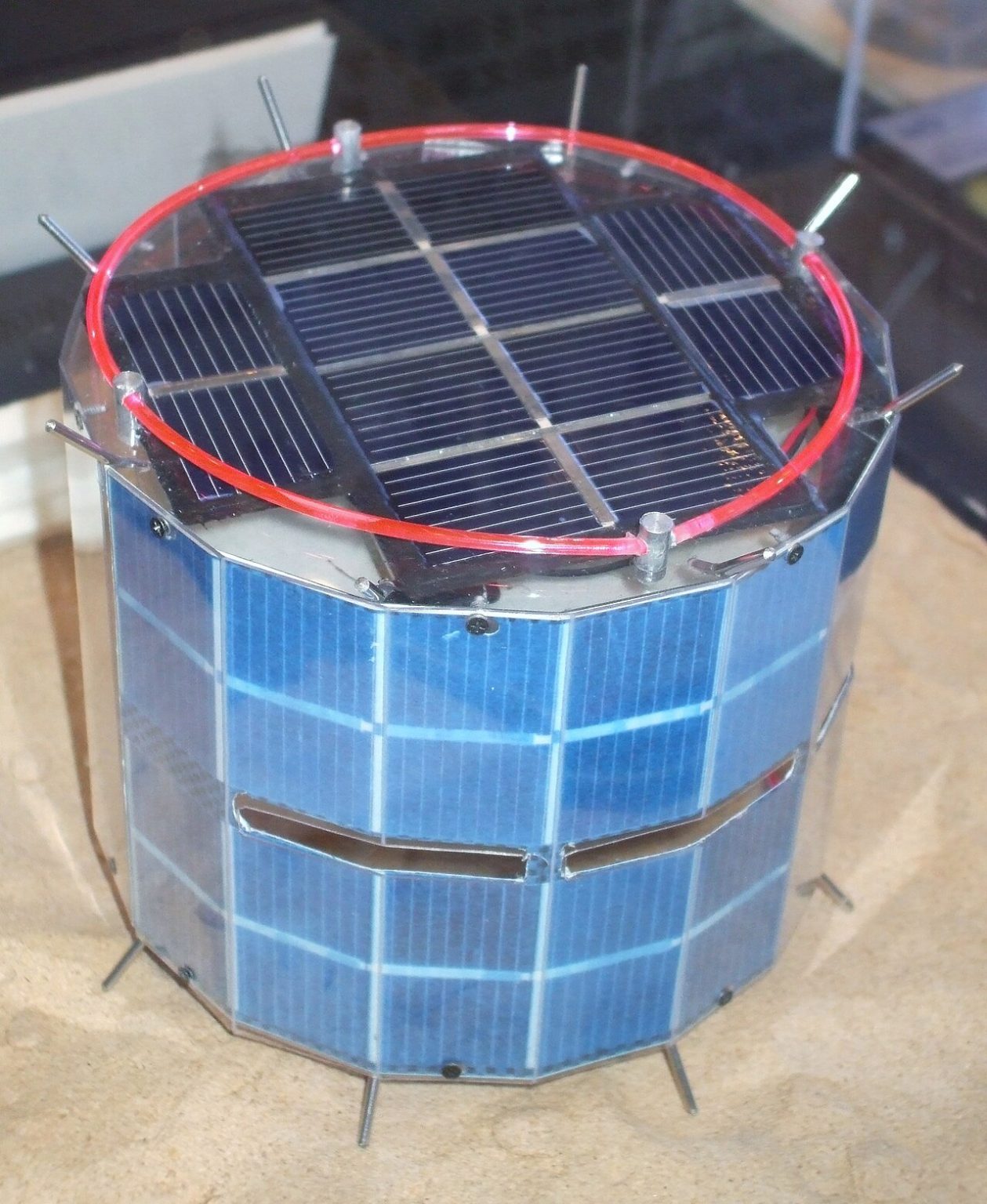
Regrettably, MINERVA, which was onboard the initial Hayabusa spacecraft, recoiled from the asteroid’s surface and returned to space. Nevertheless, two of its replicas, deployed aboard the subsequent spacecraft, successfully landed on Ryugu’s surface in 2018 and managed to transmit an image from the surface.
Chinese robots on the Moon and Mars
While the United States maintained unchallenged leadership in the development of space drones for two decades, an unforeseen competitor emerged. At the dawn of the 21st century, the Chinese space program advanced remarkably, culminating in the 2013 revelation that the Chang’e-3 spacecraft, which had successfully landed on the Moon, carried the Yutu rover onboard.
Named after the legendary moon rabbit “Yutu,” it had a mass of 140 kg and bore a close resemblance to Sojourner. The primary distinctions were that it not only carried cameras but also spectrometers and, most notably, a ground-penetrating radar.
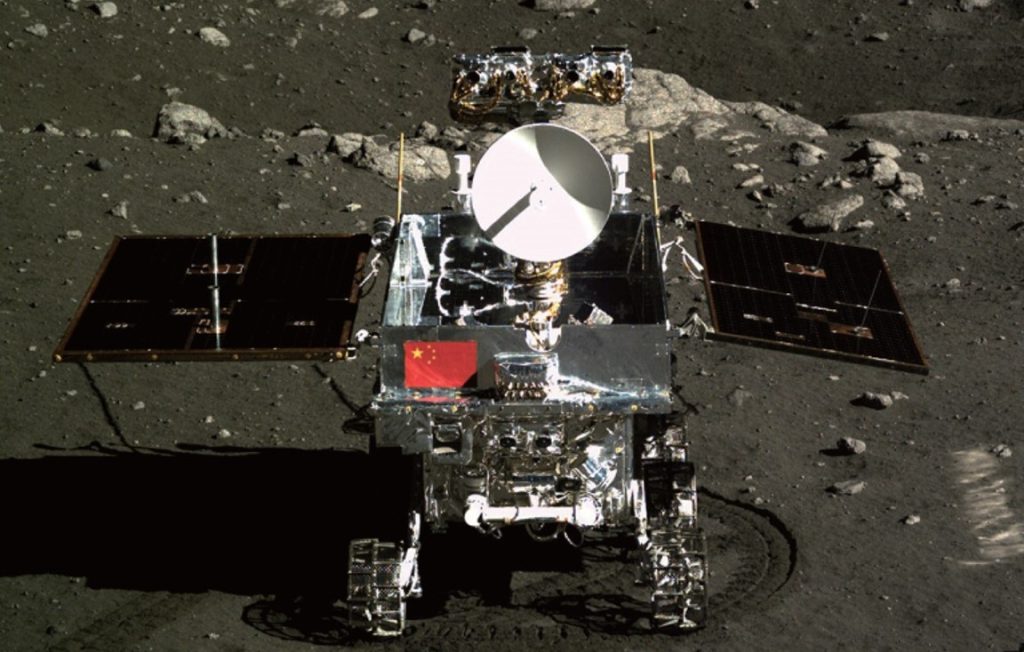
In 2019, the Chang’e-3 lander, which transported the Yutu-2 rover, successfully executed a landing on the lunar surface. Notably, it did not land randomly; rather, it touched down on the far side of the Moon — the hemisphere obscured from Earth’s view — thus operating in a region previously unexplored by humans. Consequently, the images and data obtained by the rover are of unique scientific value. In total, the rover traversed a distance of 1,613 meters across the lunar surface.
In 2021, China successfully deployed its rover — Zhuzhong — on Mars, accomplishing this feat nearly concurrently with NASA’s Perseverance mission. Although, in terms of specifications, it could not rival NASA’s advanced spacecraft and was more akin to the Spirit and Opportunity rovers, the underlying fact remains: five years prior, China initiated direct competition with the United States on Mars.
What’s next?
Furthermore, China was not the sole nation to commence launching drones into space. In 2023, India achieved the successful landing of the “Chandrayaan-3” module on the Moon. It transported the “Pragyan” lunar rover, which promptly traversed the lunar surface to execute its scientific objectives.
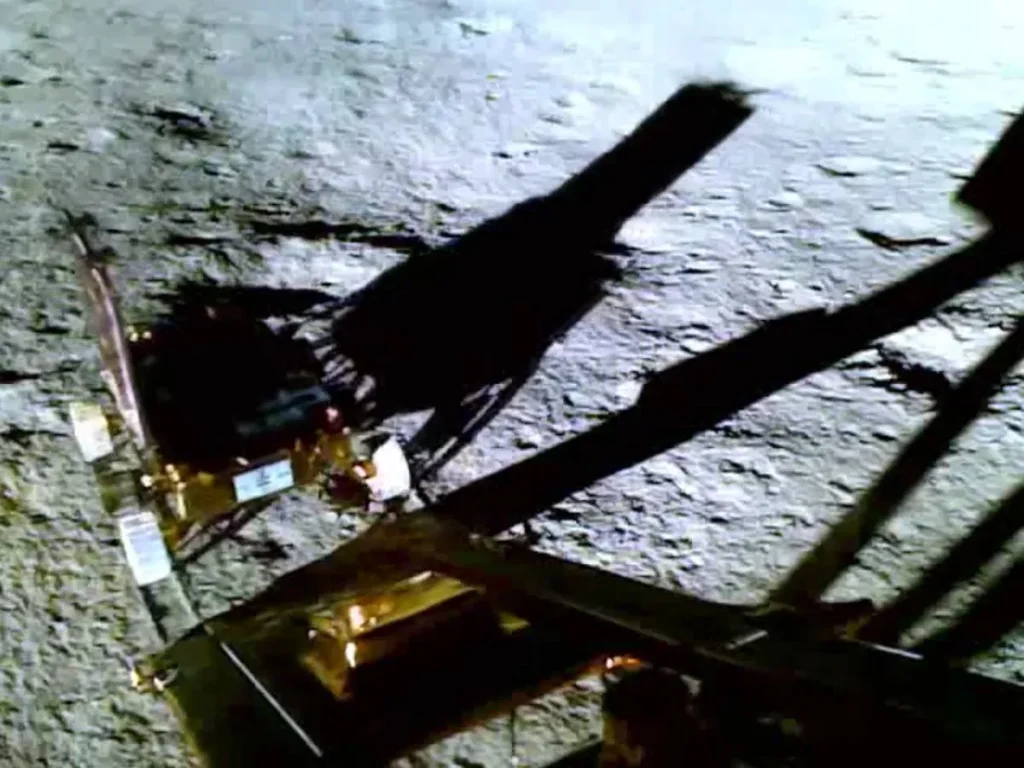
It is unsurprising that this development has become feasible primarily due to the very progression that has brought us to discuss the era of drones on Earth: the advancement of robotic systems is progressing towards increased affordability. These systems are becoming more accessible even to developers who lack substantial financial resources or extensive experience.
Furthermore, in the realm of space exploration, this process commenced even prior to its initiation on Earth. India endeavored to deploy the initial iteration of “Pragyan” on the Moon in 2019; however, the mission was unsuccessful. Additionally, the European Space Agency has been conducting extensive testing of numerous rover prototypes at its terrestrial test facilities for several years.
It is highly probable that other nations will imminently commence large-scale construction of space drones. It is entirely plausible that the current period marks the inception of the true era of space exploration and drone deployment in space.
