
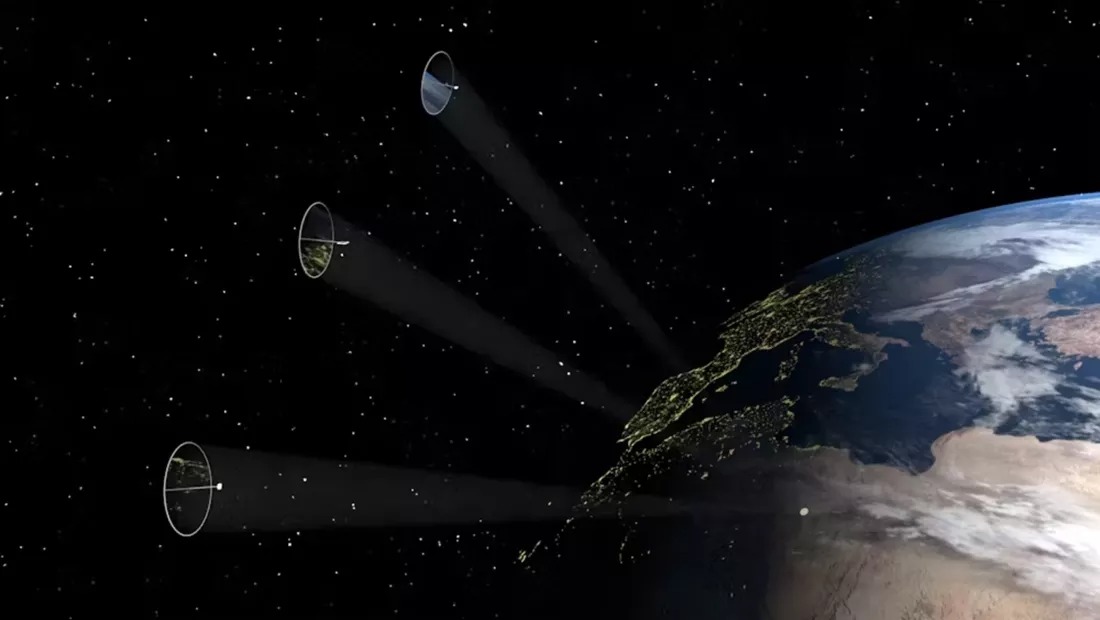
In July, the U.S. Federal Communications Commission (FCC) approved an experimental satellite developed by the startup Reflect Orbital. The spacecraft, called Earendil-1, is designed to reflect sunlight onto selected areas of Earth at night. The company plans to sell this illumination to solar power plants so they can continue operating after sunset, as well as to emergency services that require lighting during critical situations.
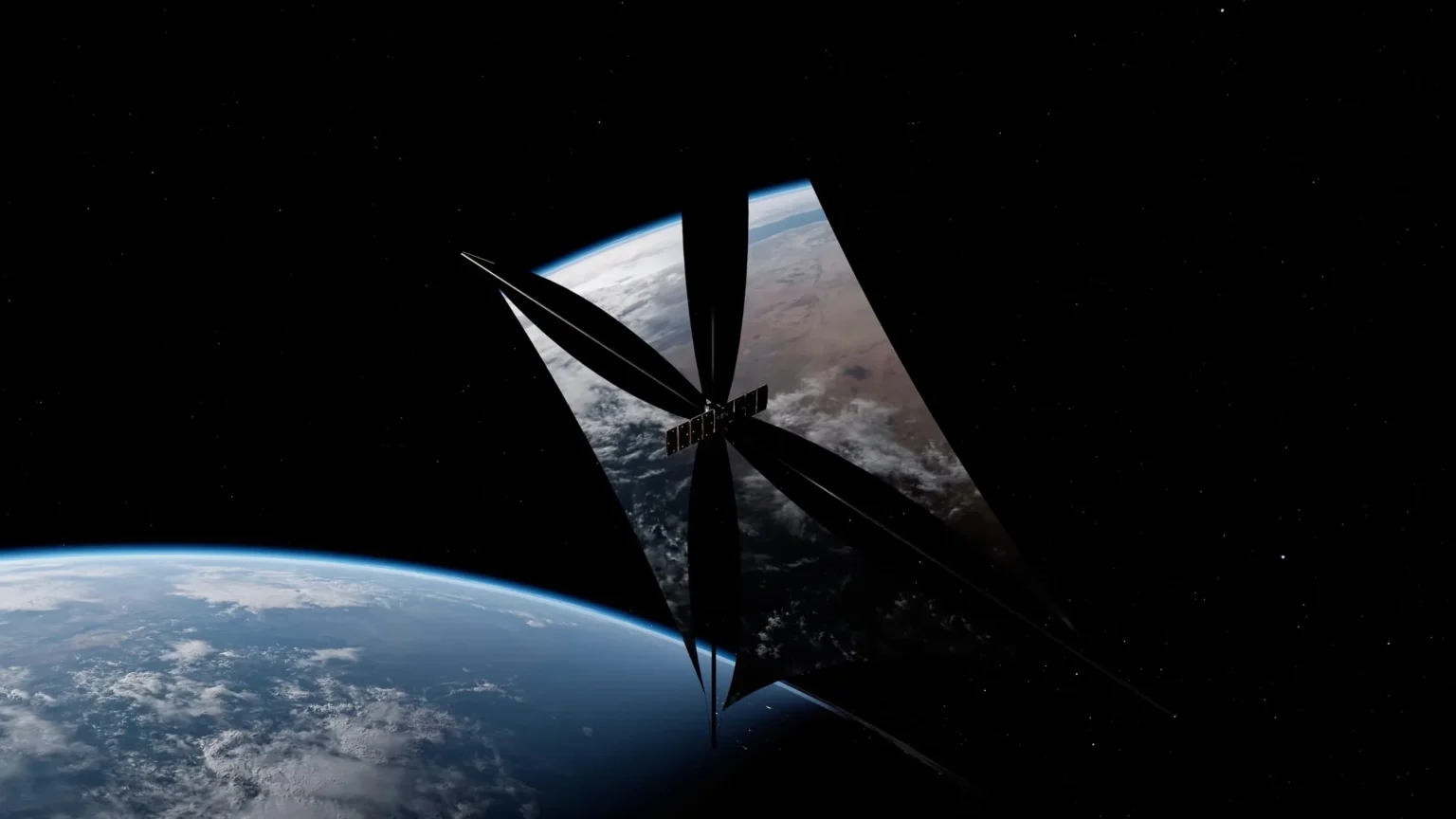
At first glance, the idea may seem attractive. However, astronomers and safety experts immediately pointed to serious risks.
A Bright Danger
Bright mirror satellites could disrupt deep-space observations. The FCC received nearly 2,000 critical comments from the public. Professional astronomers are not the only ones at risk. Experts warn that even amateur observers viewing Earendil-1 through an ordinary 30-centimeter telescope could suffer irreversible retinal damage.
Robert Massey, Deputy Executive Director of the Royal Astronomical Society, called the FCC’s decision dangerous precisely because of this potential risk to human health. Astronomers will not receive warnings about when and where the satellite will appear in the sky, making accidental observation entirely possible.
The danger has been known for decades. In the 1990s, Russia launched two experimental mirror spacecraft under the Znamya program. A 2000 scientific paper published by the Royal Astronomical Society of Canada noted that observing them could cause damage comparable to looking at the Sun during a total eclipse. The program was later discontinued.
The Regulator’s Response
Critics specifically warned the FCC about the risk of eye damage. The Commission described the risk as “minor” compared with the benefits of allowing U.S. companies to test innovative technologies in space.
Reflect Orbital spokesperson Christopher Buscombe said the company is in discussions with astronomers, environmental experts, and other interested parties. The first demonstration satellite will be used to test built-in safety measures. The company plans to limit the amount of reflected light to levels already experienced by humans and animals.
Experts, however, caution that atmospheric scattering and interactions with clouds create too many uncontrolled variables.
Broader Consequences
The Air Line Pilots Association has expressed concerns about aviation safety. The presidents of several international chronobiology associations warned in a joint statement that large-scale deployment of such satellites would alter the planet’s natural nighttime light environment. This could disrupt sleep patterns and the circadian rhythms of migrating animals.
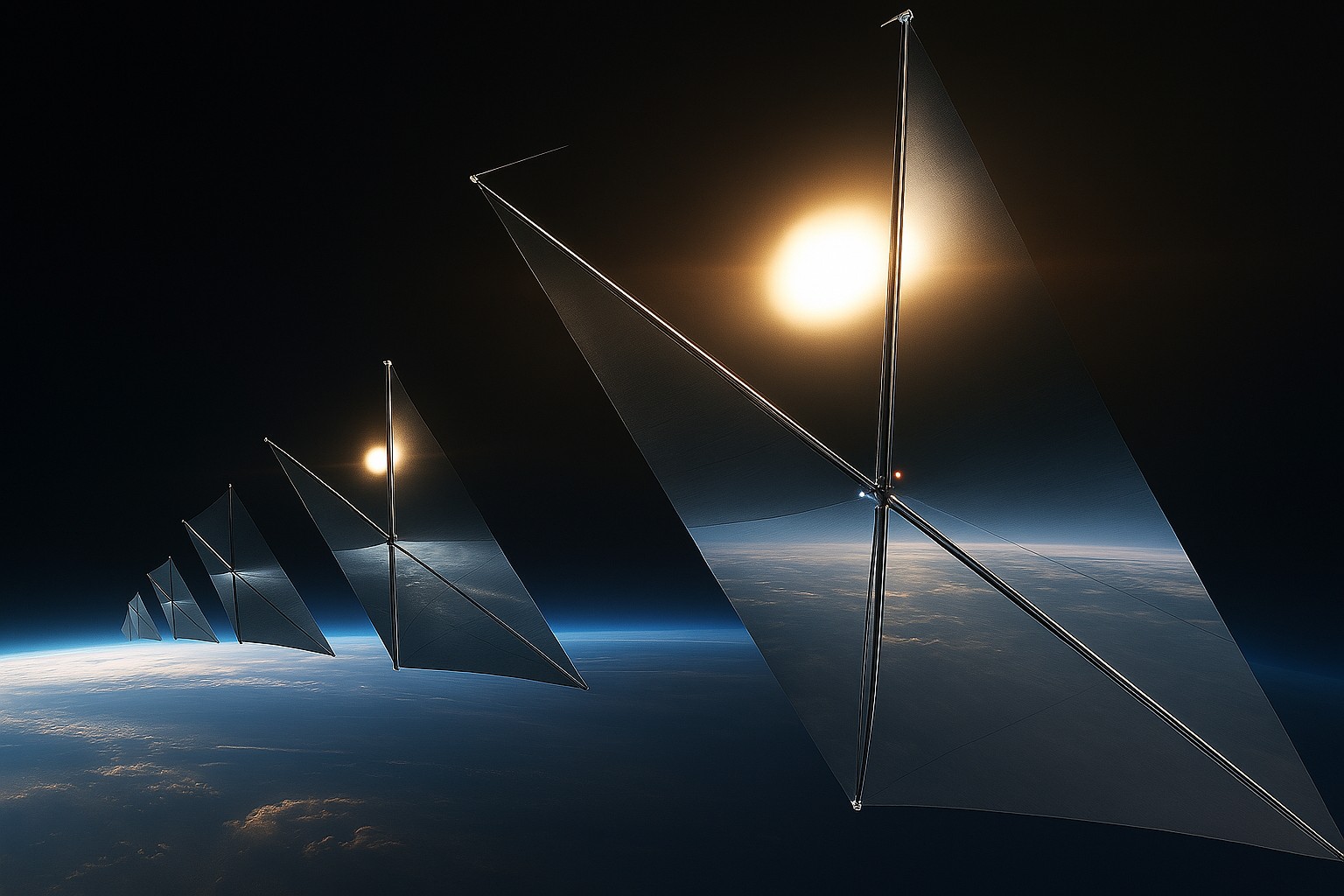
Low-Earth-orbit satellites in general are becoming an increasingly controversial issue. Their numbers have risen sharply over the past decade, while many spacecraft are being deployed at lower altitudes, making them appear even brighter.
“The stars above us are a valuable part of humanity’s heritage. Deploying more than a million extremely bright satellites would completely destroy this and permanently spoil the natural landscape,” Massey concluded.
For now, Earendil-1 remains only an experiment. However, its approval has already demonstrated how sharply the interests of technological innovation, scientific observation of the sky, and the safety of people and nature can come into conflict.
We previously reported on how an artificial “Saturn ring” could appear around Earth.
According to The Verge