

Remarkably, the first demonstration of a boat controlled remotely from a distance of several kilometers at sea took place approximately 120 years ago. The device — which would now be described as a drone — was developed by the Spanish engineer Leonardo Torres Quevedo.
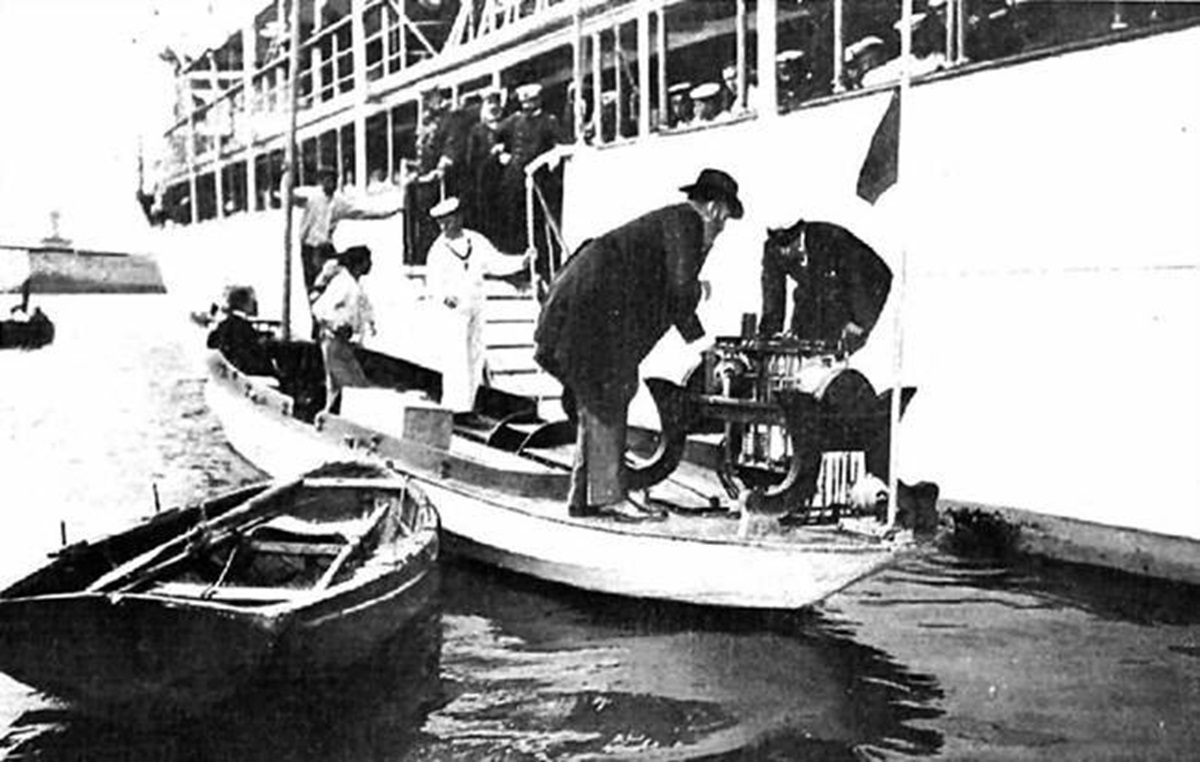
The first radio-controlled boat
On September 25, 1906, the King of Spain and a group of his subjects observed from the Atlantic coast as a motorboat maneuvered two kilometers offshore. Their interest was prompted by a straightforward circumstance: the vessel carried no one on board. Instead, it was operated from the shore באמצעות radio signals.
Although it may be difficult to believe, the first marine drone — or, as it is also known, an unmanned boat — was tested at sea approximately 120 years ago. The individual responsible was the renowned Spanish engineer Leonardo Torres Quevedo (his surname is also sometimes written simply as Torres Quevedo). This achievement constituted only one aspect of the research that has led to his recognition as one of the fathers of robotics.
Admittedly, Torres Quevedo’s claim to priority remains open to question. As early as 1898, Nikola Tesla had already demonstrated a radio-controlled boat. Nevertheless, substantial doubts remain as to whether it may properly be regarded as a fully fledged radio-controlled vessel. In essence, it was a large model boat floating in a pool at an exhibition in New York.
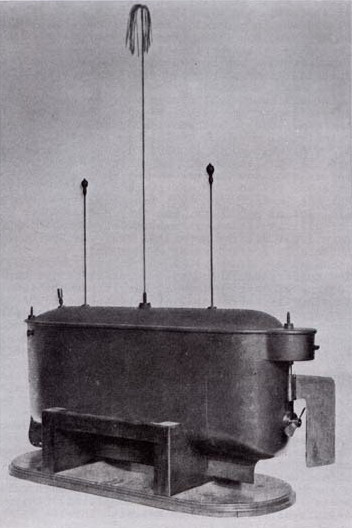
Tesla’s boat lacked comprehensive control over its speed and steering. The inventor could only set the motor to a predetermined power level, turn the steering wheel to the right or left by a specified angle — which caused the speed to decrease at a fixed rate — and activate the lights.
The inventor operated it while standing immediately beside it. There is no evidence that Tesla tested his drone at sea from a considerable distance. Consequently, it is unsurprising that the U.S. military, to which he attempted to sell it, never expressed any interest in it.
The Torres Quevedo cableways
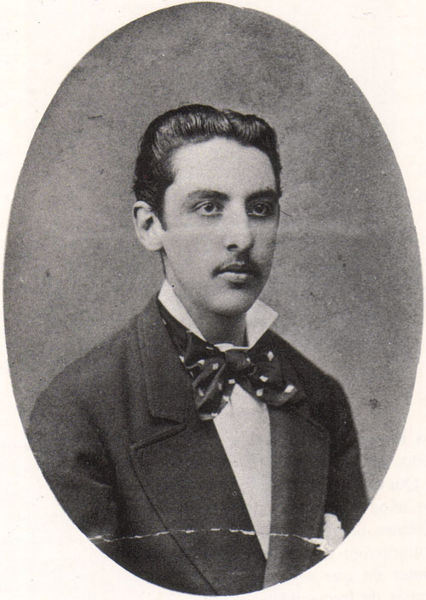
Leonardo Torres Quevedo was born in 1952 in Spain into a family of railroad engineers. At the time, this field was at the forefront of technological advancement. Consequently, it is unsurprising that the future inventor chose to pursue it as well.
However, after graduating from university in 1876, he worked for a railroad company for only a few months before recognizing his inclination toward invention. He subsequently resigned from his position and spent several years traveling throughout Europe, which was experiencing a period of rapid technological innovation.
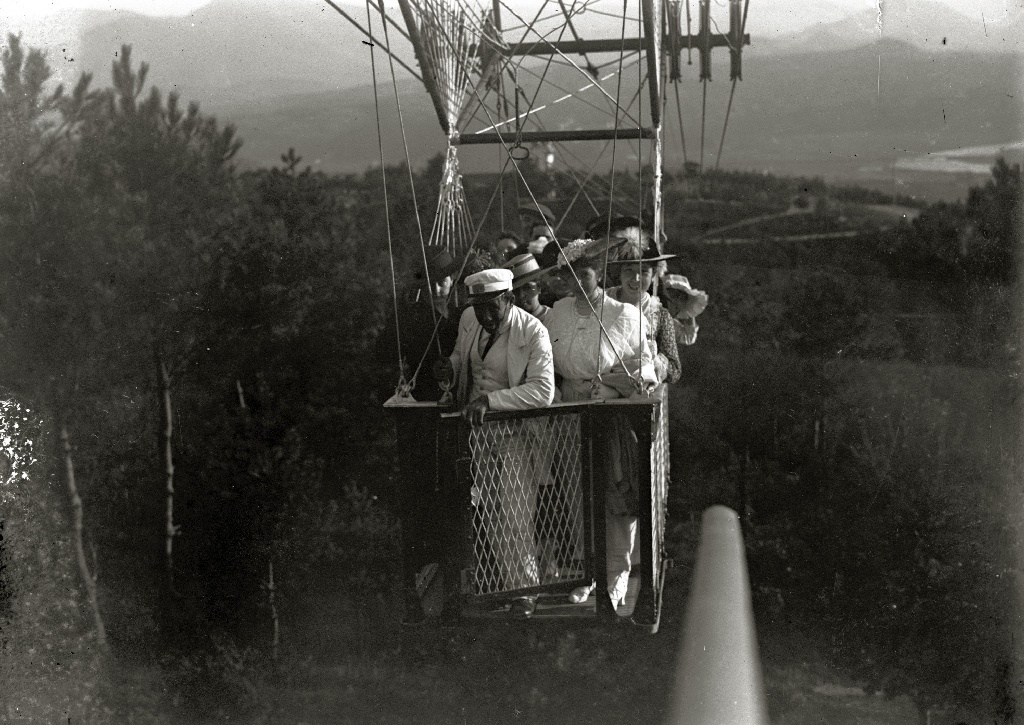
In the early 1880s, following his return to his homeland, Leonardo began developing cable cars. In 1886, he constructed the first such vehicle near the town in which he resided. Approximately 200 metres in length, it was capable of transporting one person up a hill measuring 40 metres in height. The vehicle was powered by a wheel operated by two oxen.
Although the system’s description appears primitive even by the standards of the late nineteenth century, the cable car possessed one particularly significant feature: the passenger basket was suspended by several wires rather than a single wire, thereby substantially enhancing its reliability. This concept was not entirely unprecedented; however, previous attempts to construct a similar system had been hindered by the uneven distribution of weight among the wires, which rendered the design impractical.
Torres Quevedo resolved this problem by employing an ingenious counterweight system to which all the cables were connected, thereby ensuring that the weight was distributed evenly among them. The inventor patented this system and continued to revisit the subject throughout his life.
Counting machines
Torres Quevedo sought to attract the interest of a country that, given its mountainous terrain, might reasonably have been expected to embrace his cable cars: Switzerland. However, in 1890, Swiss authorities viewed the Spanish engineer’s ideas with skepticism, prompting him to direct his attention toward other projects.
Leonard subsequently developed an interest in the additional functions that machines could perform automatically. By that time, calculating machines — mechanical arithmometers — had already existed for several decades. The work of Charles Babbage was also noteworthy: although he never succeeded in constructing a truly universal computer, his research demonstrated how such a device could be built.
Accordingly, Torres Quevedo undertook the development of electromechanical computing machines based on relay technology. As early as 1895, he successfully created a series of machines that not only performed the four fundamental arithmetic operations but also solved equations of a particular type. In other words, the operator would enter the coefficients of an equation and obtain its roots.
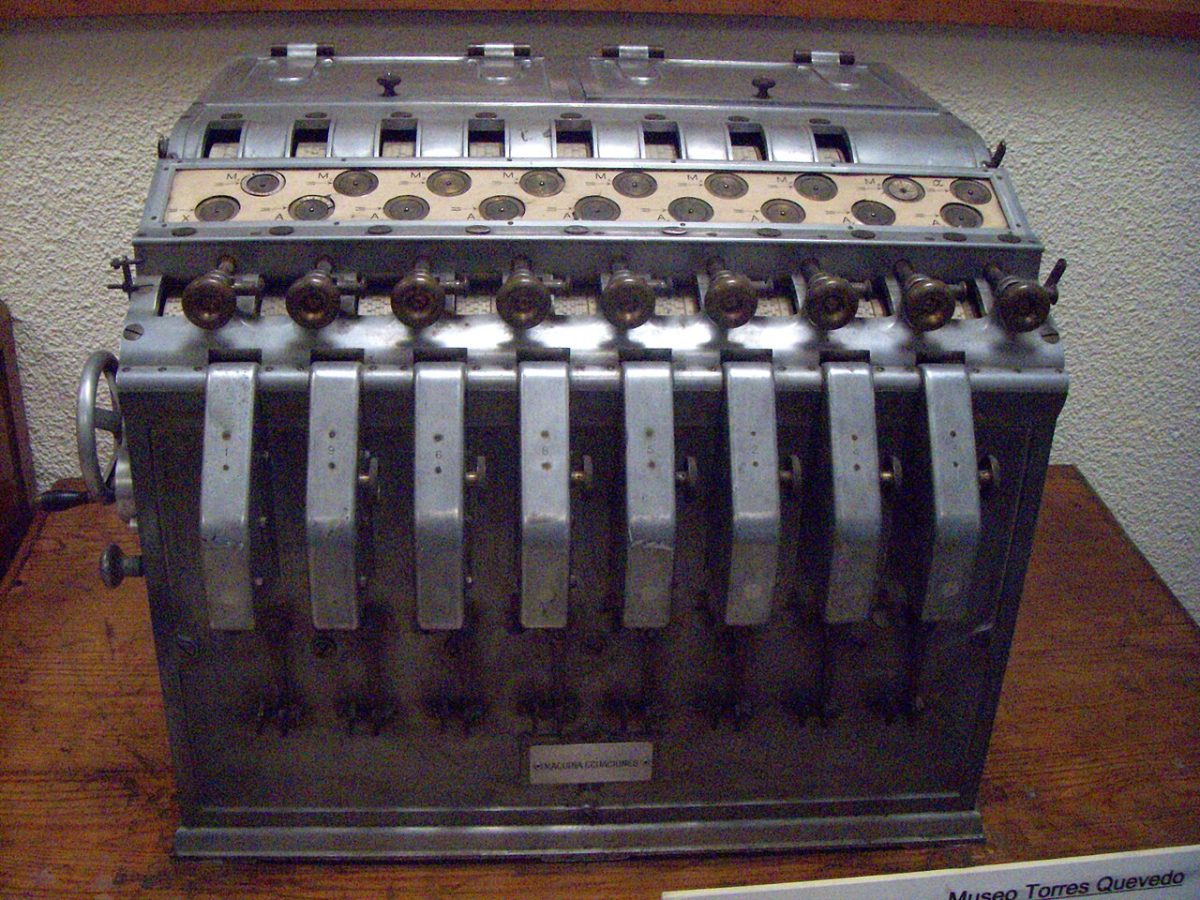
By 1900, he had developed a series of mechanisms in which mechanical components rotated, thereby modifying the flow of electric current. Although he did not create a truly universal computer capable of solving any problem through the use of a single set of operations, the paper he presented to the French Academy of Sciences provided a comprehensive explanation of how to construct machines capable of performing specific mathematical operations, including the solution of logarithmic equations.
The first drone
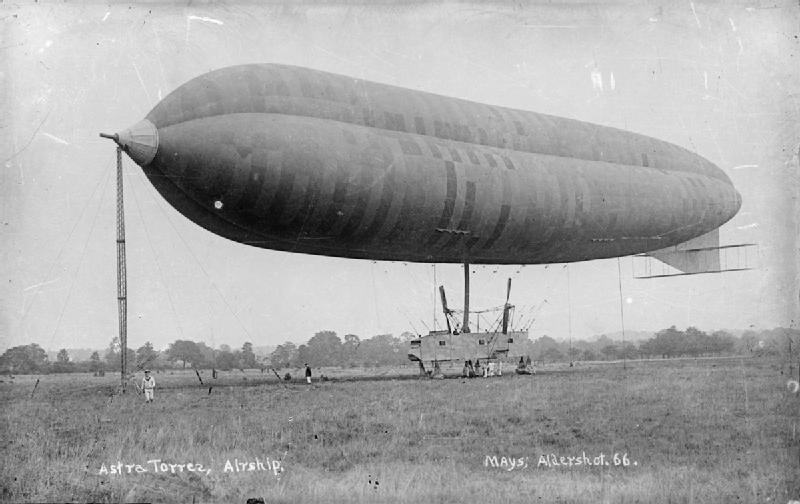
However, Torres Quevedo himself had already turned his attention to a new challenge: the same concept of radio-controlled guidance. More precisely, his work began with the design of airships. The engineer developed an original design consisting of three elongated, sausage-shaped balloons connected to one another; however, the need to test the design compelled him to consider safety.
It was at that time that he developed the world’s first radio-controlled device, which he named Telekino. This innovation emerged as early as 1901, and over the subsequent five years, he used it to control not only an airship but also a tricycle — a three-wheeled bicycle equipped with an engine.
Only then did he install the system on the boat, enabling him to control it remotely from a distance of several kilometers. He succeeded because he had identified something Tesla had not. The radio signal transmitted by the device is merely an electromagnetic oscillation that induces a current in a closed circuit. Consequently, transmitting different commands through a single channel is highly problematic, as it can produce only one result. This limitation compelled the Serbian inventor to restrict the number of commands.
Leonardo, however, developed the concept of a coded-command system. His transmitter emitted not merely a single radio pulse, but rather a specific sequence of pulses. A specialized device aboard the boat detected the sequence and translated it into commands controlling the rudders and motor.
In essence, this is how all radio-controlled models, drones, television remote controls, and other types of remote-control devices operate. The principal advantage is that the number of available commands can be expanded as desired without requiring significant modifications to the system. For example, the Torres Quevedo boat had 19 such commands.
Chess simulator
During the latter half of the twentieth century, Torres Quevedo’s prospects began to improve. His cable car projects began to reach fruition. The most renowned of these is the Whirlpool Aero Car, a gondola that accommodates 35 passengers and transports them across a distance of 540 meters. Its most notable feature is that it carries passengers over Niagara Falls. In other words, passengers board in Canada and arrive in the United States approximately ten minutes later.
The airships designed by Torres Quevedo also found a use. With World War I approaching, the French military began placing orders for them. Once hostilities began, they (albeit in a manned rather than unmanned configuration) proved to be very effective in detecting German submarines.
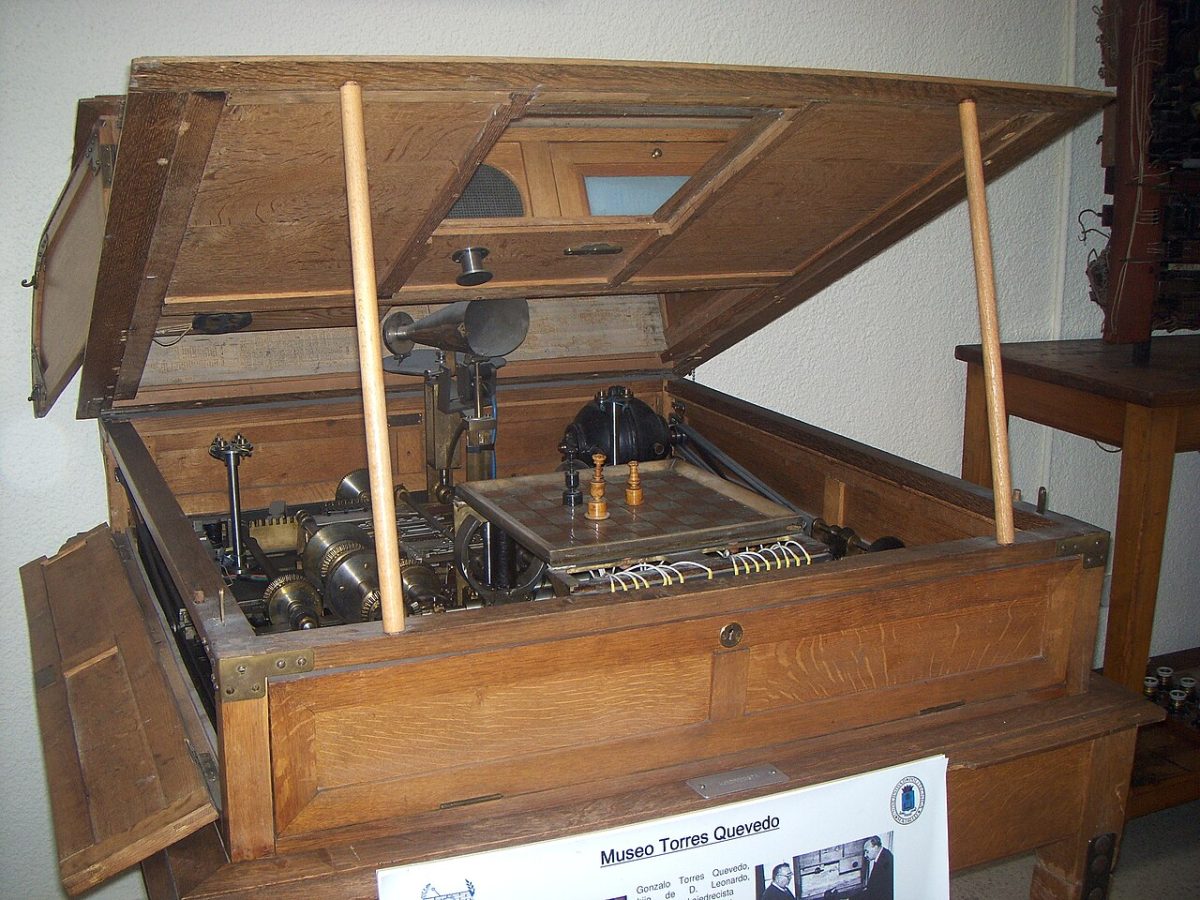
The inventor himself subsequently returned to the development of electromechanical computers, albeit of a specialized nature. In 1912, he demonstrated the El Ajedrecista (“The Chess Player”) system, a chess simulator — or, more precisely, a simulation of an endgame in which one side retained only a king and a rook, while the other had only a king.
The system itself determined the positions of the pieces on the chessboard through built-in magnetic sensors and suggested a response; in subsequent versions, it even moved the pieces autonomously. Consequently, many regard Torres Quevedo as the first creator of a computer game as well.
At the same time, he continued working on conventional electromechanical adding machines. He demonstrated the first model as early as 1914. It already incorporated a small built-in memory; however, the First World War delayed the release of a fully functional model. The machine he demonstrated in 1920, which was commercially available, performed only the four basic arithmetic operations, much like conventional mechanical adding machines. Its distinguishing feature was that the operator was not required to set any levers or turn any knobs.
Instead, he entered the numbers using an electric typewriter that was not directly connected to the device. The numbers were transmitted via radio signal, and the response was printed on a sheet of paper, also via radio signal.
Indeed, Leonardo developed not only the first electronic calculator but also the first remote-access system. He continued to innovate throughout the final years of his life. For instance, he returned to his enduring interest in railroads and designed an automated safety system for them. The system linked semaphore signals with switch positions, thereby preventing operators from creating combinations that could result in collisions.
Torres Quevedo died in 1936, coinciding with the outbreak of the civil war in his country.
